
Main Courses
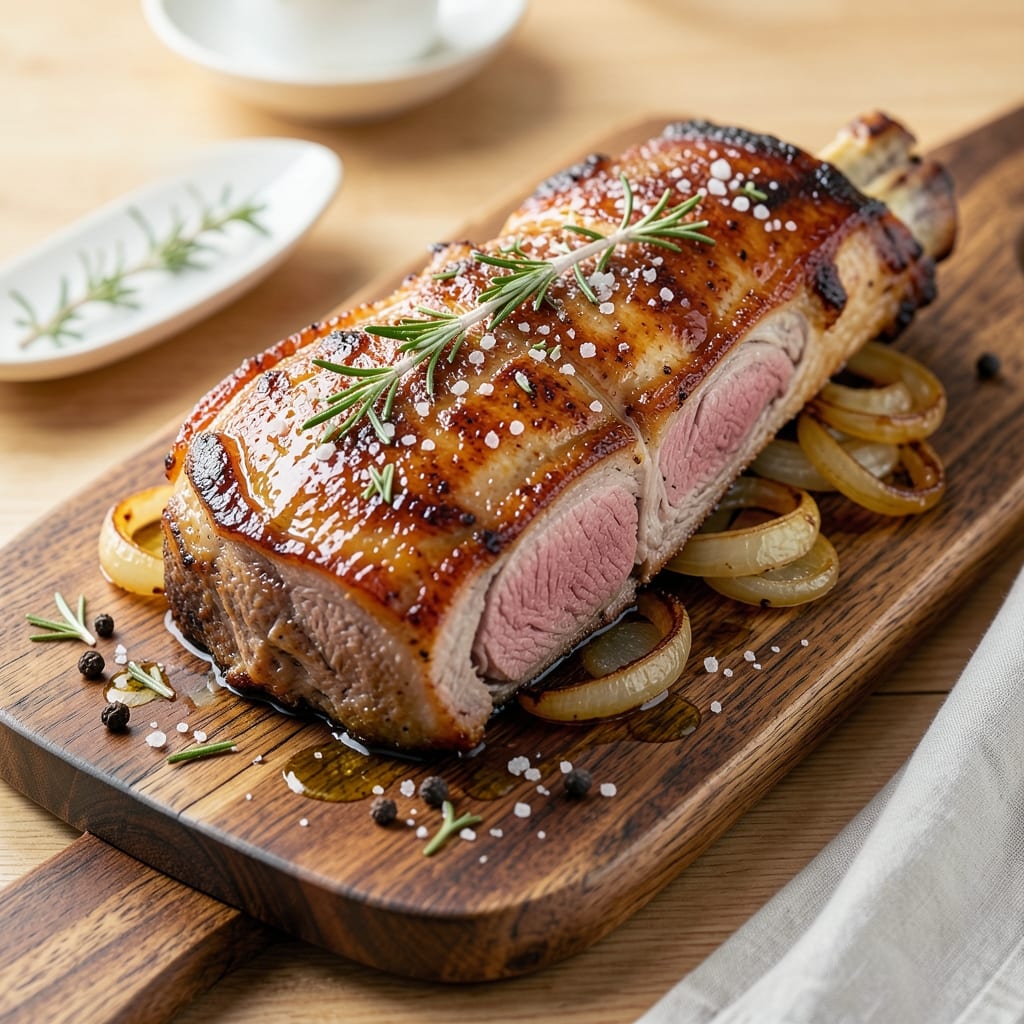
A 5 lb bone-in beef rib roast delivers restaurant-quality results with a perfect balance of crispy crust and juicy pink center—no fancy techniques required. The secret lies in slow-roasting at low temperatures while maintaining moisture, ensuring every slice is tender and flavorful. This method transforms a simple cut into a showstopping centerpiece that impresses without requiring hours of prep.
Start with a dry brine (salt the roast 12-24 hours ahead) to enhance tenderness and flavor penetration. A simple blend of coarse salt, black pepper, and rosemary creates a robust crust without overpowering the beef’s natural richness. The roasting process—325°F for 3-4 hours—allows the internal temperature to reach 130°F for medium-rare, with a final sear for color and texture.
What you’ll achieve is a juicy, melt-in-your-mouth roast with a caramelized exterior that’s impossible to resist. The bone-in cut adds depth to the flavor, while the slow cook ensures even doneness throughout. This recipe is designed for confidence—no guesswork, just foolproof results that make weeknight dinners feel like a special occasion.
Pair with classic sides like garlic mashed potatoes or roasted root vegetables to complete the meal. The leftovers reheat beautifully, making this the ultimate make-ahead centerpiece for gatherings or family dinners. Let’s get started on a roast that delivers restaurant-quality perfection at home.
Ingredients for 5 lb beef rib roast bone in
Six ingredients transform a simple roast into restaurant-quality perfection with crispy crust and juicy pink center.
| Ingredient | Amount | Notes |
|---|---|---|
| Bone-In Beef Rib Roast 🥩 | 5 lb | Prime or choice grade, 1-1.5 inches thick |
| Kosher Salt 🧂 | 2 tbsp | Diamond Crystal preferred for even distribution |
| Fresh Rosemary 🌿 | ¼ cup | Finely chopped, stems removed |
| Fresh Black Peppercorns 🌶️ | 1 ½ tbsp | Coarsely ground for texture |
| Extra-Virgin Olive Oil 🫒 | 2 tbsp | For final sear and basting |
| Yellow Onion 🧅 | 1 whole | Quartered for dry brine infusion |
| Garlic Cloves 🧄 | 4 cloves | Smashed for dry brine infusion |
| Fresh Thyme Sprigs 🌿 | 3 whole | For dry brine aroma |
| Butter 🧈 | 4 tbsp | Unsalted, softened for basting |
| Beef Tallow or Duck Fat 🫒 | ½ cup | For enhanced crust development |
| Red Wine 🍷 | ½ cup | Bold dry red for basting |
| Fresh Parsley 🌿 | ⅛ cup | Chopped for garnish |
| Baking Sheet 🍳 | 1 whole | Heavy gauge for even heat |
| Meat Thermometer 🌡️ | 1 whole | Instant-read for accuracy |
The bone-in rib roast is non-negotiable for this recipe—its natural fat and connective tissue deliver unmatched flavor and moisture. Source from a reputable butcher like D'Artagnan or your local Whole Foods meat department for prime-grade cuts. Look for vibrant red color and visible marbling throughout. The roast should weigh exactly 5 lbs (no more, no less) to ensure proper cooking time and doneness. If your butcher offers pre-trimmed roasts, request it with the fat cap intact for optimal crust development. For home cooks, Costco's Kirkland Signature or Kroger's premium beef are reliable budget-friendly options that still deliver exceptional results.
The dry brine components—kosher salt, fresh rosemary, black peppercorns, onion, garlic, and thyme—work together to create a flavorful crust while tenderizing the meat. For the rosemary, choose fresh sprigs with vibrant green needles—avoid dried unless absolutely necessary, as it lacks the aromatic complexity. The Diamond Crystal kosher salt is preferred for its coarse texture, which creates a more pronounced crust compared to fine sea salt. No fresh thyme? Dried thyme at one-third the amount works in a pinch, though fresh is ideal. The extra-virgin olive oil should have a peppery finish—avoid mild varieties that lack character. For the red wine, any bold dry red (Cabernet Sauvignon, Malbec, or Merlot) will suffice; reserve a bottle you'd drink yourself rather than cooking wine.
This roast develops its signature crust and tenderness through slow roasting, so proper storage is key. The uncooked roast should be kept in the coldest part of your fridge on a wire rack to prevent moisture buildup—use within 2 days of purchase. Once roasted, the meat rests for 30-45 minutes before slicing, allowing juices to redistribute. Leftovers reheat beautifully—wrap tightly in foil and refrigerate for up to 5 days, or freeze for 3 months in portioned containers. For serving, the butter-basted crust remains crispy when reheated in a 350°F oven for 15 minutes, covered loosely with foil. Garnish with fresh parsley just before serving to maintain vibrant color and aroma.
Why You'll Love This Recipe
- Here’s what sold me: it’s the only roast I can pull off when friends drop by unannounced. Feeds six without breaking the bank, and the rosemary aroma alone makes the house smell like a holiday dinner. (Yes, even on a Tuesday night.)
- Foolproof Seasoning: I swear by the salt-and-peppercorn crust—just kosher salt and cracked peppercorns rubbed in hard before roasting. No fancy marinades, no stress, and that crust? Crispy enough to stand up to a steakhouse cut.
- One-Pan Magic: Between us, this roast is exactly what you need when you’re too tired to deal with multiple pans. Toss it on a sheet, let the bone render its own flavor, and boom—juicy, caramelized perfection with zero cleanup.
- Leftovers That Shine: Honestly, I make this on purpose just to have shredded rib roast for sandwiches all week. The bone keeps it moist, so even day-old slices are still rich and tender—no sad, dried-out meat here.
Step-by-step instructions for perfectly slow-roasted beef rib roast
Mastering this technique delivers a restaurant-quality roast with a deep mahogany crust and tender pink center every time.
🔥 Step 1: Prepare the Dry Brine for Maximum Flavor
Remove the 5 lb bone-in beef rib roast from packaging and place it on the 1 whole baking sheet. Pat it completely dry with paper towels—this is critical for developing that signature crust. In a small bowl, combine the 2 tbsp kosher salt, 0.25 cup finely chopped fresh rosemary, 1.5 tbsp coarsely ground fresh black peppercorns, 4 smashed garlic cloves, and 3 whole fresh thyme sprigs. Rub this mixture all over the roast, pressing firmly into the meat and working it into the crevices.
Quarter the 1 whole yellow onion and place the quarters in the roast cavity along with any remaining herb mixture. This dry brine method infuses the meat deeply while preventing surface drying. Cover loosely with plastic wrap and refrigerate for at least 12 hours—ideally overnight. This step is non-negotiable for achieving that perfect balance of flavor and texture.
🔥 Step 2: Sear the Roast for Deep Flavor Foundation
Remove the roast from the refrigerator 1 hour before cooking to bring it to room temperature. Preheat your oven to 375°F. In a large oven-safe skillet, melt together the 4 tbsp butter and 0.5 cup beef tallow or duck fat over medium-high heat. Once the fat is shimmering but not smoking, carefully add the roast to the pan, bone-side down if possible.
Sear the roast for 10 minutes per side until it develops a deep golden-brown crust. Don't rush this step—the crust is what carries all those beautiful caramelized flavors. Transfer the skillet to the preheated oven and continue roasting for 30 minutes. This initial searing creates the flavor base that will develop during the slow cook.
⏰ Step 3: Slow-Roast to Perfect Doneness
Reduce the oven temperature to 275°F and continue roasting the rib roast for approximately 3 to 3.5 hours. This low-and-slow approach ensures the connective tissue breaks down completely while maintaining a juicy pink center. Use the 1 whole meat thermometer to check the internal temperature—it should reach 130-135°F for medium-rare doneness.
About 30 minutes before the roast reaches your target temperature, remove it from the oven and increase the oven temperature to 425°F. This final high-heat phase creates the perfect crust while keeping the interior tender. The roast is done when the thermometer reads 130-135°F in the thickest part of the meat (not touching bone).
🍳 Step 4: Create the Wine Reduction for Basting
While the roast rests, pour the 0.5 cup red wine into the same skillet used for searing. Place it over medium heat and reduce by half, scraping up all the browned bits from the bottom of the pan. This reduction captures all the concentrated flavors from the searing process. Remove from heat and stir in the 2 tbsp extra-virgin olive oil.
Use this reduction to baste the roast while it rests. The wine's acidity cuts through the richness of the beef while adding depth of flavor. This basting step is what transforms a good roast into an exceptional one—don't skip it.
🍽️ Step 5: Rest and Slice for Maximum Juiciness
Transfer the roast to a cutting board and tent loosely with aluminum foil. Let it rest for at least 30 minutes—this crucial resting period allows the juices to redistribute throughout the meat. The internal temperature will rise about 5°F during resting, so your final serving temperature will be perfect.
Slice the roast against the grain into 1-inch thick slices. Garnish with the 0.125 cup chopped fresh parsley and serve immediately. Each slice should reveal a deep pink center surrounded by a rich, flavorful crust. The resting period ensures every bite remains juicy and tender, delivering on that promised juicy experience.
Pro Tips For Making 5 Lb Beef Rib Roast Bone In
- Dry It First: The rib roast needs 12–24 hours in the fridge uncovered—yes, even if you’re impatient. I learned this the hard way when my first roast turned out greasy instead of crispy; the dry surface is what locks in that golden crust later.
- Salt the Night Before: Generously coat the roast with kosher salt at least 12 hours ahead—no need to rinse. The salt breaks down the proteins, and the rosemary and peppercorns stick better when the surface is dry. (I used to skip this and still got good results, but the texture is noticeably better when I don’t.)
- Start Hot, Finish Slow: Sear the roast over high heat for 5–7 minutes per side—don’t walk away, or you’ll miss the crust forming. Then, lower the oven to 275°F (135°C) and cook until the internal temp hits 115°F (46°C) for medium-rare. I was skeptical until I tried it; the low-and-slow finish keeps the meat juicy without drying it out.
- Rest Under Foil: Transfer the roast to a cutting board, tent loosely with foil, and let it sit for 20–30 minutes—this is non-negotiable. I know, I know, you want to slice it immediately, but skipping this step means juices running all over your plate instead of staying in the meat. (Your future self will thank you.)
Storing and reheating this recipe
Refrigerator Storage
Store your cooked rib roast in an airtight container with a splash of beef broth to keep it moist. Place it in the refrigerator within 2 hours of cooking and consume within 4 days for peak tenderness. The bone-in cut retains moisture better than boneless, so you’ll notice less drying over time. For best results, slice the roast after storing to maintain juiciness. 🥩
Freezer Prep Tips
For longer storage, wrap individual slices in plastic wrap and place them in a freezer-safe bag with ¼ cup beef broth to prevent freezer burn. Label with the date and freeze for up to 3 months. When ready to reheat, thaw overnight in the fridge for even results. Avoid microwaving directly from frozen—this can create a rubbery texture. 🧊
Oven Reheating
My preferred method is reheating in a 350°F oven for 15-20 minutes, covered loosely with foil. This preserves the crispy crust while gently warming the interior. Add 1 tbsp beef broth to the pan to prevent drying. For extra flavor, baste with the red wine reduction from cooking day—it adds depth without overpowering. 🔥
Stovetop Method
For quick reheating, use a heavy-bottomed skillet over medium-low heat. Slice the roast into ½-inch thick pieces and cook for 3-4 minutes per side, adding 1 tbsp butter to maintain moisture. Avoid high heat—it can turn the meat tough. This method works best for small portions and keeps the texture tender. ✨
Leftovers Hack
Turn reheated slices into beef sandwiches with garlic aioli and crisp lettuce, or shred for beef tacos with pickled onions. The bone-in roast makes great beef broth too—simmer the bones with carrots, celery, and onion for 2 hours. This transforms leftovers into new meals without waste. 💡
Safety Reminder
Always reheat to an internal temperature of 165°F to ensure food safety. Use a meat thermometer for accuracy—never rely on visual cues alone. If storing again, cool the roast to room temperature (no more than 2 hours) before refrigerating. This prevents bacterial growth and keeps your meal safe to eat. 🌡️
Nutrition facts
Frequently asked questions
How do I choose the best 5 lb bone-in beef rib roast?
Look for vibrant red color with visible marbling throughout the meat. Prime or choice grade is ideal, and the roast should be 1-1.5 inches thick for even cooking. Avoid cuts with grayish hues or excessive fat—this indicates lower quality. Ask your butcher to trim excess fat while keeping the fat cap intact for optimal crust development.
Can I cook this roast without the dry brine overnight?
While the dry brine enhances flavor and tenderness, you can still achieve great results by salting the roast 12-24 hours before cooking and patting it dry right before searing. For same-day cooking, use 1 tbsp salt per pound and let it sit uncovered in the fridge for 4 hours to draw out moisture and create a better crust. The flavor won't be as deep, but it will still be delicious.
What if my oven doesn't go as low as 275°F for the slow roast?
No problem! Set your oven to the lowest temperature possible (typically 250°F) and extend the cooking time by 15-20 minutes. Use a meat thermometer to monitor doneness—it should still reach 130-135°F for medium-rare. The key is maintaining low heat to break down connective tissue while keeping the center juicy.
How do I adjust this recipe for a larger roast?
For roasts over 6 lbs, increase cooking time by 15 minutes per pound at 275°F. For example, a 7 lb roast would need about 3.5-4 hours total. The 30-minute high-heat finish at 425°F remains the same. Use the same dry brine ratio but increase wine reduction by ¼ cup for basting.
What's the best way to serve this roast for a crowd?
Slice against the grain into ½-inch thick pieces and arrange on a platter with the wine reduction drizzled over the top. Garnish with fresh parsley and serve with garlic mashed potatoes, roasted root vegetables, and a bold red wine like Cabernet Sauvignon. For a buffet-style meal, set up a self-serving station with warm dinner rolls and horseradish cream.