
It started with one dish that kept failing
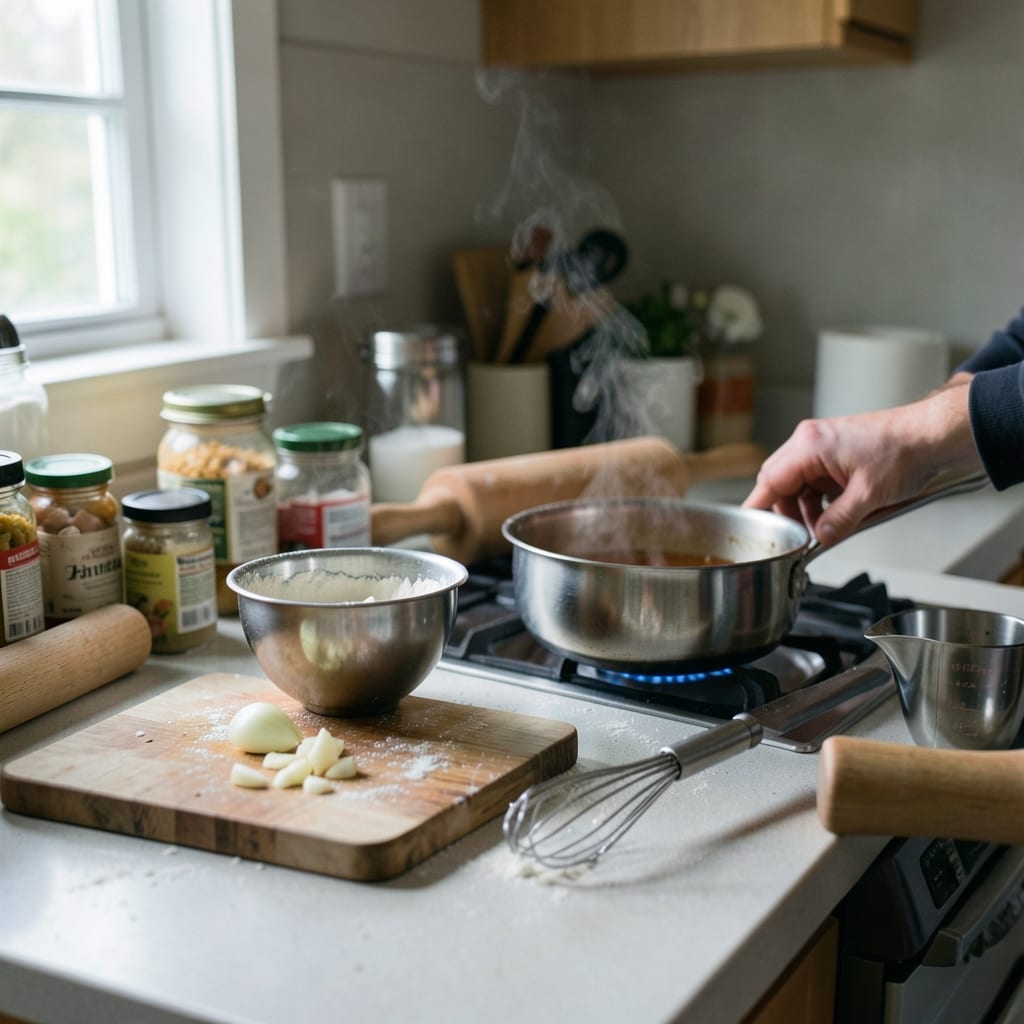
It was a cold November afternoon in my mother’s kitchen, and I was trying to make *beef bourguignon*—the kind with tender chunks of meat, a rich red sauce, and little mushrooms that disappear into the mix.
I’d followed the recipe twice before, but this time, the beef came out tough as shoe leather. The sauce, instead of velvety, had turned into a thin, watery glaze that clung to the pan like regret.
I’d seared the beef just like the recipe said—medium-high heat, two minutes per side—but when I pulled it out, the outside was charred black in spots, and the inside refused to give. The mushrooms, which should have softened into the sauce, stayed stubbornly firm.
I tasted a bite and nearly winced. It wasn’t just bad; it was a lesson in how to ruin something simple.
The worst part? It looked *right*. The pan had that deep, caramelized color, the aroma in the kitchen smelled like what it was supposed to, and the sauce had reduced to the right shade. But the moment the fork hit the plate, I knew: this wasn’t working.
And I wasn’t giving up.
Nine tries before it worked
The first three attempts all failed in different ways. The fourth time, I cut the beef into smaller pieces—too small—and it turned to mush. The fifth, I rushed the braising time, and the sauce stayed bland.
By the seventh try, I’d burned through two pans, a wooden spoon, and half a bottle of red wine (for morale, not the recipe).
Then I realised I’d been over-salting the beef before searing. The eighth version came closer—the texture was better, but the sauce still lacked depth. That’s when I remembered my grandmother’s trick: a splash of pastis in the deglazing step. The ninth time, everything clicked.
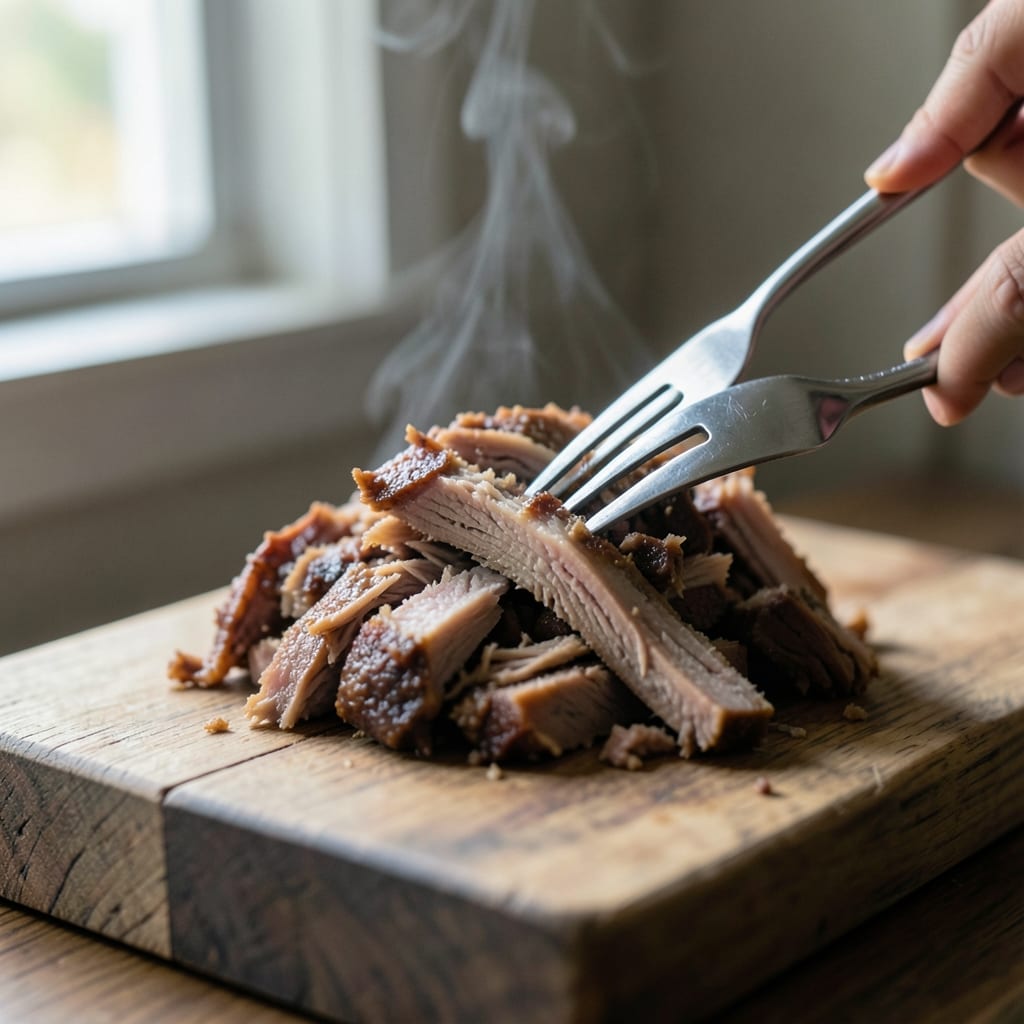
The beef fell apart at the touch of a fork, the sauce coated the back of a spoon, and the mushrooms? Finally, they melted into the dish like they were supposed to.
It took three hours for that final attempt, from start to finish. The kitchen was sticky with sweat and sauce, and by the end, I was exhausted. But when I sat down to eat it, I understood why people bothered.
That dish wasn’t just a recipe anymore—it was proof that failure wasn’t the end. It was the only way to get it right.
The mind behind these pages

That’s how I ended up here: *Ramona Villanueva*, founder and editor, still standing in kitchens that smell like overcooked onions and hope.
I grew up in a town where the best meals were the ones that took all day to make—and where the worst meals were the ones that took all day to *fix*. That habit of remaking things, of refusing to let a dish fail permanently, stuck with me.
I’m the kind of person who will adjust a recipe three times in the middle of cooking if something feels off. My mom used to say I had a ‘second brain’ in my hands—always tasting, always tweaking, always convinced I could do better. The cost?
A lot of wasted ingredients, a few singed aprons, and the occasional late-night takeout order when I’d given up. But the payoff? Dishes that actually work.
Outside the kitchen, I’m the kind of person who will rewatch a movie if the ending bothers me, or re-read a book if the last chapter felt rushed. I hate leaving things unfinished.
It’s why I’m here: to share recipes that aren’t just instructions, but proof that cooking is a conversation—not a rulebook.
That *beef bourguignon*? It’s still my benchmark. If a recipe here doesn’t feel like the ninth try—not the first—then it hasn’t earned its place.
Everything here is written the way that dish was
Every recipe on *Beef Recipes Cut* follows the same rule: it’s not published until it’s been made enough times that the mistakes are part of the story, not just footnotes.
The first draft of a recipe isn’t the one you’ll read—it’s the messy, crossed-out version where we argue with the process. The final one is the result of listening to what went wrong.
We don’t just write *how* to make something; we write *why* it matters.
That’s why you’ll find notes like ‘skip the step where the sauce splits’ or ‘this part takes longer than it should, but don’t rush it.’ Those are the things that turn a good recipe into one that actually works in *your* kitchen.
And if a recipe changes months later? You’ll see it. Because cooking isn’t static, and neither are we. That *beef bourguignon*? It’s been updated twice since I first got it right. The sauce is still the same, but the method has sharpened—just like every dish here.
What that means for you
You won’t find perfect recipes here. You’ll find the ones that *actually* work—the kind that account for the time you forgot the garlic, the pan you didn’t season properly, or the fact that your oven runs hotter than the recipe says.
These are dishes built for real kitchens, not just ideal ones.
What you *will* find is the story behind each one: the failures, the fixes, and the moments when something finally came together. Because the best meals aren’t just about the ingredients. They’re about the work it took to get them right.
We’d love to hear about it. Send us your story—the mistakes, the wins, the things you’ve tried—and we’ll see if we can help you get it right. The contact page is where to start.
The recipes are grouped by category: Appetizers, Beverages, Breakfast & Brunch, Main Courses, Salads and Sauces & Condiments.