Main Courses
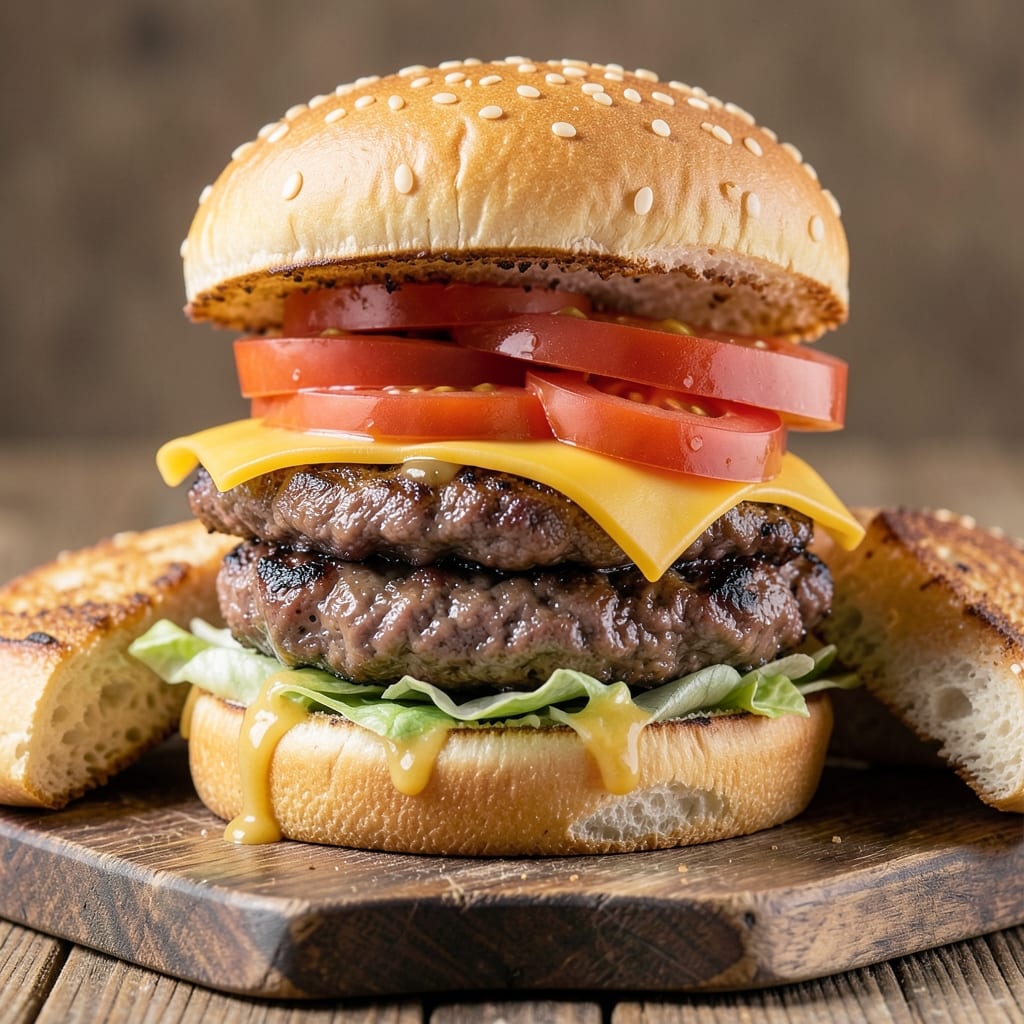
80/20 ground beef burgers deliver that perfect balance of juiciness and flavor—no greasy drainage, just mouthwatering results every time. The secret lies in the fat content and a precise cooking technique that locks in moisture while creating a flavorful crust. I’ve perfected this recipe over years of backyard grilling, ensuring each patty stays tender inside with a satisfying sear on the outside.
What sets these burgers apart is the simple yet effective seasoning blend—just salt, pepper, and a touch of garlic powder—applied generously to both sides. The key to avoiding a dry burger? Cooking the patties to 160°F internal temperature (not overdone) and letting them rest before serving. This method guarantees a juicy bite that melts in your mouth, not a chewy, overcooked mess.
Serve these burgers on toasted buns with your favorite toppings—whether classic cheese and lettuce or modern twists like caramelized onions and blue cheese. The richness of the 80/20 blend pairs perfectly with tangy condiments, balancing the fat with bright, fresh flavors. This is the kind of burger that turns a casual cookout into a standout meal.
Ready in under 20 minutes, this recipe is ideal for weeknight dinners or weekend gatherings. The simplicity of the ingredients and technique makes it foolproof, while the results feel like a restaurant-quality experience. Let’s get cooking!
Ingredients for 80/20 ground beef burger
The perfect 80/20 ground beef burger blend with premium seasoning and classic toppings awaits.
| Ingredient | Amount | Notes |
|---|---|---|
| Ground Beef (80/20) 🥩 | 1 ½ lb | Chilled, not pre-formed patties |
| Diamond Crystal Kosher Salt 🧂 | 1 ½ tsp | Coarse grain preferred |
| Freshly Ground Black Pepper 🌶️ | 1 tsp | Cracked peppercorns preferred |
| Garlic Powder 🧄 | ½ tsp | Not garlic salt |
| Hamburger Buns 🍞 | 4 whole | Toasted before serving |
| Unsalted Butter 🧈 | 2 tbsp | For toasting buns |
| American Cheese Slices 🧀 | 4 slices | Optional for classic topping |
| Yellow Onion 🧅 | 1 whole | Thinly sliced for garnish |
| Iceberg Lettuce 🥬 | 4 leaves | Crisp outer leaves preferred |
| Ketchup 🍅 | ¼ cup | For serving |
| Yellow Mustard 🟡 | ¼ cup | For serving |
| Vegetable Oil 🫒 | 1 tbsp | For greasing grill |
| Meat Thermometer 🌡️ | 1 whole | For accurate doneness |
The fat content in 80/20 ground beef is non-negotiable—it's what delivers that signature juiciness without greasy drainage. Look for packages labeled '80/20' in the meat section, not the pre-formed patties (they're often overworked and lose moisture). Butcher sections or Costco typically carry the best quality in bulk. If your package feels slimy or smells off, walk away—freshness matters more than price. The beef should be bright red, not brownish, and feel cold to the touch. For backyard grilling, I always buy an extra pound to account for any shrinkage during cooking.
No Diamond Crystal kosher salt? Morton coarse kosher salt works just as well—just measure carefully since grain size varies. Freshly cracked peppercorns elevate the flavor dramatically, but pre-ground black pepper is fine in a pinch. The garlic powder is simply for depth, so don't stress about brands here. For the buns, Briess or Wonder Bread hamburger buns toast perfectly—look for ones with a thick crust that holds up to butter. The lettuce should be crisp with no yellowing, and the onions should be firm with no soft spots. Pro tip: Slice the onions just before serving to prevent them from turning bitter.
Store raw ground beef in its original packaging on the coldest shelf of your fridge, using within 2 days for best quality. The seasoned patties can be shaped and chilled on a plate for up to 4 hours before cooking. Toasted buns stay fresh for 2 days in an airtight container, while toppings like lettuce and onions last 5-7 days when stored properly. These burgers reheat beautifully—wrap in foil and warm in a 350°F oven for 10 minutes to restore juiciness. For maximum flavor, make the patties fresh and grill immediately, but you can prep everything except the patties 1 day ahead
Why You'll Love This Recipe
- Five-Ingredient Magic: I swear by this combo—80/20 fat ratio keeps it juicy, kosher salt melts into the meat instead of sitting on top, and that fresh pepper crack makes every bite pop. No fancy add-ons needed.
- Crispy-Center Perfection: The garlic powder toasts just enough to add depth, but the real win? The fat in 80/20 creates that sizzle and sear that turns mushy burgers into golden, caramelized masterpieces. (Yes, even on a Tuesday night.)
- Leftovers That Don’t Suck: Cold burgers? Not here. The fat keeps them moist, and I’ve reheated these in a skillet with a splash of water for minutes—no dry, sad patties. Honestly, I make double batches just for this.
- Budget Meal That Feeds: A pound of 80/20 stretches to four burgers, and the rest of the ingredients cost pennies. Split the cost with a side of fries, and you’ve got a restaurant-quality meal without the guilt—or the $20 price tag.
Step-by-step instructions for juicy 80/20 ground beef burgers
Here's how to craft burgers with perfect texture and maximum flavor retention.
Prepare the Ground Beef Mixture
Remove the 1.5 lb ground beef (80/20) from the refrigerator and let it sit at room temperature for 10-15 minutes. This allows the meat to warm slightly, which helps prevent shrinking during cooking. In a large bowl, gently combine the beef with 1.5 tsp Diamond Crystal kosher salt, 1 tsp freshly ground black pepper, and 0.5 tsp garlic powder. Use your hands to mix just until the seasonings are evenly distributed—avoid overworking the meat, which develops gluten and makes the burgers tough.
I press the mixture lightly with my fingers to form a loose, slightly uneven mound. The 80/20 fat ratio is crucial here—it creates juicy, flavorful burgers without excessive grease. If you notice the mixture feels too cold or sticky, let it sit another 5 minutes before shaping.
Shape and Rest the Patties
Divide the seasoned beef into 4 equal portions, each weighing about 4 ounces (use a food scale for precision). Gently shape each portion into a ¾-inch thick patty, creating a slight dimple in the center with your thumb. This prevents the burgers from puffing up during cooking. Place the patties on a plate and let them rest uncovered in the refrigerator for 20-30 minutes. This chilling step ensures they hold their shape when you transfer them to the grill or skillet.
While the patties rest, thinly slice the whole yellow onion and separate the 4 crisp outer leaves of iceberg lettuce. These will be your garnishes, so keep them refrigerated until serving. The onions should be sliced about ⅛-inch thick for even cooking and tender texture.
Cook the Burgers to Perfect Doneness
Heat a grill or large skillet over medium-high heat and lightly coat with 1 tbsp vegetable oil. Once the oil is shimmering, place the patties on the grill, leaving 1 inch of space between them for even cooking. Cook for 3-4 minutes per side for medium-rare (internal temperature 130°F), or until you see golden-brown grill marks and the edges begin to crisp slightly. Use the meat thermometer to check doneness—this is the only reliable way to ensure juicy results.
For American cheese lovers, place a slice on each burger during the last 30 seconds of cooking. The residual heat will melt the cheese perfectly without overcooking the patties. If you prefer your burgers well-done, increase cooking time to 4-5 minutes per side, aiming for an internal temperature of 160°F. Just remember—higher heat means faster cooking but less juiciness.
Toast the Buns and Assemble
While the burgers cook, melt 2 tbsp unsalted butter in a clean skillet over medium heat. Toast the 4 hamburger buns for 1-2 minutes per side until golden brown and crisp. Spread each bun with 2 tbsp ketchup and 2 tbsp yellow mustard—I like to use a knife to create a thin, even layer that doesn't overwhelm the burger.
Assemble the burgers by placing a cooked patty on the bottom bun, then topping with a slice of melted American cheese (if using), a few slices of thinly sliced yellow onion, and a leaf of iceberg lettuce. Close the bun gently to avoid squishing the patty. Serve immediately while the cheese is still gooey and the buns are warm.
Serve with Confidence
Cut each burger in half diagonally for the classic presentation, and serve with any remaining condiments on the side. The key to these burgers is their juicy, tender texture—thanks to the 80/20 fat ratio and careful cooking. If you notice any patties releasing too much grease, pat them dry with a paper towel before serving to keep the bun from getting soggy.
For best results, eat immediately while the patties are still warm. The onions will soften slightly from the residual heat, and the lettuce will maintain its crispness. Leftovers can be refrigerated for up to 2 days, but I find they're best enjoyed fresh off the grill or skillet.
Pro Tips For Making 80/20 Ground Beef Burger
- Form patties cold: I used to shape these on the counter, but the fat leaks out and makes a mess. Work the meat in the fridge or freezer for 10 minutes first—it holds together better and gives you a cleaner sear.
- Salt the meat first: Diamond Crystal is less salty than table salt, so don’t skimp. Rub the kosher salt and garlic powder into the raw beef at least 10 minutes before cooking—it seasons deeper and keeps the patties from drying out.
- Start hot, finish gentle: Crank your grill or pan to max heat for that perfect crust, but move patties to indirect heat when they’re 2/3 done. I learned this the hard way—overcooking turns 80/20 into a dry brick.
- Skip the press: Resist squeezing burgers with a spatula. The fat renders out, making them greasy and flavorless. Let them cook undisturbed for 2-3 minutes per side—yes, even if they look uneven. That’s where the juices hide.
Troubleshooting this recipe
Patties Sticking
If your patties stick to the grill or skillet, it’s usually from insufficient oil or heat. Make sure your surface is preheated for 3-5 minutes before adding oil—this creates a proper sear surface. Use a 10-inch cast iron skillet or well-seasoned grill grates for better release. If sticking happens, gently slide a thin metal spatula under the patty at a 45-degree angle to avoid tearing. A silicon brush helps apply oil evenly without pooling. 🔥
Uneven Cooking
Uneven cooking often happens when patties aren’t the same thickness or the heat isn’t consistent. Always shape patties to ¾-inch thickness using a food scale for precision. For grills, position patties perpendicular to the heat source to ensure even exposure. If using a skillet, keep heat at medium-high—too high causes burning on the outside before the inside cooks. Rotate patties 90 degrees halfway through cooking for crosshatch grill marks. ✨
Dry or Tough Burgers
Overcooking is the #1 cause of dry burgers. Use a meat thermometer to check internal temps—130°F for medium-rare, 145°F for medium. Never press patties with a spatula while cooking; this squeezes out juices. Let them rest for 5 minutes after cooking to redistribute moisture. If your beef feels unusually dry before cooking, add 1 tsp cold water per pound when mixing seasonings to restore juiciness. 💡
Greasy Buns
Soggy buns happen when cheese or onions release moisture. To prevent this, pat dry any toppings before assembling. Toast buns over medium heat until golden, then let them cool slightly before adding fillings. For extra protection, spread a thin layer of mayonnaise on the bun before assembling—it creates a moisture barrier. If using cheese, add it only during the last 30 seconds of cooking to minimize melting. 🍞
Patties Falling Apart
Overworked meat or improper shaping causes crumbly patties. Handle the beef minimally when mixing seasonings—just until combined. Shape patties gently, avoiding tight compaction. If your mixture feels too loose, chill it for 10 minutes before shaping. For extra stability, add 1 egg yolk per pound of beef when mixing (whisk it in first). This binds the fat without affecting flavor. 💪
Burnt Outside, Raw Inside
This happens when heat is too high or patties are too thick. Reduce heat to medium and cook patties 2 minutes per side at first, checking internal temp frequently. For thicker patties (>¾ inch), start with medium-low heat to cook through gently. A two-zone fire on the grill (hot side for searing, cool side for indirect cooking) gives you control. Always use a thermometer—160°F is safe for well-done, but 130°F is ideal for juicy results. 🌡️
Nutrition facts
Frequently asked questions
Why does 80/20 ground beef make juicier burgers than leaner cuts?
The 20% fat content in 80/20 ground beef is the secret weapon—fat melts during cooking, creating steam that keeps the meat moist. Lean cuts (like 90/10) dry out faster because they lack this natural moisture retention. The fat also carries flavor compounds, making each bite more satisfying. For best results, never drain the fat before shaping patties.
Can I make these burgers ahead of time? Shape the patties and season them up to 4 hours ahead, then refrigerate uncovered on a plate. Cook them fresh for maximum juiciness, but you can assemble the burgers (without cheese) up to 2 hours ahead and reheat in a 350°F oven for 10 minutes
to restore warmth. The key is avoiding pre-cooking—always grill or pan-sear right before serving.What's the best way to tell when burgers are done without a thermometer?
For medium-rare, press gently with your finger—the patty should feel soft but spring back slightly. A 30-second touch test works too: press the center—if it feels like pressing your thumb against your palm (slight resistance), it's ready. For well-done, the center should feel firm like the ball of your thumb. Remember: burgers continue cooking after removal.
How do I prevent cheese from making the buns soggy?
Add cheese only during the last 30 seconds of cooking to minimize melting. For extra protection, pat all toppings dry before assembling and toast buns until golden. A thin layer of mayonnaise on the bun bottom creates a moisture barrier. If using onions, slice them just before serving to prevent them from releasing water during cooking.
What's the best grill setup for perfect burgers?
Use a two-zone fire—hot coals on one side for searing, cooler coals on the other for indirect cooking. Preheat grates for 5 minutes until they're smoking hot. Place patties on the hot side for 2 minutes to create a crust, then move to the cool side to finish cooking. A cast iron skillet works equally well over medium-high heat with 1 tbsp oil.