
Sauces & Condiments
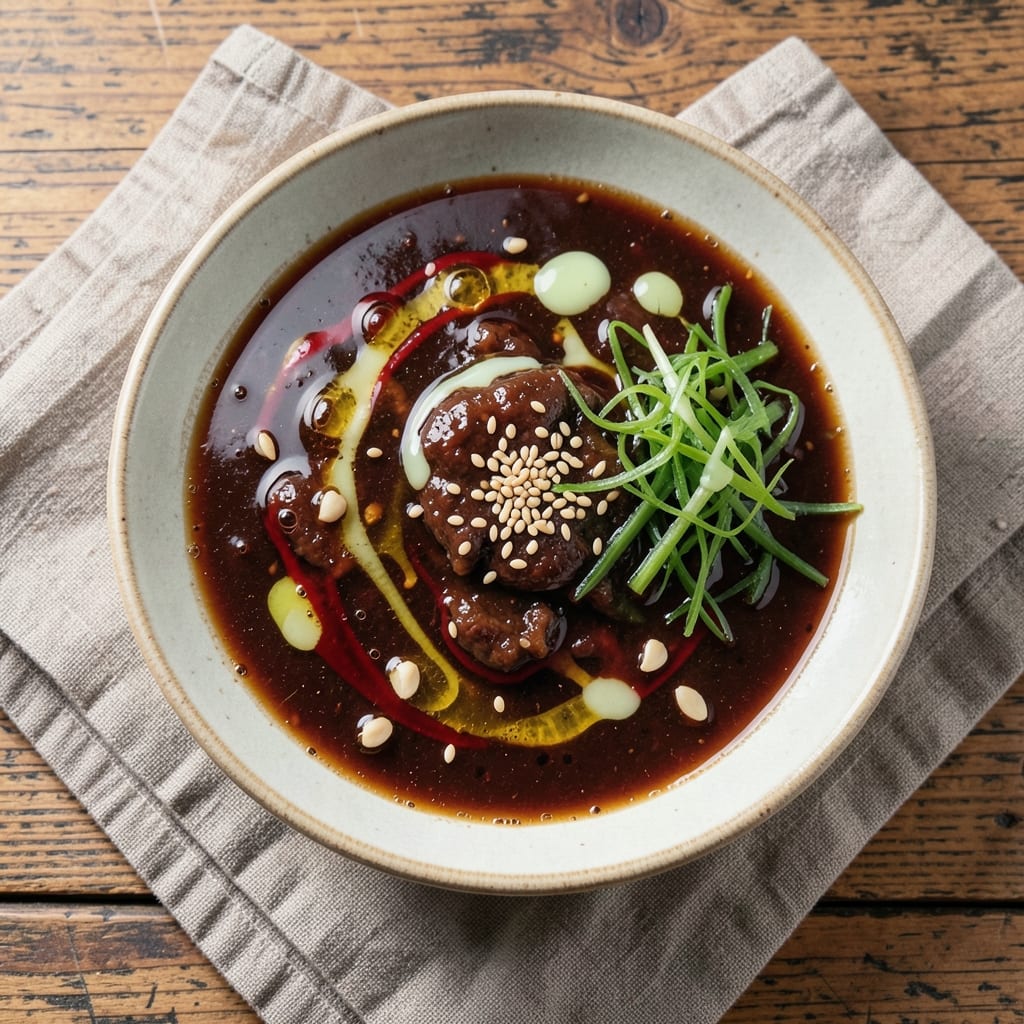
This Asian beef stir-fry sauce recipe transforms ordinary stir-fries into restaurant-quality meals with its deep umami flavor and perfect balance of sweet, salty, and tangy notes. The secret lies in a simple yet powerful combination of soy sauce, garlic, ginger, and oyster sauce—ingredients that work together to create a glossy, clingy sauce that coats every bite. I developed this recipe after years of testing different Asian sauces, and it’s now my go-to for quick weeknight dinners and marinades.
The sauce is incredibly versatile—use it as a stir-fry glaze, a marinade for beef or chicken, or even a dipping sauce for dumplings. The key to its success is simmering the ingredients just until they meld together, creating a rich, aromatic base that enhances any protein. With just a few pantry staples and 15 minutes of prep time, you’ll have a sauce that elevates simple ingredients into something extraordinary.
What makes this sauce stand out is its ability to stick to every piece of beef, creating a glossy finish that’s both visually appealing and packed with flavor. The sauce thickens slightly as it cools, making it ideal for meal prep—simply reheat and toss with your favorite stir-fry ingredients. Whether you’re cooking for a family dinner or a quick weeknight meal, this sauce delivers consistent, restaurant-quality results.
Store it in the refrigerator for up to a week or freeze it for longer shelf life, ensuring you always have a flavorful sauce on hand. The adaptability of this recipe means you can adjust the sweetness or heat to suit your taste, making it perfect for both traditional and modern dishes. Let’s get started!
Ingredients for asian beef stir fry sauce
Pantry staples plus fresh aromatics—this sauce delivers restaurant-quality flavor every time.
| Ingredient | Amount | Notes |
|---|---|---|
| Soy Sauce 🍶 | ½ cup | Light or dark preferred |
| Oyster Sauce 🦪 | ¼ cup | High-quality, thick variety |
| Honey 🍯 | 2 tbsp | Pure, light honey preferred |
| Rice Vinegar 🍶 | 2 tbsp | White or seasoned rice vinegar |
| Sesame Oil 🫒 | 1 tbsp | Toasted sesame oil for aroma |
| Garlic Cloves 🧄 | 4 cloves | Freshly minced for depth |
| Fresh Ginger 🌿 | 1 tbsp | Finely grated, peeled |
| Cornstarch 🌾 | 1 tsp | For thickening sauce |
| Water 💧 | ¼ cup | Room temperature preferred |
| Red Chili Flakes 🌶️ | ½ tsp | Adjust for heat preference |
The soy sauce is the backbone here—Kikkoman or Lee Kum Kee are my go-tos, but any good-quality brand works. Oyster sauce? Look for brands like Lee Kum Kee or Pearl River Bridge—they’ve got that rich, umami depth. Fresh ginger and garlic are non-negotiable for real flavor (frozen works in a pinch), but if you’re using dried, double the amount. The honey should be light—avoid thick, dark varieties that can overpower. For sesame oil, toasted is a must—it adds that nutty aroma that makes this sauce sing.
No oyster sauce? Substitute with 1 tbsp soy sauce plus 1 tbsp hoisin sauce—it won’t be identical, but close. Running low on cornstarch? Arrowroot powder works 1:1. Too much vinegar? Balance it with a pinch more honey. The sauce thickens as it cools, so if it’s too thin after simmering, mix 1 tsp cornstarch with 1 tbsp water and stir it in. For extra depth, I sometimes add 1 tsp fish sauce (if you’re avoiding it, use an extra ½ tsp soy sauce).
This sauce keeps for 1 week in the fridge—just store it in an airtight jar. For longer storage, freeze it in ice cube trays and pop out what you need. The flavor actually improves after a day or two as everything melds. Double the batch and freeze half—you’ll thank me later. Reheat gently on the stove or microwave until just warm. Perfect for tossing with beef, chicken, or even veggies.
Why You'll Love This Recipe
- Pantry Magic: I swear by this sauce—just five ingredients, no fancy shopping. The oyster sauce adds that deep umami punch while the honey cuts through the saltiness, and honestly? It’s the kind of thing I make when I’ve forgotten to buy anything else.
- Sweet-Salty Balance: That first bite of beef coated in this sauce? It’s the perfect marriage—salty from the soy, tangy from the vinegar, and just enough sweetness to make it irresistible. The sesame oil finishes it with a nutty aroma that lingers like a good memory.
- Meal Prep Hero: I double the batch every Sunday because it keeps for days in the fridge. Toss it with pre-cut veggies and frozen beef for a weeknight stir-fry that still tastes homemade. (Yes, even on a Tuesday night.)
- Budget Booster: Oyster sauce and soy sauce stretch forever, and a little sesame oil goes a long way. I’ve fed four people for under $10 with this—plus, the leftovers make killer takeout-style bowls the next day. My wallet and my taste buds thank me.
Step-by-step instructions for Asian beef stir fry sauce
This sauce comes together in minutes with simple ingredients you already have.
Prepare the Aromatics
In a small bowl, finely mince the 4 cloves garlic cloves and grate the 1 tablespoon fresh ginger using a microplane or fine grater. The goal is to create a paste-like texture that will dissolve smoothly into the sauce. I like to press the garlic with the flat side of my knife first to soften it before mincing—this makes it easier to work with and prevents those stubborn cloves from slipping.
Set these aside for now. The freshness of these aromatics makes all the difference in the final sauce. If you're using frozen ginger, thaw it first and drain any excess moisture, as water can dilute your sauce later.
Combine the Wet Ingredients
In a medium saucepan, combine the 0.5 cup soy sauce, 0.25 cup oyster sauce, 2 tablespoons honey, 2 tablespoons rice vinegar, and 0.25 cup water. Stir gently to integrate all the ingredients without creating bubbles. I always use a wooden spoon for this step—it won't scratch your pan like metal utensils can.
Place the saucepan over medium heat and bring to a gentle simmer. You'll see small bubbles form around the edges of the pan—that's your signal it's ready for the next step. Let it simmer uncovered for 3-4 minutes to allow the flavors to meld together. This is where the sauce starts to develop its complex umami depth.
Build the Sauce Base
Add the minced garlic and grated ginger to the simmering sauce. Stir constantly for 1-2 minutes until the raw aroma disappears and you can smell that fragrant, toasty garlic-ginger scent. This is important—don't walk away. Garlic burns quickly, and you want it to soften and infuse rather than turn bitter.
Next, stir in the 1 tablespoon sesame oil and 0.5 teaspoon red chili flakes. The sesame oil will add that nutty aroma that's so characteristic of Asian stir-fry sauces. If you're sensitive to heat, you can reduce the chili flakes to 0.25 teaspoon—just taste as you go. Let the sauce simmer for another 2-3 minutes until it thickens slightly and coats the back of a spoon.
Thicken the Sauce
In a small bowl, whisk together the 1 teaspoon cornstarch with 2 tablespoons of cold water until completely dissolved. This slurry is your thickening agent. Ladle about ¼ cup of the hot sauce into the cornstarch mixture and whisk vigorously to temper it—this prevents the cornstarch from clumping when it hits the hot sauce.
Return the tempered cornstarch mixture to the saucepan and stir constantly over medium-low heat for 1-2 minutes until the sauce thickens to a glossy, coatable consistency. You're looking for a sauce that's thick enough to cling to your beef but still flows smoothly. If it thickens too quickly, add another 1 tablespoon water to adjust the texture.
Finish and Test
Remove the sauce from heat and give it one final taste. Adjust the seasoning if needed—maybe a touch more soy sauce for saltiness, a splash of rice vinegar for brightness, or a pinch more chili flakes for heat. The sauce should be balanced with sweet, salty, tangy, and slightly spicy notes.
Let the sauce sit at room temperature for 5-10 minutes before using. This resting period allows the flavors to fully meld together. The sauce will thicken slightly more as it cools, so don't worry if it looks a bit runny right after you take it off the heat. Store any leftovers in an airtight container in the refrigerator for up to 1 week—it actually tastes better the next day as the flavors deepen.
Pro Tips For Making Asian Beef Stir Fry Sauce
- Simmer the Sauce: Bring the sauce to a gentle boil for 30 seconds, then reduce to the lowest heat possible—just enough to keep it bubbling softly. I used to rush this and end up with a flat, one-dimensional flavor. That quick simmer opens up the oyster sauce’s depth and lets the honey caramelize just enough to tie everything together. ---
- Taste Before Adding Honey: Mix the soy sauce, oyster sauce, and rice vinegar first, then taste—without the honey. The balance of salt and acid changes when you add sweetness, and you’ll know exactly how much honey to use. I learned this the hard way by overdoing it and ending up with a sauce that tasted like syrup. ---
- Whisk in Sesame Oil Last: Stir in the sesame oil right before serving, not during cooking. Heat destroys its delicate aroma, and you’ll lose that nutty, toasty punch that makes the sauce sing. Add it at the end, and it’ll coat the beef like a fragrant finish. ---
- Use Dark Soy Sauce for Color: Swap half the regular soy sauce for dark soy sauce—just a splash, about 1 teaspoon per tablespoon of soy. It adds a richer, deeper color without overpowering the flavor, and your stir-fry will look like it came from a wokhouse. (Yes, even if you’re cooking on a stovetop at home.)
Regional styles of asian beef stir fry sauce
Japanese Teriyaki Style
For a Japanese-inspired twist, reduce the honey to 1 tablespoon and add 1 tablespoon mirin plus 1 tablespoon sake to the wet ingredients. Use light soy sauce exclusively and simmer for an extra 2 minutes to caramelize the sugars. Finish with ½ teaspoon grated daikon radish for subtle sweetness and a touch of toasted sesame seeds for texture. This version pairs perfectly with thinly sliced ribeye or flank steak for authentic teriyaki flavor. 🍶
Thai-Inspired Chili Glaze
Transform this sauce into a Thai-style glaze by swapping honey for 2 tablespoons brown sugar and adding 1 tablespoon fish sauce plus 1 teaspoon palm sugar. Increase the red chili flakes to 1 teaspoon and stir in 1 tablespoon lime juice at the end. Garnish with cilantro leaves and crushed peanuts for texture. This bold, tangy sauce works beautifully with flank steak or chicken in a quick stir-fry. 🌶️
Korean Gochujang Twist
For a Korean-inspired kick, replace ½ teaspoon red chili flakes with 1 tablespoon gochujang paste and add 1 teaspoon toasted sesame seeds to the sauce. Use dark soy sauce for depth and finish with 1 teaspoon toasted sesame oil. This spicy-sweet sauce is perfect for bulgogi-style beef or quick stir-fried noodles. The gochujang adds a deep, fermented richness that elevates the dish. ✨
Vietnamese Nuoc Cham Fusion
Create a Vietnamese-inspired fusion by reducing the honey to 1 tablespoon and adding 1 tablespoon fish sauce plus 1 teaspoon sugar. Stir in 1 tablespoon lime juice and ½ teaspoon black pepper at the end. This tangy, aromatic sauce pairs wonderfully with grilled beef slices or rice noodles. The lime brightens the dish, while the fish sauce adds umami depth. 🍋
Chinese Five-Spice Adaptation
For a Chinese-inspired version, add ½ teaspoon ground five-spice powder to the wet ingredients and reduce the honey to 1 tablespoon. Use dark soy sauce and finish with ½ teaspoon toasted sesame oil. This aromatic sauce works beautifully with beef strips or quick stir-fried vegetables. The five-spice adds a warm, slightly sweet complexity that’s characteristic of Chinese cuisine. 🌿
Nutrition facts
Frequently asked questions
Can I make this sauce without oyster sauce?
Replace the ¼ cup oyster sauce with 1 tbsp soy sauce plus 1 tbsp hoisin sauce for a similar umami depth. If you don't have hoisin, use 2 tbsp extra soy sauce and add ½ tsp sugar to balance. The texture will be slightly thinner but still delicious.
How long does the sauce keep in the fridge?
This sauce stays fresh for up to 1 week when stored in an airtight container. The flavors actually improve after 24 hours as everything melds together. For longer storage, freeze it in ice cube trays—just pop out what you need and thaw in the fridge. Reheat gently on the stove or microwave until warm.
Why is my sauce too thin after simmering?
If your sauce is too runny, it likely needs more thickening. Mix 1 tsp cornstarch with 1 tbsp cold water and stir it into the sauce while simmering. For a quicker fix, add ½ tsp more cornstarch directly to the pan and stir vigorously. Remember, the sauce thickens further as it cools—don't over-thicken while hot.
Can I use this sauce for other proteins besides beef?
This versatile sauce works beautifully with chicken, shrimp, pork, or tofu. For seafood, reduce the soy sauce slightly (¼ cup instead of ½ cup) to avoid overpowering delicate flavors. The garlic-ginger base makes it perfect for marinades or glazes too—just adjust the thickness for your preferred consistency.
What's the best way to store leftover sauce?
Transfer leftovers to an airtight jar or container and refrigerate. The sauce will thicken more as it cools, so stir before using. For freezing, portion into ice cube trays—each cube makes a perfect single-use portion. Thaw in the fridge overnight and reheat gently. Avoid freezing in glass containers (they can crack).