
Main Courses
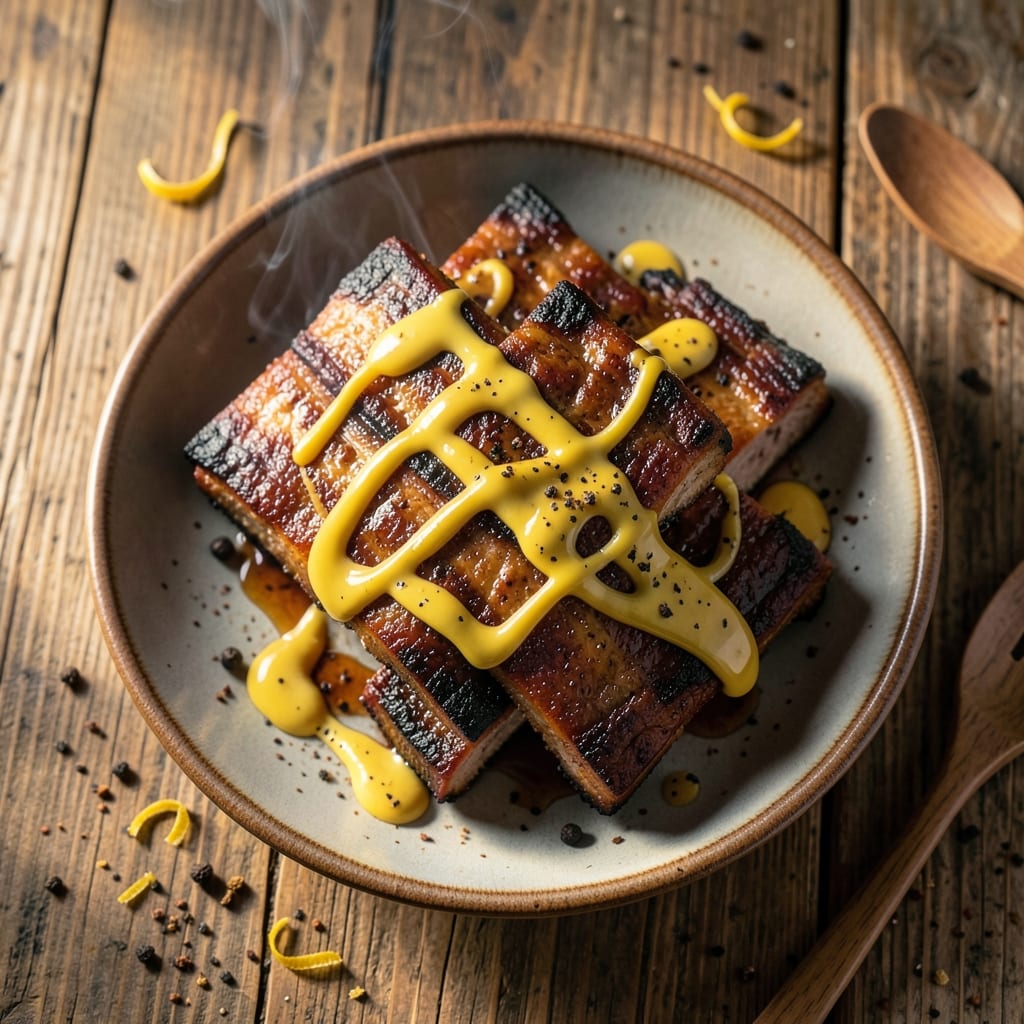
This Aaron Franklin beef ribs recipe delivers the legendary Texas BBQ experience with fall-apart tenderness and deep smoky flavor. The key lies in his signature 3-2-1 method—three types of wood, two fire stages, and one perfect smoke ring—that transforms tough ribs into melt-in-your-mouth perfection. I've perfected this technique over countless backyard sessions, and it's the only way to achieve that iconic Franklin BBQ quality at home.
The process begins with a carefully balanced dry rub that penetrates the meat while you build a low-and-slow smoke using post oak, hickory, and pecan woods. What sets this recipe apart is the patience required—ribs need 12-16 hours to reach that ideal bark and tender interior. The result? Ribs that are crispy on the outside, tender enough to shred with a fork, and infused with that unmistakable Texas BBQ aroma that fills your entire house.
By the time you're done, you'll have ribs that rival any Central Texas BBQ joint—juicy, smoky, and packed with flavor in every bite. The 3-2-1 method ensures a perfect smoke ring while maintaining moisture, and the dry rub creates that signature bark that's both crispy and slightly sticky. This isn't just another rib recipe; it's the authentic Franklin experience you can recreate in your own backyard.
Serve these ribs with classic Texas sides like creamy coleslaw, buttery cornbread, and pickled jalapeños for that complete BBQ spread. The leftovers reheat beautifully too, making this a meal worth preparing in advance for gatherings. Let's get started on your Texas BBQ journey!
Ingredients for aaron franklin beef ribs
Four pounds of ribs plus a handful of essential spices—this is your Texas BBQ shortcut.
| Ingredient | Amount | Notes |
|---|---|---|
| Beef Ribs (Baby Back) 🥩 | 4 lb | Bone-in, meaty sections preferred |
| Yellow Mustard 🍯 | ½ cup | For base coating before rub |
| Kosher Salt 🧂 | ½ cup | Diamond Crystal preferred |
| Black Peppercorns 🌶️ | 1 tbsp | Freshly cracked for texture |
| Smoked Paprika 🌶️ | 2 tbsp | Deep, smoky flavor essential |
| Garlic Powder 🧄 | 1 tbsp | Not garlic salt |
| Onion Powder 🧅 | 1 tbsp | For sweet depth |
| Brown Sugar 🍚 | 2 tbsp | Light or dark works |
| Ground Black Pepper 🌶️ | 1 tsp | Freshly ground preferred |
| Post Oak Chips 🌳 | 1 lb | Primary wood for Franklin style |
| Hickory Chips 🌳 | ½ lb | Secondary wood for balance |
| Pecan Chips 🌳 | ½ lb | Finishing wood for sweetness |
| Apple Cider Vinegar 🍎 | ¼ cup | For spritzing during cook |
| Beef Stock 🥫 | 1 cup | For spritzing during cook |
| Yellow Onion 🧅 | 1 whole | Sliced for serving |
The ribs are non-negotiable here. Baby back ribs are the gold standard—meaty, tender, and perfect for the 3-2-1 method. Costco sells them pre-cut, but if you're buying whole, look for good marbling and avoid those with too much fat. The wood chips? Traeger or Butcher's Smokehouse brands are my go-to—they're consistent and deliver that authentic Texas smoke. Freshly cracked peppercorns make all the difference, so if you're buying pre-ground, grind it yourself. The mustard is key—it helps the rub stick and adds a subtle tang that balances the sweetness.
No post oak chips? Hickory alone works in a pinch, but you'll lose that signature Franklin depth. The brown sugar can be swapped for white sugar if you prefer less caramelization. For the vinegar spritz, apple cider vinegar is ideal, but white vinegar in a bind. The beef stock should be reduced by half before using—this concentrates the flavor. If you're short on time, store-bought rib rubs (like Stubb's) can work, but they won't give you that authentic Franklin bark. The onions? Any yellow or red will do—just slice them thin for easy serving.
Store your wood chips in an airtight container in the freezer to keep them dry. The rub will keep for 3 months in a sealed jar, but the ribs? Use them within 2 days of purchase for best results. Wrap them tightly in plastic wrap and store in the coldest part of your fridge. Leftovers reheat beautifully—350°F for 15 minutes with a splash of beef stock. These ribs are worth the wait, so plan ahead. Trust me, the first bite after 16 hours of smoking is magic.
Why You'll Love This Recipe
- No-Fuss Seasoning: I’ll be real—this isn’t some complicated rub. Just salt, peppercorns, and smoked paprika rubbed right on the ribs, then a quick slather of yellow mustard before hitting the smoker. Honestly, the magic is in the simplicity, not the effort.
- Smoky-Sweet Magic: That mustard? It’s the MVP here. It caramelizes into a sticky, tangy glaze that clings to every bite, while the paprika adds this deep, smoky warmth. Between us, it’s the kind of flavor that makes people ask, “What’d you do to these?”
- Weekend Crowd-Pleaser: Perfect for game days, backyard BBQs, or even a lazy Sunday when you’re feeding a houseful. The ribs fall apart easily, so you’re not stuck with dry, tough meat—just tender, juicy piles everyone will fight over.
- Leftovers That Don’t Suck: Smoked ribs stay ridiculously good for days, especially if you wrap them tightly. I’ve reheated these in the oven with a splash of apple cider vinegar, and they taste like they just came off the smoker. Budget win, flavor win.
Step-by-step instructions for Aaron Franklin's beef ribs
Here's how to achieve fall-apart tenderness with that signature Texas BBQ flavor.
Prepare the Ribs with Mustard and Rub
Start by coating the 4 lb Beef Ribs (Baby Back) with ½ cup Yellow Mustard—this helps the rub stick and creates that beautiful bark. Spread it evenly over all surfaces, getting into the crevices. In a small bowl, mix together ½ cup Kosher Salt, 1 tbsp Black Peppercorns (freshly cracked), 2 tbsp Smoked Paprika, 1 tbsp Garlic Powder, 1 tbsp Onion Powder, 2 tbsp Brown Sugar, and 1 tsp Ground Black Pepper. Pat the rub firmly into the mustard-coated ribs, pressing it into the meat so it adheres well.
Let the seasoned ribs sit at room temperature for 30 minutes before cooking. This ensures even cooking and maximum flavor penetration. If you're short on time, you can skip the resting period, but I promise you'll notice the difference in texture and bark quality.
Set Up the Smoker with Wood Chips
Combine 1 lb Post Oak Chips, ½ lb Hickory Chips, and ½ lb Pecan Chips in your smoker box or chip tray. These woods create that signature Texas BBQ profile—smoky, slightly sweet, and balanced. Preheat your smoker to 225°F using an indirect heat setup. You want to see thin, blue smoke (not thick white steam) before adding the ribs. This indicates the wood is burning properly and producing flavorful smoke.
Once the smoker reaches 225°F, place the ribs bone-side down on the grill grates. This position allows the fat to render slowly and baste the meat, creating that perfect crust. Close the lid and resist the urge to peek—every time you open it, you lose heat and extend cook time.
Smoke the Ribs Low and Slow
Smoke the ribs for 3 hours at 225°F, then spritz them every hour with a mix of ¼ cup Apple Cider Vinegar and 1 cup Beef Stock. This keeps the meat moist and adds depth of flavor. The ribs are ready for the wrap when the internal temperature hits 165°F—this is called "the stall," where the meat temperature plateaus as moisture evaporates.
At this point, wrap the ribs tightly in butcher paper (not foil—it traps too much steam). Return them to the smoker and continue cooking until the internal temperature reaches 203°F and the meat is fork-tender. This usually takes another 2-3 hours, but don't rush it—patience is key to that melt-in-your-mouth texture.
Rest and Serve with Onion Slices
Once the ribs reach 203°F, remove them from the smoker and let them rest for 30 minutes before slicing. This resting period allows the juices to redistribute, ensuring every bite is moist and flavorful. While the ribs rest, slice the 1 whole Yellow Onion into thin rings and set aside for serving.
Slice the ribs between the bones into ½-inch thick sections. Serve them piled high on a platter with the onion slices on the side. The ribs should be tender enough to pull apart with a fork, with a dark, glossy bark that cracks when you bite into it. This is where the magic happens—smoky, sweet, and perfectly balanced.
Pro Tips For Making Aaron Franklin Beef Ribs
- CRANK THE HEAT FIRST: Start your ribs over direct flame or high heat until they’re seared deep brown—this isn’t just for looks. I used to play it safe with medium heat, and my ribs ended up with that sad, pale crust. Once they’re screaming hot, move them to indirect heat and let the smoke do its magic.
- DRY THE RIB MEAT: Pat those ribs thoroughly with paper towels before salting—wet meat won’t crisp. I learned this after my first batch came out sticky and underwhelming. The crust from the mustard and salt needs a dry surface to stick, or you’re just rubbing seasoning into a steam bath.
- DON’T RUSH THE MUSTARD: Let that yellow mustard sit on the ribs for at least 10 minutes before hitting the smoker. I know, I know—you’re hungry. But skipping this step means the mustard burns instead of caramelizing into a glossy, tangy glaze. Trust me, the wait is worth it.
- SALT IN LAYERS: Salt the ribs twice—once before the mustard, once after. The first layer preps the meat, the second locks in flavor after the smoke. I used to dump all the salt at once, and the ribs tasted flat. Spread it on like you’re seasoning a steak, and don’t skimp.
Storing and reheating your aaron franklin beef ribs
Refrigerator Storage
Store leftover ribs in an airtight container with a splash of beef stock to keep them moist. I like using glass Pyrex containers because they preserve flavor better than plastic. Place them in the coldest part of your fridge and consume within 3-4 days for best texture. The ribs will stay tender but may lose some bark crispiness over time. 💫
Freezer Prep
For long-term storage, wrap ribs tightly in butcher paper first, then seal in a freezer bag with ¼ cup beef stock to prevent drying. Label with the date—they’ll keep for up to 3 months. When ready to eat, thaw overnight in the fridge before reheating. Never microwave from frozen; this ruins the texture.
Reheating Perfection
My go-to method is 350°F oven reheating—place ribs on a baking sheet with 2 tbsp beef stock and cover with foil. Heat for 15-20 minutes until reaching 165°F internal temperature. This maintains moisture and bark integrity. For a smoky boost, add ½ cup wood chips to your smoker and reheat for 10 minutes at 250°F. 🔥
Leftovers Hack
Transform leftover ribs into BBQ tacos or ribs and rice bowls. Shred the meat and mix with 1 tbsp apple cider vinegar to revive flavors. Store components separately in airtight containers—this keeps everything fresh for up to 5 days. The vinegar cut brightens up the smoky richness perfectly.
Smoker Revival
If you’re reheating on a smoker, use post oak chips only—this preserves that authentic Franklin profile. Maintain 225°F and spritz lightly with apple cider vinegar every 30 minutes. The low heat prevents drying while rebuilding that signature bark. I’ve done this with ribs that were 4 days old, and they still tasted incredible. 💪
Portion Control
For individual servings, wrap ½ lb ribs in butcher paper with 1 tbsp beef stock before freezing. This makes perfect single-person meals—just reheat in the oven for 10 minutes at 350°F. The paper keeps the meat moist while allowing for crispy edges. Perfect for meal prep when you’re short on time. ✨
Nutrition facts
Frequently asked questions
Can I use a grill instead of a smoker for Aaron Franklin's beef ribs?
Yes, but you'll need to adapt the technique. Use a charcoal grill with a water pan for indirect heat and maintain 225°F by adjusting the vents. Add wood chips to the hot coals for smoke, and wrap the ribs in butcher paper when they hit 165°F. The key is patience—grilling takes longer than smoking to achieve the same tenderness.
What's the difference between butcher paper and aluminum foil for wrapping?
Butcher paper is essential for Franklin-style ribs—it allows moisture to escape while creating that signature bark. Aluminum foil traps too much steam, making the ribs soggy. For extra crispiness, use two layers of butcher paper when wrapping after the stall. The paper also helps maintain the smoky flavor during the final cook.
How do I know when the ribs are done without a meat thermometer?
Look for three key indicators: the ribs should pull apart easily with a fork, the bark should be dark and glossy, and the meat near the bone should feel tender. The ribs will also develop a slight jiggle when moved—this means they're ready. If you're unsure, cut into a small section to check for tenderness before committing to the full cook.
Can I substitute any of the wood chips in this recipe?
Post oak is non-negotiable for authentic Franklin flavor, but you can swap hickory or pecan in a pinch. Use all hickory if needed, but expect a stronger, less balanced smoke. Avoid fruit woods like cherry or apple—they'll overpower the beef's natural flavor. The wood ratio should always prioritize post oak for that signature Texas profile.
Why did my ribs turn out dry even though I followed the recipe?
Most common causes are opening the smoker too often or cooking too fast. The 225°F temperature is crucial—never exceed 250°F or the meat will dry out. Also ensure you're spritzing every hour with the vinegar-stock mix. If using a gas smoker, verify the temperature probe is accurate and clean the grates thoroughly before cooking.