Side Dishes
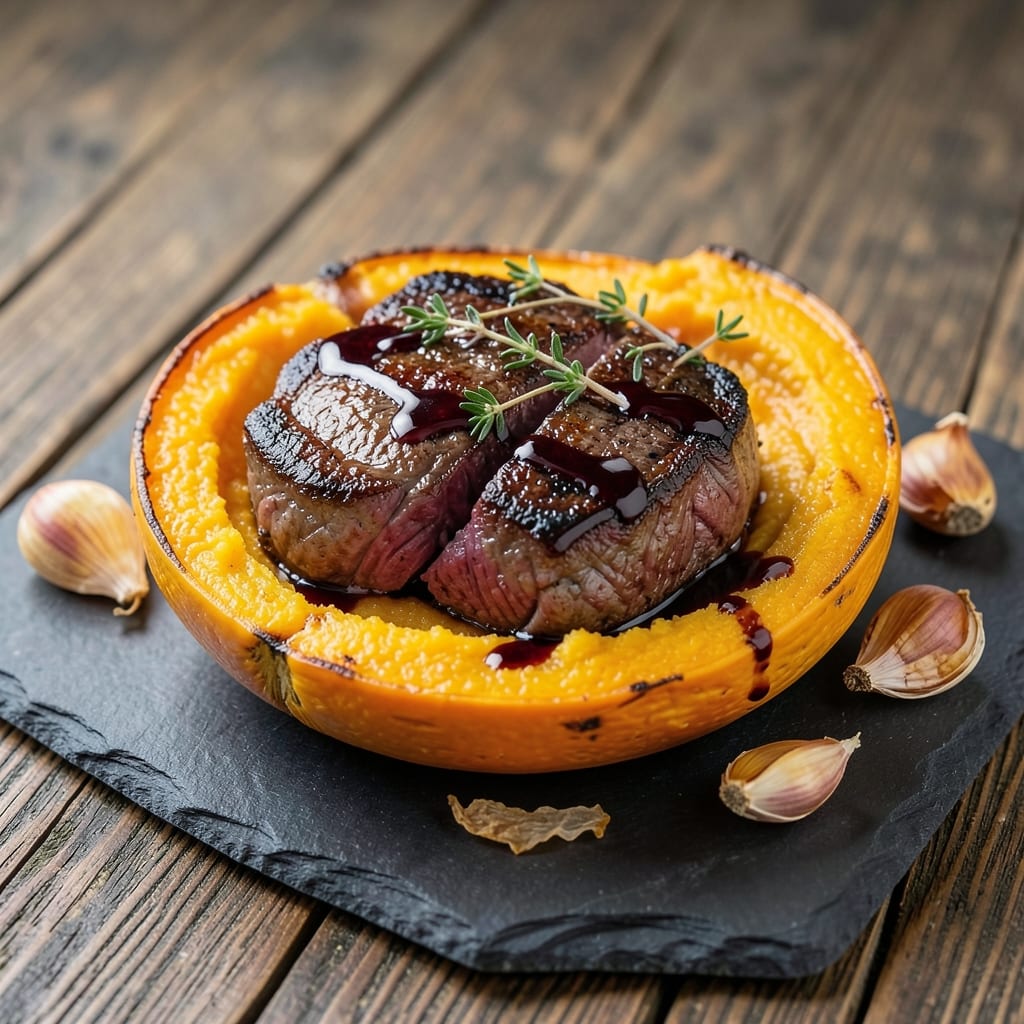
This acorn squash beef recipe transforms humble ingredients into a restaurant-worthy dinner that balances sweet caramelized squash with rich, savory beef. The secret lies in roasting the squash until tender and golden—its natural sugars deepening into a honeyed richness—while the beef develops a perfect crust through slow braising or quick searing. I developed this dish after years of experimenting with seasonal squash pairings, and the contrast of flavors never fails to impress.
The beauty of this recipe is its versatility—whether you prefer a tender braised beef with deep umami or a quick-grilled steak with smoky char, the preparation adapts to your schedule. The squash, halved and roasted cut-side down, becomes so tender it practically melts, while the beef stays juicy and flavorful. What makes this dish truly special is how the two components complement each other: the sweetness of the squash cuts through the richness of the beef, creating a harmonious balance that feels both comforting and elegant.
By the time you plate this dish, you’ll have a golden, glossy squash with edges that crisp slightly when cut, paired with beef that’s either fall-apart tender or perfectly seared, depending on your method. The aroma alone—warm squash mingling with savory beef—will have everyone at the table anticipating the first bite. This isn’t just a side dish and a main; it’s a complete, cohesive meal that feels like a chef’s creation without the fuss.
Serve with a sprinkle of toasted pecans or a drizzle of balsamic reduction to elevate the flavors further. The squash’s natural sweetness pairs beautifully with a simple arugula salad dressed in lemon vinaigrette, while the beef stands up to hearty grains like farro or wild rice. Let’s bring this steakhouse-worthy dish to your table—easy to prepare, impossible to resist.
Ingredients for acorn squash beef
Sweet roasted squash meets perfectly seared beef—this restaurant-worthy dinner starts with just 14 ingredients.
| Ingredient | Amount | Notes |
|---|---|---|
| Acorn Squash 🎃 | 2 whole | Medium-sized, halved lengthwise |
| Ribeye Steak 🥩 | 1 ½ lb | 1-inch thick, bone-in preferred |
| Olive Oil 🫒 | ½ cup | Extra-virgin, for roasting |
| Brown Sugar 🍯 | 2 tbsp | Light or dark variety |
| Balsamic Vinegar 🍷 | 1 tbsp | Aged, for glaze |
| Garlic Cloves 🧄 | 6 cloves | Minced, fresh preferred |
| Rosemary 🌿 | ½ tsp | Fresh, finely chopped |
| Thyme 🌿 | ½ tsp | Fresh, leaves only |
| Salt 🧂 | 1 ½ tsp | Diamond Crystal kosher |
| Black Pepper 🌶️ | 1 tsp | Freshly cracked |
| Beef Broth 🍲 | ½ cup | Low-sodium, homemade or quality |
| Red Wine 🍷 | ¼ cup | Bold, dry variety like Cabernet |
| Pecans 🥜 | ¼ cup | Toasted, chopped for garnish |
| Fresh Thyme 🌿 | 2 sprigs | For beef braising |
The acorn squash is the star here, so grab the heaviest ones you can find—they’re sweeter and more tender. Whole Foods or local farms often carry the best quality, but any grocery store’s produce section will work. Look for squash that feels dense and heavy for its size, with a hard, unblemished skin. If you’re prepping ahead, store whole squash in a cool, dark place for up to 3 months. Once halved, keep them airtight in the fridge for 5 days. For the beef, ribeye is ideal—its marbling ensures juiciness, but sirloin works too if you prefer a leaner cut. Buy it the day you plan to cook to keep it at peak freshness.
No acorn squash? Butternut or kabocha work beautifully as substitutes—they caramelize just as well. Short on red wine? Beef broth with a splash of balsamic delivers the same depth. Fresh herbs wilt fast, so dried thyme at one-third the amount is a solid swap. The pecans can be skipped if you’re watching calories, but they add a lovely crunch and nutty contrast. For the beef, if you’re short on time, sear it hot and fast for a crust, then finish in the oven. If you’re braising, low and slow wins—just don’t rush it. The squash’s natural sweetness will shine either way.
Roast the squash cut-side down for 45-50 minutes at 400°F—it’s done when the edges are caramelized and tender. The beef? Sear it in a screaming-hot skillet for 3-4 minutes per side for medium-rare, then rest for 10 minutes before slicing. Leftovers? The squash reheats beautifully in the microwave, while the beef tastes even better the next day if you let it sit at room temp for 30 minutes before slicing. Store components separately—the squash keeps 5 days in the fridge, and the beef 3-4 days. Freeze the beef for up to 3 months if you’re planning ahead.
Why You'll Love This Recipe
- One-Pan Magic: I swear by this—halve the squash, roast it alongside the steak, and boom, zero extra dishes. The caramelized edges on the squash? They practically fall off the fork, and the steak gets that perfect crust from the same pan.
- Sweet-Savory Crunch: That brown sugar glaze on the squash while the balsamic reduces into a sticky glaze—it’s like dessert and dinner had a baby. The ribeye stays juicy, but the contrast of the smoky, slightly charred squash? Ridiculously addictive.
- Weeknight to Dinner Party: Between us, I’ve served this to friends who thought it was a restaurant dish. The squash holds up for days (yes, even reheated), and the steak’s rich flavor means it’s just as welcome on a lazy Tuesday as it is when company’s over.
- Budget-Friendly Luxe: Ribeye feels fancy, but the squash and balsamic stretch the meal like crazy. Double the recipe, save half for lunches—no sad leftovers here. Honestly, it’s my go-to when I want to splurge a little without breaking the bank.
Step-by-step instructions for acorn squash beef
Here's how to balance rich beef with caramelized squash for a showstopping main course.
Roast the Acorn Squash Until Tender
Preheat your oven to 400°F. Cut the 2 whole acorn squash lengthwise and scoop out seeds, leaving a ¼-inch thick shell. Brush the flesh generously with 0.25 cup olive oil and sprinkle evenly with 1 tsp salt, 0.5 tsp rosemary, and 0.5 tsp thyme. Place cut-side down on a parchment-lined baking sheet.
Roast for 45-50 minutes until the flesh is fork-tender and edges are caramelized. You'll know it's done when the skin is slightly blistered and the squash yields easily to gentle pressure. Remove from oven and let cool slightly before scooping out the flesh into a bowl.
Sear the Ribeye with Perfect Crust
Pat the 1.5 lb ribeye steak dry with paper towels and season both sides aggressively with remaining 0.5 tsp salt and 0.5 tsp black pepper. Heat 0.25 cup olive oil in a heavy skillet over high heat until shimmering.
Sear the steak for 3-4 minutes per side for medium-rare, flipping only once. The crust should be deep golden brown with grill marks. Remove steak and let rest on a cutting board for 10 minutes - this crucial step prevents dry meat. Keep the skillet warm for the next step.
Create the Balsamic-Glazed Reduction
In the same skillet, reduce heat to medium and add 6 cloves minced garlic, cooking for 30 seconds until fragrant. Pour in 0.25 cup red wine and scrape up browned bits with a wooden spoon. Let it reduce by half (2-3 minutes), then add 0.5 cup beef broth and 2 tbsp brown sugar. Simmer for 5 minutes until slightly thickened.
Stir in 1 tbsp balsamic vinegar and remove from heat. The sauce should coat the back of a spoon with a glossy sheen. Taste and adjust seasoning - the wine and vinegar should brighten the rich beef flavors beautifully.
Assemble the Sweet-Savory Dish
Slice the rested ribeye against the grain into ½-inch thick portions. Spoon the roasted acorn squash onto plates, creating a nest shape. Arrange steak slices over the squash, then ladle the warm reduction generously over both components.
Garnish with toasted, chopped pecans and 2 sprigs fresh thyme for visual contrast. The pecans add crunch while the thyme echoes the herb notes from the squash. Serve immediately while the steak is still juicy and the squash maintains its caramelized edges.
Pro Tips For Making Acorn Squash Beef
- CRISP THE SQUASH: My grandmother swore by this: Cut the acorn squash halves face-down on a baking sheet, then roast them skin-side up at 400°F (200°C) for 20 minutes before flipping. The skin crisps into a caramelized shield that keeps the flesh from drying out—no peeling required, and it adds texture that plain roasting misses.
- SEAR THE STEAK HOT: That ribeye won’t develop a proper crust if your pan’s lukewarm. Heat a heavy skillet (cast iron, if you’ve got it) until a drop of water sizzles and evaporates instantly, then add just enough olive oil to coat the bottom—about 2 tablespoons. Let the steak sit in the pan for a full 2 minutes per side before moving it; that’s when the Maillard reaction does its magic.
- SAVE THE BALSAMIC JUICES: After deglazing the pan with balsamic vinegar, don’t pour that sticky reduction down the drain. Instead, whisk it into the brown sugar glaze after it’s thickened. The acid cuts through the sweetness, and you’ll end up with a glossy, balanced sauce that clings to the steak instead of pooling on the plate.
- SALT THE SQUASH INSIDE: Acorn squash flesh is dense—if you only salt the cut sides, the center stays bland. Use a spoon to scoop out a little pulp from each half, sprinkle it with ½ teaspoon of salt, then pack it back in. The salt infuses while it roasts, giving you flavor all the way through without making the exterior soggy. (Yes, it’s weird, but it works.)
Dietary considerations for this recipe
Gluten-Free Adaptations
This recipe is naturally gluten-free—no modifications needed for the squash or beef components! The balsamic reduction and beef broth are safe as long as you use certified gluten-free brands like Annie's or Pacific Foods. Always double-check labels on spices and broths, as some contain hidden gluten. The toasted pecans and fresh herbs also remain gluten-free, making this dish perfect for those avoiding gluten. 🌾
Low-Carb Considerations
For a low-carb version, reduce the squash portion to just 1 whole squash (halved) instead of two. The natural sweetness still shines while keeping carbs in check. The ribeye steak is already zero-carb, and the balsamic reduction can be made with sugar-free balsamic glaze (like Bragg) instead of brown sugar. Garnish with extra pecans for healthy fats instead of additional carbs. 🥑
Vegetarian Swap
While this recipe features beef, you can make it vegetarian by replacing the ribeye with portobello mushrooms (marinated in balsamic and garlic) or extra-firm tofu (pan-seared with smoked paprika). The acorn squash remains the star, and the balsamic reduction works beautifully with either substitute. For a heartier option, add crispy chickpeas or seitan strips for protein. 🌱
Protein Variations
Swap the ribeye for other cuts like sirloin (leaner, faster cook) or chuck roast (ideal for slow braising). For poultry lovers, bone-in chicken thighs work well—brine them first for extra juiciness. If you prefer seafood, salmon fillets (seared with lemon and dill) pair beautifully with the caramelized squash. Adjust cooking times and temperatures accordingly. 🍗
Allergen-Friendly Tips
For nut-free diets, omit the pecans and garnish with toasted pumpkin seeds instead. If you have a dairy allergy, ensure your beef broth is dairy-free (most are, but check labels). For soy-sensitive cooks, avoid soy-based marinades and stick to olive oil, garlic, and herbs for seasoning. Always verify ingredient sources—cross-contamination can be a risk in shared kitchens. 🚫
Nutrition facts
Frequently asked questions
Can I substitute butternut squash for acorn squash in this recipe?
Butternut squash works beautifully and has a slightly sweeter, nuttier flavor that pairs wonderfully with the beef. Just adjust the roasting time—it may need 5-10 extra minutes at 400°F since its flesh is denser. The texture will be similar, though butternut has a creamier consistency when cooked.
How do I know when the beef is perfectly cooked?
For medium-rare (the ideal doneness for ribeye), use a meat thermometer to check for 130-135°F internal temperature. If you don’t have one, press the steak gently with your finger—it should feel springy like pressing a tennis ball. For medium, aim for 140-145°F. Always let the beef rest for 10 minutes before slicing to retain juices.
What’s the best way to reheat leftovers?
Reheat the beef gently in a skillet over low heat with a splash of beef broth to keep it moist—never microwave it directly. For the squash, warm it in the oven at 350°F for 10-15 minutes, covered with foil, to restore its caramelized edges. Avoid reheating the balsamic reduction—it’s best fresh over warm components.
Can I make this dish ahead of time?
Yes! Prep the squash and beef separately up to 1 day ahead. Roast the squash fully, then refrigerate it in its shell. For the beef, sear it and refrigerate in a sealed container. Reheat the squash in the oven, and warm the beef in a skillet with a splash of broth. Assemble just before serving to keep everything vibrant and flavorful.
What sides pair best with this dish?
Arugula salad with lemon vinaigrette cuts through the richness beautifully, while farro or wild rice adds heartiness. For extra contrast, try roasted Brussels sprouts or a simple green bean almond salad. The key is balancing the sweetness of the squash with something bright and acidic or earthy.