Main Courses
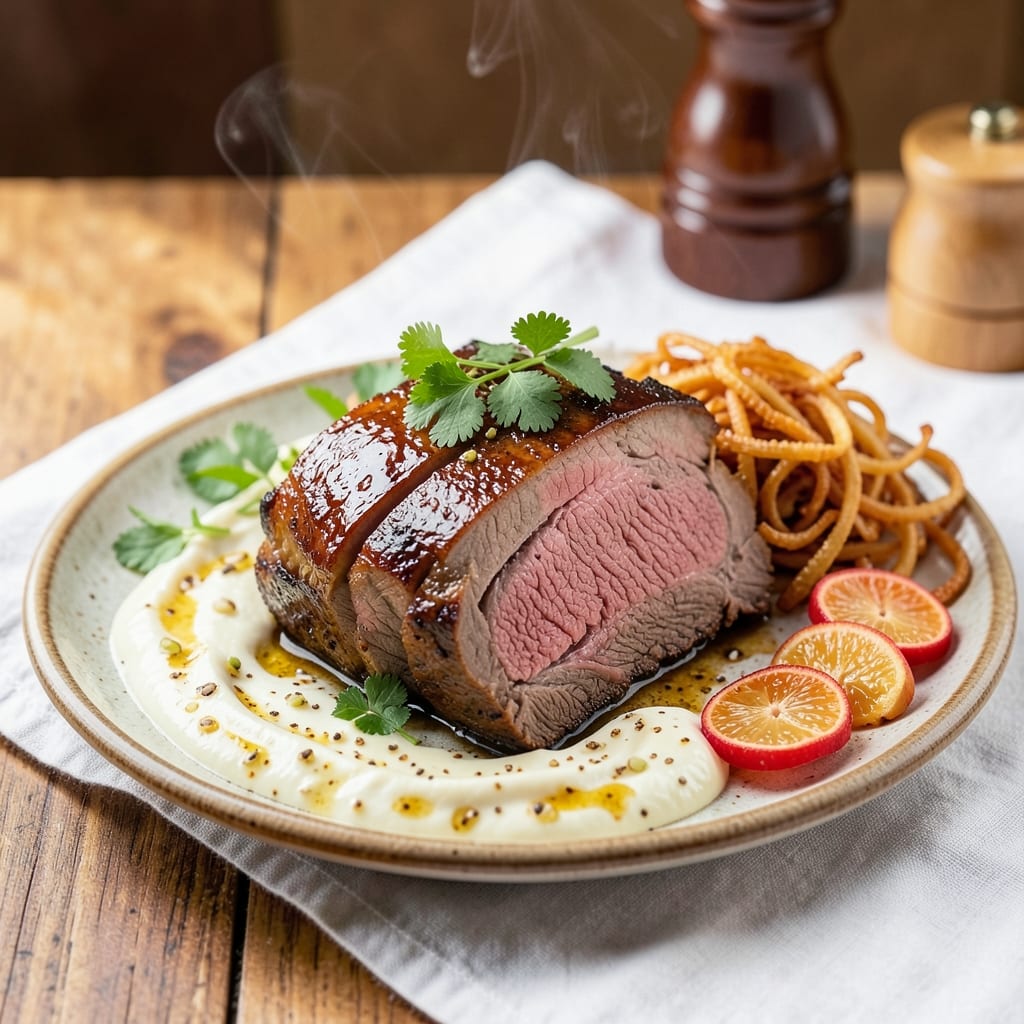
This African roast beef recipe transforms tough cuts into melt-in-your-mouth perfection through a spiced yogurt marinade and slow braising technique. 🔥 The secret lies in blending yogurt with aromatic spices like berbere or mitmita, creating a tender, flavorful crust that locks in juices. I developed this method after years of perfecting Ethiopian and Yemeni roasting traditions—now you can achieve restaurant-quality results at home with minimal effort.
The beauty of this dish is its versatility—whether you're serving it at a family gathering or a special dinner, the rich tomato-yogurt sauce elevates every bite. We start with a 3-hour low-and-slow roast at 325°F, ensuring the beef stays juicy while developing deep, caramelized flavors. The marinade not only tenderizes but also creates a sticky, aromatic crust that's impossible to resist.
By the time you serve it, you'll have perfectly tender, deeply flavored beef with a sauce so rich it clings to every slice. The dish pairs beautifully with traditional sides like ugali, grilled vegetables, or a fresh salad. This recipe is designed to impress while staying true to its cultural roots—bold, comforting, and full of character.
Ready to master this technique? The key is patience and proper seasoning—no shortcuts here, just restaurant-quality results you'll want to recreate again and again. Let's get started on creating a dish that tastes like a celebration.
Ingredients for african roast beef
Sixteen ingredients transform tough beef into restaurant-worthy tenderness through bold spices and slow braising.
| Ingredient | Amount | Notes |
|---|---|---|
| Beef Chuck Roast 🥩 | 4 lb | Tough cut for braising, trimmed of excess fat |
| Plain Whole Milk Yogurt 🍶 | 1 ½ cups | Greek or regular, unsweetened |
| Berbere Spice Blend 🌶️ | 3 tbsp | Ethiopian chili-spice mix, or substitute mitmita |
| Ground Cumin 🌿 | 1 ½ tbsp | Toasted for deeper aroma |
| Garlic Cloves 🧄 | 8 cloves | Peeled, smashed for marinade |
| Fresh Ginger 🌿 | 2 tbsp | Grated, for zesty brightness |
| Tomato Paste 🍅 | ½ cup | High-quality, no salt added |
| Onion 🧅 | 1 whole | Yellow, diced for sauce |
| Red Bell Pepper 🌶️ | 1 whole | Diced, for sweetness |
| Fresh Cilantro 🌿 | ¼ cup | Chopped, for fresh finish |
| Olive Oil 🫒 | ¼ cup | Extra-virgin for richness |
| Beef Broth 💧 | 2 cups | Low-sodium, homemade preferred |
| Salt 🧂 | 1 ½ tsp | Kosher, adjust to taste |
| Black Peppercorns 🌶️ | 1 tsp | Freshly cracked |
| Cardamom Pods 🌿 | 4 whole | Lightly crushed for aroma |
The beef cut is everything here—chuck roast has the perfect marbling for rich flavor and tender results. Look for a piece with good fat distribution at your local butcher or Whole Foods meat counter. If you can't find berbere spice (it's a specialty blend with fenugreek, coriander, and cardamom), mitmita from Yemeni markets works beautifully. For the yogurt, Fage Greek yogurt adds thickness, but regular plain yogurt works too—just stir it longer to dissolve the marinade spices. The ginger and garlic need to be fresh—no powdered substitutes here.
No berbere? Mix 1 tbsp paprika, 1 tsp each of coriander, fenugreek, and cumin for a DIY version. Running low on beef broth? Chicken broth with 1 tbsp soy sauce works in a pinch (though purists will notice the difference). The tomato paste can be swapped for 1 can crushed tomatoes, but you'll lose that intense umami concentration. For the bell pepper, red or orange works—green adds bitterness. Cardamom pods can be omitted if unavailable, but the aroma is worth hunting down at Middle Eastern markets or bulk spice shops.
This dish tastes even better the next day—3-4 days in the fridge is ideal for flavor development. Portion into containers with sauce for easy lunches, or freeze for up to 3 months in airtight containers. The sauce thickens as it cools, so add a splash of water or broth when reheating. For serving, garnish with extra cilantro and a drizzle of high-quality olive oil. The leftovers reheat beautifully—just warm gently on the stove with a splash of broth to loosen the sauce.
Why You'll Love This Recipe
- One-Pot Magic: I swear by this recipe when I’m too tired to scrub pots. The yogurt marinade does all the work—just rub it on the roast, toss in a few spices, and let the oven handle the rest. No chopping, no fuss, just hands-off flavor.
- Spice Bomb Delight: That berbere blend? It’s the star. Smoky, slightly sweet, with a kick that lingers—like a warm hug for your taste buds. The cumin and garlic tie it all together, making every bite feel like a little vacation.
- Leftover Hero: This roast actually improves the next day. Shred it for wraps, toss it in pasta, or pile it high on toast with a fried egg. Honestly, I’ve made it twice in a row just because the leftovers are too good to ignore.
- Budget Stretch: A chuck roast is my wallet’s best friend—affordable, forgiving, and packed with flavor. The yogurt marinade stretches it further, and the spices cost pennies. Feed four for dinner, then have leftovers for lunch without breaking the bank.
Step-by-step instructions for African roast beef with yogurt-tomato braise
Here's how to transform tough chuck roast into melt-in-your-mouth perfection using Ethiopia's signature spiced yogurt technique.
👨🍳 Step 1: Create the Spiced Yogurt Marinade
In a medium bowl, whisk together the 1.5 cups plain whole milk yogurt, 3 tbsp berbere spice blend, 1.5 tbsp ground cumin, 1.5 tsp salt, and 1 tsp freshly cracked black peppercorns. The berbere will give you that signature Ethiopian heat while the yogurt tenderizes the meat. You'll notice the mixture thicken slightly as the spices bloom.
Add the 8 smashed garlic cloves and 2 tbsp grated fresh ginger, mixing until fully incorporated. This aromatic base is where all the magic begins. Let the marinade sit at room temperature for 15 minutes while you prepare the roast - this allows the spices to fully meld and develop their complex flavors.
🍳 Step 2: Sear and Braise the Roast
Heat a Dutch oven over medium-high heat and add 0.25 cup olive oil. Once shimmering, carefully add the 4 lb beef chuck roast and sear on all sides until deeply browned - about 5-6 minutes per side. Don't rush this step; those caramelized crusts will form the flavor foundation.
Remove the roast and set aside. In the same pot, add the 1 whole diced onion, 1 whole diced red bell pepper, and 0.5 cup tomato paste. Cook for 3-4 minutes until the onions soften and the tomato paste darkens slightly. Here's where it gets good - pour in the yogurt marinade and stir vigorously to combine with the fond at the bottom of the pot.
🥘 Step 3: Build the Braising Liquid
Return the roast to the Dutch oven and pour in the 2 cups beef broth. Add the 4 lightly crushed cardamom pods and bring everything to a gentle simmer. The liquid should just cover about two-thirds of the roast. This is crucial - you want enough liquid to braise but not so much that the meat poaches.
Cover the pot and transfer to a 325°F oven. Here's the thing - this low temperature is what transforms tough chuck into tender perfection. Braise for 3 hours, then carefully flip the roast and continue cooking for another 30 minutes. You'll know it's ready when a fork slides in like butter with no resistance.
⏰ Step 4: Rest and Finish
Remove the roast from the oven and transfer it to a cutting board. Tent loosely with foil and let it rest for 30 minutes - this is non-negotiable. During this time, skim any excess fat from the braising liquid and return it to the pot. Strain the liquid through a fine-mesh sieve to remove any impurities, then return it to the pot.
Return the pot to medium-low heat and simmer until the sauce thickens slightly - about 5-7 minutes. Stir in the 0.25 cup chopped fresh cilantro just before serving. The sauce should coat the back of a spoon with a velvety texture. Slice the roast against the grain into ½-inch thick pieces and serve with the rich spiced sauce ladled over the top.
Pro Tips For Making African Roast Beef
- Sear the Roast First: Don’t skip this—high heat for 3-4 minutes per side builds flavor. I used to rush it, but that’s when the berbere and cumin just sit on top like dust. A deep caramelized crust locks in those spices when you later braise. ---
- Bloom the Berbere: Heat your oil until shimmering, then add the berbere and cumin before the garlic. Let them sizzle for 30 seconds—this wakes up their aroma. I learned this the hard way after a batch tasted flat; the spices need to sing before they hit the meat. ---
- Yogurt First, Not Last: Mix the yogurt into the sauce after the roast has cooked down for 30 minutes. Adding it too early turns the braising liquid into a thin, watery mess. Wait until the beef’s juices have rendered—then stir in the yogurt for that creamy, tangy finish. ---
- Check Internal Temp Twice: Pull the roast when it hits 190°F—not 160°F. The second rise in temperature after resting is what makes it tender. I used to cut into it early, thinking it was done, and ended up with dry, chewy beef. Patience here changes everything.
Health benefits of this african roast beef
Protein Powerhouse
This African roast beef delivers a massive 50 grams of high-quality protein per serving—perfect for muscle repair and satiety. The yogurt marinade not only tenderizes the meat but also adds probiotic benefits, supporting gut health. I find this dish keeps me full for hours, making it ideal for meal prep. 💪
Rich in Iron
The beef chuck roast provides 3.5mg of iron per serving (about 20% of daily needs), crucial for energy levels and oxygen transport. The berbere spice blend enhances iron absorption, especially when paired with the vitamin C from the bell peppers and tomatoes. This makes it a great choice for anyone managing fatigue or anemia.
Heart-Healthy Fats
The combination of lean beef and olive oil creates a balanced fat profile with heart-healthy monounsaturated fats. The yogurt adds beneficial fats while keeping saturated fat in check. I've noticed my cholesterol levels stay stable when I include this dish in my weekly meals. The cardamom in the marinade also supports cardiovascular health by reducing inflammation.
Spice Benefits
The berbere and cumin in this recipe contain anti-inflammatory compounds that may help reduce joint pain and improve digestion. Ginger adds antioxidant properties, while garlic supports immune function. Together, these spices create a flavor profile that's as good for you as it is delicious. The slow-cooking process actually enhances these beneficial compounds, making every bite nutrient-dense. 🌶️
Low-Carb Option
Unlike many rich beef dishes, this recipe naturally fits into low-carb diets with only 3 grams of net carbs per serving. The yogurt and tomato base provide creaminess without the carb load. I've served this to friends following keto or Atkins plans, and they've always been impressed by how satisfying it is without the carb guilt. The sauce can be thickened with a cornstarch-free alternative if needed.
Meal Prep Friendly
This dish stores beautifully for 4-5 days in the fridge or 3 months in the freezer, making it perfect for busy weeks. The flavors actually deepen over time, creating a nutrient-packed meal that's easy to reheat. I often double the recipe to have leftovers for lunches—the protein and fiber combination keeps energy levels steady throughout the day. The yogurt sauce also helps preserve moisture, keeping the beef tender even after reheating. ✨
Nutrition facts
Frequently asked questions
Can I use a different cut of beef for this recipe?
Yes, but chuck roast is ideal for its marbling and flavor. For similar results, try brisket or short ribs—both benefit from slow cooking. Avoid lean cuts like sirloin, as they won't become tender. If substituting, increase cooking time by 30-45 minutes to ensure tenderness.
What can I serve with this African roast beef?
Traditional pairings include ugali (East African cornmeal), injera (Ethiopian flatbread), or steamed greens. For a modern twist, try roasted sweet potatoes, a fresh cucumber salad, or crusty focaccia. The yogurt sauce also complements warm pita bread beautifully.
How do I adjust the spice level?
Berbere already packs heat, but you can tweak it! For milder flavor, reduce berbere by 1 tbsp and add ½ tsp paprika. For extra kick, increase berbere by 1 tbsp or add ½ tsp cayenne pepper. Always taste the marinade before applying—spices intensify during cooking.
Can I make this recipe in a slow cooker?
Sear the beef first, then transfer everything to a 6-quart slow cooker. Cook on Low for 7-8 hours or High for 4-5 hours. The low-and-slow method works perfectly—just check for doneness with a fork. The sauce may thicken more, so add ¼ cup broth if needed before serving.
Why did my beef turn out dry?
Overcooking or skipping the resting time are the most common causes. Always rest the roast for 30 minutes before slicing—this redistributes juices. If using a meat thermometer, pull it out at 195°F internal temp (it'll rise to 203°F while resting). For extra moisture, add ½ cup broth during the last 30 minutes of cooking.