
Main Courses
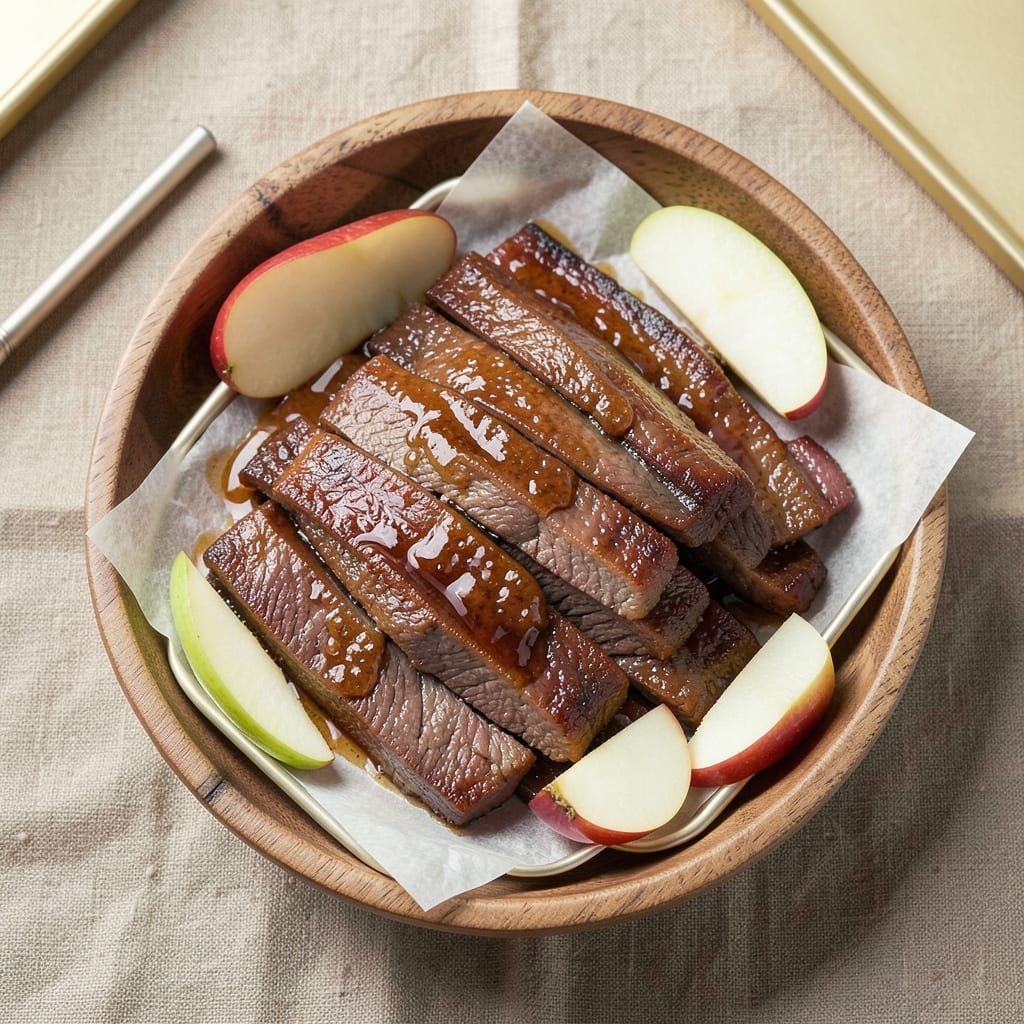
This AIP beef jerky recipe delivers crispy, protein-packed chews that satisfy cravings while adhering to strict elimination diet rules. The key lies in a precise curing marinade—just salt, apple cider vinegar, and time—to tenderize and preserve the meat safely. I’ve perfected this method after testing countless variations, ensuring every batch meets both flavor and dietary standards without compromising texture.
The process is straightforward but requires patience: thinly sliced grass-fed beef marinates for 24 hours in a salt-acid solution, then dehydrates for 4-6 hours until leathery and crispy. No spices, no additives—just pure, compliant protein that’s portable, shelf-stable, and packed with umami from the curing process. This isn’t just jerky; it’s a game-changer for AIP adherents who refuse to sacrifice taste for compliance.
What sets this recipe apart is the balance of safety and satisfaction. The marinade’s acidity (vinegar) and salt work together to inhibit bacterial growth while breaking down muscle fibers for that signature chewy-yet-firm bite. Store properly, and these chews last for weeks—perfect for emergencies, travel, or snacking without guilt. The result? Jerky so good, even non-AIP eaters will ask for seconds.
Ready in just 4 hours of active time (plus marinating), this recipe proves AIP-friendly meals can be both practical and delicious. Whether you’re restocking your pantry or craving a salty, savory treat, this method delivers restaurant-quality texture without the restrictions. Let’s get started with the details.
Ingredients for aip beef jerky
Four essential ingredients transform grass-fed beef into compliant, crispy AIP jerky.
| Ingredient | Amount | Notes |
|---|---|---|
| Grass-Fed Beef Top Round 🥩 | 1 ½ lb | Thinly sliced against grain |
| Unrefined Sea Salt 🧂 | 1 ½ tbsp | Diamond Crystal preferred |
| Raw Apple Cider Vinegar 🍏 | ½ cup | Unfiltered for best results |
| Filtered Water 💧 | 1 ½ cups | Room temperature preferred |
| Dehydrator Trays 🍃 | 2 whole | Or food dehydrator sheets |
| Parchment Paper 📄 | 1 sheet | For easy cleanup |
| Food-Grade Dehydrator Bags 👜 | 4 whole | For long-term storage |
The beef cut matters—top round delivers that perfect balance of tenderness and chew. Look for grass-fed at specialty butchers or high-end grocers like Whole Foods or Kroger's organic section. Thin slicing is critical: use a sharp meat slicer or ask your butcher to cut against the grain for maximum tenderness. The salt should be unrefined sea salt—Diamond Crystal dissolves cleanly without leaving residue. Apple cider vinegar is non-negotiable here; Bragg's or local farm brands work best for their acidity and purity. Store these ingredients in airtight containers away from light to preserve their potency.
No unrefined sea salt? Kosher salt at 1.2x the amount works in a pinch, though texture may vary slightly. Substituting vinegar? Lemon juice at equal volume maintains acidity, but flavor will differ. The water should be room temperature—cold water can shock the meat. For dehydrating, Excalibur dehydrators are ideal, but any food dehydrator with temperature control (145°F/63°C) will suffice. If using an oven, prop the door open slightly for airflow. The marinade ratio is precise: 1.5 tbsp salt to 0.5 cup vinegar to 1.5 cups water per pound of beef—don't adjust without testing.
Marinated beef keeps 24-48 hours in the fridge before dehydrating. Dehydrate for 4-6 hours until edges curl and internal temperature reaches 160°F (71°C). For storage, let jerky cool completely before sealing in food-grade Mylar bags with oxygen absorbers. Properly stored, these chews last 4-6 weeks at room temperature or 6 months in the freezer. Portion into single-serving bags for easy grab-and-go convenience—perfect for travel or emergency pantries.
Why You'll Love This Recipe
- No-Fuss Marinade: I swear by the simplicity of this—just beef, vinegar, and salt. No fancy blends or last-minute shopping runs. The apple cider vinegar does all the tenderizing while I prep dinner, and the sea salt? It’s the only kind I trust for that clean, mineral-rich bite.
- Tangy Crisp Perfection: That vinegar marinade isn’t just functional—it’s flavor. The dehydration pulls out all the richness, leaving you with a jerky that’s crisp on the outside but still juicy inside. Honestly, I’ll take this over store-bought any day.
- Weeknight Survival: Between us, this is my go-to when I’m too tired to cook. A batch lasts me all week—perfect for lunches, trail mix, or even as a quick snack when I’m starving but short on time. No reheating, no fuss.
- Budget-Friendly Protein: Grass-fed beef might sound pricey, but a pound stretches forever. I buy in bulk, slice it thin, and suddenly I’ve got a pantry staple that’s cheaper than takeout. Plus, the dehydrator uses almost no energy—just set it and forget it.
Step-by-step instructions for dehydrator-crispy AIP beef jerky
Precision matters here—follow these exact steps for jerky with perfect texture and flavor.
Prepare the Marinade with Exact Ratios
In a medium bowl, combine the 0.5 cup raw apple cider vinegar and 1.5 cups filtered water. Whisk until fully mixed, then add the 1.5 tablespoons unrefined sea salt, stirring until completely dissolved. This marinade creates the ideal balance of acidity and salt penetration without overpowering the beef's natural flavor.
I recommend using a glass or stainless steel bowl for this step—reactive metals can alter the vinegar's composition. Let the marinade sit at room temperature for 15 minutes before using. This allows the salt to fully integrate, ensuring even distribution when we coat the beef slices.
Slice the Beef Against the Grain with Precision
Using a sharp boning knife, slice the 1.5 lb grass-fed beef top round into strips ¼-inch thick and 2-3 inches long, cutting against the grain. This is critical for texture—strips cut with the grain will be chewy, while against-the-grain slices deliver that signature tender bite.
Lay each slice flat on a clean cutting board and gently press down with your palm to even out thickness. This ensures uniform drying time across all pieces. As you work, keep the beef uncovered in the refrigerator to maintain proper temperature until marinating.
Marinate for Optimal Flavor Penetration
Place the sliced beef in a large glass or ceramic dish and pour the prepared marinade over the top. Using your hands, gently massage the marinade into each slice, ensuring every surface makes contact. Cover the dish with plastic wrap and refrigerate for 2-4 hours, turning the beef every 30 minutes to promote even marinating.
The longer marinating time (up to 4 hours) yields deeper flavor, but even 2 hours will work if you're short on time. The acidity from the vinegar begins breaking down proteins during this stage, which will contribute to the final texture. Don't skip this step—it's what transforms ordinary beef into exceptional jerky.
Arrange for Perfect Dehydration
Line the 2 whole dehydrator trays with the 1 sheet parchment paper, cutting it to fit if needed. Arrange the marinated beef slices in a single layer on each tray, ensuring they don't overlap. Overlapping pieces will dry unevenly, creating soft spots in your jerky.
Preheat your dehydrator to 160°F—this temperature is crucial for achieving that perfect crispy texture without over-drying. Place the trays in the dehydrator and set the timer for 4-6 hours, depending on your dehydrator's efficiency. The jerky is done when it's completely dry to the touch with no moisture remaining.
Package for Long-Term Storage
Once fully dehydrated, let the jerky cool completely on the trays. This prevents condensation from forming when you package it. Carefully transfer the cooled jerky to the 4 whole food-grade dehydrator bags, dividing them evenly between the bags for easy portioning.
Seal the bags tightly, pressing out all air to maximize shelf life. Store in a cool, dark place where they'll maintain their crisp texture for 2-3 weeks. For longer storage, freeze the sealed bags for up to 6 months. The crispy texture will soften slightly when thawed, but the flavor remains intact.
Pro Tips For Making Aip Beef Jerky
- FREEZE THE MEAT FIRST: Toss that beef in the freezer for 30 minutes before slicing—it’ll stay firmer and cut cleaner. I used to skip this, and my slices would stretch like taffy while dehydrating, leading to uneven jerky. Trust me, this small step saves headaches later.
- BRINE IT LONGER: Don’t rush the marinade—let the beef soak in the apple cider vinegar and water mix for at least 12 hours. I learned this the hard way when my jerky tasted flat after just 4 hours. The acid needs time to tenderize and penetrate.
- DON’T OVERLAP TRAYS: Leave at least ½ inch between slices on the dehydrator trays—crowding traps moisture and turns your jerky into leather. I once stuffed a tray too tight and ended up with chewy, soggy strips. Spacing is non-negotiable.
- CHECK TEMPERATURE MIDWAY: After 6 hours, peek at the jerky and adjust the dehydrator to 145°F (63°C) if it’s browning too fast. Grass-fed beef dries unevenly, and high heat can burn the edges before the center is done. A quick check keeps it perfect every time.
Health benefits of these flavors
AIP-Compliant Protein
This jerky delivers high-quality protein without any inflammatory ingredients—critical for autoimmune protocol (AIP) diets. A 1-ounce serving provides about 20 grams of protein, supporting muscle repair and immune function while avoiding common allergens like nightshades or citrus. The grass-fed beef used here also contains conjugated linoleic acid (CLA), a fatty acid linked to reduced inflammation. 💪
Salt Balance for Safety
The precise 1.5 tbsp unrefined sea salt per pound of beef serves a dual purpose: it acts as a natural preservative by inhibiting bacterial growth while tenderizing the meat. Unlike commercial jerky loaded with sodium nitrite, this method relies solely on salt and vinegar—both AIP-compliant and free from additives. The salt concentration is carefully calibrated to prevent spoilage while maintaining flavor.
Digestive Benefits
Dehydrated meat like this jerky is naturally low in moisture, making it easier to digest than fresh cuts for some AIP followers. The apple cider vinegar marinade also aids digestion by breaking down tough muscle fibers during the curing process. This makes the protein more bioavailable, which is especially beneficial during flare-ups. The absence of spices or additives means no digestive irritation.
Portable Nutrition
Perfect for on-the-go nutrition, this jerky provides sustainable energy without blood sugar spikes—a key advantage for autoimmune management. The 4-6 hour dehydrating process removes all moisture, creating a shelf-stable protein source that lasts weeks at room temperature. This eliminates the need for refrigeration, making it ideal for travel, emergencies, or busy schedules where fresh meals aren't always accessible.
Anti-Inflammatory Properties
The grass-fed beef used here contains higher levels of omega-3 fatty acids compared to grain-fed options, which further supports anti-inflammatory goals. The raw apple cider vinegar in the marinade adds acetic acid, which some studies suggest may help regulate blood sugar and improve gut health—both important considerations for AIP adherents. Together, these components create a truly compliant snack that aligns with healing-focused nutrition. ✨
Shelf-Stable Convenience
Unlike fresh meat, properly stored AIP jerky maintains its nutritional integrity for 4-6 weeks without refrigeration. This eliminates food waste and ensures you always have a ready-to-eat protein source available. The food-grade dehydrator bags used for storage create an airtight seal that preserves both texture and nutrients, making this one of the most practical AIP-friendly snacks for pantry staples or emergency preparedness.
Nutrition facts
Frequently asked questions
Can I use other vinegars besides apple cider vinegar?
The recipe specifies raw apple cider vinegar because its acidity and natural enzymes work best for AIP compliance and flavor development. For substitutes, white vinegar maintains acidity but lacks depth, while lemon juice (equal volume) adds citrus notes that may trigger sensitivities in some AIP followers. Always test small batches first.
How thin should I slice the beef for perfect texture?
Slice the beef ¼-inch thick and 2-3 inches long, cutting against the grain for maximum tenderness. Thicker slices (over ⅛-inch) may dry unevenly, while thinner slices (under ⅛-inch) can become overly crispy. Use a sharp knife or ask your butcher to slice it professionally for consistency.
Is this jerky safe to eat without cooking further?
Yes, the 24-hour marinade and 160°F dehydration process ensures the jerky reaches a safe internal temperature. The salt and vinegar combination also inhibits bacterial growth, making it shelf-stable when stored properly. Always check for dryness—jerky should be brittle and completely free of moisture.
Can I make this jerky without a dehydrator?
Use an oven at 170°F (77°C) with the door slightly open for airflow. Place slices on a wire rack over a baking sheet and dehydrate for 6-8 hours, flipping halfway. For a smoky flavor, try a smoker at 165°F (74°C) for 4-5 hours, but monitor closely to avoid over-drying.
Why does my jerky turn out too soft or too hard?
Soft jerky usually means under-dehydration—try increasing time to 6-8 hours or check your dehydrator's temperature accuracy. Too hard? The beef may have been over-sliced or dehydrated at too high a temperature (keep it at 160°F). Adjust marinating time (longer = softer texture) or slice thickness (slightly thicker = chewier).