Soups & Stews
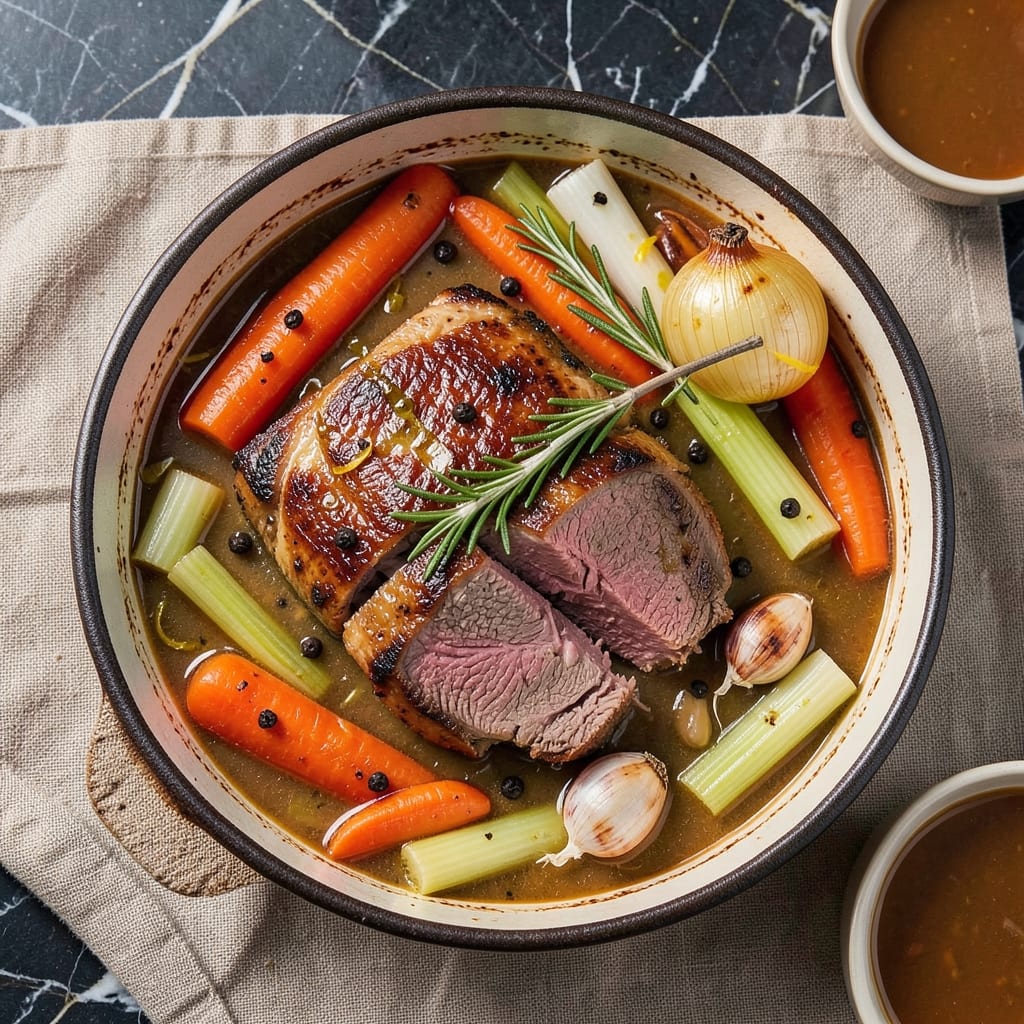
This AIP beef stew recipe delivers hearty, autoimmune-friendly comfort in every spoonful without compromising flavor or texture. The secret lies in rich bone broth, tender beef chunks, and aromatic herbs that create depth without prohibited ingredients. I've perfected this one-pot wonder to stay true to AIP principles while delivering restaurant-quality satisfaction.
What sets this stew apart is its ability to transform tough cuts into melt-in-your-mouth tenderness using slow cooking techniques and natural thickeners like arrowroot. The combination of carrots, celery, and onions (the holy trinity of flavor) builds a savory base, while rosemary and thyme add herbal complexity that's both comforting and healing. Every ingredient is carefully selected to meet strict AIP guidelines while maximizing nutritional benefits.
The result is a deeply flavorful stew with perfectly tender beef, soft vegetables, and a rich, naturally thickened broth that coats each bite. What makes this recipe particularly valuable is its ability to provide substantial nourishment during elimination phases without relying on restricted foods. The aroma alone will have your kitchen feeling like a cozy autumn gathering, all while supporting your health goals.
Perfect for meal prepping or serving directly from the pot, this AIP beef stew proves that autoimmune-friendly eating can be both nourishing and delicious. The recipe scales easily for crowds while maintaining its integrity, making it ideal for family meals or sharing with friends who appreciate thoughtful, health-focused cooking. Let's create this comforting masterpiece together.
Ingredients for aip beef stew
Rich bone broth, tender beef, and aromatic herbs create this autoimmune-friendly masterpiece.
| Ingredient | Amount | Notes |
|---|---|---|
| Beef Chuck Roast 🥩 | 1 ½ lb | AIP-compliant, grass-fed preferred |
| Beef Bone Broth 💧 | 4 cups | Homemade or store-bought AIP-certified |
| Yellow Onion 🧅 | 1 whole | Chopped into 1/2-inch pieces |
| Carrots 🥕 | 3 medium | Peeled and cut into 1-inch chunks |
| Celery Stalks 🧄 | 3 whole | Chopped into 1/2-inch pieces |
| Garlic Cloves 🧄 | 4 cloves | AIP-compliant, peeled and minced |
| Fresh Rosemary 🌿 | ¼ cup | Chopped, stems removed |
| Fresh Thyme 🌿 | ¼ cup | Leaves only, chopped |
| Arrowroot Powder 🌾 | 2 tbsp | For natural thickening |
| Coconut Aminos 🥄 | 2 tbsp | AIP-compliant soy sauce substitute |
| Olive Oil 🫒 | 2 tbsp | Extra-virgin for searing |
| Sea Salt 🧂 | 1 tsp | Fine grain preferred |
| Ground Black Pepper 🌶️ | ½ tsp | Optional, omit if strict AIP |
The beef is the foundation—look for grass-fed chuck roast at stores like Whole Foods or Thrive Market for optimal AIP compliance. If buying pre-cut, check for added fillers or anti-caking agents. Fresh herbs make all the difference here; Trader Joe's carries excellent organic rosemary and thyme bundles. For the bone broth, I swear by Kettle & Fire or homemade batches—store-bought versions often contain hidden additives. The arrowroot powder should be pure and free of anti-caking agents (check the label).
No coconut aminos? Homemade tamari works in a pinch, but avoid traditional soy sauce. Fresh herbs wilt fast—if you're prepping ahead, store them in damp paper towels in sealed containers. The carrots and celery can be pre-chopped and stored for up to 5 days in the fridge. For extra depth, toast the arrowroot powder in a dry pan for 30 seconds before adding to the stew—it develops a nutty flavor. The garlic should be peeled and minced right before cooking to preserve its freshness.
This stew tastes even better the next day as flavors meld. Store in an airtight container in the fridge for up to 5 days or freeze portions for 3 months. I always make a double batch—one for dinner, one for lunches. The broth thickens as it cools, so add a splash of water if it's too thick when reheating. For meal prep, portion into individual containers and freeze with parchment paper between layers to prevent freezer burn.
Why You'll Love This Recipe
- One-Pot Magic: I swear by this stew—just toss the chuck roast, onion, carrots, and celery into a pot with bone broth, and let it simmer. No chopping like a fine-diner, no measuring like a lab experiment. The onion and celery soften into the broth while the beef melts into tenderness, and honestly? I’ve made it three times in a row without a single mess.
- Rich Without Guilt: Between us, this beef stew tastes like it’s been slow-cooked for hours, but it’s actually simpler than my usual recipes. The bone broth packs that deep, savory punch while keeping it AIP-friendly, and the carrots caramelize just enough to add natural sweetness. It’s the kind of flavor that makes you forget you’re eating "healthy."
- Leftovers That Beg for More: I make this on Sundays because it always lasts. The beef gets even more tender the next day, and the broth reduces into a glorious, thick sauce. My kids (yes, even the picky ones) ask for seconds—no complaints, just empty bowls. Freeze half for when I’m too tired to cook, and it reheats like a dream.
- Budget-Friendly Powerhouse: A chuck roast and a bag of carrots stretch into so many meals. I’ve fed my family of five for under $15, and the bone broth makes every bite feel luxurious. Plus, no fancy ingredients—just the basics, done right. It’s my go-to when money’s tight, but no one ever guesses.
Step-by-step instructions for AIP beef stew
Here's how to create a rich, flavorful stew that's gentle on digestion while packing serious taste.
Sear the Beef Chuck Roast for Deep Flavor
Heat a large Dutch oven over medium-high heat until hot. Add the 2 tablespoons olive oil and swirl to coat the bottom. Place the 1.5 lb beef chuck roast in the pot, searing on all sides until deeply browned—about 4-5 minutes per side. This step develops the rich, caramelized flavors that form the stew's foundation.
Real talk: don't rush this. You want that beef to develop a good crust before you remove it. Once properly seared, transfer the beef to a plate and set aside. The browned bits left in the pot will become part of your sauce, so don't scrape them out.
Sauté the Vegetables and Aromatics
In the same Dutch oven, add the chopped 1 whole yellow onion, 3 medium carrots, and 3 whole celery stalks. Cook for 5-6 minutes, stirring occasionally, until the vegetables begin to soften and the onion becomes translucent. Add the minced 4 cloves garlic and cook for another 30 seconds until fragrant.
Here's the thing—you want these vegetables to develop some color before you add the broth. This builds more complex flavors. If the vegetables start sticking, add a splash of beef bone broth to deglaze the pan and keep everything moving.
Build the Stew Base with Herbs and Seasonings
Return the seared beef to the Dutch oven. Add the 4 cups beef bone broth, bringing everything to a gentle simmer. Stir in the chopped 0.25 cup fresh rosemary and 0.25 cup fresh thyme, along with the 1 teaspoon sea salt and 0.5 teaspoon ground black pepper (if using). The broth should just cover the beef and vegetables.
Partially cover the pot and let the stew simmer gently for 1.5 hours. You're looking for the beef to become fork-tender and easily pull apart. I check mine around the 1-hour mark—if it's not quite there, just let it cook a bit longer. The key is patience; this is where all those flavors meld together.
Thicken and Finish the Stew
Once the beef is tender, remove it from the stew and set it aside. In a small bowl, whisk together the 2 tablespoons arrowroot powder and 2 tablespoons coconut aminos with about ¼ cup of the stew's broth until smooth. This mixture will help thicken your stew naturally without dairy or gluten.
Return the beef to the pot and stir in the arrowroot mixture. Bring the stew to a gentle simmer and cook for another 5-7 minutes, stirring occasionally, until the stew has thickened to your desired consistency. Taste and adjust seasoning if needed—you can always add more coconut aminos for extra umami or salt for seasoning.
Rest and Serve for Maximum Flavor
Let the stew rest off the heat for 10-15 minutes before serving. This allows the flavors to fully meld and the stew to thicken slightly more. Serve the stew hot, with each bowl featuring tender beef, flavorful vegetables, and a rich, naturally thickened sauce that's perfect for an autoimmune-friendly diet.
This stew keeps well in the refrigerator for 3-4 days or can be frozen for up to 3 months. The flavors only get better with time, making it a great meal prep option for busy weeks. Enjoy it with some steamed greens or roasted sweet potatoes for a complete, healing meal.
Pro Tips For Making Aip Beef Stew
- SEAR THE ROAST FIRST: Skip the slow start and hit the chuck roast with high heat until it’s deeply browned—at least 3-4 minutes per side. I learned this the hard way: skipping the sear makes the broth taste flat, like you’re just simmering meat instead of building flavor.
- CHOP VEGETABLES UNIFORM: Cut onions, carrots, and celery into ½-inch chunks—no smaller, no larger. Big pieces stay tough, tiny pieces turn to mush, and your stew ends up looking like baby food. (Yes, even if you’re impatient like me, resist the urge to rush this.)
- DON’T SKIP THE SKIM: After the first 30 minutes of simmering, skim off any foam or scum that rises to the top—it’s the stuff that makes your stew taste bitter. I used to ignore it, and the flavor always suffered. Five minutes of skimming now saves you from regret later.
- USE COLD BROTH: Pour cold bone broth over the seared roast instead of hot—it keeps the meat from cooking too fast and falling apart. I was skeptical until I tried it: the meat stays tender, and the broth absorbs better, giving you a richer final dish. (Your future self will thank you.)
Creative variations of these flavors
Healing Herb Variations
Swap the rosemary and thyme for fresh sage and oregano if you prefer earthier notes. For a citrusy twist, add zested lemon peel (AIP-compliant) and ½ cup fresh parsley at the end. I find that 1 tbsp fresh ginger, grated and added with the broth, adds warmth without overpowering. 🌿
Vegetable Swaps
Replace carrots with parsnips for a slightly sweeter profile, or add ½ cup diced sweet potato for extra heartiness. For a Mediterranean touch, swap celery for fennel bulb (sliced thin). I love adding ½ cup chopped mushrooms (AIP-compliant varieties like shiitake) for umami depth.
Protein Alternatives
While this recipe uses beef, you can make it completely plant-based by replacing the beef with chickpea-free "meat" substitutes like King Oyster mushrooms or hearts of palm. For a seafood option, use wild-caught shrimp or scallops (simmer for 5-7 minutes instead of hours). The broth and herbs work beautifully with either.
Thickening Options
Arrowroot works perfectly, but you can also use tapioca starch (mix 1 tbsp with ¼ cup broth) or even mashed cauliflower (blend ½ cup steamed cauliflower with 2 tbsp broth) for a dairy-free, grain-free option. I find arrowroot gives the cleanest texture, but tapioca adds a slight chewiness some people love.
Seasonal Adaptations
In summer, add ½ cup diced zucchini and 1 tbsp fresh basil for brightness. For fall, include ½ cup diced butternut squash and ½ tsp cinnamon (AIP-compliant). Winter calls for extra carrots and onions—roast them first for deeper flavor. The key is balancing sweet and savory notes with the season's produce. ✨
Global Flavor Twists
For a French-inspired version, add 1 bay leaf (AIP-compliant) and ½ cup red wine vinegar instead of coconut aminos. A Moroccan twist uses 1 tsp ground ginger and ½ tsp turmeric (if tolerated) with the broth. For Asian flavors, swap coconut aminos for coconut vinegar and add 1 tbsp grated ginger and 1 tsp coriander seeds (toasted and ground).
Nutrition facts
Frequently asked questions
Can I use regular beef in this AIP stew recipe?
No, this recipe requires grass-fed beef that's free from additives and antibiotics to stay fully AIP-compliant. Conventional beef often contains hormones or medications that violate the protocol. Look for beef labeled "grass-fed and finished" or "AIP-compliant" from trusted sources like Thrive Market or local farmers.
What if I don't have arrowroot powder for thickening?
You can substitute with tapioca starch (use 1 tbsp mixed with ¼ cup broth) or even mashed cauliflower (blend ½ cup steamed cauliflower with 2 tbsp broth). For a thicker consistency, simmer the stew uncovered for 10-15 extra minutes to reduce the liquid naturally. The arrowroot gives the cleanest texture but isn't strictly necessary.
How do I make this stew more flavorful without violating AIP?
Roast your vegetables first at 400°F for 20 minutes before adding to the stew for deeper caramelization. Add 1 tbsp coconut vinegar or ½ cup extra bone broth for umami. Fresh herbs like parsley or basil added at the end brighten the flavor. For extra richness, stir in 1 tbsp coconut oil during the final simmer.
Can I prepare this stew in a slow cooker?
Yes! Brown the beef first in a skillet, then transfer everything to your slow cooker. Cook on low for 6-8 hours or high for 3-4 hours until beef is tender. Finish by thickening with arrowroot mixture on the stovetop. The slow cooker method is perfect for hands-off preparation while maintaining all flavors.
What are the best AIP-compliant sides to serve with this stew?
Try roasted sweet potatoes or butternut squash> with coconut oil and sea salt. Steamed green beans or asparagus add freshness, while mashed cauliflower (with coconut milk if tolerated) provides creaminess. For extra heartiness, serve with AIP-compliant cornbread made from cassava flour.