
Main Courses
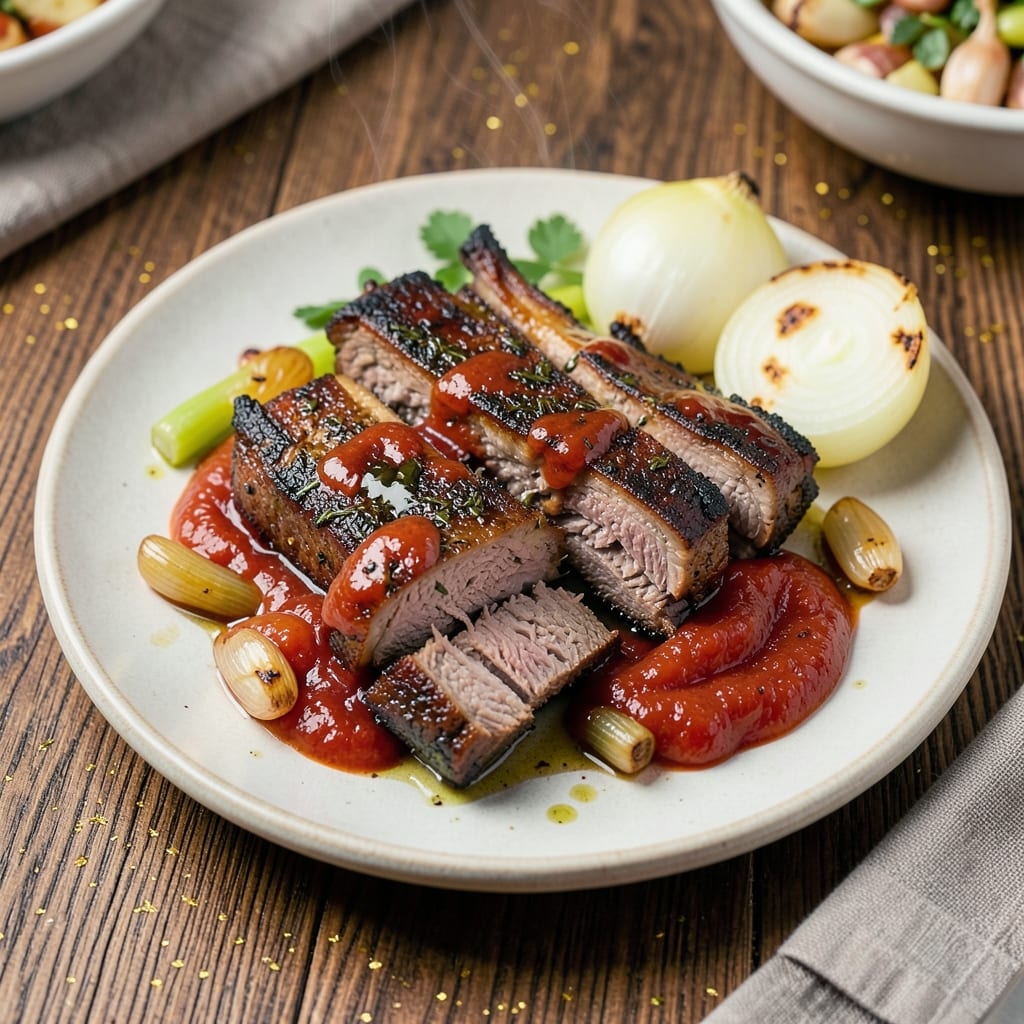
Alton Brown's beef short ribs recipe delivers restaurant-quality results with a technique that transforms tough cuts into melt-in-your-mouth perfection. The secret lies in slow-braising, where collagen dissolves into a rich, velvety sauce that coats every bite. This method requires patience but rewards you with a dish that's tender, flavorful, and impossible to resist.
What sets this recipe apart is the combination of searing and braising—first developing deep caramelized flavors on the meat, then letting it cook low and slow until fork-tender. The result is beef that falls apart with just a touch, swimming in a sauce so rich it could be used as a dip. This isn't just comfort food; it's a showstopper for special occasions.
The process begins with a proper sear to create a flavorful crust, followed by hours of braising in a flavorful liquid. The key is maintaining moisture while breaking down connective tissue, resulting in beef that's so tender it practically dissolves. Each bite delivers layers of savory, caramelized goodness with just the right amount of natural beefy richness.
Serve these short ribs with classic sides like creamy mashed potatoes, roasted root vegetables, or a fresh arugula salad to balance the richness. The sauce alone is worth the wait—thick, aromatic, and packed with flavor. This is the kind of dish that makes you feel like a true home chef.
Ingredients for alton brown beef short ribs
These fourteen ingredients transform tough short ribs into melt-in-your-mouth perfection through Alton Brown's signature slow-braising technique.
| Ingredient | Amount | Notes |
|---|---|---|
| Beef Short Ribs 🥩 | 4 lb | Bone-in, 2-3 inches thick |
| Yellow Onion 🧅 | 1 whole | Chopped into 1-inch pieces |
| Carrot 🥕 | 2 whole | Cut into 2-inch chunks |
| Celery Stalk 🥬 | 3 whole | Cut into 2-inch pieces |
| Garlic Cloves 🧄 | 6 cloves | Peeled, smashed |
| Tomato Paste 🍅 | ½ cup | High-quality, unsweetened |
| Dry Red Wine 🍷 | 1 ½ cups | Bold Cabernet Sauvignon |
| Beef Broth 💧 | 3 cups | Low-sodium preferred |
| Olive Oil 🫒 | 2 tbsp | Extra-virgin for searing |
| All-Purpose Flour 🌾 | 2 tbsp | For dredging |
| Kosher Salt 🧂 | 1 ½ tbsp | Diamond Crystal preferred |
| Black Peppercorns 🌶️ | 1 tbsp | Freshly cracked |
| Fresh Thyme Leaves 🌿 | ½ cup | Stems removed |
| Fresh Rosemary 🌿 | 1 sprig | Wooden spoon for bruising |
The beef short ribs are the star—look for bone-in cuts with good marbling at your butcher or grocery store's meat counter. Whole Foods or Costco often carry high-quality beef that's perfect for this recipe. If you can't find bone-in, use bone-out but increase braising time by 30 minutes. The ribs should be roughly 2-3 inches thick for even cooking. For extra flavor, ask your butcher to trim excess fat but leave some for moisture during braising. Fresh herbs like thyme and rosemary elevate the dish, so Trader Joe's or local farmers markets are great sources for vibrant, flavorful options.
No red wine? Substitute with beef broth plus 1 tbsp balsamic vinegar—it adds depth without altering the cooking process. Running short on fresh thyme? Dried thyme works at one-third the amount, but fresh is preferred for that bright herbal note. The tomato paste can be swapped for 1 cup crushed tomatoes if needed, though paste gives better consistency. For a richer sauce, add 1 tbsp Worcestershire sauce (ensure it's vegetarian if needed). The celery, carrot, and onion form the aromatic base—don't skip them, even if you're short on time. They sweeten as they cook and build incredible flavor.
Store the braised ribs and sauce in an airtight container in the fridge for up to 5 days, though they taste even better the next day as flavors meld. For longer storage, freeze portions for 3 months. Reheat gently on the stove with a splash of broth to maintain moisture. The sauce thickens as it cools, so thin with a little water or broth if needed. These ribs reheat beautifully—perfect for meal prep or special occasions. Portion the sauce separately if you prefer it as a dipping sauce on the side.
Why You'll Love This Recipe
- Here’s what sold me: that first bite where the exterior cracks under pressure, then gives way to melt-in-your-mouth beef. The garlic and caramelized onions turn this into something restaurant-worthy without trying.
- One-Pot Magic: I swear by this recipe because it’s that kind of dish—just toss the ribs, onions, carrots, and celery into a Dutch oven with a splash of liquid, let it braise, and walk away. No fancy prep, no last-minute scrambling.
- Crispy-Tender Payoff: Here’s what sold me: that first bite where the exterior cracks under pressure, then gives way to melt-in-your-mouth beef. The garlic and caramelized onions turn this into something restaurant-worthy without trying.
- Weeknight to Dinner Party: Between us, this is my secret weapon for both Taco Tuesdays and holiday feasts. Serve it with crusty bread for a cozy night in or plate it elegantly for guests—same effort, different vibes.
Step-by-step instructions for slow-braised beef short ribs
This method delivers fall-off-the-bone tenderness with rich, caramelized depth.
Sear the Short Ribs for Maximum Flavor
Pat the 4 lb beef short ribs dry with paper towels—this ensures a proper sear. Heat 1 tablespoon of the olive oil in a heavy Dutch oven over medium-high heat until shimmering. Working in batches, add the ribs bone-side down and sear for 4-5 minutes until deeply browned. Flip and sear the other side for another 4-5 minutes. You're building flavor through the Maillard reaction here, so don't rush this step.
Real talk: If your pan gets crowded, reduce heat slightly to prevent steaming. Remove the ribs to a plate and set aside. Pour out all but 1 tablespoon of the rendered fat from the Dutch oven—you'll use this later for the aromatics.
Build the Aromatic Base
Add the remaining 1 tablespoon olive oil to the Dutch oven and increase heat to medium. Add the chopped yellow onion, carrot chunks, and celery stalks. Cook for 8-10 minutes until the vegetables soften and begin to caramelize—this should be your first sensory checkpoint. You'll see them turn golden brown and smell sweetly nutty.
Add the smashed garlic cloves and cook for 30 seconds until fragrant. Stir in the tomato paste and cook for 2 minutes, stirring constantly, until it darkens slightly. This step develops the sauce's depth and prevents a metallic taste from the wine later. Sprinkle in the flour and stir for 1 minute to create a roux that will thicken your braising liquid.
Deglaze and Braise the Ribs
Pour in the 1.5 cups dry red wine and scrape up all the browned bits from the bottom of the pot. This deglazing captures all the flavor you worked so hard to create. Let the wine simmer for 5-6 minutes until reduced by half. Add the beef broth, bringing the liquid to a gentle simmer.
Return the ribs to the Dutch oven, bone-side up. Add the kosher salt, black peppercorns, fresh thyme leaves, and rosemary sprig. The rosemary should be bruised with a wooden spoon to release its oils. Bring to a full simmer, then immediately reduce heat to low. Cover and braise for 2.5 hours, checking occasionally to ensure liquid doesn't evaporate completely.
Finish and Rest for Perfect Texture
After 2.5 hours, the ribs should be fork-tender. If they're not quite there, continue braising for another 30-60 minutes. The key is patience—this is where the connective tissue breaks down into gelatin, creating that melt-in-your-mouth texture. When a fork slides in easily, remove the ribs to a plate and tent with foil.
Strain the braising liquid through a fine-mesh sieve into a saucepan and skim off any excess fat. Return the liquid to medium heat and simmer for 5-7 minutes until slightly thickened. This concentrated sauce will cling beautifully to your ribs. Let the ribs rest for 10 minutes before serving, allowing the juices to redistribute.
Serve with Confidence
Discard the rosemary sprig and return the ribs to the Dutch oven. Pour the reduced braising sauce over the top and toss gently to coat. Serve immediately with the sauce spooned over each portion. Each bite should deliver tender meat that practically falls apart, rich sauce with deep wine and tomato notes, and perfectly balanced seasoning.
This method works every time because it combines proper searing for flavor with slow braising for texture. The wine and broth create a sauce that's both elegant and comforting—exactly what makes these ribs special.
Pro Tips For Making Alton Brown Beef Short Ribs
- Brown the Ribs Hard: Alton’s recipe calls for a deep sear, but I’ve learned to push it further—until the edges are nearly black in spots. That’s not burning, that’s flavor. Use a heavy pot or Dutch oven and let them sit undisturbed for 3-4 minutes per side. I used to flip too soon, and the ribs never got that rich, caramelized crust. ---
- Dice the Mirepoix Small: The onion, carrot, and celery in this recipe should be cut into ¼-inch pieces—no bigger. I skipped this once and ended up with mushy veggies instead of flavorful chunks. A sharp knife and a steady hand make this quick, but don’t rush it. Those tiny pieces melt into the sauce and make the dish sing. ---
- Deglaze with Cold Beer: After browning the ribs, Alton’s recipe uses beer for deglazing. I’ve found that pouring in cold beer instead of warm slows the cooking and keeps the sauce from turning bitter too fast. Let it simmer gently—no rushing here. The beer’s bitterness mellows out, and the sauce stays bright. ---
- Skip the Crowding: When the ribs hit the pot for the braise, resist the urge to stack them. Crowding steams the meat instead of letting it cook evenly, and you’ll end up with uneven doneness. Arrange them in a single layer, even if it means two batches. Patience here means tender, fall-apart ribs every time.
Essential equipment for alton brown beef short ribs
Dutch Oven Essentials
A heavy-duty Dutch oven is non-negotiable for this recipe. I swear by the Lodge 5.5-quart cast iron Dutch oven—it retains heat like a dream and handles the sear and braise without flinching. The deep sides prevent spills during braising, and the tight lid traps steam for even cooking. If cast iron feels too heavy, the All-Clad Stainless Steel Dutch Oven offers similar performance with easier maintenance. 🔥
Precision Thermometer
Invest in a meat thermometer with a probe that reaches the thickest part of the ribs. The ThermoWorks Smoke or Thermoworks Sous Vide models give instant readings, so you don’t overcook. I check the internal temperature at 203°F—this is where the collagen fully breaks down. Without one, you’re guessing, and that’s how you end up with dry ribs.
Wooden Spoon & Tongs
A wooden spoon (I use OXO Good Grips) is perfect for deglazing and stirring the sauce without scratching your Dutch oven. For flipping ribs, tongs with silicone tips (like JYF Tongs) grip securely without slipping. Avoid metal utensils—they can damage your pan’s seasoning over time.
Fine-Mesh Sieve
Straining the braising liquid is crucial for a silky sauce. A fine-mesh sieve (I prefer OXO Good Grips) removes herbs and sediment while keeping the flavor intact. If you don’t have one, a cheesecloth-lined colander works in a pinch. Skim excess fat after straining for a cleaner, richer sauce.
Instant-Read Thermometer
For the sear, an instant-read thermometer (like Thermapen Mk4) ensures your Dutch oven reaches medium-high heat (around 375°F) before adding the ribs. This prevents steaming and guarantees a proper Maillard crust. I test by sprinkling water—if it sizzles immediately, you’re ready.
Butcher Paper & Aluminum Foil
Line your plate with pink butcher paper (or heavy-duty Reynolds foil) when resting the ribs. This absorbs excess moisture while keeping them warm. I also use foil to tent the ribs during the final rest, locking in heat and preventing drying. Pro tip: Crimp the edges tightly to seal in steam.
Nutrition facts
Frequently asked questions
Can I use bone-in or bone-out beef short ribs?
This recipe is designed for bone-in short ribs—those bone-in cuts develop more flavor and stay juicier during braising. If you only find bone-out, increase braising time by 30-60 minutes and reduce the wine by 0.5 cup to prevent a watery sauce. The bones add depth to the broth, so omitting them means you'll need to compensate with extra aromatics like garlic and thyme.
What's the best wine substitute if I don't have red wine?
Use 1.5 cups beef broth plus 1 tbsp balsamic vinegar for a similar depth of flavor. For extra richness, add 1 tbsp soy sauce (or tamari for gluten-free) or 1 tsp red wine vinegar. Avoid white wine—it lacks the body and acidity needed to complement the beef. The key is balancing umami and acidity to cut through the fat.
Why do my ribs turn out tough instead of tender?
Tough ribs usually mean either under-braising (not enough time) or too much liquid (which dilutes the collagen breakdown). Aim for 2.5-3 hours at low heat until fork-tender. If your sauce is watery, simmer uncovered for 10-15 minutes to reduce it. The ribs should feel like they're melting when pressed with tongs—if they resist, return them to the pot for another 30 minutes.
Can I make this recipe in a slow cooker?
Yes! Sear the ribs first, then transfer everything (including the aromatics) to a 6-quart slow cooker. Cook on LOW for 8 hours or HIGH for 5 hours. The sauce will be thinner, so reduce it on the stovetop afterward. Skip the flour roux—just add 1 tbsp cornstarch mixed with water to thicken the sauce at the end. The texture will be slightly different but still delicious.
How do I reheat leftovers without drying them out?
Place ribs in a baking dish with 2 tbsp braising sauce or beef broth per pound. Cover with foil and reheat at 300°F for 20-30 minutes until warmed through. For stovetop reheating, simmer gently in a skillet with a splash of broth for 5-7 minutes. Never microwave—it turns the meat rubbery. The sauce reheats best separately over medium heat.