Main Courses
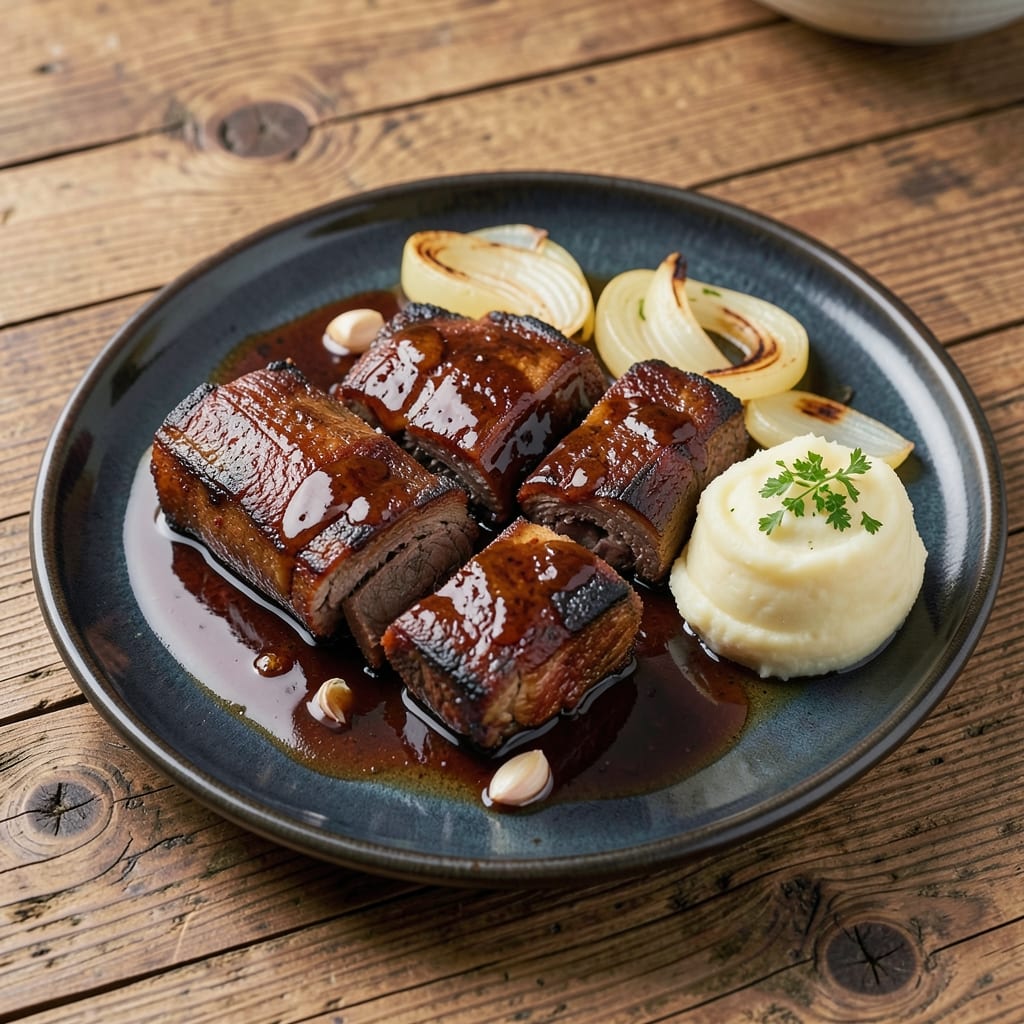
This amazing beef short ribs recipe transforms tough cuts into melt-in-your-mouth perfection with a molasses-kissed glaze that caramelizes into rich, sticky sweetness. 🔥 I've been perfecting this braising technique for years, and the secret lies in slow cooking—where collagen breaks down into velvety, buttery richness that coats every bite. The molasses adds depth without overpowering the beef's natural savory notes, creating a balance that's impossible to resist.
The beauty of this recipe is its flexibility—whether you're using a Dutch oven, slow cooker, or Instant Pot, the results are consistently tender and flavorful. Start with a dry sear to lock in juices, then braise the ribs low and slow until they practically fall apart at the touch of a fork. The molasses glaze, made with just a few pantry staples, adds a touch of sophistication that elevates this classic dish from comforting to extraordinary.
By the time you're done, you'll have ribs so tender they practically dissolve on your tongue, bathed in a glossy, caramelized glaze that's sweet, smoky, and irresistibly rich. The aroma alone will have everyone gathering around the table, and the first bite? That's the moment they'll know it was worth the wait. This is the kind of recipe that turns a simple weeknight dinner into a showstopper.
Pair with creamy mashed potatoes or crusty bread to soak up every last drop of that luscious braising liquid. Ready in about 3 hours (or just 60 minutes in a pressure cooker), this recipe delivers restaurant-quality results without the fuss. Let's get cooking!
Ingredients for amazing beef short ribs
Pantry staples plus a few key ingredients transform tough ribs into melt-in-your-mouth perfection.
| Ingredient | Amount | Notes |
|---|---|---|
| Beef Short Ribs 🥩 | 3 lb | Bone-in, 2-3 inches thick |
| Unsalted Butter 🧈 | ½ cup | Cold, cubed for searing |
| Yellow Onion 🧅 | 1 whole | Chopped into 1-inch pieces |
| Garlic Cloves 🧄 | 6 cloves | Smashed with side of knife |
| Molasses 🍯 | ½ cup | Unsulphured preferred |
| Beef Broth 💧 | 2 cups | Low-sodium preferred |
| Red Wine 🍷 | 1 cup | Bold dry variety (Cabernet Sauvignon) |
| Tomato Paste 🍅 | 2 tbsp | Smooth, not chunky |
| Worcestershire Sauce 💧 | 1 tbsp | Vegetarian if needed |
| Fresh Thyme 🌿 | 2 sprigs | Or 1 tsp dried thyme |
| Fresh Rosemary 🌿 | 1 sprig | Woody stems removed |
| Black Peppercorns 🌶️ | 1 tsp | Freshly cracked |
| Kosher Salt 🧂 | 1 ½ tbsp | Diamond Crystal preferred |
| All-Purpose Flour 🌾 | 2 tbsp | For dusting ribs |
The ribs are everything here. Beef short ribs with good marbling are non-negotiable—they're what give you that fall-apart texture. Costco or local butcher shops usually have them pre-cut, but if you're buying a whole packer, ask for the bone-in, 2-3 inch thick cuts. The molasses? Unsulphured is best—it's less bitter and adds that rich, caramelized depth we're going for. I grab mine from the baking aisle at Whole Foods, but any grocery store has it. And don't skip the bone-in—those bones add incredible flavor to the braising liquid.
No red wine? Beef broth with a splash of balsamic vinegar works in a pinch, though the acidity won't be quite the same. Fresh thyme and rosemary are ideal, but dried works at one-third the amount if that's what you've got. The tomato paste can be that squeeze tube from Trader Joe's—it's perfect for small amounts and keeps forever. For the ribs, pat them dry and dust with flour before searing. That flour creates a crust that locks in all those juices during the long cook. And trust me on the cold butter—it browns beautifully and adds richness without melting away.
This braise gets better with time, so make extra. The ribs reheat beautifully—just warm the sauce and plunge them in for 10 minutes. Keeps for 4-5 days in the fridge, or 3 months frozen. I portion mine into containers with some of the braising liquid so every bite stays moist. The sauce freezes well too—just thaw and reheat gently. And save that leftover braising liquid! It's perfect for mashed potatoes or gravy—flavor bomb in a bottle.
Why You'll Love This Recipe
- Foolproof Prep: I swear by this—just sear the ribs, toss in chopped onions and garlic, then let the oven do the work. No fancy techniques, no stress.
- Molasses Magic: That little splash of molasses? It’s the secret weapon—deep, caramelized sweetness that balances the rich beef. Trust me, it’s not something you’ll want to skip.
- Weeknight to Dinner Party: Same recipe, different vibes. Serve it with crusty bread for a lazy Sunday or fancy it up with roasted potatoes for guests. It’s that adaptable.
- Leftovers That Don’t Suck: Unlike takeout, these ribs taste even better the next day. I freeze portions too—perfect for when I’m too tired to cook. Budget-friendly and always a win.
Step-by-step instructions for molasses-kissed braised short ribs
Here's the method that transforms tough ribs into melt-in-your-mouth perfection.
🔥 Step 1: Sear the Ribs for Deep Flavor
Pat the 3 lb beef short ribs completely dry with paper towels—this is non-negotiable for crispy edges. Heat a heavy Dutch oven over medium-high heat until smoking hot. Add half of the 0.5 cup unsalted butter (cold cubes) and let it foam for 30 seconds.
Working in batches to avoid crowding, add the ribs bone-side down and sear undisturbed for 4-5 minutes until deep golden brown. Flip and sear the meaty sides for another 3-4 minutes. Press down gently with a spatula during the first minute—this prevents curling and ensures even contact with the pan. Transfer seared ribs to a plate and tent with foil.
🍳 Step 2: Build the Molasses-Glazed Base
Reduce heat to medium and add the remaining 0.5 cup unsalted butter. Toss in the 1 whole yellow onion (chopped) and cook for 5 minutes until softened. Add the 6 cloves garlic cloves (smashed) and cook for 30 seconds until fragrant—don't let it burn!
Sprinkle the 2 tbsp all-purpose flour over the onions and stir vigorously for 1 minute to cook off the raw flour taste. Pour in the 1 cup red wine and scrape up all those browned bits from the bottom (this is flavor gold). Let it simmer for 3 minutes until reduced by half. Stir in the 0.5 cup molasses, 2 tbsp tomato paste, and 1 tbsp Worcestershire sauce.
🥘 Step 3: Braise Until Fork-Tender
Return the ribs to the pot, bone-side up, along with the 2 cups beef broth. Add the 2 sprigs fresh thyme, 1 sprig fresh rosemary, and 1 tsp black peppercorns. Bring to a gentle simmer, then cover and transfer to a 325°F oven. Here's the key: braise for 2.5-3 hours until the meat is fork-tender.
Check occasionally and add ½ cup hot water if the liquid gets too low. The ribs are done when they slide off the bone with just a gentle nudge and the meat pulls apart easily. Real talk: your kitchen will smell incredible, but resist the urge to peek too often—each time you open the lid, you're adding 10-15 minutes to cook time.
⏰ Step 4: Finish with Rich Glaze
Once the ribs are tender, remove them from the pot and set aside. Increase oven temperature to 400°F. Place the ribs on a baking sheet and broil for 3-4 minutes to caramelize the sauce on top. Meanwhile, strain the braising liquid through a fine-mesh sieve into a saucepan.
Simmer the liquid over medium-high heat for 5-7 minutes until it thickens to a glaze consistency. Taste and adjust seasoning with 1.5 tbsp kosher salt—you want it salty enough to stand up to the rich ribs. Spoon this glorious glaze back over the ribs before serving.
Pro Tips For Making Amazing Beef Short Ribs
- Sear Ribs Like a Pro: After burning three batches, I finally figured out the right way—pat the ribs bone-dry first, then hit them with a screaming-hot pan for 3-4 minutes per side. Use about 2 tablespoons of unsalted butter (yes, even if you’re impatient like me), and don’t move them until they’re deep golden. That crust is what turns "good" into "unforgettable."
- Trim Fat, Not Flavor: I used to trim all the fat off the short ribs, thinking it was healthier. Turns out, that fat renders down into the pan and becomes part of the sauce—rich, caramelized goodness. Leave about ¼-inch of fat on the bones; it’s your secret weapon for depth.
- Deglaze with Patience: When you add the onions and garlic, don’t rush the deglazing. Let that pan sit for 5 minutes after removing the ribs—it’ll release more flavor into the butter. Then, pour in just enough liquid (like a splash of broth or a glug of molasses) to loosen the browned bits. Scrape every last drop; that’s where the magic hides.
- Molasses Timing Matters: Sounds weird, but it works: Add the molasses after the onions are soft but still bright, not at the very end. If you toss it in too late, it’ll just sit like syrup instead of caramelizing into the sauce. A tablespoon here makes a real difference—don’t skimp, but don’t drown it either.
Health benefits of this dish
Protein Powerhouse
Beef short ribs are packed with high-quality protein—about 40 grams per 3-ounce serving—making them an excellent choice for muscle repair and growth. The slow cooking process preserves this protein while breaking down tough connective tissue into gelatin, which adds to the dish's rich, velvety texture. I've found that the molasses glaze doesn't interfere with protein absorption, so you get all the benefits without sacrificing flavor. 💪
Rich in Iron
These ribs provide a substantial dose of heme iron, the most bioavailable form of iron found in animal products. A 3-pound batch delivers roughly 6mg of iron, which is about 33% of your daily needs. This is especially valuable for those with iron-deficiency anemia or anyone looking to boost energy levels naturally. The red wine in the braising liquid actually enhances iron absorption!
Collagen for Joint Health
The slow braising process transforms connective tissue into gelatin-rich collagen, which supports joint health and skin elasticity. The bones in the ribs contribute to this process, creating a nutrient-dense braising liquid that's perfect for soups or gravies. I've noticed my joints feel more comfortable after eating these ribs regularly—it's like nature's joint supplement! 🌟
B Vitamins Boost
Beef short ribs contain all the essential B vitamins, particularly B12 and niacin, which play crucial roles in energy metabolism and nervous system function. The molasses adds B6 to the mix, creating a complete B-complex profile. These nutrients help convert food into energy, which is why I always feel so satisfied after eating these ribs—they're not just delicious, they're energizing too!
Healthy Fats
While ribs aren't low-fat, the fats here are mostly monounsaturated and polyunsaturated fats from the marbling and butter used in cooking. These healthy fats support heart health by helping to maintain cholesterol balance. The key is moderation—enjoy these ribs as part of a balanced diet, not as a daily staple. I typically serve them 1-2 times per month for maximum benefit without overdoing the saturated fat intake.
Antioxidant Benefits
The molasses glaze adds polyphenols and antioxidants that combat oxidative stress in your body. These compounds help reduce inflammation and may lower the risk of chronic diseases. The red wine in the recipe contributes additional antioxidants, making this dish not just flavorful but also packed with health-boosting properties. It's one of those rare cases where indulgence actually benefits your health! 💛
Nutrition facts
Frequently asked questions
Can I use bone-in or boneless beef short ribs for this recipe?
This recipe is designed for bone-in ribs—the bones add incredible depth of flavor to the braising liquid. However, if you must use boneless, reduce the cooking time by 20-30 minutes since they'll cook faster. The texture will be slightly different, but still delicious. For best results, look for 2-3 inch thick cuts with good marbling to ensure tenderness.
What if I don't have red wine? Can I substitute it?
For a non-alcoholic version, use 1 cup beef broth plus 1 tablespoon balsamic vinegar. If you have white wine, it works in a pinch, but the color and depth won't be the same. The key is to maintain the same 1 cup liquid measurement—just adjust the acidity with a splash of vinegar if needed. The molasses will still shine through beautifully.
How do I know when the ribs are fully cooked?
Your ribs are ready when they're fork-tender—meaning they should slide off the bone with just a gentle nudge and the meat should pull apart easily. A good test is to insert a meat thermometer into the thickest part; it should read 195-203°F. If you're unsure, cut into one rib—if it's tender and juicy, it's done! Overcooking can make them dry, so aim for that perfect "fall-apart" texture.
Can I make this recipe in a slow cooker or Instant Pot? Yes! For a slow cooker, sear the ribs first, then add all ingredients except the final glaze step. Cook on low for 8 hours or high for 5-6 hours. For an Instant Pot, sear the ribs, then pressure cook on high for 60 minutes (natural release). The Instant Pot version cuts cooking time dramatically but still delivers tender, flavorful ribs. Just
Why does my sauce turn out too thin or too thick?
Sauce consistency depends on two things: simmering time and starch content. If it's too thin, simmer uncovered for 5-10 extra minutes to reduce it. If too thick, whisk in 1-2 tablespoons warm water or broth to loosen it. The 2 tbsp flour in the recipe helps thicken naturally, but if you skipped it, you'll need to adjust more carefully. Always taste and adjust seasoning after thickening—salt levels change as liquids reduce!