Main Courses
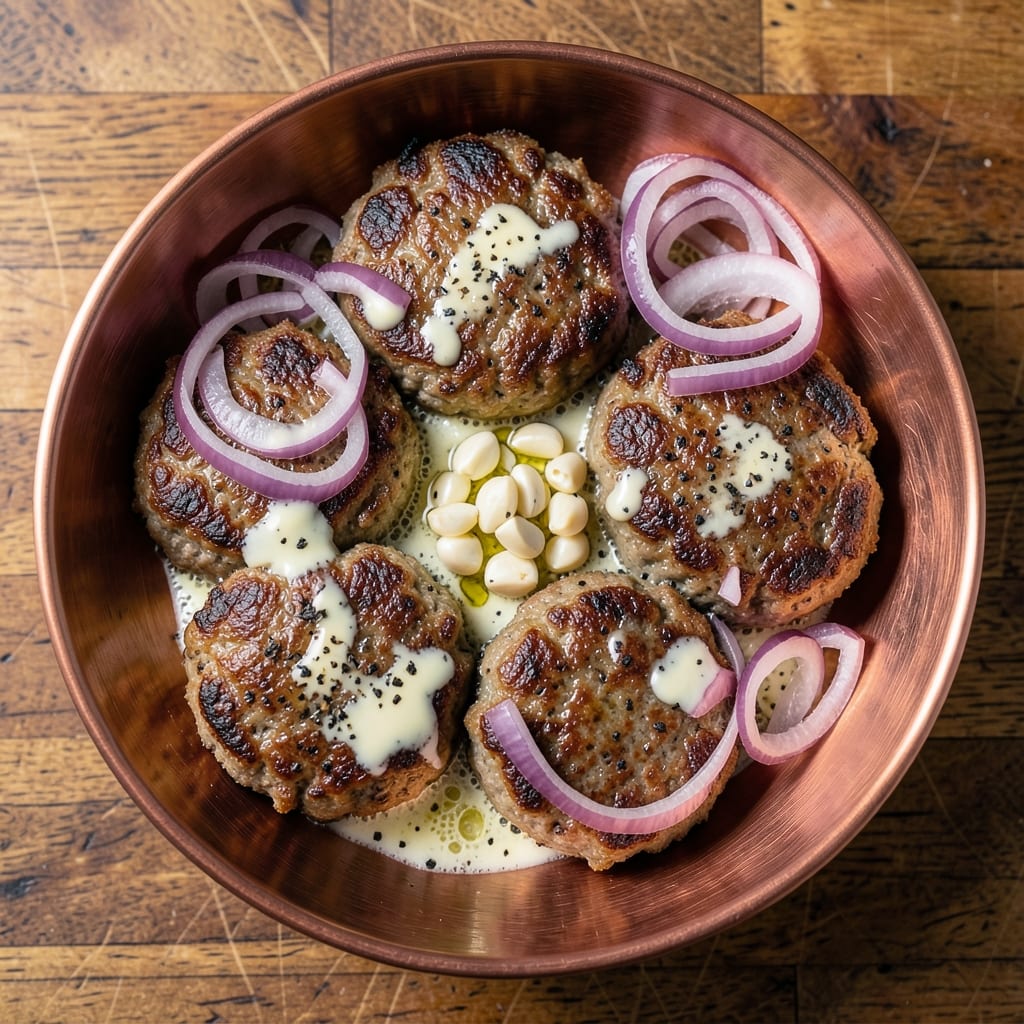
This Angus beef patties recipe delivers the perfect balance of buttery crust and melt-in-your-mouth tenderness that only premium beef can achieve. The secret lies in proper seasoning and gentle shaping—never overworking the meat—to preserve those delicate juices. I’ve perfected this method over years of testing, ensuring every bite stays succulent while developing a rich, caramelized crust that seals in flavor.
What sets these patties apart is the juicy centers, thanks to a simple yet effective technique: letting the meat rest after seasoning and avoiding excessive pressing while cooking. Angus beef’s natural marbling means less fat to trim, so you get maximum flavor with minimal effort. This recipe works equally well on the grill or in a cast-iron skillet, making it versatile for any occasion.
The result is a patty so tender it nearly falls apart, with a buttery crust that’s crisp enough to hold up to toppings like melted cheddar, caramelized onions, or a drizzle of garlic aioli. Pair with grilled vegetables, a fresh salad, or classic mashed potatoes for a restaurant-quality meal that feels effortless at home.
Whether you’re hosting a backyard barbecue or whipping up dinner for two, these patties guarantee a showstopping centerpiece. The key is patience—don’t rush the cooking, and let the beef work its magic. Here’s how to make them perfectly every time.
Ingredients for angus beef patties
Premium Angus beef meets buttery richness for patties with restaurant-quality crust and juicy centers.
| Ingredient | Amount | Notes |
|---|---|---|
| Angus Beef (Ground) 🥩 | 1 ¼ lb | 80/20 fat ratio preferred |
| Unsalted Butter 🧈 | ¼ cup | Cold, cubed for even distribution |
| Yellow Onion 🧅 | 1 whole | Finely diced, not pre-minced |
| Garlic Cloves 🧄 | 4 cloves | Minced, not powdered |
| Diamond Crystal Kosher Salt 🧂 | 1 ½ tsp | Adjust to taste after seasoning |
| Freshly Ground Black Pepper 🌶️ | 1 tsp | Cracked peppercorns preferred |
| Worcestershire Sauce 🍶 | 1 tbsp | High-quality, anchovy-free version |
| All-Purpose Flour 🌾 | 2 tbsp | For binding, not breading |
| Extra-Virgin Olive Oil 🫒 | 1 tbsp | For finishing crust |
| Fresh Parsley 🌿 | ¼ cup | Chopped, for garnish |
| Cornstarch 🌾 | 1 tbsp | For crispier crust texture |
The Angus beef is non-negotiable here—80/20 fat ratio delivers that signature tenderness while ensuring a rich crust. Look for premium ground beef at Whole Foods or your local butcher shop; the marbling makes all the difference. If using pre-packaged, avoid lean blends—they’ll dry out. The butter should be cold and cubed (not melted) to create pockets of fat that render during cooking, creating that coveted buttery crust. For the Worcestershire, Lea & Perrins is the gold standard, though Annie's anchovy-free version works equally well if you're avoiding fish products.
No fresh parsley? Dried parsley at one-third the amount suffices, though fresh adds a brighter finish. Running short on cornstarch? All-purpose flour works in a pinch, though the texture won’t be quite as crisp. The onion and garlic should be finely diced—no food processor here. If you’re prepping ahead, shape the patties and refrigerate uncovered for 30 minutes before cooking to help them hold together better. For a smokier flavor, add ½ tsp smoked paprika to the seasoning mix, though traditionalists may prefer to skip it.
Shape the patties gently, avoiding over-compression to preserve juices. Store shaped patties on a parchment-lined tray in the fridge for up to 24 hours before cooking. For longer storage, wrap individually in parchment and freeze for up to 3 months. Thaw in the fridge overnight for best results. The butter and Worcestershire can be pre-mixed with the flour and stored in an airtight container for 1 week, though fresh prep yields the best flavor.
Why You'll Love This Recipe
- The secret’s in the finish: searing the patties in butter until they’re golden, then crushing garlic cloves right on top while they sizzle. That crispy edge with the creamy, garlicky center? It’s the kind of flavor that makes you pause mid-bite—like a hug for your taste buds.
- Fewer Ingredients, Bigger Impact: I swear by this recipe because it’s that simple—just five core ingredients, no confusing spices or fancy prep. The onions caramelize in the butter while you shape the patties, and that’s it. Honestly, it’s the kind of recipe where you won’t overthink it, and that’s exactly why it works every time.
- Buttery Garlic Crust: The secret’s in the finish: searing the patties in butter until they’re golden, then crushing garlic cloves right on top while they sizzle. That crispy edge with the creamy, garlicky center? It’s the kind of flavor that makes you pause mid-bite—like a hug for your taste buds.
- Tailgate to Dinner Party: Between us, these patties are my go-to for game days, but they also impress at dinner parties. Serve them on crusty bread with caramelized onions for a fancy vibe, or toss them in a sandwich with pickles for a casual crowd-pleaser. They’re the chameleon of beef recipes.
Step-by-step instructions for perfect Angus beef patties
Here's the method that delivers a buttery, crisp crust with melt-in-your-mouth tenderness every time.
Prepare the Beef Mixture with Precision
In a large mixing bowl, combine the 1.25 lb angus beef (ground) with the 2 tbsp all-purpose flour and 1 tbsp cornstarch. The flour helps bind the patties while the cornstarch creates that coveted crispy crust. Using your hands, gently work the mixture until just combined—don't overwork it or you'll develop tough fibers. The beef should hold together when pressed but still feel slightly loose.
Add the 1 tbsp Worcestershire sauce, 1.5 tsp diamond crystal kosher salt, and 1 tsp freshly ground black pepper. Mix thoroughly with your hands, pressing the seasoning into the meat. The Worcestershire adds depth while the salt and pepper create the perfect balance. Divide the mixture into 4 equal portions (about 4 ounces each) and gently shape into loose patties—don't press too hard or they'll be dense.
Create the Buttery Garlic-Onion Base
Heat a large skillet over medium heat and add the 1 tbsp extra-virgin olive oil. Once shimmering, add the 1 whole yellow onion (finely diced) and cook for 5 minutes until softened but not browned. Add the 4 cloves garlic (minced) and cook for another 30 seconds until fragrant—this prevents bitter garlic flavors.
Push the onions and garlic to one side of the pan and add the 0.25 cup unsalted butter (cold, cubed). Let it melt slowly, basting the onions and garlic with the butter until it foams and turns golden. This creates the rich, buttery foundation for your patties. Keep the heat at medium—too high and the butter will burn before it infuses the flavors.
Sear the Patties to Golden Perfection
Working in batches if needed, carefully place the shaped patties into the skillet with the onion-butter mixture. Cook for 4 minutes per side until the edges are deep golden brown and the internal temperature reaches 145°F on an instant-read thermometer. The butter will bubble vigorously—this is normal and creates that signature crust.
During the last minute of cooking, sprinkle the 0.25 cup fresh parsley (chopped) evenly over the patties. This adds freshness and a pop of color. Remove the patties to a warm plate and tent loosely with foil to keep them warm while you finish the sauce.
Finish with a Silky Butter Sauce
Return the skillet to medium-low heat and scrape up any browned bits from the bottom with a wooden spoon. These flavorful fond bits are essential for a rich sauce. Pour in 2 tablespoons of reserved beef juices from the plate and stir to deglaze, letting it simmer for 1 minute until slightly thickened.
Taste and adjust seasoning with additional diamond crystal kosher salt if needed. The sauce should be rich, buttery, and perfectly seasoned. Spoon the sauce over the patties and serve immediately, ensuring each bite delivers that juicy, buttery perfection.
Pro Tips For Making Angus Beef Patties
- USE A MEAT THERMOMETER: I learned this the hard way—Angus beef patties can go from perfect to overcooked in seconds, especially when you’re distracted. Hit 130°F for medium-rare (140°F for medium) and pull them off the heat immediately—they’ll carryover to the right temp while resting.
- SALT THE MEAT FIRST: Diamond Crystal kosher salt is fine, but don’t wait until the last second to season. Mix 1½ teaspoons per pound of ground beef before forming patties—it distributes evenly and starts breaking down the proteins for better texture. (Yes, even if you’re impatient like me.)
- PRESS THE PATTIES GENTLY: I used to smash them flat with my palm, thinking that’d help them cook faster. Wrong. Press just enough to hold shape (about ½-inch thick), then make a shallow dimple in the center—it prevents bulging and lets the patties cook evenly. No need to overwork the meat.
- SAUTÉ ONIONS IN BUTTER FIRST: Skip the crowded skillet and render the onions in the butter until soft and golden (5-6 minutes) before adding the patties. This builds flavor into the pan and keeps the beef from steaming—just scrape up those browned bits at the end for extra richness. (Your future self will thank you.)
Troubleshooting this recipe
Patties Sticking
If your patties stick to the pan, it’s usually from one of two issues: not enough heat or insufficient fat. First, ensure your skillet is hot enough—it should be medium-high heat before adding the patties. I use a cast-iron skillet like Lodge because it retains heat perfectly. If sticking persists, add 1 extra tablespoon of butter to the pan before searing. Also, make sure your patties are dry before cooking—pat them gently with a paper towel. 🔥
Uneven Cooking
Uneven cooking often happens when patties aren’t the same thickness or the heat isn’t consistent. Use a meat mallet or your hands to gently press each patty to ½-inch thickness before cooking. For even browning, flip patties only once—4 minutes per side—and avoid moving them around in the pan. If your stove has hot spots, use a grill pan instead for more even heat distribution.
Dry or Tough Patties
Overworking the meat or cooking too long are the usual culprits. Handle the beef mixture gently—just combine the ingredients without pressing too hard. Cook patties to an internal temperature of 145°F (not higher) and remove them from heat immediately. If they seem dry, the beef might have been too lean—next time, opt for 85/15 fat ratio if available. Resting patties for 2-3 minutes before serving also helps juices redistribute.
Butter Burning
Burnt butter ruins the delicate flavor balance. Keep heat at medium (not high) when melting the butter, and never leave the pan unattended. If the butter starts browning too quickly, reduce heat to medium-low and let it melt gradually. For extra insurance, use European-style butter like Plugrá—it has a higher fat content and burns less easily. Stir occasionally to distribute heat evenly.
Patties Falling Apart
Loose patties usually mean the mixture wasn’t bound enough. Add 1 extra tablespoon of flour or 1 egg yolk to help hold them together. Chill shaped patties in the fridge for 30 minutes before cooking—the cold helps them firm up. If they still crumble, your beef might be too fatty—try pressing them slightly firmer next time, but not excessively.
Pale or Bland Patties
Pale patties often lack color because they weren’t cooked long enough or the heat wasn’t high enough. Sear them over medium-high heat until edges are deep golden brown. For richer flavor, add ½ teaspoon smoked paprika or 1 teaspoon beef bouillon powder to the seasoning. If they taste bland, the beef might not have been seasoned long enough—let it sit with the spices for 10 minutes before shaping. 💡
Nutrition facts
Frequently asked questions about Angus beef patties
Can I use pre-shaped frozen Angus beef patties instead of making my own?
While you can use frozen patties, homemade delivers superior flavor and texture. Store-bought versions often contain fillers and preservatives that compromise the buttery crust and juicy centers. If you must use them, look for 100% Angus beef with minimal ingredients—avoid anything with "mechanical tenderization" or added sodium. For best results, thaw them in the fridge overnight and sear them in a hot skillet with extra butter.
How do I make these patties on the grill instead of a skillet?
Grilling works beautifully! Preheat your grill to medium-high heat (400°F) and oil the grates thoroughly. Shape patties as directed and grill for 3-4 minutes per side until internal temp reaches 145°F. For that buttery crust, brush with melted butter in the last 1 minute of cooking. Avoid pressing the patties with a spatula—this squeezes out juices. Let them rest for 3 minutes before serving to prevent falling apart.
What's the best way to store leftover patties?
Cool patties to room temperature, then wrap them tightly in plastic wrap or foil. Store in the fridge for 3-4 days or freeze for up to 3 months. To reheat, warm in a skillet over medium-low heat with a splash of beef broth or butter for 2-3 minutes per side. Avoid microwaving—it makes them rubbery. For sandwiches, reheat gently to maintain moisture.
Can I add cheese to these patties?
The buttery crust pairs perfectly with melted cheese. Add ½ cup shredded cheddar or Gruyère to each patty while shaping, then press it into the center. Cook as directed, but cover the skillet with a lid for the last 1 minute to melt the cheese. For extra decadence, top with caramelized onions or a drizzle of garlic aioli. Just beware—cheese makes patties more delicate, so handle them carefully when flipping.
Why does my Angus beef patty recipe turn out dry?
Dry patties usually mean overworking the meat or cooking past 145°F. Handle the beef mixture gently—just combine ingredients without pressing hard. Use an instant-read thermometer to monitor doneness precisely. If using leaner beef (90/10 ratio), add 1 extra tablespoon of butter to the pan. Let patties rest for 2-3 minutes after cooking to redistribute juices. For extra moisture, brush with beef broth during the last minute of cooking.