Main Courses
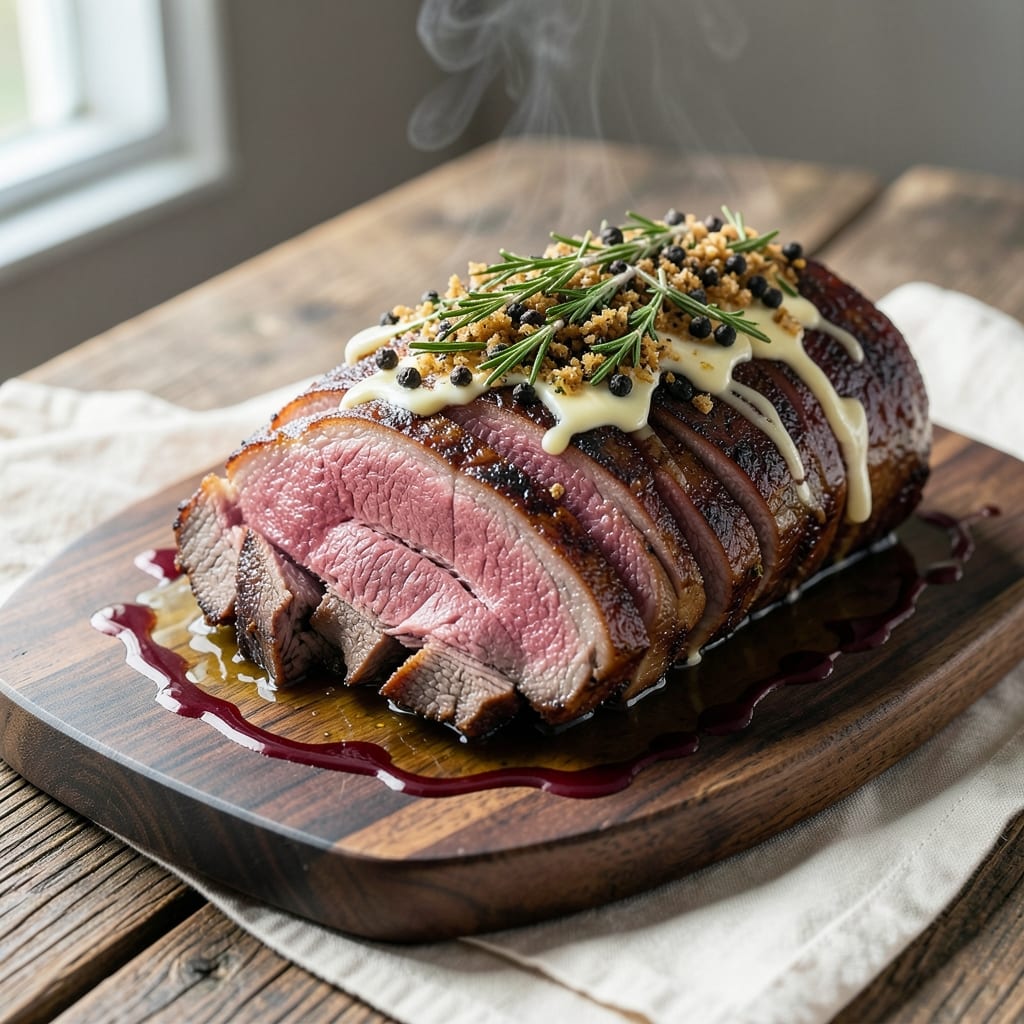
This Angus beef prime rib roast transforms a holiday centerpiece into a restaurant-worthy masterpiece with just a few key techniques. The secret lies in dry-brining the meat overnight to lock in moisture, then searing it at high heat to create that coveted crispy crust while keeping the interior perfectly tender. I've perfected this method over years of holiday cooking, ensuring every slice delivers that buttery marbling and rich beef flavor you crave.
The process begins with trimming excess fat (save it for basting!) and applying a simple seasoning blend of coarse salt, black pepper, and fresh rosemary. Roasting at 450°F for the first 20 minutes builds that flavorful crust, then lowering the temperature to 325°F ensures even cooking to your desired doneness. A meat thermometer is your best friend here—130°F for medium-rare is ideal, with a 10-15 minute rest before carving.
What makes this recipe truly special is how the crispy exterior contrasts with the melt-in-your-mouth tenderness inside. The dry-brining method eliminates the need for heavy marinades while enhancing natural beef flavors, and the high-heat sear creates that caramelized crust that's impossible to resist. This isn't just roast beef—it's a showstopper that makes every bite feel like a celebration.
Pair it with classic sides like creamy horseradish sauce, roasted garlic mashed potatoes, and a simple green salad to complete the meal. The leftovers reheat beautifully for sandwiches the next day, making this a recipe that delivers value beyond the initial feast. Let's get started on creating your perfect prime rib.
Ingredients for angus beef prime rib roast
Six pounds of premium beef plus a few key ingredients transform into holiday perfection.
| Ingredient | Amount | Notes |
|---|---|---|
| Angus Beef Prime Rib Roast 🥩 | 6 lb | Bone-in, center-cut preferred |
| Coarse Kosher Salt 🧂 | ½ cup | Diamond Crystal preferred |
| Fresh Rosemary 🌿 | ¼ cup | Stems removed, finely chopped |
| Freshly Ground Black Pepper 🌶️ | 1 tbsp | Freshly cracked preferred |
| Unsalted Butter 🧈 | ½ cup | Cold, cubed for basting |
| Red Wine 🍷 | ½ cup | Bold Cabernet Sauvignon |
| Beef Tallow or Duck Fat 🫒 | ¼ cup | For basting richness |
| Yellow Onion 🧅 | 1 whole | Quartered for basting |
| Garlic Cloves 🧄 | 4 cloves | Minced for basting |
| Fresh Thyme 🌿 | ⅛ cup | Leaves only, chopped |
| Balsamic Vinegar 🍶 | 1 tbsp | For basting glaze |
| Horseradish Sauce 🌶️ | ½ cup | Creamy, for serving |
The beef is everything here. Look for a 6-pound bone-in center-cut roast with visible marbling—Costco or Whole Foods carry excellent Angus prime rib. Trim excess fat (save it for basting!), but leave the fat cap intact for flavor. Fresh rosemary matters—buy sprigs and chop yourself rather than using dried. The coarse salt should be Diamond Crystal if you can find it; it dissolves better than table salt. For the basting, a mix of butter, tallow, and red wine creates that signature richness. Penzeys or your local specialty store will have the best quality spices if you want to splurge.
No red wine? Beef broth with a splash of balsamic works just as well. Fresh thyme unavailable? Dried thyme at one-third the amount keeps the flavor profile intact. The horseradish sauce can be store-bought (Hellmann's or Duke's are reliable), but homemade with fresh horseradish and crème fraîche elevates the dish. For the basting glaze, balsamic vinegar adds depth—skip it if you prefer a cleaner taste. The onion and garlic in the basting can be pre-minced from the store, but fresh is always better. If you're prepping ahead, trim the roast and season it 24 hours early to maximize flavor infusion.
This roast reheats beautifully—4-5 days in the fridge or 3 months frozen. For leftovers, slice thinly and serve on toasted brioche with extra horseradish sauce. The crust stays crispy when reheated gently in the oven. Store the roast uncovered on a wire rack in the fridge to prevent sogginess. If you're serving a crowd, carve it immediately after resting—the slices will look more impressive, and the meat stays juicier. The basting mixture can be made ahead and refrigerated for up to 1 week.
Why You'll Love This Recipe
- I’ll be real: most roasts turn into sad, dry scraps. Not this one. The prime rib stays juicy, and the butter keeps it tender—so you’ll actually want to reheat it for lunch. (My kids fight over the slices.)
- Four-Hand Prep: I swear, this takes less time than debating what to order for dinner. Just season the beef with rosemary, salt, and pepper—no fancy rubs, no stress—then let the oven do the work while you pour wine. (Yes, even on a Tuesday night.)
- Butter-Basted Magic: That crispy crust with the melt-in-your-mouth center? It’s all in the butter basting. A pat of unsalted butter brushed on every 20 minutes transforms tough into ridiculously good—no fancy techniques, just patience and a brush.
- Holiday or Tuesday: Honestly, I’ve served this at Thanksgiving and as a lazy Sunday lunch. The same rich, herby crust works for guests or just me in sweatpants. (Between us, the leftovers are even better cold in sandwiches.)
Step-by-step instructions for prime rib roast with perfect crust
Here's how to transform that gorgeous prime rib into a showstopper with a crackling crust and tender interior.
Prepare the Roast for Maximum Flavor
Remove the prime rib from the refrigerator and let it sit at room temperature for 1 hour before cooking. This ensures even cooking throughout. While it rests, create your dry rub by combining 0.5 cup coarse kosher salt, 0.25 cup finely chopped fresh rosemary, and 1 tablespoon freshly ground black pepper in a bowl. The coarse salt helps create that perfect crust while the rosemary adds aromatic depth.
Pat the roast completely dry with paper towels—this is absolutely critical for achieving that crispy crust. Then generously coat all sides with the dry rub, pressing it firmly into the meat so it adheres well. Place the seasoned roast on a rack set in a roasting pan, fat-side up. This positioning allows the rendered fat to baste the meat during cooking, enhancing both flavor and texture.
Preheat and Sear for Deep Flavor
Preheat your oven to 250°F—this low temperature will give you that perfect medium-rare interior. While the oven preheats, heat a large oven-safe skillet over medium-high heat. Add 0.25 cup beef tallow or duck fat and let it get very hot but not smoking. This fat will create a luxurious crust and add incredible richness.
Carefully place the prime rib in the hot skillet, fat-side down. Sear for 5 minutes until a deep golden-brown crust forms. Flip the roast and sear the other side for another 5 minutes. The crust should be dark and crackling—this is your foundation for that restaurant-quality exterior. Transfer the seared roast to the preheated oven.
Slow Roast to Perfect Medium-Rare
Roast the prime rib for 2-2.5 hours until the internal temperature reaches 120-125°F in the thickest part of the meat. This low-and-slow approach ensures the beef remains tender and juicy while allowing the fat to render beautifully. About 1 hour into cooking, prepare your basting mixture by combining 0.5 cup red wine, 0.5 cup cold unsalted butter, 1 tablespoon balsamic vinegar, 4 minced garlic cloves, and 0.125 cup chopped fresh thyme in a small saucepan.
Simmer this mixture over low heat for 10 minutes until slightly reduced. During the last 30 minutes of roasting, baste the prime rib with this mixture every 15 minutes, using a spoon to spread it generously over all surfaces. The wine and butter will create a glossy, flavorful crust while keeping the meat moist. The balsamic adds a touch of sweetness that balances the richness.
Rest and Slice for Maximum Juiciness
Once the prime rib reaches the desired internal temperature, remove it from the oven and transfer it to a cutting board. Tent loosely with aluminum foil and let it rest for 20-30 minutes. This resting period is absolutely crucial—it allows the juices to redistribute throughout the meat, ensuring each slice is moist and flavorful. The temperature will continue to rise about 5°F during resting, so plan accordingly.
While the roast rests, slice the 1 whole yellow onion into wedges and arrange them on a baking sheet. Roast at 400°F for 20 minutes until caramelized and tender. These onions make a perfect accompaniment to the prime rib. When ready to serve, slice the prime rib against the grain into ½-inch thick slices. The meat should be beautifully pink in the center with a perfect crust on the outside.
Serve with Horseradish Sauce
Arrange the sliced prime rib on a warm platter, drizzle with any remaining basting mixture, and serve immediately with the caramelized onions on the side. The 0.5 cup creamy horseradish sauce is the perfect finishing touch—its sharpness cuts through the richness of the beef. Each bite should deliver that incredible buttery marbling, perfectly balanced by the crispy crust and aromatic herbs.
Pro Tips For Making Angus Beef Prime Rib Roast
- SEAR FIRST, LOW AND SLOW: Take that prime rib out of the fridge 2 hours before cooking—cold meat won’t brown worth a damn. Then hit it with a screaming-hot pan (500°F+) for 3-4 minutes per side until deep caramel forms. After that, drop the oven to 250°F and let it cook until it hits 115°F internal (yes, rare). I used to rush this step and ended up with gray, sad meat.
- SALT THE ROSEMARY: Tuck fresh rosemary sprigs into the fat cap after searing, but don’t just sprinkle salt on top—rub that coarse kosher salt into the butter first. Melt a stick of unsalted butter in a saucepan, mix in 2 teaspoons of salt, then brush it over the meat while hot. The butter will crisp into a golden crust, and the salt will penetrate deeper than just sprinkling. (I know, it’s extra work, but your guests will notice.)
- DON’T CUT INTO IT YET: Let that roast rest covered with foil for at least 15 minutes—no peeking, no excuses. I learned this the hard way when I sliced into a juicy prime rib too soon and watched all the flavor run out. If you’re impatient, at least wait 10 minutes under foil before carving. Your knife will thank you, and so will your taste buds.
- USE THE FAT CAP: That thick layer of fat on the top? Don’t trim it off—leave it. It’s your built-in basting tool. Every 30 minutes, spoon the melted fat back over the meat to keep it moist. If it’s too much, just lift the roast and drain excess into a pan (save it for gravy). I used to waste this step, thinking less fat meant less calories, but it actually makes the meat richer. (Your future self will curse you if you skip this.)
Flavor customization for these flavors
Herb-Crusted Twist
Swap the simple dry rub for a herb crust by mixing 0.25 cup finely chopped fresh rosemary, 0.125 cup chopped fresh thyme, 0.125 cup Dijon mustard, and 0.25 cup breadcrumbs with the salt and pepper. Press this mixture firmly onto the roast before searing—it creates a crunchy, aromatic crust that adds texture and depth. I love using Panko breadcrumbs for extra crispiness. 🌿
Smoky Chipotle Infusion
For a bold, smoky flavor, add 1-2 chipotle peppers in adobo sauce (minced) to your dry rub or basting mixture. The smokiness pairs beautifully with the beef’s richness. I recommend Penzeys brand for the best quality. For extra heat, add ½ tsp cayenne pepper to the crust or basting liquid. This works especially well with a red wine reduction instead of plain butter.
Garlic-Butter Glaze
Replace the red wine basting with a garlic-butter glaze by melting 0.5 cup unsalted butter with 6 minced garlic cloves and 1 tbsp fresh parsley. Simmer for 3 minutes until fragrant, then brush generously over the roast during the last 45 minutes of cooking. The result? A luxurious, garlicky crust that’s irresistible. I often finish with a sprinkle of flaky sea salt for contrast.
Whiskey-Basted Richness
Swap the red wine for ½ cup bourbon or rye whiskey in your basting mixture. The whiskey caramelizes beautifully, adding a deep, toasty note to the crust. I recommend Maker’s Mark for its rich flavor profile. For an extra touch, add 1 tsp brown sugar to the basting liquid to enhance the caramelization. This works especially well with a honey-balsamic reduction drizzle at the end.
Spiced Coffee Rub
For a unique, aromatic twist, create a spiced coffee rub by combining 0.5 cup coarse salt, 1 tbsp ground coffee (I use Peet’s Major Dickason’s Blend), 1 tsp smoked paprika, and ½ tsp cinnamon. The coffee adds a deep, earthy complexity that pairs surprisingly well with beef. Apply this rub before searing, and baste with a dark beer reduction (like stout) for extra depth.
Citrus-Zest Brightness
Add zesty brightness by incorporating 1 tbsp grated lemon or orange zest into your dry rub or basting mixture. The citrus cuts through the richness of the beef beautifully. I love using Blood Orange zest for a sweeter, more complex flavor. For a finishing touch, garnish the sliced roast with thin citrus supremes** (peeled, twist-off strips) for a pop of color and freshness. 🍊
Nutrition facts
Frequently asked questions
How do I choose the best cut of prime rib for this recipe?
Look for a bone-in center-cut roast weighing about 6 pounds with visible marbling throughout. The prime grade label guarantees the highest fat content and tenderness. Costco, Whole Foods, or specialty butchers typically carry excellent Angus prime rib. Avoid cuts with excessive fat or grayish areas—these indicate lower quality.
Can I cook this recipe without a meat thermometer?
While a meat thermometer is ideal, you can estimate doneness by touch. For medium-rare, the roast should feel slightly springy when pressed gently. Cut into a small section—the center should be cool to the touch with a pink interior. Remember, the internal temperature will rise 5°F during resting, so aim for 125°F instead of 130°F if using this method.
What's the best way to reheat leftover prime rib?
Slice the roast thinly and reheat in a 350°F oven for 10-15 minutes on a wire rack over a baking sheet. This preserves the crust while warming through. For sandwiches, warm slices in a skillet over medium heat with a pat of butter for 2-3 minutes per side. Never microwave—it makes the meat tough and dry.
How far in advance can I prepare the dry rub?
You can mix the dry rub ingredients up to 3 days ahead and store it in an airtight container. For best flavor, apply it to the roast 24 hours before cooking—this allows the salt to penetrate deeply. If prepping ahead, keep the seasoned roast uncovered on a wire rack in the fridge for maximum crust development.
What are the best sides to serve with prime rib?
Classic pairings include creamy horseradish sauce, roasted garlic mashed potatoes, caramelized onions, and a simple green salad. For a heartier meal, add Yorkshire pudding or buttered egg noodles. Red wine reductions or au jus enhance the beef's richness. The key is balancing textures—creamy, crispy, and fresh elements complement the roast perfectly.