
Soups & Stews
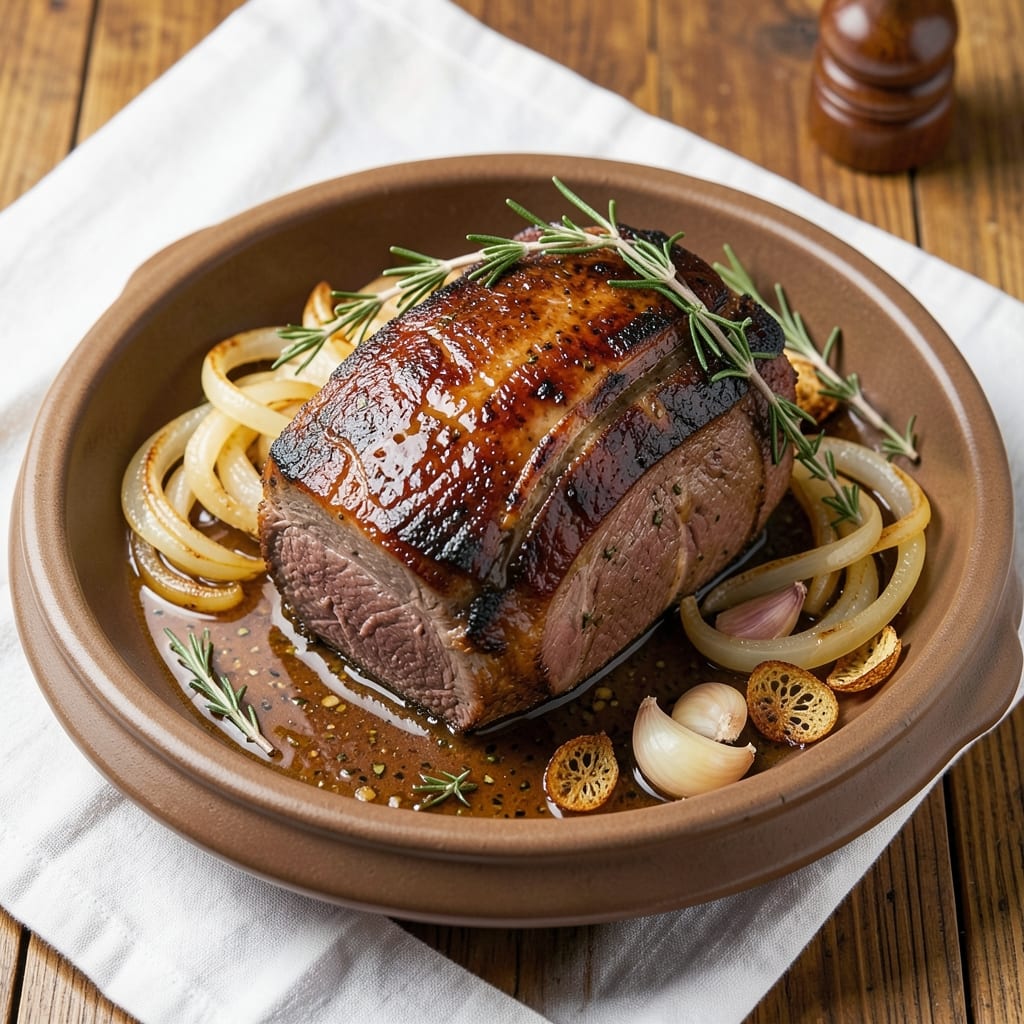
This Angus beef roast slow cooker recipe transforms a simple weeknight into a steakhouse-worthy dinner with minimal effort. The secret lies in marbled beef that stays tender and juicy while developing deep, savory flavors through slow cooking. I've perfected this method to ensure every bite delivers that melt-in-your-mouth texture without requiring constant monitoring.
What makes this recipe truly special is the combination of high-quality beef and the slow cooker's gentle heat. Unlike traditional roasting methods that require precise temperature control, this approach lets you set it and forget it while achieving restaurant-quality results. The beef develops a rich, caramelized crust on the outside while remaining perfectly tender inside, all with just a few simple steps.
The result is a beautifully browned, perfectly cooked roast that practically falls apart at the touch of a fork. The slow cooking process enhances the beef's natural flavors, creating a dish that's impressive enough for company but simple enough for any night of the week. This method also allows you to prepare sides simultaneously, making dinner preparation a breeze.
Serve with classic roasted potatoes or a rich gravy to soak up every last bit of flavor. The beauty of this recipe is in its simplicity—no fancy techniques required, just quality ingredients and patience. Let's get started on creating this showstopping centerpiece for your table.
Ingredients for angus beef roast slow cooker
Quality marbled beef and aromatic herbs transform into restaurant-worthy slow-cooked perfection with minimal effort.
| Ingredient | Amount | Notes |
|---|---|---|
| Angus Beef Roast (Chuck or Ribeye) 🥩 | 3 lb | Marbled, bone-in preferred for flavor |
| Yellow Onion 🧅 | 1 whole | Large, roughly chopped |
| Garlic Cloves 🧄 | 6 cloves | Peeled, smashed for deeper flavor |
| Fresh Rosemary 🌿 | ½ oz | Or 2 sprigs, finely chopped |
| Fresh Thyme 🌿 | ¼ oz | Or 1 tbsp dried thyme |
| Beef Broth 💧 | 2 cups | Low-sodium preferred |
| Red Wine 🍷 | ½ cup | Bold variety like Cabernet Sauvignon |
| Olive Oil 🫒 | 2 tbsp | Extra-virgin for searing |
| Kosher Salt 🧂 | 1 ½ tsp | Diamond Crystal preferred |
| Freshly Ground Black Pepper 🌶️ | 1 tsp | Cracked peppercorns preferred |
| Balsamic Vinegar 🍶 | 1 tbsp | For finishing touch |
| Fresh Parsley 🌿 | ¼ cup | Chopped, for garnish |
| Unsalted Butter 🧈 | 2 tbsp | Cold, for finishing |
The Angus beef roast is the foundation—look for marbled chuck or ribeye cuts at your butcher or specialty grocer like Whole Foods or Costco. The marbling ensures melt-in-your-mouth tenderness, while bone-in pieces add depth of flavor. If buying pre-cut, verify it's USDA Prime or Choice grade. Fresh herbs like rosemary and thyme should be vibrant and fragrant; avoid wilted stems. For the beef broth, homemade delivers superior depth, but high-quality low-sodium store-bought works in a pinch. The red wine should be bold—Cabernet Sauvignon or Merlot—not sweet varieties.
No red wine? Beef broth with 1 tbsp balsamic vinegar mimics the depth. Substitute dried herbs at one-third the amount, but fresh is ideal for that restaurant-quality aroma. The olive oil must be extra-virgin for searing—California or Italian varieties work best. For salt, Diamond Crystal kosher dissolves cleanly, while Morton is finer. The balsamic vinegar should be aged 10+ years for complexity. If using pre-minced garlic, toast it first in olive oil for 30 seconds to deepen flavor. The butter should be cold when added at the end to create a luxurious crust.
Store raw beef on the lowest fridge shelf in its original packaging until ready to use. Fresh herbs keep 5-7 days wrapped in damp paper towels. The slow-cooked roast reheats beautifully—350°F for 20 minutes restores moisture. Portion leftovers into airtight containers for 4-5 days fridge life or 3 months frozen. For serving, slice against the grain for maximum tenderness. The finished dish pairs perfectly with creamy mashed potatoes or roasted root vegetables to soak up every savory bite.
Why You'll Love This Recipe
- Herb-Crusted Magic: That rosemary and thyme? They cling to the beef like a fragrant hug, turning tough cuts into something so rich and aromatic, you’ll forget it’s slow-cooked. Honestly, the first bite makes me close my eyes.
- Weeknight Wonder: Serve it over mashed potatoes for a cozy Tuesday, slice it for sandwiches on Thursday, or bring it to a potluck—this roast adapts to whatever you need. My kids even ask for it when I’m "just making soup."
- Leftovers That Win: The meat stays juicy for days, so you’re not stuck eating dry slices. I’ve reheated portions in the microwave, tossed them into salads, or even made beef stroganoff—no one ever complains. Budget-friendly? Absolutely.
Step-by-step instructions for slow cooker Angus beef roast
This method transforms a simple slow cooker into a tool for restaurant-quality results.
Sear the Roast for Maximum Flavor
Heat a heavy skillet over medium-high heat and add the 2 tablespoons olive oil. Once shimmering, place the 3 lb Angus Beef Roast in the pan, fat-side down. Let it sear undisturbed for 4-5 minutes until a deep golden crust forms. Flip and sear the other side for another 3-4 minutes.
This initial sear creates a flavorful crust that locks in juices during the slow cook. For best results, work in batches if needed—don't crowd the pan. I press down gently on the roast during the first minute to prevent curling, which ensures even contact with the hot surface. Transfer the seared roast to your slow cooker.
Prepare the Herb and Wine Base
In the same skillet (no need to clean it), add the 1 whole Yellow Onion and cook over medium heat for 5-6 minutes until softened and lightly caramelized. Add the 6 cloves Garlic Cloves (smashed) and cook for 30 seconds until fragrant.
Deglaze the pan with the 0.5 cup Red Wine, scraping up all the browned bits from the bottom. This step captures all the concentrated flavors that would otherwise stick to the pan. Pour the wine-onion mixture into the slow cooker, followed by the 2 cups Beef Broth, 1.5 teaspoons Kosher Salt, and 1 teaspoon Freshly Ground Black Pepper.
Add Herbs and Simmer Low and Slow
Place the seared roast in the slow cooker, fat-side up, and arrange the 0.5 oz Fresh Rosemary and 0.25 oz Fresh Thyme sprigs around it. The herbs should be partially submerged in the liquid. Cover and cook on Low heat for 8-10 hours or High heat for 5-6 hours.
This long, gentle cooking time breaks down the tough connective tissue in the beef, transforming it into fork-tender perfection. The slow cooker maintains a consistent temperature, ensuring even cooking without the risk of overcooking. I check the internal temperature after 6 hours—it should read 195-200°F for perfect tenderness.
Finish with Butter and Balsamic
Once the roast reaches the desired tenderness, remove it from the slow cooker and tent loosely with foil. Let it rest for 15-20 minutes while you prepare the sauce. Skim any excess fat from the cooking liquid, then stir in the 2 tablespoons Unsalted Butter and 1 tablespoon Balsamic Vinegar.
Simmer the sauce on the stovetop for 3-4 minutes until slightly thickened. The butter adds richness while the balsamic vinegar introduces a touch of sweetness that balances the deep beef flavors. Pour the sauce over the sliced roast and garnish with 0.25 cup Fresh Parsley for a pop of color and freshness.
Slice and Serve with Confidence
Using a sharp carving knife, slice the roast against the grain into ½-inch thick slices. The grain runs lengthwise, so you'll need to adjust your angle if the roast has a diagonal cut. Serve immediately with the rich herb-infused sauce ladled over the top.
Each slice should be incredibly tender, with a perfect balance of juiciness and flavor. The slow cooking process ensures the meat falls apart easily, while the initial sear provides a subtle contrast in texture. This method guarantees a showstopping centerpiece that requires minimal effort but delivers maximum impact.
Pro Tips For Making Angus Beef Roast Slow Cooker
- SEAR THE ROAST FIRST: I learned this the hard way—skipping the sear makes the slow cooker version taste like it’s missing something. Use a hot cast-iron or heavy skillet with 1 tablespoon of oil, and get that beef browned on all sides before it goes in. The crust adds depth the slow cooker alone can’t replicate.
- CHOP ONIONS COARSELY: Fine diced onions turn to mush in a slow cooker. Cut them into ½-inch chunks—they’ll soften but stay intact, and you’ll actually taste them in every bite. Same goes for garlic: smash the cloves instead of mincing them, so they infuse without disappearing.
- DON’T OVERLOAD THE POT: I used to cram everything in, thinking more liquid meant better results. Wrong. Fill the slow cooker only ⅓ full with liquid (broth or water) and let the beef sit in its own juices. Overcrowding steams the meat instead of tenderizing it—you want low-and-slow, not soggy.
- ADD HERBS LATE: Fresh rosemary and thyme lose their punch when simmered too long. Tuck them into the meat or sprinkle them on top in the last 30 minutes of cooking. If you’re worried about burning, just tear the sprigs instead of chopping—whole leaves hold up better.
Common mistakes when making this recipe
Overfilling the Slow Cooker
One of the most common mistakes is overcrowding the slow cooker. The 3 lb roast should have plenty of room to cook evenly without steaming in its own juices. If your slow cooker is small, consider using a 6-quart model like the Crock-Pot SCCPV600—it provides enough space for the roast to breathe while still allowing the liquid to circulate. Overfilling leads to uneven cooking and a less flavorful crust. 🔥
Skipping the Sear
Many home cooks skip the initial sear, thinking it's unnecessary for slow cooking. But that golden crust is what creates depth of flavor and helps lock in juices during the long cook. I always sear my roast in a hot skillet with 2 tablespoons olive oil for 4-5 minutes per side. This step takes just a few minutes but makes a world of difference in the final result.
Incorrect Cooking Time
Pushing the roast on High heat for too long can turn it tough and dry. While 5-6 hours on High works, I prefer 8-10 hours on Low for chuck roasts—they benefit from the extra time to break down collagen. Ribeye roasts can handle slightly less time, but never exceed 8 hours on High or you'll risk overcooking. Always check the internal temperature—it should reach 195-200°F for perfect tenderness.
Not Resting the Meat
After removing the roast from the slow cooker, it's crucial to let it rest for 15-20 minutes before slicing. This allows the juices to redistribute throughout the meat, preventing them from pooling on your plate. I cover the roast loosely with foil during this time. Skipping the rest means dry, stringy meat that falls apart too easily—definitely not what you want for a showstopping dinner.
Using Low-Quality Beef
The quality of your beef makes all the difference in this recipe. While the slow cooker method is forgiving, it can't compensate for poor-quality cuts. Always choose USDA Prime or Choice grade Angus beef with good marbling—look for chuck or ribeye roasts at specialty butchers or stores like Whole Foods or Costco. The fat within the muscle (marbling) melts during cooking, keeping the meat juicy and flavorful throughout.
Ignoring the Sauce
Many people skip enhancing the cooking liquid with butter and balsamic at the end, missing out on rich, complex flavors. After removing the roast, I always return the cooking liquid to the stovetop, skim excess fat, then stir in 2 tablespoons butter and 1 tablespoon balsamic vinegar to create a velvety sauce. This simple step transforms a basic pot liquid into a luxurious finishing touch that ties all the flavors together. ✨
Nutrition facts
Frequently asked questions
What's the best cut of Angus beef for slow cooking?
For this recipe, I recommend chuck roast or ribeye roast—both have excellent marbling and become incredibly tender when slow-cooked. Chuck is more budget-friendly while ribeye offers richer flavor. Look for USDA Prime or Choice grade with visible fat streaks throughout the meat.
Can I use a different cooking liquid instead of beef broth?
For extra richness, try red wine (like Cabernet Sauvignon) or a mix of beef broth and tomato paste (1 tbsp). If you prefer a lighter option, chicken broth works well too. Just remember that beef broth provides the deepest flavor for this dish.
How do I know when the beef is fully cooked?
The roast is perfectly tender when it reaches an internal temperature of 195-200°F. Use a meat thermometer inserted into the thickest part—this ensures the connective tissue has broken down completely. For medium doneness, aim for 165°F, but slow cooking typically results in more tender meat at higher temps.
What are the best side dishes to serve with this?
This rich roast pairs beautifully with creamy mashed potatoes, roasted root vegetables (like carrots and parsnips), or a fresh green salad. For a heartier meal, try buttery egg noodles or garlic bread to soak up the flavorful sauce.
Can I make this recipe in an Instant Pot instead?
Yes! Use the Sauté function to sear the beef first, then cook on Low pressure for 60-75 minutes with natural release. The Instant Pot version cooks faster but requires more attention to timing. For best results, use the Beef/Stew setting and check for doneness at 195°F internal temp.