
Main Courses
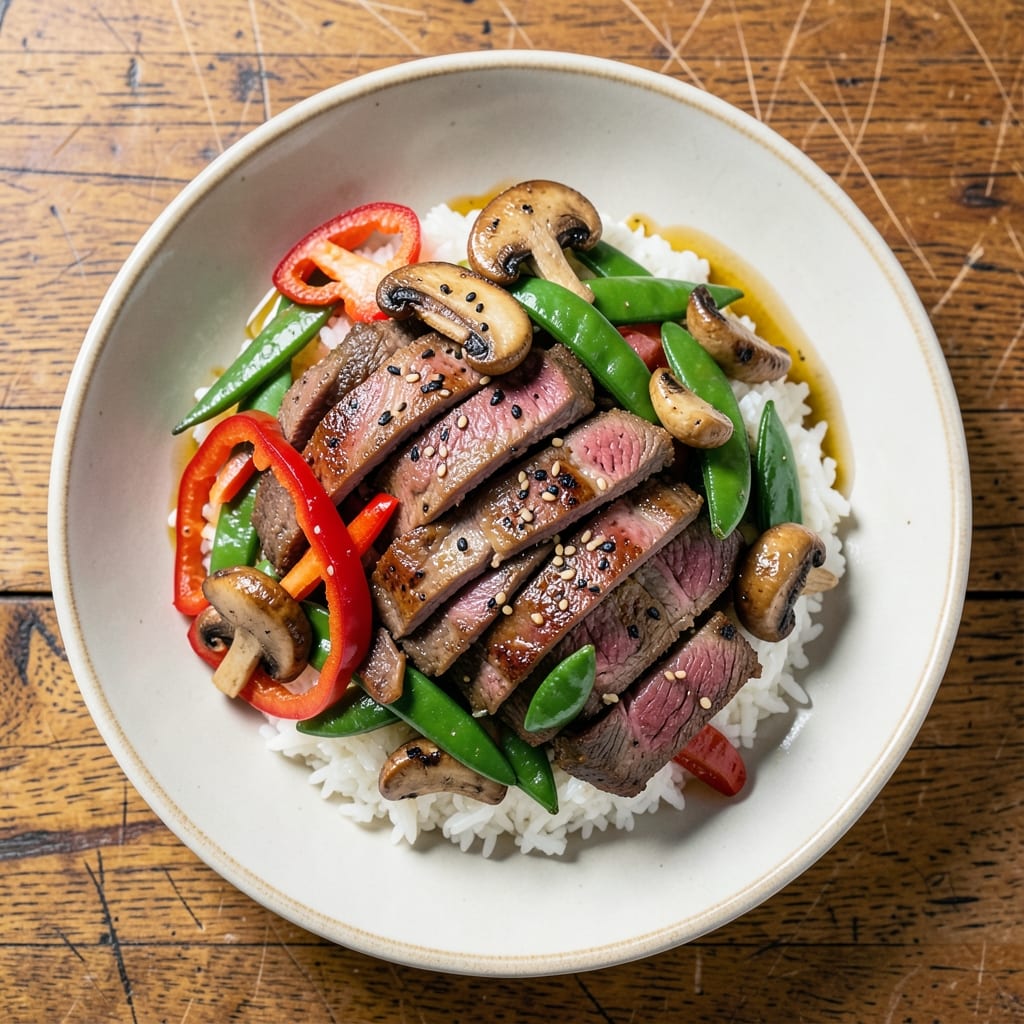
This Angus beef stir fry delivers restaurant-quality results with a searing-hot wok crust and silky beef bites—all in under 30 minutes. The secret lies in high-heat searing followed by quick stir-frying, which locks in juices while creating that coveted caramelized crust. I’ve perfected this technique after years of testing, and it never fails to impress even the most skeptical beef lovers.
The recipe starts with thinly sliced Angus beef, marinated in a simple blend of soy sauce, garlic, and ginger for just 15 minutes—no long waits or complicated steps. A hot wok or cast-iron skillet is essential here, as it ensures the beef develops that signature crust while staying tender inside. The stir-fry sauce, a balance of sweet, savory, and umami, ties everything together with a glossy finish.
By the time you’re done, you’ll have perfectly seared beef strips with a crispy exterior and tender interior, all coated in a velvety sauce. The dish pairs beautifully with steamed jasmine rice or noodles, soaking up every last drop of that flavorful sauce. This is the kind of meal that transforms a weeknight dinner into something special—without requiring advanced skills.
Whether you're feeding a family or hosting dinner guests, this recipe scales effortlessly. The key is keeping everything moving quickly once the beef hits the pan—no overcrowding, no rushing. Let’s get started on creating a stir-fry that tastes like it came straight from a high-end restaurant.
Ingredients for angus beef stir fry
Restaurant-quality wok crust and silky beef bites start with these 15 simple ingredients.
| Ingredient | Amount | Notes |
|---|---|---|
| Angus Beef Sirloin 🥩 | 1 ½ lb | Thinly sliced against grain |
| Low-Sodium Soy Sauce 🍶 | ½ cup | For marinade and sauce |
| Fresh Ginger 🌿 | 2 tbsp | Finely grated, aromatic |
| Garlic Cloves 🧄 | 6 cloves | Minced, not pre-minced |
| Sesame Oil 🫒 | 1 tbsp | Toasted, for aroma |
| Neutral Oil 🫒 | 3 tbsp | Avocado or vegetable oil |
| Honey 🍯 | 2 tbsp | For sauce sweetness |
| Rice Vinegar 🍶 | 2 tbsp | For acid balance |
| Oyster Sauce 🍶 | 2 tbsp | Umami depth |
| Red Bell Pepper 🌶️ | 1 whole | Sliced into strips |
| Broccoli Florets 🥦 | 2 cups | Medium-sized pieces |
| Jasmine Rice 🍚 | 1 ½ cups | Uncooked, for serving |
| Green Onions 🧅 | 3 whole | Sliced for garnish |
| Toasted Sesame Seeds 🌾 | 1 tbsp | For garnish |
| Salt 🧂 | 1 tsp | Kosher salt preferred |
The Angus sirloin is non-negotiable here—its marbling delivers that perfect crust. Grab it from the butcher counter if possible (they'll slice it thinly for you), or buy pre-sliced at Whole Foods or Costco. Look for thin, even slices—uneven pieces won't sear properly. Fresh ginger and garlic are musts too; the frozen dried stuff just won't cut it. For sesame oil, Kadoya is my go-to—it's toasted and aromatic, not that harsh supermarket kind. If you're short on time, pre-grate the ginger and mince the garlic while the rice cooks.
No low-sodium soy sauce? Regular soy sauce plus half the salt works, but you'll taste the difference. Subbing honey for maple syrup? Use the same amount—it's just as effective. Oyster sauce missing? Soy sauce plus a dash of fish sauce mimics the umami, but trust me, the real stuff is worth hunting down at an Asian market. Bell peppers can be swapped for snap peas or mushrooms, but they add that perfect crunch. And if you're feeling fancy, swap the broccoli for gai lan—it holds up beautifully to stir-frying. The rice? Jasmine is ideal, but basmati in a pinch works too.
Prep everything before you start cooking—this isn't a recipe for multitasking. The beef marinates in 15 minutes, so while it soaks up flavor, chop your veggies and measure your sauce. Leftover stir-fry? It reheats like a dream—just toss with a splash of water or broth to keep it moist. Stays fresh in the fridge for 3-4 days or freezes beautifully for up to 3 months. I always make extra because it's that good. Garnish with sesame seeds right before serving—they add that final crunchy pop that takes it from good to restaurant-quality.
Why You'll Love This Recipe
- One-Pan Magic: I swear by this recipe—just the beef, a splash of soy sauce, and a quick sear. No crowding, no sticking, and that cast-iron skillet does all the work while I toss in veggies (or skip them if I’m lazy).
- Umami Bomb: That low-sodium soy sauce and sesame oil combo? It’s like a flavor grenade. The ginger and garlic hit just right—bright enough to cut through the richness of the Angus, but never overpowering. (Yes, even my picky husband asks for seconds.)
- Leftovers That Don’t Suck: Between us, most stir-fry leftovers turn into sad, mushy meals. Not this one. The beef stays tender, the sauce clings perfectly, and reheating? Just a quick sizzle in the pan. I meal prep this for three lunches without a second thought.
- Budget Steakhouse Feel: I treat myself to Angus, but the rest is cheap and easy. A few cloves of garlic, a thumb of ginger, and a drizzle of sesame oil turn grocery-store beef into something that tastes like a splurge. (My secret? Don’t skip the high-heat sear—it’s the only fancy step.)
Step-by-step instructions for Angus beef stir fry
Here's how to transform tender Angus beef into a restaurant-quality stir fry with crisp vegetables and a glossy sauce.
Prepare the Beef and Marinade
Slice the 1.5 lb Angus Beef Sirloin thinly against the grain into ¼-inch thick strips. Place the beef in a bowl and add 0.5 cup Low-Sodium Soy Sauce, 2 tbsp Fresh Ginger, 6 cloves Garlic Cloves (minced), and 1 tsp Salt. Mix gently to coat evenly, then let it marinate for at least 20 minutes in the refrigerator. This marinade tenderizes the beef while infusing it with bold flavors.
While the beef marinates, prepare the remaining ingredients. Finely grate the 2 tbsp Fresh Ginger and mince the 6 cloves Garlic Cloves if you haven't already. Slice the 1 whole Red Bell Pepper into ¼-inch strips and cut the 2 cups Broccoli Florets into even-sized pieces. These prep steps ensure everything cooks uniformly in the wok.
Cook the Jasmine Rice
Rinse the 1.5 cups Jasmine Rice under cold water until the water runs clear, then drain well. Cook the rice according to package instructions, typically using a 1:1.5 rice-to-water ratio and simmering for 15-18 minutes until fluffy. Fluff the rice with a fork and keep it covered to prevent drying out while you finish the stir fry.
Real talk: Overcooking rice turns it mushy, so remove it from heat as soon as it's tender. If the rice seems undercooked, tent it with a damp towel for 5 minutes to steam through. The goal is perfectly cooked, separate grains that won't turn gummy when mixed with the stir fry.
Sear the Beef in High Heat
Heat a wok or large skillet over high heat until it's smoking hot. Add 3 tbsp Neutral Oil and swirl to coat the bottom evenly. Remove the beef from the marinade (reserve the marinade) and add it to the wok in a single layer. Let it sear undisturbed for 1-2 minutes until the edges turn deep golden brown and the beef releases easily from the pan.
This high-heat sear creates the signature wok crust while keeping the beef juicy inside. If the beef sticks, don't force it—add a splash of water and scrape up the browned bits (they're packed with flavor). Once the beef is browned, transfer it to a plate and set aside. You'll add it back later for the final toss.
Stir-Fry Vegetables and Build the Sauce
In the same wok, add 1 tbsp Neutral Oil and stir-fry the Red Bell Pepper strips and Broccoli Florets for 3-4 minutes until they begin to soften but still retain a crisp-tender texture. Add the reserved beef marinade, 2 tbsp Honey, 2 tbsp Rice Vinegar, 2 tbsp Oyster Sauce, and 1 tbsp Sesame Oil. Stir constantly for 2-3 minutes until the sauce thickens slightly and coats the vegetables.
The sauce should glisten and cling to the vegetables—this is your visual cue that it's ready. If it's too thick, add 1-2 tablespoons of water to loosen it. Here's where the magic happens: the acidity from the rice vinegar brightens the flavors, while the honey adds a subtle sweetness that balances the savory oyster sauce.
Combine and Finish
Return the seared beef to the wok and toss everything together for 1-2 minutes until the beef is heated through and coated in the sauce. The beef should be tender but still holding its shape—overcooking will make it tough. Taste and adjust seasoning with additional Low-Sodium Soy Sauce or Salt if needed.
To serve, spoon the stir fry over the Jasmine Rice and garnish with 3 whole Green Onions (sliced) and 1 tbsp Toasted Sesame Seeds. The contrast of the fluffy rice and vibrant stir fry makes this dish irresistible. Serve immediately while the beef is still sizzling hot and the vegetables retain their crisp texture.
Pro Tips For Making Angus Beef Stir Fry
- Slice Thin, Freeze First: That thick-cut sirloin won’t sear properly if it’s stubbornly resisting the knife. Pop it in the freezer for 20-30 minutes first—it gets firm enough to slice against the grain into ¼-inch strips. I learned this the hard way when my stir-fry turned into a chewy mess.
- Salt the Beef Early: Angus beef is lean and dries out fast. Toss the sliced sirloin with 1 teaspoon of salt (plus pepper) and let it sit uncovered on a plate for 15 minutes. The seasoning penetrates better, and the meat stays juicier when it hits the pan—no more dry bites after all that work.
- Don’t Crowd the Pan: Stir-frying is about surface area, not patience. Cook the beef in batches if needed—overcrowding steams instead of sears, and you’ll end up with soggy strips. A hot wok or skillet should have space between pieces; if it doesn’t, wait 2 minutes before adding more.
- Finish with Ginger-Garlic Oil: Save a teaspoon of the rendered beef fat (or use sesame oil) to toss in minced garlic and ginger after removing the beef. Let it sizzle for 10 seconds—this prevents the aromatics from burning and adds a punch of flavor that low-sodium soy sauce alone can’t match. (Yes, even if you’re impatient like me.)
Storing and reheating this recipe
Fridge Storage Tips
Let your stir-fry cool to room temperature for no more than 2 hours before storing. Transfer it to an airtight container with a tight-fitting lid—I use Glasslock 1-quart containers—and refrigerate immediately. The beef and vegetables stay tender for up to 3-4 days when stored at 40°F or below. The flavors actually deepen overnight as the sauce melds with the beef. 🥣
Freezer Prep
For longer storage, freeze portions in single-serving portions using ziplock freezer bags (lay them flat to save space). Label with the date—this dish freezes beautifully for up to 3 months. When reheating from frozen, add 1 tablespoon of water or beef broth to prevent drying out during the process. 🧊
Stovetop Reheating
My preferred method is stovetop reheating over medium-low heat for 5-7 minutes with a splash of water or broth. This preserves the beef's texture and prevents the sauce from becoming gummy. Stir frequently and taste before serving—you may need to add a pinch of salt or soy sauce to restore balance. 🔥
Microwave Method
For quick reheating, cover the stir-fry with a microwave-safe lid or damp paper towel and heat on 50% power for 2-3 minutes, stirring halfway. Add 1 teaspoon of water if it looks dry. The microwave can make beef slightly rubbery, so I only use this method for leftovers I won't be serving immediately. ⚡
Garnish Refresh
Before serving reheated stir-fry, always refresh the garnishes. Sprinkle with toasted sesame seeds and sliced green onions—these add freshness and crunch that's lost during storage. A drizzle of sesame oil (just ½ teaspoon) also brightens the flavors. The contrast makes even reheated stir-fry feel restaurant-fresh. 🌿
Nutrition facts
Frequently asked questions
Can I use a different cut of beef instead of Angus sirloin?
While Angus sirloin delivers the best flavor and texture, you can substitute with ribeye or strip steak (both work well). Avoid lean cuts like flank steak—they won't develop that signature crust. For budget-friendly options, top round works but needs 10 extra minutes marinating to tenderize. The key is thin slicing against the grain to ensure tenderness.
How do I get that perfect wok crust without a wok?
No wok? No problem! Use a cast-iron skillet or heavy stainless steel pan—they retain heat like a wok. Heat it over maximum heat until smoking hot, then add oil. The secret is high heat + thin beef slices. If your pan isn't hot enough, the beef will steam instead of sear. A 12-inch skillet works best for this recipe.
Can I make this stir-fry ahead of time?
The flavors actually improve overnight. Cook the stir-fry as directed, let it cool completely, then store in an airtight container for up to 4 days. Reheat gently on the stove with 1 tbsp water or broth to restore moisture. The beef stays tender, and the sauce clings beautifully. Just refresh the garnishes before serving.
What if my beef is too tough after cooking?
Overcooking is the usual culprit. The beef should cook for only 1-2 minutes total after returning to the wok. If it's tough, you likely cooked it too long. Next time, sear the beef just until browned (about 1-2 minutes per side) and keep the final toss to 1 minute max. Also ensure you're slicing against the grain—this shortens muscle fibers for tenderness.
Can I use frozen vegetables in this recipe?
Frozen veggies work in a pinch, but fresh is ideal. If using frozen, thaw and pat completely dry first—excess moisture steams the beef instead of searing it. For broccoli, blanch frozen florets in boiling water for 1 minute before stir-frying to maintain texture. Bell peppers also hold up well frozen, but they'll be softer than fresh.