
Snacks
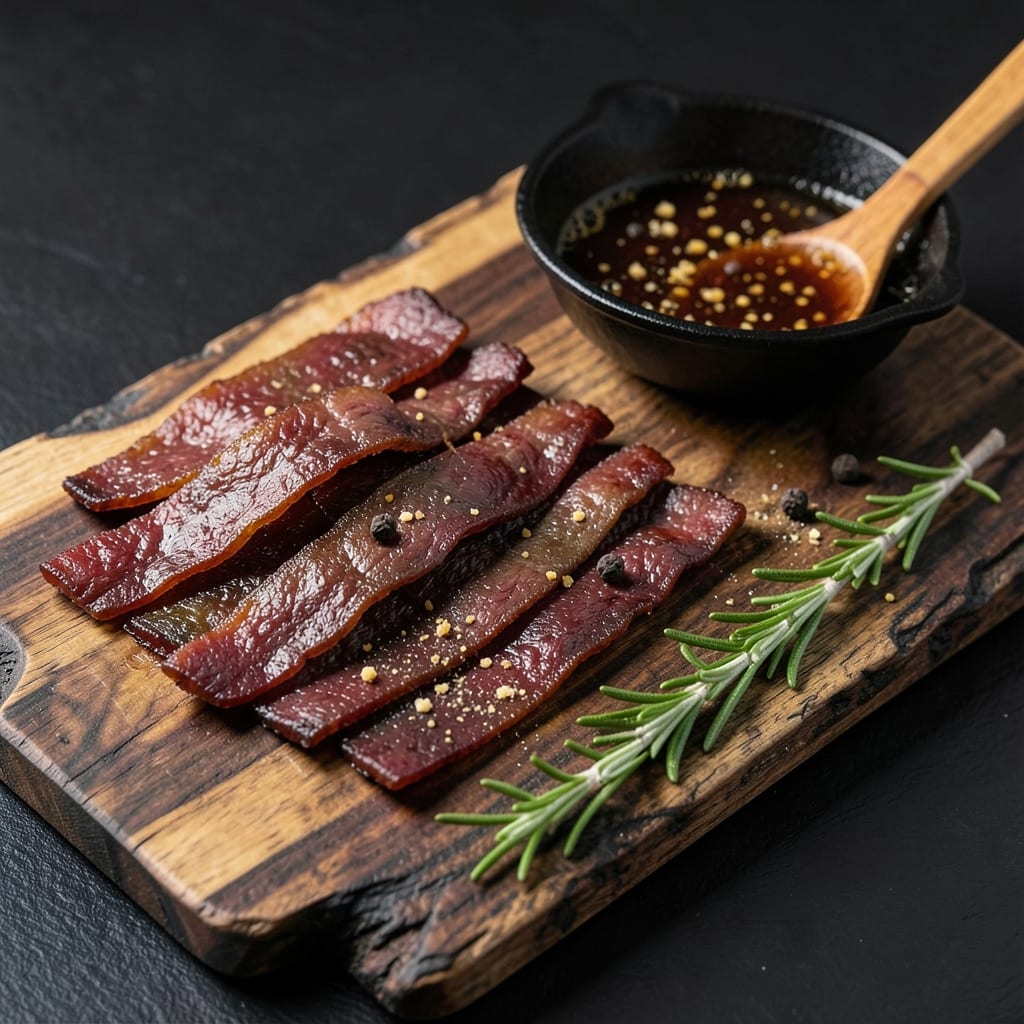
This apple cider vinegar beef jerky recipe transforms tough cuts into chewy, tangy snacks with restaurant-quality depth—no fancy equipment needed. The key? A marinade that tenderizes while preserving natural flavors, creating jerky that’s both bold and balanced. I’ve perfected this method over years of experimentation, ensuring every bite delivers that perfect sweet-savory punch.
The secret lies in the apple cider vinegar, which breaks down muscle fibers for tenderness while adding a bright, complex tang that sets this jerky apart from store-bought versions. You’ll slice lean beef thinly, marinate overnight, and dehydrate until it reaches that ideal chewy texture—no tough, rubbery results here. This method works for both dehydrators and ovens, making it accessible for any kitchen.
What you’ll end up with is jerky that’s rich in umami, with a crisp exterior and melt-in-your-mouth chew—ideal for snacks, camping trips, or protein-packed lunches. The apple cider vinegar not only enhances flavor but also acts as a natural preservative, keeping your jerky fresh for weeks when stored properly. No artificial additives, just pure, satisfying meat.
Whether you’re a jerky novice or a seasoned dehydrator user, this recipe delivers foolproof results every time. The marinade’s simplicity hides its power, while the curing process ensures a product that’s both delicious and shelf-stable. Let’s get started on making jerky that’ll have everyone asking for seconds.
Ingredients for apple cider vinegar beef jerky
Lean beef, tangy vinegar, and a touch of sweetness transform into restaurant-quality jerky with this simple marinade.
| Ingredient | Amount | Notes |
|---|---|---|
| Lean Beef Top Round Roast 🥩 | 2 lb | Trimmed of fat and sliced thinly |
| Apple Cider Vinegar 🍎 | 1 cup | Raw, unfiltered preferred |
| Brown Sugar 🍚 | ½ cup | Light or dark, packed |
| Kosher Salt 🧂 | 2 tbsp | Diamond Crystal preferred |
| Black Peppercorns 🌶️ | 1 tbsp | Freshly cracked preferred |
| Garlic Powder 🧄 | 1 tbsp | Freshly ground preferred |
| Onion Powder 🧅 | 1 tbsp | For depth of flavor |
| Smoked Paprika 🌶️ | 1 tbsp | For subtle smokiness |
| Ground Black Pepper 🌶️ | 1 tsp | Freshly ground for heat |
| Worcestershire Sauce 🍶 | 2 tbsp | Vegetarian-friendly version |
| Olive Oil 🫒 | 1 tbsp | For even coating |
The beef makes all the difference here—top round roast is lean but tender enough for jerky. Look for cuts with good marbling at Costco or Whole Foods—the extra fat keeps it juicy during dehydration. Trim any visible fat before slicing, aiming for ¼-inch thick strips (a sharp knife or deli slicer works best). If you can't find top round, sirloin tip is a great backup. The apple cider vinegar? Bragg Organic or Texas Pete—both have that bright, complex tang that sets this jerky apart from store-bought versions.
No apple cider vinegar? White vinegar plus 1 tsp apple cider gets you close, though the flavor won't be as layered. Brown sugar can be swapped for white sugar or maple syrup (reduce other liquids slightly). For a smokier kick, add ½ tsp liquid smoke to the marinade. The Worcestershire sauce is non-negotiable—it adds that umami depth, but vegetarian versions work just fine. If you're dehydrating in a hot climate, reduce the marinade time slightly—the vinegar can make the jerky too soft if left too long.
Marinated beef keeps in the fridge for up to 2 days before dehydrating. For best results, pat slices dry before placing on trays—this prevents sticking and speeds up drying. Dehydrated jerky stores for 2-3 weeks at room temperature in an airtight container, or 6 months in the freezer if you want to stock up. Pro tip: Vacuum-seal for longer shelf life—it keeps the jerky crisp and prevents freezer burn. Once opened, eat within 1 week for peak texture.
Why You'll Love This Recipe
- Five-Ingredient Magic: I swear, this jerky comes together with just beef, vinegar, sugar, salt, and pepper—no fancy marinades or hours of soaking. Honestly, the acid from the apple cider vinegar does most of the work while you prep the rest in 15 minutes flat.
- Sweet-Savory Balance: That caramelized brown sugar and tangy vinegar combo? It’s like a slow-cooked BBQ flavor without the fuss. The peppercorns add just enough bite to keep it interesting—no overpowering spices here.
- Zero-Waste Pantry Staple: Between us, this recipe turns cheap cuts of beef into something special without breaking the bank. I’ve made it for hiking snacks, game day bites, and even packed it in my kids’ lunches—no one ever complains.
- Lasts All Week: A single batch keeps in the fridge for days, and the flavor only gets better as it dries. I’ll be real: I’ve had jerky left from last month’s batch, and it’s still solid. Perfect for when you forget to meal prep.
Step-by-step instructions for apple cider vinegar beef jerky
Here's how to transform tough beef into tender, tangy jerky with perfect texture every time.
Trim and Slice the Beef Top Round
Start by trimming away any visible fat or silver skin from the 2 lb Lean Beef Top Round Roast using a sharp boning knife. This lean cut needs precise slicing to ensure even drying. Place the beef between two sheets of plastic wrap and pound it to an even ¼-inch thickness using a meat mallet—this creates uniform slices that dehydrate consistently.
Slice the beef against the grain into strips about ¼-inch wide. The grain direction is visible as fine lines running through the meat. You should end up with roughly 16-20 slices depending on the roast's size. Arrange the slices on a plate and refrigerate while you prepare the marinade—this keeps them firm for easier handling later.
Prepare the Tangy Marinade
In a large bowl, combine the 1 cup Apple Cider Vinegar, 0.5 cup Brown Sugar, 2 tbsp Kosher Salt, 2 tbsp Worcestershire Sauce, and 1 tbsp Olive Oil. Whisk until the sugar and salt dissolve completely, creating a smooth marinade base. The vinegar will begin to break down the beef's proteins immediately, tenderizing the meat.
Add the remaining spices—1 tbsp Black Peppercorns (freshly cracked), 1 tbsp Garlic Powder, 1 tbsp Onion Powder, 1 tbsp Smoked Paprika, and 1 tsp Ground Black Pepper. Mix thoroughly until all the spices are evenly distributed throughout the marinade. The combination of vinegar's acidity and the smoky, savory spices creates that signature tangy depth we're after.
Marinate the Beef for Maximum Flavor
Transfer the beef slices to a resealable plastic bag and pour the marinade over them. Seal the bag and massage the marinade into the meat, ensuring every slice is fully coated. Place the bag in the refrigerator and marinate for at least 12 hours, but I recommend 24 hours for maximum tenderness and flavor penetration.
During this time, the acid in the vinegar will begin breaking down the beef's connective tissue, while the sugar and salt draw out moisture that will be replaced with flavorful marinade. This step is crucial—don't rush it. The longer the marinate, the more tender and flavorful your jerky will be, but no longer than 48 hours or the beef may become mushy.
Dehydrate for Perfect Texture
Preheat your dehydrator to 160°F—this temperature ensures the jerky dries slowly and evenly without becoming rubbery. Arrange the marinated beef slices in a single layer on the dehydrator trays, leaving about ½-inch space between each piece. This spacing allows proper air circulation, which is essential for even drying.
Dehydrate for 4-6 hours, checking periodically. The jerky is ready when it's no longer pliable and makes a slight cracking sound when bent. It should feel dry to the touch but still slightly chewy—not brittle. For extra insurance, use the "jerky" setting on your dehydrator if available, as these are specifically calibrated for this purpose.
Cool and Store for Maximum Shelf Life
Once fully dehydrated, remove the jerky from the dehydrator and let it cool completely on a wire rack. This cooling step prevents condensation from forming when you store them in containers. The jerky should be firm to the touch but still retain its chewy texture when bitten into.
Store the cooled jerky in an airtight container in a cool, dark place. When properly dehydrated, it will keep for up to 2 weeks at room temperature or up to 3 months in the refrigerator. For longer storage, vacuum-seal the jerky and freeze it for up to 6 months. The flavors will continue to develop and deepen over time, making this jerky even more delicious with age.
Pro Tips For Making Apple Cider Vinegar Beef Jerky
- Slice Thin, Slice Even: Lean beef jerky needs patience—cut your top round against the grain into ¼-inch slices (yes, measure it). Uneven slices mean uneven cooking, and you’ll end up with some chewy, some dry. A sharp knife and a steady hand make all the difference.
- Marinate Overnight, Not Just Hours: I used to rush the marinade, thinking a few hours would do. Wrong. Apple cider vinegar needs 12+ hours to tenderize and penetrate the beef. Toss the slices in a zip-top bag with the marinade, press out air, and refrigerate—your jerky will be noticeably more flavorful and tender.
- Skip the Crowded Dehydrator: Stuffing your dehydrator too full traps moisture and turns your jerky into leather. Arrange slices 1 inch apart on trays, overlapping just slightly. If you’re short on space, rotate trays halfway through—this guarantees even drying without soggy spots.
- Crush Peppercorns Like You Mean It: Whole black peppercorns just sit there. Pulse them in a spice grinder or crush them with the flat of a knife until they’re tiny specks. This ensures every bite gets that peppery kick, not just a few lucky spots. (I know, it’s extra work—but it’s worth it.)
Storing and reheating your leftovers
Room Temperature Storage
Your homemade apple cider vinegar jerky stays fresh for up to 2 weeks at room temperature when stored in an airtight container—I use Mason jars with silicone lids for that rustic touch. Keep it in a cool, dark pantry away from direct sunlight to prevent flavor degradation. The vinegar's natural preservation properties help maintain texture, but humidity is the enemy here. 🌡️
Refrigerator Preservation
For longer freshness, refrigerate your jerky in a sealed container (like Vac-u-Pak bags) where it lasts up to 3 months. The cold slows moisture loss, keeping it chewy rather than dry. I like to portion into small bags for easy snacking—just grab and go!
Freezer Extension
For maximum shelf life, vacuum-seal your jerky and freeze it for up to 6 months. The vacuum sealing removes air that causes freezer burn, preserving both flavor and texture. I use a FoodSaver vacuum sealer with quart-sized bags—they stack neatly in my freezer. When ready to eat, thaw overnight in the fridge or reheat in a 200°F oven for 5 minutes to restore chewiness.
Reviving Dried Jerky
If your jerky loses its chew after storage, don't toss it! Place strips on a dehydrator tray at 160°F for 10-15 minutes to restore moisture balance. For quick fixes, I microwave 10-second bursts (covered with a damp paper towel) until slightly pliable. The apple cider vinegar marinade helps it bounce back better than plain jerky. 💫
Packing for Travel
Jerky makes the perfect on-the-go snack, but packing matters. Use resealable plastic bags with oxygen absorbers (like Earth Packaging kits) to keep it fresh for 3-4 days without refrigeration. For camping trips, I wrap individual strips in parchment paper and tuck them into my cooler—this prevents crushing and keeps them dry. 🏕️
Reheating for Meals
While jerky is great cold, reheating enhances its restaurant-style appeal. Warm strips in a skillet over medium heat for 1-2 minutes until slightly crispy, or toss them into soups and salads for added protein. For a smoky twist, I broil jerky for 30 seconds—just watch it like a hawk to avoid burning! The apple cider vinegar flavor shines when heated gently. 🔥
Nutrition facts
Frequently asked questions
Why does apple cider vinegar make jerky taste better?
The acidity in apple cider vinegar tenderizes the beef by breaking down muscle fibers while adding a bright, complex tang that balances the sweetness from brown sugar. It also acts as a natural preservative, extending shelf life and enhancing umami flavors through its fermentation compounds. This creates that signature depth you won't find in store-bought versions.
Can I use a different vinegar if I don't have apple cider?
Yes, but the flavor will differ. For closest results, use white vinegar plus 1 tsp apple cider vinegar per cup. For a milder taste, try balsamic vinegar (reduce sugar slightly). Avoid apple juice vinegar—it lacks the acidity needed for proper curing. The vinegar's acidity is key for both tenderness and preservation.
How do I fix jerky that's too tough or rubbery?
Over-dehydrating causes toughness. To salvage it, place strips on a dehydrator tray at 160°F for 10-15 minutes to restore moisture. For quick fixes, microwave 10-second bursts (covered with a damp paper towel). The apple cider vinegar marinade helps jerky bounce back better than plain versions. If severely dried, try slicing thinner and dehydrating again at 145°F for 2 hours.
What's the best way to slice beef for jerky?
Slice against the grain into ¼-inch thick strips (use a sharp knife or deli slicer). The grain direction creates visible lines in the meat—cut perpendicular to these. For even drying, pound slices to ⅛-inch thickness using plastic wrap and a meat mallet. If your slices vary in thickness, they'll dehydrate unevenly, leading to some pieces being too tough.
Can I make this jerky without a dehydrator?
Use an oven set to 175°F with the door slightly open for airflow. Place beef on a wire rack over a baking sheet and dehydrate for 3-4 hours, checking frequently. For a smokier flavor, try a smoker at 165°F for 4 hours. The key is low, consistent heat—never exceed 180°F or the jerky will dry out too quickly and become brittle.