
Main Courses
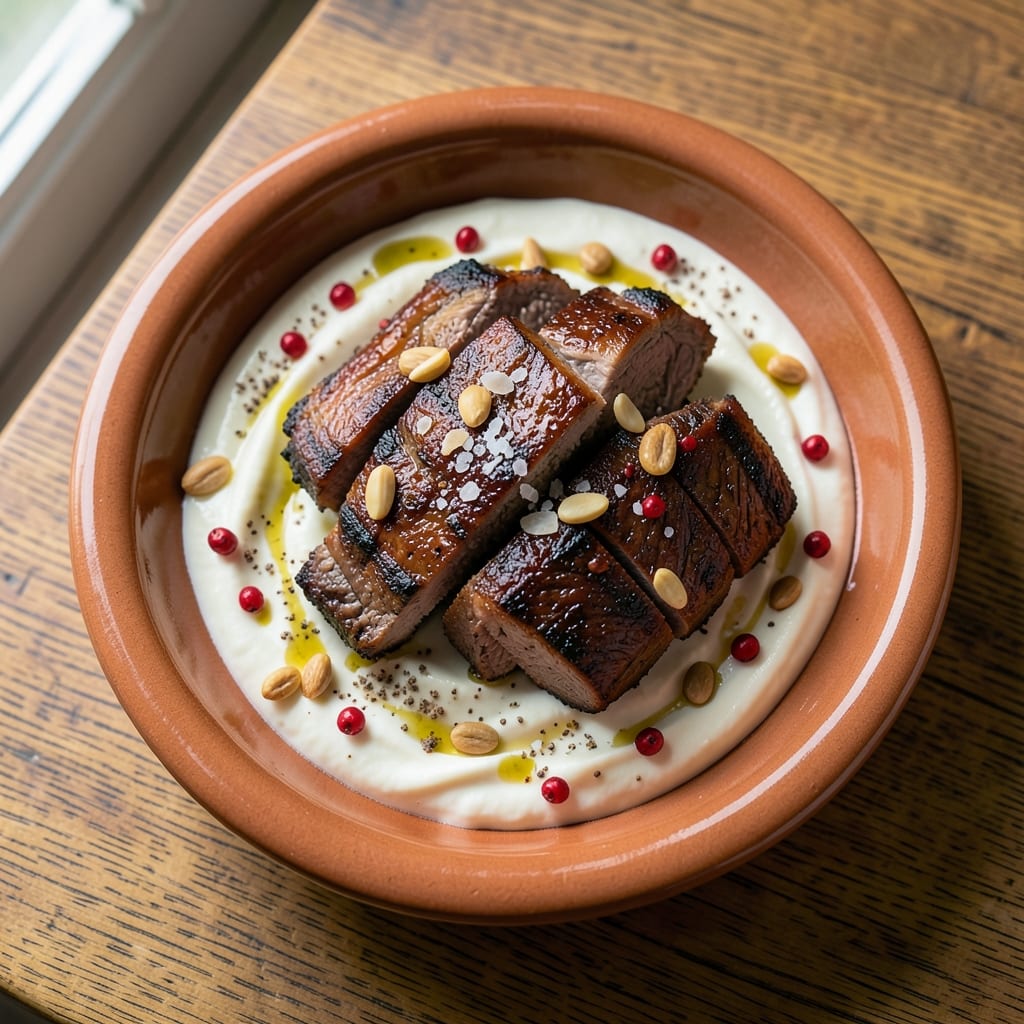
This Arabic beef recipe transforms tough cuts into melt-in-your-mouth tenderness through a slow-spiced marinade of yogurt and tahini. The secret lies in the marriage of traditional Middle Eastern flavors—garlic, cumin, and sumac—simmered with the beef for hours until it practically falls apart. I first discovered this technique while traveling through Jordan, where it’s served as the centerpiece of Mansaf, the national dish, with fragrant rice and crispy flatbread.
The magic happens in the marinade, where tangy yogurt tenderizes the meat while tahini adds richness and depth. Slow cooking ensures the beef stays juicy and flavorful, not dry or chewy. This method works beautifully with chuck roast or beef shoulder, making it perfect for special occasions or family gatherings. The aroma alone—warm spices mingling with caramelized edges—will have everyone at your table asking what’s for dinner.
By the time you serve it, you’ll have perfectly tender beef slices that glisten with the marinade’s golden sauce. The dish pairs elegantly with steamed basmati rice, warm pita bread, and a fresh cucumber salad. Each bite delivers layers of savory, spiced, and slightly smoky flavors that feel like a taste of the Middle East.
This recipe is designed to impress without requiring advanced skills—just patience and a few simple ingredients. The result is restaurant-quality beef that’s worth every minute of slow cooking. Let’s get started!
Ingredients for arabic beef
Sixteen ingredients blend Middle Eastern tradition with slow-cooked perfection for melt-in-your-mouth beef.
| Ingredient | Amount | Notes |
|---|---|---|
| Beef Chuck Roast 🥩 | 3 lb | 3-4 inches thick, trimmed of fat |
| Plain Whole Milk Yogurt 🥛 | 1 ½ cups | Full-fat for optimal tenderness |
| Tahini 🥜 | ½ cup | Sesame paste, unsweetened |
| Garlic Cloves 🧄 | 8 cloves | Freshly minced, skin on |
| Ground Cumin 🌿 | 1 ½ tbsp | Toasted for deeper aroma |
| Sumac 🍃 | 1 tbsp | Finely ground, tart flavor |
| Ground Coriander 🌶️ | 1 tbsp | Freshly ground preferred |
| Turmeric Powder 🧡 | ½ tsp | For vibrant color and earthiness |
| Salt 🧂 | 1 ½ tsp | Diamond Crystal kosher salt |
| Black Peppercorns 🌶️ | 1 tsp | Freshly cracked, coarse grind |
| Extra-Virgin Olive Oil 🫒 | ¼ cup | For richness and balance |
| Lemon Juice 🍋 | 2 tbsp | Freshly squeezed, strained |
| Fresh Rosemary 🌿 | ¼ cup | Chopped, stems removed |
| Onion Powder 🧅 | 1 tsp | For subtle depth of flavor |
| Water 💧 | ½ cup | For thinning marinade if needed |
The beef cut is critical—chuck roast delivers that signature fall-apart texture when slow-cooked. Jordanian and Lebanese butchers often sell pre-trimmed cuts, but if you're shopping at a mainstream grocery store like Whole Foods or Kroger, look for a roast with visible marbling and a thick fat cap. The yogurt should be plain, full-fat—Greek-style yogurt works best for its thickness. For tahini, Bella brand from Middle Eastern markets offers the smoothest texture, though any quality sesame paste will do. Freshly toasted cumin seeds (ground in a mortar or coffee grinder) elevate the dish, but pre-ground cumin from Penzeys Spices is a reliable alternative. Sumac is the secret weapon here—its tangy brightness cuts through the richness. If you can't find it at your local grocery, specialty stores like Middle Eastern markets or online retailers carry it.
No chuck roast? Beef shoulder works equally well, though it may require slightly longer cooking. Substitute Greek yogurt for regular yogurt, but expect a slightly thinner marinade. Tahini unavailable? Olive oil plus a teaspoon of sesame seeds mimics its flavor profile. For sumac, lemon zest plus a pinch of smoked paprika provides a similar brightness. The garlic should be freshly minced—jarred minced garlic lacks the aromatic punch. If you're missing rosemary, thyme or marjoram offer comparable earthiness. The lemon juice is non-negotiable for acidity—bottled lemon juice works in a pinch, but freshly squeezed adds complexity. For the olive oil, avoid light or refined varieties—extra-virgin with peppery notes enhances the dish's depth.
The marinade keeps for up to 5 days in an airtight container in the refrigerator, though the beef should marinate for at least 8 hours (overnight is ideal). If you're prepping ahead, marinate the beef for 24 hours—the longer it sits, the more tender it becomes. The cooked beef reheats beautifully in a 350°F oven for 15 minutes, covered with foil. For storage, portion the cooked beef into airtight containers with a thin layer of marinade to maintain moisture. It stays fresh in the fridge for 4-5 days or can be frozen for up to 3 months. The marinade itself (without beef) freezes well for 6 months—perfect for quick weeknight meals where you can toss in pre-cooked beef.
Why You'll Love This Recipe
- One-Pot Magic: I swear by this—just brown the beef, dump in the yogurt-tahini sauce, and let the oven do the rest. No chopping, no stirring, no stress. The cumin and garlic work their flavor magic while you’re scrolling through your phone.
- Tahini Twist: That nutty tahini sauce is the star—creamy, tangy, and just sweet enough to balance the rich beef. Honestly, I’ll take this over any dry rub or heavy gravy. It’s the kind of flavor that makes you slow down and savor every bite.
- Leftover Hero: This beef stays moist for days, so I make it on Sundays and eat it for lunch all week. Reheat slices in a pan with a splash of water, and it’s just as tender. My kids beg for it, and my wallet thanks me for not ordering takeout.
- Budget Stretch: A chuck roast feeds six for under $20, and the yogurt and tahini cost pennies at the bulk store. Between us, this is one of the most economical meals that still feels special. No sad leftovers here—just happy, full stomachs.
Step-by-step instructions for slow-spiced yogurt and tahini beef
This method transforms tough beef into melt-in-your-mouth perfection through slow cooking and aromatic spices.
Prepare the Yogurt-Tahini Marinade
In a large mixing bowl, combine the 1.5 cups plain whole milk yogurt, 0.5 cup tahini, 8 cloves freshly minced garlic cloves, 1.5 tablespoons ground cumin, 1 tablespoon sumac, 1 tablespoon ground coriander, 0.5 teaspoon turmeric powder, 1.5 teaspoons salt, and 1 teaspoon freshly cracked black peppercorns. Whisk vigorously until the mixture is completely smooth and all spices are fully dissolved. The tahini will give the marinade a rich, nutty depth that tenderizes the beef while adding complexity.
Add the 0.25 cup extra-virgin olive oil and 2 tablespoons lemon juice, then whisk again. The lemon juice brightens the earthy spices, while the olive oil helps emulsify the tahini for a silky texture. Taste the marinade and adjust seasoning if needed—this is your flavor foundation. Transfer half of the marinade to a separate bowl for later use.
Coat and Rest the Beef
Pat the 3 lb beef chuck roast dry with paper towels—this ensures the marinade adheres properly and promotes even browning. Place the beef in a large resealable plastic bag or shallow dish and pour the remaining marinade over it. Using your hands, massage the marinade into every surface, including the crevices. This step is critical for maximum flavor penetration.
Seal the bag (or cover the dish) and refrigerate for at least 12 hours, or preferably 24 hours. The acidity in the yogurt and lemon juice begins breaking down the beef fibers immediately, while the spices infuse deeply. Real talk: if you're short on time, a minimum 4-hour marinade will still yield tender results, but longer is always better.
Sear the Beef for Depth of Flavor
Remove the beef from the refrigerator and let it sit at room temperature for 30 minutes before cooking. Preheat your oven to 325°F and heat a Dutch oven or heavy pot over medium-high heat. Add the 0.25 cup fresh rosemary and 1 teaspoon onion powder to the pot, then add the beef and sear on all sides until deeply browned—about 4-5 minutes per side. This caramelization creates the rich, meaty foundation for your dish.
Once browned, remove the beef and set it aside. Pour the reserved marinade into the pot, scraping up any browned bits from the bottom. This deglazing step captures all the concentrated beef flavor that would otherwise be lost. Bring the marinade to a gentle simmer over medium heat for 2-3 minutes until slightly thickened.
Slow Cook Until Fork-Tender
Return the beef to the pot, nestling it into the marinade. Pour in the 0.5 cup water and bring everything to a gentle simmer. Cover the pot tightly with a lid and transfer to the preheated 325°F oven. Cook for 3-4 hours, or until the beef is fork-tender and easily pulls apart with minimal resistance. The internal temperature should reach 200-203°F—this low-and-slow approach ensures the connective tissue breaks down completely, resulting in melt-in-your-mouth texture.
Here's the thing—don't peek or lift the lid during cooking. Every time you open it, you release steam and extend the cooking time. The beef will develop a beautiful crust from the caramelized marinade, and the internal juices will redistribute for maximum tenderness. If the liquid reduces too much before the beef is done, add a splash of water or broth to maintain moisture.
Rest and Serve with Confidence
Once the beef reaches the proper temperature, remove it from the oven and transfer it to a cutting board. Tent loosely with foil and let it rest for 15-20 minutes. This resting period allows the fibers to relax and the juices to redistribute, preventing them from pooling on your plate. The beef should be so tender it practically falls apart when sliced—this is the hallmark of a successful slow-cooked roast.
Slice the beef against the grain into ¼-inch thick pieces and serve immediately with the reduced marinade spooned over the top. The combination of yogurt's tang, tahini's creaminess, and the deep, earthy spices creates a harmonious balance that elevates simple beef into something extraordinary. Pair with crusty bread or fluffy rice to soak up every last drop of that flavorful sauce.
Pro Tips For Making Arabic Beef
- SEAR THE ROAST FIRST: I learned this the hard way—skipping the sear means your beef will taste like it’s been simmered in water. Get that chuck roast screaming hot in a dry pan for 3-4 minutes per side before adding anything. The crust locks in flavor and keeps the meat from turning into mush later.
- WHISK TAHINI WITH YOGURT: Tahini and yogurt don’t mix like friends at a party—stirring them in at the end just gives you a lumpy sauce. Whisk them together first with a splash of warm water (about 2 tablespoons) until smooth. This ensures your sauce coats the beef evenly instead of clinging in clumps.
- DON’T OVERCOOK THE GARLIC: I’ve ruined more marinades than I’ll admit by burning garlic. Sauté those cloves in the oil until they’re just golden—about 30 seconds—then remove them. Overcooking turns them bitter, and your whole dish suffers for it. (Yes, even if you’re impatient like me.)
- REST THE MEAT BEFORE SLICING: Cutting into beef right after cooking is how you end up with dry, stringy slices. Let the roast sit under foil for 10-15 minutes—this lets the juices redistribute. Then slice against the grain for tender, restaurant-quality bites. (Your future self will thank you.)
Make-ahead tips for this arabic beef
Marinade Prep Ahead
Make the marinade up to 5 days in advance and store it in an airtight container in the fridge. This gives the spices time to meld beautifully while saving you prep time on cooking day. I like to whisk it fresh, but if you're short on time, even a 24-hour marinade makes a world of difference in tenderness. 💪
Beef Marinating Timeline
Marinate the beef for at least 12 hours, but 24 hours is ideal—this is where the magic happens. The yogurt and tahini work together to break down the tough fibers, while the spices infuse deeply. If you're planning ahead, marinate the beef the night before and let it sit in the fridge overnight. Pro tip: Use a resealable plastic bag to save space and prevent spills. 🌿
Slow Cooking Shortcuts
If you're using a slow cooker, transfer the marinated beef (with marinade) to the pot and cook on LOW for 8-10 hours or HIGH for 5-6 hours. Add ½ cup water halfway through if needed. For the instant pot, use the SEAR function to brown the beef, then switch to LOW pressure for 60 minutes. Both methods deliver tender results with minimal hands-on time. ⏰
Make-Ahead Serving Prep
Cook the beef 1-2 days ahead and store it in an airtight container with some of the marinade to keep it moist. Reheat in a 350°F oven for 15-20 minutes or until warmed through. This is perfect for meal prep—slice and portion the beef, then reheat individual servings as needed. The flavors only get better with time! 💫
Freezer-Friendly Tips
Freeze the cooked beef (with marinade) in portioned airtight containers for up to 3 months. Thaw overnight in the fridge before reheating. For a quick meal, toss frozen beef directly into a Dutch oven with fresh marinade and slow-cook from frozen. The texture stays tender, and the flavors remain rich. ❄️
Leftovers Reinvented
Use leftover beef in wraps with hummus and pickled veggies, or shred it for spiced beef patties. The yogurt-tahini marinade adds moisture and flavor to any dish. I also love mixing it into grain bowls with quinoa and roasted vegetables for a hearty lunch. Get creative—this beef is versatile! 🌟
Nutrition facts
Frequently asked questions
What's the best cut of beef for this Arabic recipe?
This recipe works best with chuck roast or beef shoulder—both cuts have the right amount of fat and connective tissue to become fork-tender when slow-cooked. Avoid lean cuts like sirloin, which can dry out during the long cooking process. Look for a roast with visible marbling for extra juiciness.
Can I substitute Greek yogurt for regular yogurt?
Yes, but expect a slightly thicker marinade. Greek yogurt works perfectly and adds extra protein, though the texture may be denser. For a lighter consistency, thin it with 1-2 tablespoons of water or lemon juice to match the original recipe's balance. The flavor remains rich and tangy either way.
How do I know when the beef is fully cooked?
The beef is done when it reaches an internal temperature of 200-203°F and easily pulls apart with minimal resistance. A meat thermometer is your best tool—insert it into the thickest part of the roast. If it's still firm, return it to the oven for another 30-45 minutes. The slow cooking process ensures maximum tenderness.
What's the best way to reheat leftovers?
Reheat leftovers in a 350°F oven for 15-20 minutes, covered with foil, until warmed through. For quick reheating, use the microwave on 50% power for 2-3 minutes, then finish with a splash of water to restore moisture. Never reheat from frozen—thaw completely first.
Can I make this recipe in a slow cooker?
Transfer the marinated beef to a slow cooker and cook on LOW for 8-10 hours or HIGH for 5-6 hours. Add ½ cup water halfway through if needed. The slow cooker's gentle heat mimics oven cooking perfectly, resulting in tender beef with minimal effort.