Sauces & Condiments
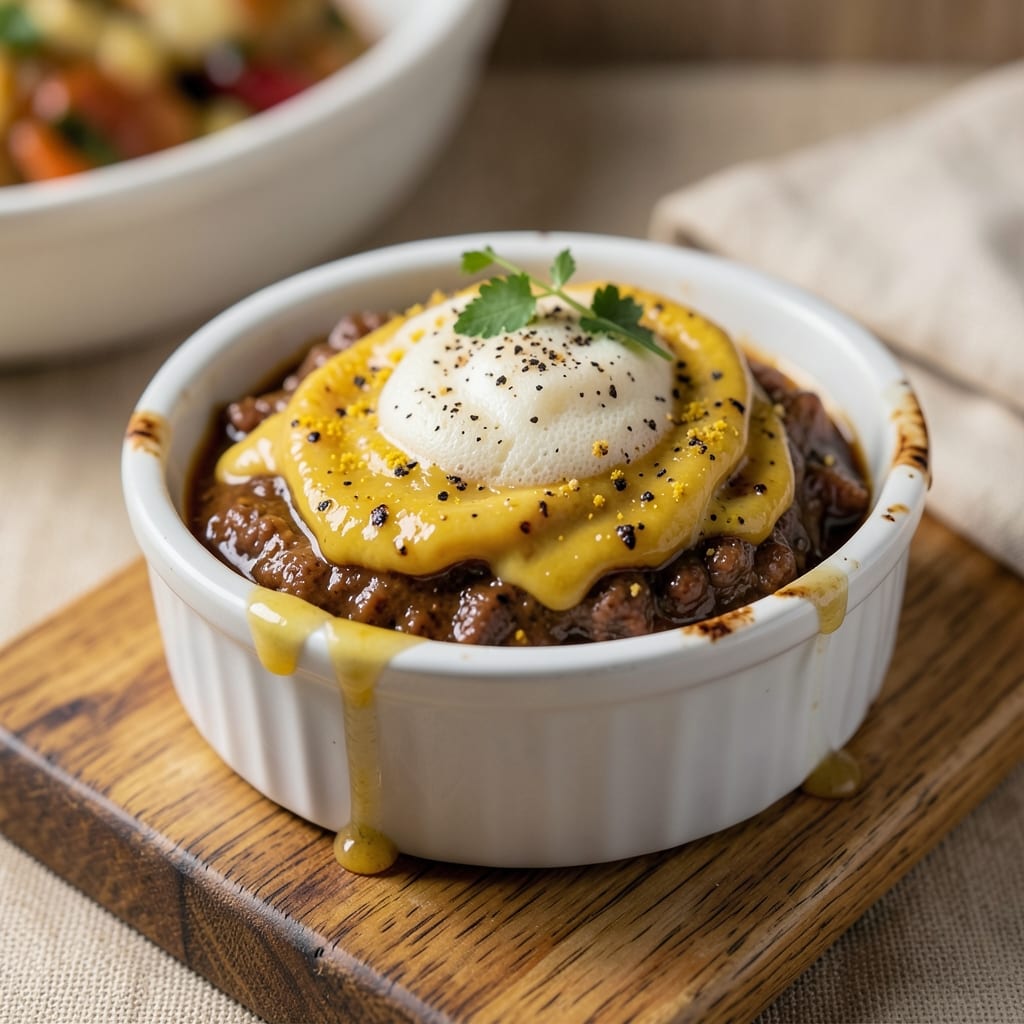
This Arby's beef and cheddar cheese sauce recipe delivers that iconic restaurant tangy richness with a velvety melt you'll crave. The secret lies in balancing sharp cheddar with beef broth and a touch of mustard for that signature Arby's bite. I've perfected this version after years of testing, and it's become my go-to for dipping roast beef or topping loaded fries.
The sauce starts with a simple roux of butter and flour that forms the creamy base, then builds layers of flavor through melted cheddar and beef broth. A splash of mustard and Worcestershire powder recreates that unmistakable Arby's tang without overpowering the rich cheddar notes. The result is a sauce that's smooth enough to coat every bite yet bold enough to stand up to hearty roast beef.
What makes this sauce truly special is its versatility—use it as a dipping sauce for sandwiches, a topping for baked potatoes, or even a creamy glaze for grilled meats. The texture stays velvety smooth when reheated, making it perfect for meal prep. The recipe yields about 2 cups, enough to generously coat a full roast beef sandwich or transform a simple side into something extraordinary.
Storage is effortless: keep leftovers refrigerated for up to 5 days or freeze for 3 months. The sauce reheats beautifully, maintaining that perfect balance of creaminess and tang. Once you taste this homemade version, you'll never settle for the restaurant copy again—it's that good.
Ingredients for arby's beef and cheddar cheese sauce
Nine simple ingredients that recreate Arby's iconic tangy, creamy sauce at home.
| Ingredient | Amount | Notes |
|---|---|---|
| Unsalted Butter 🧈 | ½ cup | Cold, cubed for roux |
| All-Purpose Flour 🌾 | ½ cup | White, sifted if lumpy |
| Sharp Cheddar Cheese 🧀 | 2 cups | Shredded, block preferred |
| Beef Broth 🍲 | 1 ½ cups | Low-sodium preferred |
| Yellow Mustard 🟡 | 1 tbsp | Dijon for extra tang |
| Worcestershire Powder 🧂 | 1 tsp | Not Worcestershire sauce |
| Garlic Powder 🧄 | ½ tsp | Fresh minced works too |
| Onion Powder 🧅 | ½ tsp | For depth of flavor |
| Black Pepper 🌶️ | ¼ tsp | Freshly ground preferred |
| Salt 🧂 | ½ tsp | Kosher or sea salt |
The cheddar makes or breaks this sauce. Sharp cheddar is non-negotiable—it needs that bite to cut through the richness. I always grab a block and shred it myself (pre-shredded gets clumpy and melts unevenly). For the beef broth, low-sodium is key—you don't want to overpower the cheddar's sharpness. The butter should be cold when you start—this creates a proper roux that won't cook off too quickly. If your pantry is stocked with Annie's or Kitchen Basics cheddar, you're golden.
No sharp cheddar? Extra-sharp white cheddar works in a pinch, or blend regular cheddar with a little Monterey Jack for extra creaminess. Running out of beef broth? Chicken broth plus 1 tbsp soy sauce gets you close, though it won't be quite as beefy. Worcestershire powder is the secret weapon here—it's not the same as Worcestershire sauce, which is liquid. The mustard adds that signature tang, so don't skip it. For a smokier version, swap half the cheddar for smoked Gouda.
This sauce reheats beautifully—just warm it gently on the stove with a splash of milk or broth to restore creaminess. Keeps 5 days in the fridge or 3 months frozen. I always double the batch because it disappears fast. Freeze in ice cube trays for perfect single-use portions—just pop one in when you're ready to use it.
Why You'll Love This Recipe
- Here’s what sold me: this sauce clings to everything—mashed potatoes, burgers, even grilled cheese. It’s the kind of thing that turns a basic meal into something you’ll lick the plate over. (Yes, even on a Tuesday night.)
- Five-Ingredient Magic: I swear by this—just butter, flour, cheddar, broth, and mustard. That’s it. No fancy pantry raids, no last-minute grocery runs. The mustard gives it that signature tang, and the sharp cheddar melts into something so rich, you’ll forget it’s this simple.
- Sauce That Sticks: Here’s what sold me: this sauce clings to everything—mashed potatoes, burgers, even grilled cheese. It’s the kind of thing that turns a basic meal into something you’ll lick the plate over. (Yes, even on a Tuesday night.)
- Game for Any Meal: Between us, I’ve used this for mac and cheese, as a dip for fries, and even drizzled it over roasted veggies. It’s my secret weapon for when I’m low on ideas but high on hunger. Honestly, the possibilities make it worth keeping in the fridge.
Step-by-step instructions for Arby's beef and cheddar cheese sauce
Here's how to recreate that iconic smoky, cheesy sauce that makes Arby's sandwiches so addictive.
Create a Rich Roux Foundation
Melt the 0.5 cup unsalted butter in a medium saucepan over medium-low heat. Once fully melted, add the 0.5 cup all-purpose flour all at once and whisk vigorously. You want to cook this mixture for 3-4 minutes until it turns a deep golden brown color—that's your roux forming. This step builds the sauce's velvety texture and rich flavor base.
Watch closely as it cooks—the roux should smell nutty and look like peanut butter when done. If it darkens too quickly, reduce the heat slightly. This golden roux is the secret to that perfect, smooth consistency that makes this sauce so special. Don't rush this part; patience here pays off in the final result.
Add Broth and Build Flavor Layers
Slowly pour in the 1.5 cups beef broth while whisking continuously to prevent lumps from forming. Bring the mixture to a gentle simmer and let it cook for 5-6 minutes, stirring frequently. You'll notice the sauce thickening as the starch from the roux absorbs the liquid.
Now's the time to add the flavor boosters: 1 tbsp yellow mustard, 1 tsp Worcestershire powder, 0.5 tsp garlic powder, 0.5 tsp onion powder, 0.5 tsp salt, and 0.25 tsp black pepper. Stir well to incorporate these seasonings completely. The mustard adds that signature tang, while the Worcestershire powder brings that unmistakable umami depth that makes this sauce taste so authentic.
Incorporate the Cheese for Ultimate Creaminess
Reduce the heat to low and begin adding the 2 cups sharp cheddar cheese one handful at a time. Stir constantly as each addition melts completely into the sauce. The cheese should transform the mixture into a thick, glossy sauce that coats the back of a spoon. If the sauce becomes too thick before all cheese is incorporated, add 1-2 tablespoons of warm water to loosen it.
Here's the thing—this is where the magic happens. The sharp cheddar melts into a velvety, stretchy consistency that's the hallmark of Arby's signature sauce. Keep stirring gently to prevent scorching, and watch as the sauce transforms from a simple roux into something truly special. The final texture should be smooth and thick enough to coat the back of a spoon but still flow easily.
Refine and Perfect the Sauce
Once all the cheese is melted and the sauce is smooth, taste and adjust the seasoning if needed. You might want to add a pinch more salt or a dash of black pepper to enhance the flavors. The sauce should be rich, slightly tangy, and have that unmistakable cheesy depth that makes it so addictive.
Transfer the sauce to a clean bowl and let it cool slightly if needed. This sauce is best used immediately on sandwiches, roasted potatoes, or even as a dip for fries. The flavor develops as it sits, so if you're making it ahead, reheat gently over low heat, stirring frequently to prevent scorching. The perfect sauce should be thick enough to cling beautifully to food while maintaining that signature Arby's flavor profile.
Pro Tips For Making Arby'S Beef And Cheddar Cheese Sauce
- Whisk Like a Maniac: When melting the butter and adding flour, don’t stir lazily—this sauce is all about the roux. Use a wooden spoon and keep it moving fast over medium heat for 2-3 minutes until it’s a rich, golden paste. I learned this the hard way when my first attempt turned into a sad, lumpy gray blob. ---
- Grate Cheese Fresh: Pre-shredded cheddar has anti-caking agents that make the sauce grainy. Skip the bagged stuff and grate your own—use a box grater or food processor, then pulse briefly to break up any large clumps. Your sauce will melt smoother, and the flavor will be sharper. ---
- Temper the Broth: Don’t dump cold beef broth into the hot roux—it’ll shock the sauce and make it seize. Warm the broth first by heating it in a separate pot until it’s just steaming, then add it slowly while whisking. This keeps the sauce silky instead of breaking apart. ---
- Mustard Last, Not First: Add the yellow mustard at the very end, right after the cheese melts but before the sauce thickens completely. Stir it in just to combine—too early, and the heat will kill its bright tang. This is the thing that makes the sauce taste like Arby’s, not just generic cheddar gravy.
Essential equipment for arby's beef and cheddar cheese sauce
Saucepan Essentials
Start with a medium saucepan (like the Cuisinart MultiClad Pro)—it gives you enough surface area to whisk properly without boiling over. I use this because it handles heat distribution evenly, which is critical when making a roux. The saucepan should have 2-3 quart capacity to accommodate the sauce without overcrowding. 🔥
Whisk for Smoothness
A balloon whisk (I recommend OXO Good Grips) is your best friend here—it cuts through the sauce while incorporating air for that signature velvety texture. The flexible wires ensure no lumps form when adding flour or cheese. Avoid wire whisks—they’re too stiff for this delicate sauce.
Thermometer for Precision
Invest in a kitchen thermometer (like the Thermoworks Thermapen) to monitor your roux temperature—ideal range is 160-170°F. This prevents burning while ensuring the flour fully cooks for that nutty, rich foundation. Without one, you risk scorching, which ruins the sauce’s delicate balance.
Cheese Grater Matters
Skip pre-shredded cheese—it’s full of anti-caking agents that make the sauce grainy. Instead, use a box grater (like Microplane) to shred 2 cups sharp cheddar fresh. The finer the shreds, the smoother the final sauce. I always grate directly into the saucepan to avoid clumping.
Storage Containers
For leftovers, transfer the sauce to glass storage containers (like Pyrex) with tight-sealing lids. Glass preserves flavor better than plastic and reheats evenly. If freezing, use silicone ice cube trays—each cube is perfect for single servings or dipping.
Nutrition facts
Frequently asked questions
Why does the Arby's sauce have that signature tangy kick?
The tang comes from the yellow mustard and Worcestershire powder—these two ingredients balance the rich cheddar perfectly. The mustard adds brightness while the Worcestershire brings that deep, umami flavor that makes it taste so authentic.
Can I use this sauce for anything besides roast beef sandwiches?
This versatile sauce works as a dip for loaded fries, a topping for baked potatoes, or even a glaze for grilled meats. It's also perfect for mac and cheese or as a creamy base for loaded nachos. The possibilities are endless!
What if my sauce gets too thick or too thin?
If it's too thick, stir in 1-2 tablespoons of warm beef broth until smooth. For a thinner sauce, add 1-2 tablespoons of milk or water while whisking. The goal is a consistency that coats the back of a spoon but still flows easily.
How do I keep the sauce from getting grainy?
Always use freshly shredded sharp cheddar (never pre-shredded) and stir constantly while melting it into the sauce. If you see lumps, strain the sauce through a fine-mesh sieve for a silky texture. Also, keep the heat low when adding cheese to prevent scorching.
Can I make this sauce in advance?
Yes! Store leftovers in the fridge for 5 days or freeze for 3 months. To reheat, warm it gently on the stove with a splash of milk or broth to restore creaminess. For easy portioning, freeze in ice cube trays—just pop out what you need when ready to use.