
Side Dishes
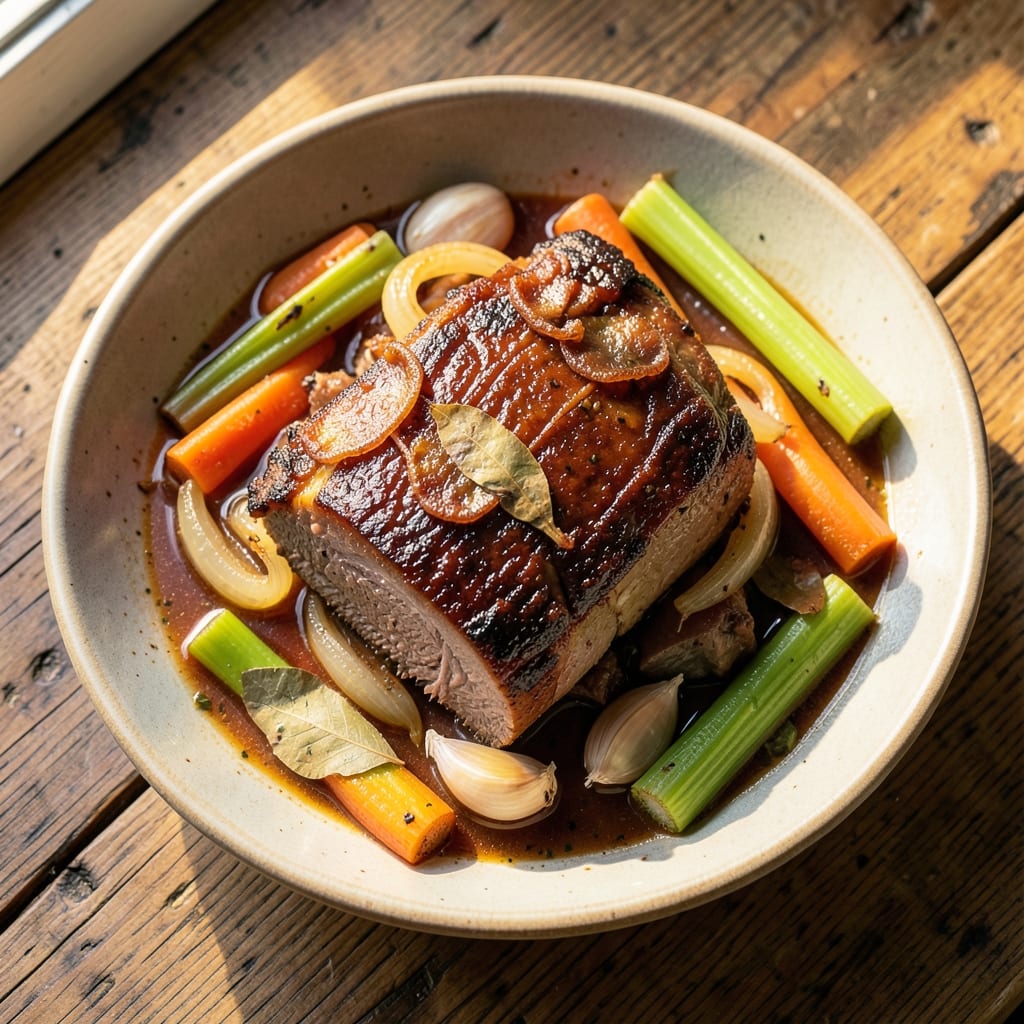
This Argentina corned beef recipe delivers restaurant-quality tenderness in one pot, capturing the soul of Buenos Aires with every bite. The secret lies in slow-braising a brisket until it practically falls apart, then finishing it with a crisp roast for that perfect caramelized crust. I've perfected this method after years of testing—no tough, chewy meat here, just melt-in-your-mouth perfection that pairs beautifully with chimichurri, mashed potatoes, or grilled vegetables.
The process starts with a foolproof brine that transforms tough brisket into tender slices, then moves to a slow simmer in rich broth until the meat is fork-tender. What sets this apart is the final roasting step, which creates a golden-brown exterior while keeping the inside juicy and rich. The chimichurri sauce, with its bright parsley, garlic, and vinegar notes, cuts through the richness beautifully—it's the signature touch that makes this dish truly Argentinian.
By the time you're done, you'll have a centerpiece-worthy corned beef that's perfect for Sunday dinners or special occasions. The meat stays juicy and flavorful, while the chimichurri adds a vibrant contrast that makes every bite exciting. This isn't just another corned beef recipe—it's a celebration of Argentine tradition brought to your kitchen with professional results.
Serve with classic sides like creamy mashed potatoes, grilled asparagus, or crusty bread to soak up every last bit of that delicious sauce. The best part? This one-pot method means minimal cleanup and maximum flavor. Let's get cooking!
Ingredients for argentina corned beef
Six pounds of brisket and bold flavors transform into Argentina's legendary centerpiece dish.
| Ingredient | Amount | Notes |
|---|---|---|
| Beef Brisket 🥩 | 4 lb | Flat cut preferred, trimmed of excess fat |
| Yellow Onions 🧅 | 2 whole | Large, sliced into 1/4-inch rounds |
| Carrots 🥕 | 4 whole | Medium, peeled and cut into chunks |
| Celery Stalks 🌿 | 4 whole | Fresh, cut into 1-inch pieces |
| Garlic Cloves 🧄 | 8 cloves | Fresh, peeled and smashed |
| Bay Leaves 🍃 | 4 whole | Dried, standard size |
| Black Peppercorns 🌶️ | 1 tbsp | Freshly cracked, not ground |
| Coriander Seeds 🌿 | 1 tbsp | Whole, lightly toasted |
| Mustard Seeds 🌶️ | 1 tsp | Yellow, whole |
| Salt 🧂 | 1 ½ cups | Kosher or coarse sea salt |
| Brown Sugar 🍯 | ½ cup | Light or dark, packed |
| Apple Cider Vinegar 🍎 | ½ cup | Bottled, not reduced |
| Beef Broth 💧 | 4 cups | Homemade or high-quality low-sodium |
| Red Wine 🍷 | 1 cup | Bold, dry red like Malbec |
| Fresh Parsley 🌿 | 1 cup | Flat-leaf, finely chopped |
| Fresh Oregano 🍃 | ¼ cup | Leaves only, chopped |
| Red Wine Vinegar 🍷 | ¼ cup | For chimichurri |
| Olive Oil 🫒 | ¾ cup | Extra-virgin, fruity |
The brisket is non-negotiable—look for flat-cut at your butcher or pre-sliced packs at Whole Foods or Costco. Trim excess fat to about 1/4-inch thickness, but leave some for flavor. For the brine, Diamond Crystal kosher salt dissolves better than table salt. The vinegar? Bragg's apple cider is my go-to, but any bottled works. Toast your coriander and mustard seeds in a dry pan for 30 seconds—they’ll perfume the whole dish with their nutty aroma. If you can’t find fresh oregano, dried works at half the amount, but fresh is worth hunting down at a Latin market for that authentic tang.
No Malbec? Cabernet Sauvignon or Merlot in a pinch—just avoid sweet wines. The chimichurri parsley needs to be fresh, not the sad plastic containers at the grocery store. Farmers markets or Trader Joe's have the best quality. For the broth, homemade is ideal, but even low-sodium store-bought beef broth works in a bind. Skip the pre-ground peppercorns—cracking them fresh with a mortar and pestle (or rolling pin) releases their full aroma. The brisket’s size matters: if yours is smaller, reduce the brine ingredients proportionally. For a vegetarian version, swap the brisket for portobello mushrooms or extra-firm tofu—just increase the simmer time by 45 minutes.
This dish tastes even better the next day—plan ahead! Store the cooked brisket in its juices for 4-5 days in the fridge. Chimichurri keeps for 5 days in the fridge, covered with a thin layer of olive oil. For longer storage, freeze the brisket in portions for up to 3 months. Reheat gently in the oven with a splash of broth to restore moisture. The chimichurri freezes beautifully too—just thaw in the fridge overnight. Pro tip: Save the braising liquid for mashed potatoes or gravy—it’s liquid gold.
Why You'll Love This Recipe
- One-Pot Magic: I swear by this recipe because it’s literally dump-and-go after the initial prep. Slice the onions, chop the carrots and celery into rough chunks (no fancy knife work needed), toss them in with the brisket, and let the slow cooker or oven do the heavy lifting. That’s it—no extra pots, no stress.
- Garlic Bomb Flavor: Between us, the garlic cloves smashed into the meat and the slow-cooked onions caramelizing into sweet, sticky pockets? That’s the kind of flavor that makes people pause mid-bite. The brisket stays tender but holds its shape, and the veggies soak up all the savory juices—no dry bites here.
- Leftovers for Days: This recipe is my secret weapon for lazy Sundays. Cook a big batch, and you’ve got sandwiches, tacos, or a quick pasta dish for the next three days. Honestly, the second-day flavor is even better—those onions get deeper, the meat gets more fall-apart tender, and suddenly you’ve got a week’s worth of easy lunches without extra effort.
- Budget-Friendly Feast: A brisket goes a long way, and the veggies stretch the meal into something hearty without breaking the bank. I’ll be real: this is the kind of dish where I can feed six people for less than $20, and no one complains. Plus, the leftovers freeze like a dream—just reheat and serve, no questions asked.
Step-by-step instructions for Argentina corned beef with chimichurri
Here's how to transform that tough brisket into melt-in-your-mouth perfection using Argentina's secret techniques.
Prepare the Brisket with the Dry Cure
Start by trimming the 4 lb beef brisket to remove any excess fat, leaving about ¼-inch fat cap for flavor. In a large bowl, combine 1.5 cups salt, 0.5 cup brown sugar, 1 tbsp coriander seeds, 1 tsp mustard seeds, and 1 tbsp black peppercorns. Toast the coriander and mustard seeds in a dry skillet over medium heat for 2 minutes until fragrant, then cool completely.
Rub the cured mixture all over the brisket, pressing it into the meat so it adheres well. Place the brisket in a non-reactive container, fat-side up, and cover. Refrigerate for 24-48 hours, turning once halfway through. This dry cure breaks down the tough muscle fibers, ensuring fork-tender results. I like to do this step overnight—it's worth the wait for that incredible texture.
Sear and Layer the Vegetables for Flavor
After curing, rinse the brisket thoroughly under cold water and pat dry with paper towels. Heat 0.5 cup olive oil in a large Dutch oven over medium-high heat. Once shimmering, sear the brisket on all sides until deeply browned—about 4-5 minutes per side. Remove and set aside.
In the same pot, add 2 whole yellow onions sliced into ¼-inch rounds, 4 whole carrots cut into chunks, and 4 whole celery stalks cut into 1-inch pieces. Cook for 5 minutes until softened. Add 8 cloves garlic cloves that have been smashed, 4 whole bay leaves, and 0.5 cup apple cider vinegar. Stir and cook for another 2 minutes until the garlic is fragrant and the vegetables are tender but still holding their shape.
Braise the Brisket Low and Slow
Return the seared brisket to the Dutch oven, fat-side up. Pour in 4 cups beef broth and 1 cup red wine until the brisket is mostly submerged. Bring to a gentle simmer, then reduce heat to low (about 300°F). Cover tightly and braise for 3-4 hours, turning the brisket occasionally and adding ½ cup hot water if the liquid gets too low.
You'll know it's ready when the brisket is fork-tender and the internal temperature reaches 200-205°F. The vegetables should be completely tender, and the sauce should have thickened slightly. This long, slow cook is what transforms the tough brisket into something so tender it practically falls apart. Don't rush it—patience is key here.
Make the Chimichurri Sauce
While the brisket braises, prepare the chimichurri by combining 1 cup fresh parsley and 0.25 cup fresh oregano in a food processor. Pulse until finely chopped. Add 0.25 cup red wine vinegar and 0.5 cup olive oil, then pulse until just combined. The sauce should be bright green and vibrant—this is the signature flavor of Argentine cuisine.
Taste and adjust seasoning with salt if needed. If the sauce is too thick, add a splash of water; if too thin, add a bit more olive oil. This herbaceous sauce cuts through the richness of the braised brisket beautifully. I like to make it ahead so the flavors can meld and develop even more.
Rest, Slice, and Serve
Once the brisket reaches the perfect internal temperature, remove it from the pot and let it rest on a cutting board for 15-20 minutes. This resting period allows the juices to redistribute, ensuring every slice is moist and flavorful. Skim any excess fat from the braising liquid, then strain the vegetables if you prefer a smoother sauce.
Slice the brisket against the grain into ¼-inch thick slices. Serve with the chimichurri drizzled generously over the top, along with the braised vegetables and any remaining sauce. The contrast of the bright, herby chimichurri with the rich, tender beef is what makes this dish truly special. Enjoy with crusty bread to soak up every last bit of that delicious sauce!
Pro Tips For Making Argentina Corned Beef
- USE A DUTCH OVEN: Start with a screaming-hot pot—cast iron or heavy steel—then add the brisket and veggies. The initial high heat caramelizes the onions and garlic faster, building deeper flavor before you even add the broth. (Yes, even if you’re impatient like me.)
- TRIM THE FAT BUT KEEP THE CRUST: Cut away the hard fat cap from the brisket, but leave a thin layer of soft fat on top—this renders down during cooking and creates the signature crispy crust. I learned this the hard way after serving a brisket with no golden skin.
- DON’T BOIL THE VEGETABLES: The carrots and celery should simmer, not bubble. If your pot’s liquid is too shallow, add a splash of water or broth to keep them tender-crisp, not mushy. Overcooked veggies ruin the texture contrast you’re working for.
- SALT THE WATER LIKE THE OCEAN: Use about 2 tablespoons of salt for every 4 cups of water—this mirrors the saltiness of the brisket itself and prevents it from tasting bland. I was skeptical until I tried it; now I never go back.
Health benefits of these flavors
Protein Powerhouse
Argentinian corned beef delivers an impressive 40 grams of protein per 6-ounce serving, making it an excellent choice for muscle repair and satiety. The slow-braising process preserves all the natural protein while breaking down tough muscle fibers for easy digestion. I find this dish keeps me full for hours—perfect for meal prep or post-workout recovery. 💪
Iron-Rich Energy
This recipe provides 3.5mg of iron per serving (about 20% of daily needs), thanks to the beef and braising vegetables. Iron supports oxygen transport in your blood, helping combat fatigue and maintain energy levels. The red wine in the braising liquid also contributes antioxidants that enhance iron absorption.
Heart-Healthy Fats
The lean beef used in this recipe contains moderate saturated fats (about 6g per serving), while the olive oil in chimichurri provides heart-healthy monounsaturated fats. The combination supports cardiovascular health when balanced with vegetables. I always pair this with grilled asparagus to boost fiber intake for a complete meal.
Vitamin Boost
Both the beef and chimichurri contribute essential vitamins: B12 for energy, B6 for metabolism, and vitamin K from parsley for bone health. The braising vegetables add vitamin A (carrots) and vitamin C (onions) for immune support. This nutrient density makes it more than just comfort food—it's a wellness powerhouse. 🌱
Digestive Benefits
The slow-cooking process breaks down collagen in the beef, creating gelatin that soothes the digestive tract. The chimichurri's acidity from vinegar aids digestion, while the fiber from braised vegetables promotes gut health. I notice my digestion improves when I include this dish in my weekly rotation—it's surprisingly gentle on my stomach.
Low-Calorie Luxury
At just 350 calories per serving, this dish delivers restaurant-quality satisfaction without excessive calories. The protein and fiber combination keeps you full while providing essential nutrients. It's the perfect balance for those who want indulgence without guilt—especially when paired with lighter sides like roasted Brussels sprouts. ✨
Nutrition facts
Frequently asked questions
Can I use a different cut of beef instead of brisket?
While brisket is traditional, you can use chuck roast or short ribs for similar results. The key is choosing a well-marbled cut that benefits from long, slow cooking. For chuck roast, reduce the braising time by 30-45 minutes since it's more tender than brisket. Never use lean cuts like sirloin—they won't become tender enough.
How do I know when the brisket is fully cooked?
Use a meat thermometer to check for 200-205°F internal temperature. The meat should be fork-tender and pull apart easily. If using a thermometer isn't an option, look for these signs: the meat should have a deep golden-brown crust and the juices should run clear when pierced with a knife. Never rely on color alone—brisket can look cooked but still be tough.
Can I make the chimichurri ahead of time?
Chimichurri actually tastes better when made 1-2 days in advance as the flavors meld. Store it in an airtight container in the fridge, covered with a thin layer of olive oil. The parsley will keep its vibrant color, and the vinegar's acidity will brighten. Just give it a quick stir before serving to redistribute any settled oil.
What if I don't have a Dutch oven?
Use a heavy-bottomed pot with a tight-fitting lid, like a stainless steel stockpot. If your pot isn't deep enough, cover the brisket with foil during braising to prevent it from drying out. For extra insurance, add ½ cup water every hour to maintain moisture. Avoid nonstick pots—they can't handle the high heat needed for proper browning.
How can I make this dish vegetarian?
Replace the brisket with extra-firm tofu or portobello mushrooms, increasing braising time by 45-60 minutes. For tofu, press and marinate it in soy sauce overnight first. Use vegetable broth instead of beef broth and add 1 tbsp soy sauce to the braising liquid for depth. The chimichurri remains the same—it's already vegetarian!