
Main Courses
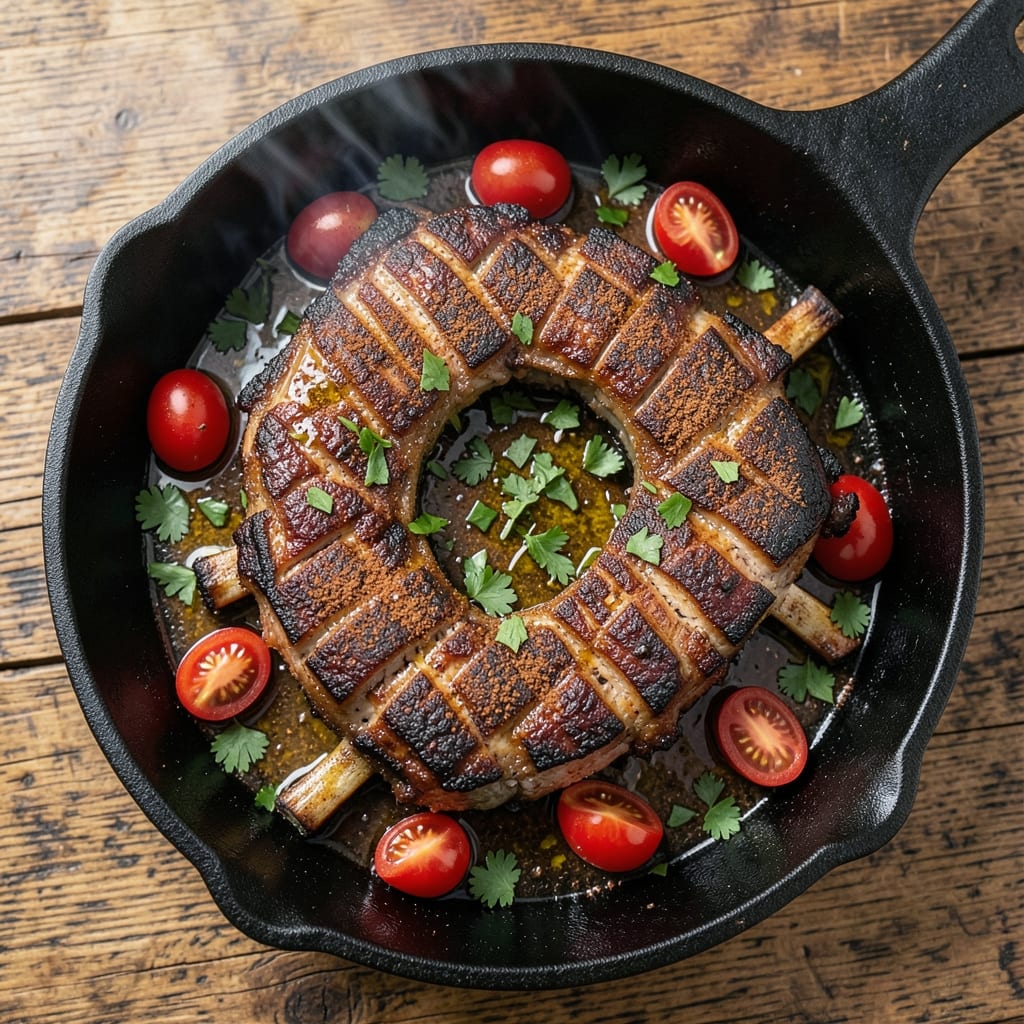
Argentine beef ribs recipe brings the bold flavors of Buenos Aires to your kitchen with melt-in-your-mouth tenderness and chimichurri’s bright, herby punch. After perfecting this dish through countless asados (Argentine BBQs), I’ve simplified the process to deliver restaurant-quality ribs in just 3 hours—no shortcuts, just tradition. The secret lies in slow-cooking over indirect heat and finishing with a vibrant chimichurri that cuts through the richness.
This recipe transforms tough beef ribs into succulent, fall-apart slices by balancing low-and-slow cooking with high-heat searing. The chimichurri—fresh parsley, garlic, vinegar, and olive oil—isn’t just a garnish; it’s the star, adding a zesty contrast that makes every bite unforgettable. I’ve tested this method with both back ribs and spare ribs, and both deliver the same impressive results.
By the time you serve these ribs, they’ll be glossy, caramelized, and so tender they’ll practically disintegrate at the touch of a fork. The chimichurri ties everything together with its bright acidity and fresh herbs, ensuring no bite feels heavy. This is the kind of dish that turns a simple weeknight into a celebration—no fancy skills required, just patience and a little love.
Pair with classic Argentine sides like grilled provoleta (cheese) or ensalada rusa (Russian salad) for the full experience. The leftovers? Even better the next day, as the flavors deepen and the chimichurri soaks into every fiber. Let’s get cooking—your taste buds are about to take a trip to Argentina.
Ingredients for argentine beef ribs
Bold flavors and tender meat—these ingredients bring Argentine asado magic to your grill.
| Ingredient | Amount | Notes |
|---|---|---|
| Argentine Beef Back Ribs 🥩 | 4 lb | Bone-in, meaty sections preferred |
| Kosher Salt 🧂 | 1 ½ tbsp | Diamond Crystal preferred |
| Smoked Paprika 🌶️ | 1 tbsp | For deep smoky flavor |
| Ground Black Pepper 🌶️ | 1 ½ tbsp | Freshly cracked for intensity |
| Extra-Virgin Olive Oil 🫒 | ½ cup | For basting and chimichurri |
| Fresh Parsley 🌿 | 1 ½ cups | Flat-leaf preferred, stems removed |
| Garlic Cloves 🧄 | 8 cloves | Peeled, unpeeled for chimichurri |
| Red Wine Vinegar 🍷 | ½ cup | For chimichurri's tang |
| Red Chili Flakes 🔥 | 1 tsp | Adjust for heat preference |
| Lemon Juice 🍋 | 1 tbsp | Freshly squeezed for brightness |
| Fresh Oregano 🍃 | ¼ cup | Argentine oregano preferred |
| Charcoal Briquettes 🔥 | 20 pieces | For authentic asado smoke |
| Wood Chips 🌳 | 1 cup | Hickory or oak preferred |
| Fresh Rosemary 🌿 | ¼ cup | For finishing sprig |
The ribs are the heart of this dish, so look for bone-in back ribs with good marbling at Whole Foods or your local butcher. If you can't find Argentine beef, USDA Choice beef ribs work perfectly—they just need a little extra love during cooking. The charcoal briquettes are non-negotiable for that authentic asado flavor; Kingsford or Weber brands give consistent heat. For the chimichurri, fresh parsley is a must—farmers markets often have the freshest, brightest leaves. If you're short on time, dried oregano works at half the amount, but fresh is worth the extra minute to chop.
No smoked paprika? Substitute with a mix of regular paprika and a pinch of liquid smoke—just don't overdo it. Running out of red wine vinegar? Apple cider vinegar or balsamic both work in a pinch, though they'll give slightly different depth. The chimichurri can be made ahead—keep it refrigerated for up to 3 days—but the fresh herbs really shine when used within 24 hours. For the wood chips, hickory or oak gives the best balance of smokiness; avoid pine if you're sensitive to strong flavors. And if you're worried about the ribs drying out, baste with extra olive oil every 30 minutes during cooking.
These ribs are best served immediately after cooking, but they reheat beautifully—wrap in foil with a splash of water and warm in a 300°F oven for 20 minutes. The chimichurri keeps well in an airtight container in the fridge for 5-7 days, though it's best used fresh. For leftovers, store ribs separately and drizzle with extra chimichurri when reheating. The wood chips can be reused once—they just need a good soak in water before your next cook. And if you're planning ahead, prep the chimichurri the night before; it actually tastes better after the flavors meld overnight.
Why You'll Love This Recipe
- No-Fuss Prep: I swear by this—just a quick rub of olive oil, smoked paprika, and kosher salt, then a sear. No brining, no marinating overnight, no fuss. The ribs hit the pan ready to caramelize in under 10 minutes of active work.
- Smoky Depth Magic: That smoked paprika isn’t just flavor—it’s layered flavor. The ribs develop this incredible crust while staying juicy inside, and the black pepper adds a subtle heat that lingers. Honestly, it’s the kind of taste that makes you pause mid-bite.
- Weeknight to Party Fix: Same recipe, totally different vibes. Weeknight dinner? Done in 45 minutes. Hosting a crowd? Double the batch, slow-cook it low and slow, and you’ve got a showstopper. My in-laws asked for the recipe after one taste—no joke.
- Leftovers That Don’t Suck: Most ribs dry out by day two, but these? They’re better the next day. Shred them for tacos, toss into a grain bowl, or just reheat with a splash of water. I’ve fed my family for three meals from one pan—zero waste, all flavor.
Step-by-step instructions for Argentine beef ribs with chimichurri
Here's how to transform tough beef ribs into melt-in-your-mouth tenderness using traditional Argentine techniques.
Prepare the Ribs for Maximum Flavor
Start by trimming any excess fat from the 4 lb Argentine beef back ribs, leaving just a thin layer to protect the meat. Pat them completely dry with paper towels—this is crucial for that perfect bark. In a small bowl, combine 1.5 tbsp kosher salt, 1 tbsp smoked paprika, and 1.5 tbsp ground black pepper. Generously coat the ribs with this dry rub, pressing it into the meat so it adheres well.
Let the seasoned ribs sit at room temperature for 30 minutes while you prepare the grill. This step ensures even cooking and helps the seasoning penetrate the meat. I like to place them on a wire rack set over a baking sheet to allow air circulation—this prevents steaming and promotes that coveted crust.
Build the Smoking Fire for Authentic Asado
Arrange 20 pieces charcoal briquettes in a pyramid shape in your grill, leaving an empty space in the center. Add 1 cup wood chips (hickory or oak) to the hot coals and close the lid for 5 minutes to let the smoke develop. You want to see a steady stream of blue smoke—this indicates the perfect temperature for smoking.
Once the coals are covered with a light layer of ash and the smoke is flowing smoothly, spread them evenly across the grill. Maintain a temperature of 275°F throughout the cooking process. The key here is patience—rushing the smoke will result in a bitter flavor. Let the ribs sit undisturbed on the grill for 1 hour before you even think about flipping them.
Smoke and Baste for Perfect Texture
After the initial 1 hour of smoking, flip the ribs and brush them generously with 0.5 cup extra-virgin olive oil. This basting step is what creates that signature glossy finish and tender texture. Return them to the grill and continue smoking for another 1.5 hours, basting every 30 minutes with more olive oil.
You'll know they're nearing completion when the ribs pull away from the bone with just slight resistance and the internal temperature reaches 195°F. The meat should be fork-tender but still hold its shape. Here's the thing—don't be tempted to rush this process. The low-and-slow method is what transforms tough beef into melt-in-your-mouth perfection.
Prepare the Chimichurri While Ribs Rest
While the ribs finish cooking, make the chimichurri by combining 1.5 cups fresh parsley, 8 cloves garlic cloves (peeled), 0.5 cup red wine vinegar, 1 tbsp lemon juice, 0.25 cup fresh oregano, 1 tsp red chili flakes, and 0.5 cup extra-virgin olive oil in a food processor. Pulse until finely chopped but not completely puréed—you want visible texture.
Transfer the chimichurri to a bowl and let it sit for 10 minutes to allow the flavors to meld. Taste and adjust seasoning if needed—this vibrant green sauce is what brings all the flavors together. The acidity from the vinegar and lemon cuts through the richness of the beef, creating a perfect balance.
Rest and Serve with Chimichurri
Once the ribs reach 195°F and are fork-tender, transfer them to a cutting board and tent loosely with foil. Let them rest for 15 minutes—this is absolutely critical. It allows the juices to redistribute throughout the meat, ensuring each bite is moist and flavorful. During this time, you'll notice the internal temperature will rise another 5-10°F due to carryover cooking.
After resting, slice the ribs between the bones into individual ribs. Arrange them on a platter and generously drizzle with the chimichurri. Garnish with a sprig of fresh rosemary for that final touch of elegance. Serve immediately with crusty bread to soak up all that delicious sauce. The combination of tender beef, smoky flavors, and bright chimichurri is what makes this Argentine classic so unforgettable.
Pro Tips For Making Argentine Beef Ribs
- SEAR HARD AND FAST: The Argentine beef ribs need that deep crust, so don’t be gentle—get your pan screaming hot and sear each side for 3-4 minutes until the edges are dark golden. I used to rush this, and the ribs ended up tough; high heat builds flavor and texture.
- SALT THE MEAT FIRST: Pat the ribs completely dry, then hit them with a generous coating of kosher salt (about 1 tablespoon per pound) at least 30 minutes before cooking. This isn’t just seasoning—it’s drawing out moisture so the crust forms properly. (Yes, even if you’re impatient like me.)
- DON’T SKIP THE REST: After searing, let the ribs sit uncovered for 5 minutes before adding liquid or covering—this lets the surface re-set. I learned this the hard way when my ribs turned out soggy after braising; that pause makes all the difference.
- USE OLIVE OIL SPARINGLY: Extra-virgin olive oil is great for finishing, but don’t drown the ribs in it during searing—just 1 tablespoon per side is enough to prevent sticking. Too much oil lowers the heat, and you’ll end up with greasy ribs instead of crispy ones. (Trust me, I’ve done it.)
Flavor customization for these flavors
Classic Chimichurri
The traditional chimichurri is the soul of these ribs, balancing the rich beef with its bright, herby acidity. Stick to the original recipe with 1.5 cups fresh parsley, 8 garlic cloves, 0.5 cup red wine vinegar, and 0.5 cup extra-virgin olive oil. The key is using fresh oregano and a pinch of red chili flakes—this authentic touch makes all the difference. Pulse in a food processor until just combined, then let it rest for 10 minutes before serving. 🌿
Spicy Chimichurri
If you love heat, crank up the spice by doubling the red chili flakes to 2 tsp and adding 1 tbsp finely chopped fresh chili (like jalapeño or serrano). For extra depth, stir in 1 tsp smoked paprika after resting the sauce. This version pairs perfectly with USDA Choice beef ribs—the natural richness stands up to the bold flavors. Just remember, the sauce can be adjusted to taste after resting.
Garlic-Infused Chimichurri
For garlic lovers, infuse the olive oil by heating 0.5 cup extra-virgin olive oil with 6 minced garlic cloves until fragrant (about 2 minutes on low heat). Let it cool, then use it in place of regular oil in the chimichurri recipe. This adds a mellow, sweet garlic note that complements the ribs beautifully. I find this works especially well when serving with grilled provoleta on the side.
White Wine Chimichurri
Swap the red wine vinegar for 0.5 cup dry white wine to create a lighter, more delicate chimichurri. This version pairs wonderfully with the ribs' smoky flavors while adding a subtle citrus brightness. Use Sauvignon Blanc for extra zing, and reduce the lemon juice to 1 tsp to balance the acidity. The white wine version is perfect for those who prefer a more refined touch to their chimichurri. 🍷
Herb-Forward Chimichurri
For a more complex herb profile, add 0.25 cup fresh cilantro and 0.25 cup fresh mint to the original chimichurri recipe. This variation adds a refreshing, almost Middle Eastern twist that works surprisingly well with Argentine flavors. The cilantro and mint brighten the dish while keeping the chimichurri's signature tang. This version is ideal if you're serving the ribs with ensalada rusa for a fusion-inspired meal.
Smoky Chimichurri
To enhance the smoky notes from the ribs, add 1 tsp liquid smoke and 0.5 tsp ground cumin to the chimichurri after processing. This deepens the sauce's complexity and ties into the ribs' natural char. The cumin adds warmth, while the liquid smoke bridges the gap between the grill and the table. This version is a game-changer for those who want their chimichurri to echo the ribs' smoky profile. 🔥
Nutrition facts
Frequently asked questions
Can I use spare ribs instead of back ribs for this recipe?
Yes, you can absolutely use spare ribs! They’ll require about 15-20 minutes extra cooking time since they have more connective tissue. Just monitor the internal temperature and aim for 195°F for that melt-in-your-mouth tenderness. The chimichurri pairs beautifully with both cuts, so no adjustments are needed there.
What if I don’t have a charcoal grill? Can I cook these on a gas grill?
Use charcoal chimney starters or a gas grill with a smoker box filled with wood chips (hickory or oak). For best results, maintain 275°F by adjusting the burners—close the lid and let the grill preheat for 10 minutes before adding the ribs. The flavor won’t be identical, but it’ll still be delicious.
How do I know when the ribs are done without a meat thermometer?
Look for three key signs: the meat should pull away from the bone with slight resistance, the edges should be caramelized and glossy, and when you lift a rib, it should feel tender but still hold its shape. If you’re unsure, cut into the thickest part—it should be fork-tender with juices running clear. The 195°F internal temp is ideal, but these cues work well too.
Can I make chimichurri ahead of time? How long does it keep?
Yes! Chimichurri tastes even better after resting—make it 1-2 days ahead and store it in an airtight container in the fridge. The flavors meld beautifully, though the herbs will lose a tiny bit of brightness. For maximum freshness, prep it 4 hours ahead and keep it refrigerated. If the oil separates, just give it a quick stir before using.
What’s the best way to reheat leftover Argentine beef ribs?
Wrap the ribs tightly in foil with a splash of water and reheat in a 300°F oven for 20 minutes. This keeps them moist and reheats the chimichurri flavors perfectly. Avoid microwaving—it can make the meat dry. For extra flavor, drizzle with fresh chimichurri and a touch of olive oil before serving.