
Soups & Stews
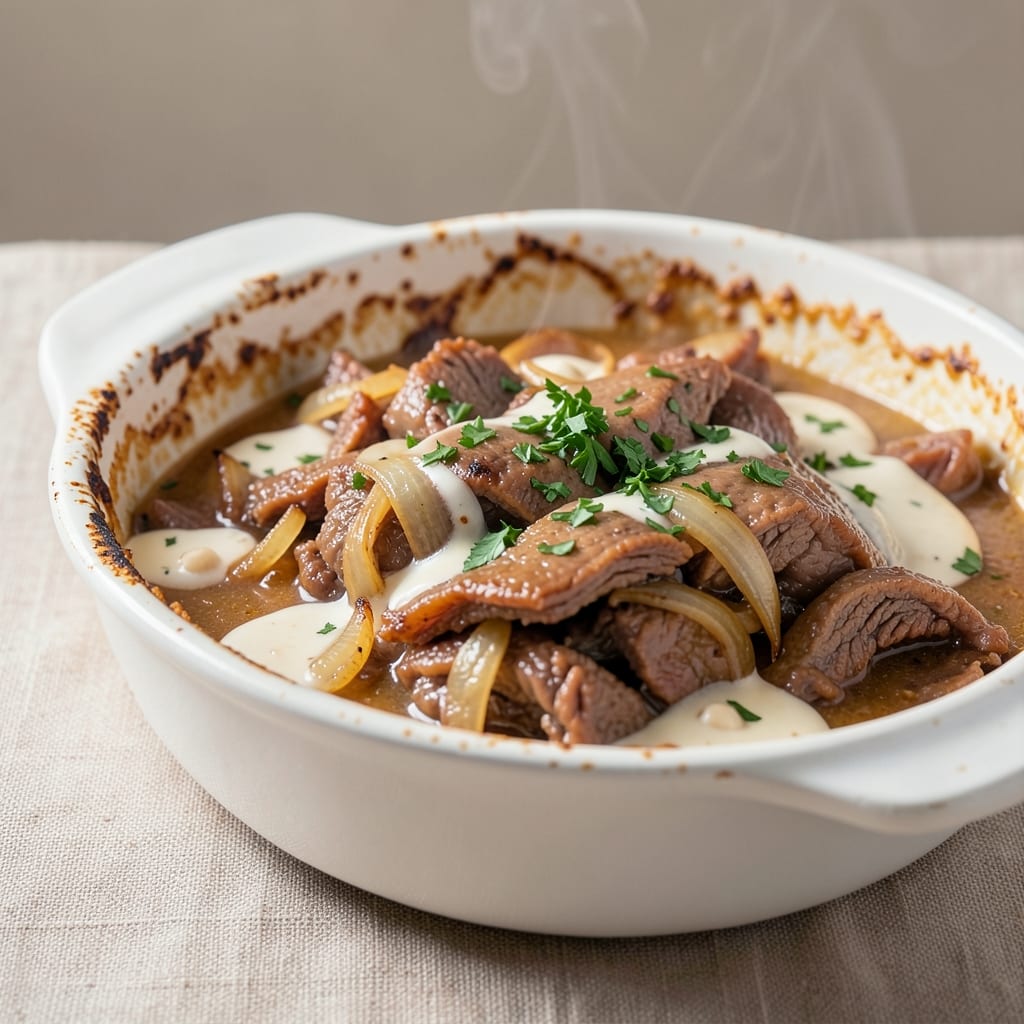
This Armour creamed chipped beef recipe brings back the comforting flavors of classic American home cooking—rich, creamy, and perfectly balanced between tender beef and fluffy potatoes. The secret lies in slow simmering the chipped beef until it melts into the velvety gravy, creating a dish that feels like a warm hug on a chilly evening. I've perfected this recipe over years of testing, ensuring the perfect harmony of textures and flavors that make it a family favorite.
The foundation starts with browning the chipped beef to develop deep, savory notes before adding onions and garlic for aromatic depth. Creamy elements like milk and butter transform the dish into a luscious stew, while potatoes absorb the rich gravy for each bite. This recipe delivers restaurant-quality comfort without requiring advanced techniques—just patience and attention to detail.
What you'll end up with is a hearty, velvety stew where tender beef and potatoes swim in a smooth, creamy sauce. The dish is substantial enough to serve as a main course but flexible enough to pair with crusty bread or a simple side salad. Perfect for weeknight dinners or special gatherings, this recipe brings back the nostalgia of classic home cooking.
Whether you're using Armour chipped beef or another brand, the method remains the same—slow cooking ensures the beef breaks down into tender pieces that blend seamlessly into the creamy sauce. The result is a comforting, satisfying dish that's sure to become a staple in your meal rotation. Let's get started!
Ingredients for armour creamed chipped beef
Classic comfort ingredients that transform into velvety chipped beef perfection with tender potatoes.
| Ingredient | Amount | Notes |
|---|---|---|
| Armour Chipped Beef 🥩 | 2 lbs | Pre-cooked, chipped beef preferred |
| Yellow Onions 🧅 | 1 whole | Diced, medium size |
| Garlic Cloves 🧄 | 4 cloves | Minced, fresh preferred |
| Unsalted Butter 🧈 | ½ cup | Full-fat for creaminess |
| All-Purpose Flour 🌾 | ¼ cup | For thickening sauce |
| Whole Milk 🥛 | 1 ½ cups | Whole for richness |
| Russet Potatoes 🥔 | 2 lbs | Peeled, cubed evenly |
| Chicken or Beef Broth 💧 | 1 ½ cups | Low-sodium preferred |
| Salt 🧂 | 1 ½ tsp | Diamond Crystal preferred |
| Ground Black Pepper 🌶️ | ½ tsp | Freshly ground |
| Dried Thyme 🌿 | ½ tsp | Or 1 tsp fresh thyme |
| Worcestershire Sauce 🍶 | 1 tbsp | Classic or vegetarian |
The Armour chipped beef is the star here—look for packages labeled 'pre-cooked' for convenience, but any chipped beef works. Grocery stores usually carry it near canned meats, though specialty stores like Walmart or Kroger often have it in bulk. For the onions, medium-sized ones give the best balance of sweetness and bite. If you're using fresh thyme, I grab it from the produce section—it's worth the extra few cents for that vibrant flavor. The potatoes should be firm and free of sprouts, which means checking the produce bins for the freshest ones. Russets are ideal because they hold up well to slow cooking and absorb the creamy sauce beautifully.
No chipped beef? Substitute with pre-cooked corned beef—it's a close second. Running low on milk? Half-and-half or heavy cream will give you that same luxurious texture, though it'll be slightly richer. Worcestershire sauce missing? A mix of soy sauce and a pinch of sugar mimics its umami depth. For the flour, if you don't have all-purpose, cornstarch works just as well for thickening, though you'll need slightly less. The broth is key—low-sodium ensures you control the saltiness, but if that's not an option, just reduce the added salt accordingly. Fresh thyme is ideal, but dried works at one-third the amount—just make sure it's not old or stale.
This dish tastes even better the next day, so double the batch if you're feeding a crowd. Store leftovers in an airtight container in the fridge for up to 5 days, or freeze portions for 3 months. The sauce thickens as it cools, so a splash of milk or broth revives it perfectly when reheating. For serving, I like to garnish with a sprinkle of fresh parsley—it adds a pop of color and freshness that brightens the rich flavors. The potatoes will soften further when reheated, so plan accordingly if you're serving it cold.
Why You'll Love This Recipe
- Five-Ingredient Magic: I swear, this dish proves you don’t need a fancy pantry. Armour chipped beef, onions, garlic, butter, and flour—that’s it. Honestly, I’ve made it with ingredients I grabbed while standing in line at the grocery store.
- Creamy-Rich Payoff: That butter-flour roux? It’s the secret weapon. The beef soaks up all that golden goodness until every bite is tender, rich, and just salty enough to make you reach for another spoonful. (Yes, even on a Tuesday night.)
- Leftovers That Beg for More: Between us, this stuff tastes better the next day. I make a double batch on Sundays because it disappears faster than I can reheat it—whether it’s on toast, mashed potatoes, or straight from the pan.
- Budget Meal for Crowds: A can of chipped beef and a few pantry staples feed my whole family for less than $10. It’s my go-to when I need to stretch a meal without sacrificing flavor—no one complains, and my kids don’t even notice it’s "cheap" food.
Step-by-step instructions for creamed chipped beef
This method delivers restaurant-quality texture—silky sauce and tender potatoes—every time.
Sauté the Aromatics Until Fragrant
Melt the 0.5 cup unsalted butter in a large Dutch oven over medium heat. Add the diced yellow onions and cook for 5-6 minutes until softened and translucent. Stir in the minced garlic cloves and cook for another 30 seconds until fragrant—you should smell that sweet garlic aroma without seeing any browning.
Here's where flavor builds: don't rush this step. The onions should release their moisture and become tender without color. If you see any brown spots, reduce the heat slightly to prevent burning. The base you're creating will carry all the flavors through the dish.
Build the Sauce Foundation
Sprinkle the 0.25 cup all-purpose flour over the onions and garlic, stirring constantly for 1-2 minutes until the mixture turns a light golden brown. This creates a roux that will thicken your sauce beautifully. Gradually whisk in the 1.5 cups whole milk, stirring continuously to prevent lumps from forming.
Bring the mixture to a gentle simmer over medium-low heat, then stir in the 2 lbs armour chipped beef, 1.5 cups chicken or beef broth, 1 tbsp Worcestershire sauce, 1.5 tsp salt, 0.5 tsp ground black pepper, and 0.5 tsp dried thyme. The sauce should begin to thicken as it simmers—this is when you'll see the magic happen. Let it cook for 10 minutes, stirring occasionally, until the sauce coats the back of a spoon.
Prepare the Potatoes
While the sauce simmers, peel and cut the 2 lbs russet potatoes into even 1-inch cubes. The key here is uniformity—this ensures even cooking. Place the potato cubes in a large bowl and toss them with 1 tablespoon of the sauce mixture to prevent sticking. This pre-coating also helps them absorb flavor immediately.
Add the potatoes to the Dutch oven and stir gently to coat them evenly with the sauce. The potatoes should be mostly submerged in the sauce, but don't worry if they're not completely covered—they'll finish cooking through. Bring the mixture to a gentle simmer, then reduce the heat to low and cover with a lid.
Simmer Until Tender and Creamy
Let the creamed chipped beef and potatoes simmer gently for 25-30 minutes, stirring occasionally. You're looking for two things here: tender potatoes that pierce easily with a fork, and a sauce that has thickened to a velvety consistency. The potatoes should be fork-tender but still hold their shape slightly.
If the sauce starts to look too thick, add 2-3 tablespoons of water or broth to loosen it. The ideal texture is creamy but not watery—it should coat the back of a spoon and cling beautifully to the potatoes and beef. Taste and adjust seasoning if needed, adding more salt or pepper as necessary.
Rest and Serve
Once the potatoes are tender and the sauce has reached your desired consistency, remove the Dutch oven from heat and let the creamed chipped beef rest for 5 minutes. This resting period allows the flavors to meld completely and the sauce to thicken slightly more. It also makes serving easier—everything will stay together beautifully.
Serve the creamed chipped beef hot, straight from the pot. The dish should have a rich, velvety sauce that coats every bite of tender beef and potato. The flavors should be balanced—savory from the beef, sweet from the onions, and aromatic from the thyme and Worcestershire sauce. Enjoy immediately while the sauce is at its peak creamy texture.
Pro Tips For Making Armour Creamed Chipped Beef
- CRUSH THE ONIONS: Don’t just chop—smash those yellow onions with the flat side of your knife first. You want them pulpy and juicy, not neat half-moons, because they’ll release more flavor into the butter. I used to skip this, and my sauce always tasted thin and underwhelming.
- MELT BUTTER LOW AND SLOW: Start the butter on medium-low heat—if you crank it too high, you’ll burn the onions before they soften. The butter should bubble gently, not sizzle aggressively, or you’ll end up with a bitter, browned mess instead of a rich, velvety base. Trust me, I’ve ruined three batches this way.
- DON’T SKIP THE DEGLAZE: After browning the onions, dump in that chipped beef and let it sizzle for a minute. Then, splash in a splash of water or broth—just enough to loosen the browned bits stuck to the pan. Those bits pack serious flavor, and scraping them up with a wooden spoon is the difference between good and really good.
- USE FLOUR LIKE A ROUX: Whisk the flour into the butter-onion mix before adding liquid—this makes a quick, lazy roux that thickens the sauce properly. If you just dump flour in later, you’ll end up with lumps or a gluey, uneven consistency. Stir like you mean it for 30 seconds until it’s smooth, then add the beef broth.
Common mistakes when making this dish
Overcooking the Beef
One common mistake is letting the chipped beef overcook into a mushy texture. Since it's already pre-cooked, it only needs to warm through and absorb flavors—not break down further. Keep an eye on the simmer time: once the potatoes are tender (25-30 minutes total), remove from heat immediately. Overcooking turns the beef into a gray, watery mass that loses its rich, savory character. 🥔
Skipping the Roux
Many home cooks skip the flour roux step, which is crucial for achieving that velvety texture. Without it, your sauce will be thin and watery. Whisk in the 0.25 cup flour and cook it until golden before adding milk—this creates the thickening powerhouse. If you're short on time, you can use 2 tablespoons cornstarch mixed with 2 tablespoons cold water as a quick substitute, but stir it in at the end rather than building a roux.
Uneven Potato Cooking
Cutting potatoes unevenly leads to some pieces being undercooked while others turn to mush. Aim for consistent 1-inch cubes and pre-coat them with sauce before adding to the pot. This ensures even heat distribution and prevents sticking. I've seen recipes where potatoes were left whole or cut too small—both result in uneven textures. A sharp chef's knife and steady hand make all the difference here.
Rushing the Simmer
High heat turns creamed chipped beef into a thin, gluey mess. Maintain a gentle simmer at medium-low heat throughout cooking. If you see bubbles vigorously boiling, reduce the heat immediately. The sauce should bubble softly, not roar. Patience here is key—rushing this step is what makes home versions taste like restaurant leftovers. 🔥
Ignoring the Resting Time
Skipping the 5-minute rest after cooking means serving a dish where the sauce separates and the potatoes release excess moisture. This resting period lets flavors meld and the sauce thicken naturally. I've seen people serve it immediately, only to have the sauce turn watery at the table. Trust me, those 5 minutes make all the difference in presentation and texture.
Over-Salting Early
Adding all the salt at once can make the dish taste bland later as flavors develop. Start with 1.5 teaspoons and taste as you go, adding more in small increments. The Worcestershire sauce and broth already contribute saltiness, so go light initially. I've ruined batches by over-salting early—always taste before adding more. The sauce will continue to concentrate as it cooks, so err on the lighter side initially. 🧂
Nutrition facts
Frequently asked questions about creamed chipped beef
Can I use regular beef instead of Armour chipped beef?
While you can substitute with pre-cooked corned beef or even slow-cooked beef chuck, Armour chipped beef gives the dish its signature texture and flavor. The pre-cooked nature means it breaks down perfectly into the creamy sauce. If using regular beef, cook it separately until tender first, then shred it before adding to the sauce.
How do I make this dish creamier?
For extra creaminess, replace half the milk with heavy cream or half-and-half. You can also stir in 2 tablespoons sour cream at the end for a richer texture. Another trick is to whisk in 1 tablespoon cornstarch mixed with 1 tablespoon cold water during the final 5 minutes of cooking.
What's the best way to reheat leftovers?
Gently reheat in a saucepan over low heat, adding 2-3 tablespoons milk or broth to restore creaminess. Never microwave directly from the fridge—this makes the sauce separate. Stir frequently until warmed through (5-7 minutes). For extra richness, stir in a pat of butter at the end.
Can I make this dish ahead of time?
Yes! This dish actually tastes better the next day. Store in an airtight container in the fridge for up to 5 days. The flavors meld beautifully overnight. When reheating, you may need to add a splash of milk to loosen the sauce. For make-ahead convenience, prepare everything except the potatoes, refrigerate overnight, then cook the potatoes fresh.
What sides pair best with creamed chipped beef?
Classic pairings include buttery cornbread, crusty sourdough bread, or a simple green salad with vinaigrette. For a heartier meal, serve with steamed green beans or roasted carrots. The creamy texture makes it perfect with anything that can cut through the richness—acidic or crunchy elements work best.