
Main Courses
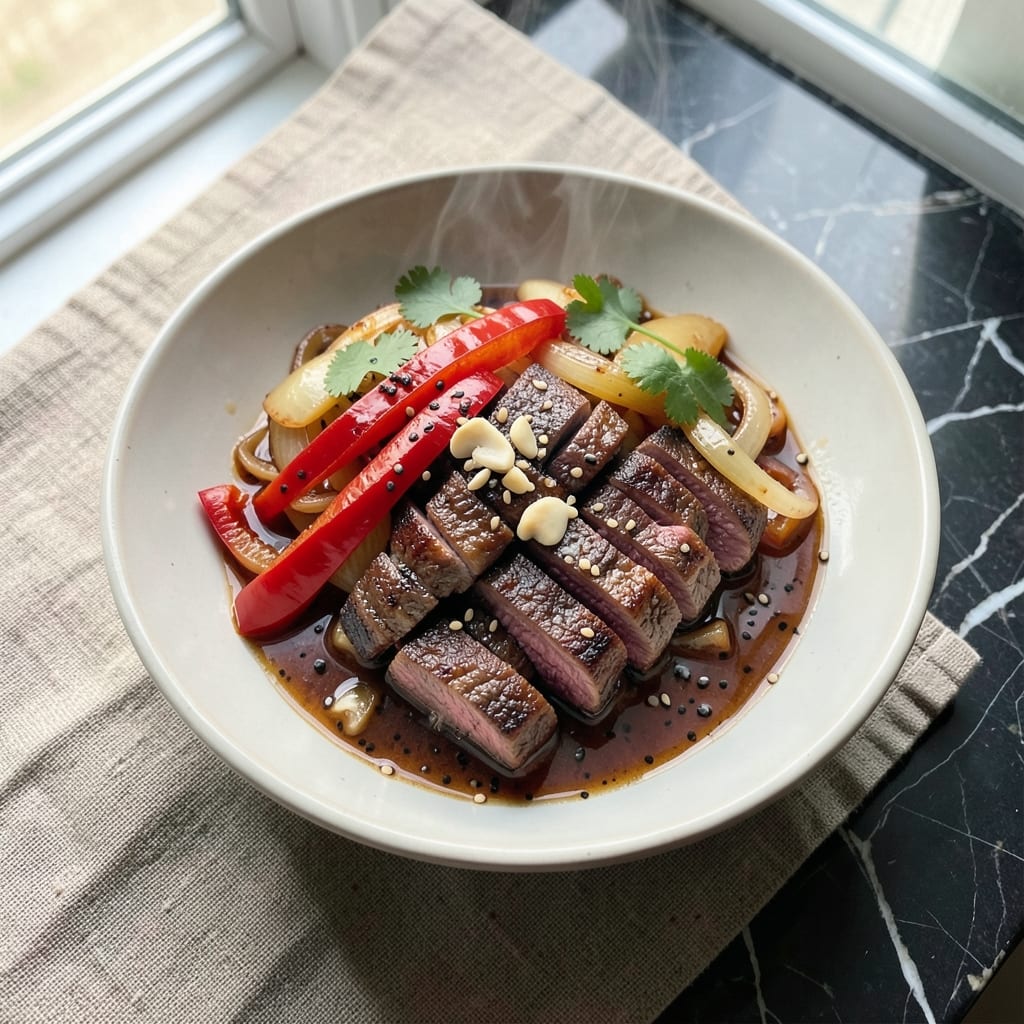
This Asian beef and peppers recipe delivers restaurant-quality wok-fried perfection in just 20 minutes, blending tender beef, crisp vegetables, and bold umami flavors. The secret lies in a quick marinade that tenderizes the beef while building depth, followed by high-heat stir-frying that locks in juices and creates that signature caramelized crunch. I developed this after years of testing—it’s the one dish that always gets requested at family gatherings, and it’s foolproof enough for weeknight dinners.
The magic happens in layers: a savory soy-ginger marinade infuses the beef, while a touch of cornstarch creates that irresistible crisp-tender texture. Bell peppers and onions add vibrant color and satisfying crunch, but the real star is the sauce—a balance of sweet, salty, and tangy that coats every bite. This isn’t just another stir-fry; it’s a dish that transforms simple ingredients into something extraordinary with minimal effort.
What you’ll end up with is a plate of golden-brown beef and peppers that sizzles with every bite—juicy, flavorful, and packed with texture. The sauce clings perfectly to the beef and vegetables, creating a dish that’s as satisfying to eat as it is quick to make. Serve it over steamed rice for the full experience, or enjoy it as-is for a hearty, one-pan meal.
Perfect for feeding a crowd or meal prepping for the week, this recipe scales effortlessly while maintaining its bold flavors. The techniques here are beginner-friendly but deliver results that rival your favorite takeout spot. Let’s get cooking—your taste buds will thank you.
Ingredients for asian beef and peppers
Restaurant-quality stir-fry starts with these bold, umami-packed ingredients—everything you need for wok-fried perfection.
| Ingredient | Amount | Notes |
|---|---|---|
| Flank Steak 🥩 | 1 ½ lb | Thinly sliced against grain |
| Red Bell Peppers 🍆 | 2 whole | Sliced into thin strips |
| Yellow Onion 🧅 | 1 whole | Sliced into half-moons |
| Garlic Cloves 🧄 | 6 cloves | Minced finely for marinade |
| Fresh Ginger 🌿 | 2 tbsp | Grated finely (about 1 oz) |
| Soy Sauce 🥄 | ½ cup | Low-sodium preferred |
| Rice Vinegar 🍶 | 2 tbsp | White or seasoned |
| Sesame Oil 🫒 | 1 tbsp | Toasted for aroma |
| Cornstarch 🌾 | 2 tbsp | For crisp-tender texture |
| Vegetable Oil 🫒 | 3 tbsp | High smoke point |
| Honey 🍯 | 1 tbsp | Light for balance |
| Green Onions 🧅 | 3 whole | Sliced for garnish |
| Toasted Sesame Seeds 🌰 | 1 tbsp | For finishing touch |
| Diamond Crystal Kosher Salt 🧂 | ½ tsp | For seasoning |
| Ground Black Pepper 🌶️ | ¼ tsp | Freshly cracked |
The beef is non-negotiable here—flank steak delivers that signature tender yet chewy texture when sliced against the grain. Look for a cut with good marbling at Whole Foods or your local butcher; it should feel firm but not rock-hard. If you can't find flank, sirloin or ribeye work in a pinch, but slice them extra thin. The bell peppers? Fresh, crisp ones from the produce section make all the difference—avoid those sad, rubbery ones lurking in the back. For the ginger, freshly grated beats powdered every time—it adds that bright, zesty kick that jarred versions can't match. Pro tip: zest the outside first, then grate the inside for maximum flavor.
No soy sauce? Coconut aminos works in a bind, though it's slightly sweeter. Running low on sesame oil? Avocado oil at half the amount won't ruin the dish, but the aroma is worth tracking down. The cornstarch is crucial—it's what gives those perfect crispy edges, so don't skip it. If you're prepping ahead, marinate the beef for up to 4 hours in the fridge, but no longer or it'll get mushy. The green onions? Fresh only—dried ones turn to sawdust when rehydrated. For extra heat, add a pinch of red pepper flakes to the sauce. And if you're serving this to picky eaters, hold back some of the sesame seeds for garnish—they're all about presentation.
This dish reheats like a dream—just toss with a splash of water or broth and a quick stir-fry in the wok. Keeps 3-4 days in the fridge, though I recommend making it fresh for best texture. Freezes beautifully for up to 3 months if you're meal prepping, but the sauce can get watery when thawed, so reheat gently. For leftovers, I like to serve it cold over rice as a quick lunch—add a fried egg on top for extra protein. The rice? Jasmine or basmati pairs perfectly, but any steamed white rice will do. And if you've got leftover sauce, drizzle it over noodles or use it as a marinade for tofu next time.
Why You'll Love This Recipe
- One-Pan Magic: I swear by this recipe when I’m too tired to scrub a million dishes. Slice the peppers and onions, toss them on the same pan where the steak sizzles—no extra pots, no stress. The only cleanup is wiping down one sheet pan and a spatula.
- Umami Bomb: That first bite? The ginger and garlic hit like a flavor explosion, but it’s balanced by the sweetness of the peppers and the deep, caramelized edge of the flank steak. Honestly, the marinade (if you use one) or even just a splash of soy sauce and a pinch of sugar makes it ridiculously addictive.
- Meal Prep MVP: Between us, this is my go-to for lunchboxes or busy weeknights. The peppers stay crisp, the beef stays tender, and it reheats like a dream—no sad, rubbery leftovers here. Pack it in containers, and you’ve got a protein-packed meal for days.
- Budget Steakhouse: Flank steak is affordable, and a single pan of this feeds four easily. I’ll be real: it’s the kind of dish where you stretch the leftovers into stir-fries or wraps the next day. Plus, bell peppers and onions are cheap staples—no fancy ingredients needed.
Step-by-step instructions for wok-fried Asian beef and peppers
Here's how to transform simple ingredients into restaurant-quality stir-fry with perfect texture and bold flavors.
Prepare the Marinade and Slice the Beef
In a small bowl, whisk together the 0.5 cup soy sauce, 2 tbsp rice vinegar, 1 tbsp honey, 2 tbsp cornstarch, 2 tbsp finely grated fresh ginger, 6 minced garlic cloves, 0.5 tsp kosher salt, and 0.25 tsp black pepper. This marinade does double duty—tenderizing the beef while building complex umami flavors. Let it sit at room temperature while you prep the vegetables.
Slice the 1.5 lb flank steak thinly against the grain into ¼-inch thick strips. This is crucial—thin slices ensure quick cooking and maximum tenderness. Place the beef in a resealable bag, pour the marinade over it, and massage it gently to coat evenly. Let it marinate for 15-20 minutes at room temperature. Don't skip this step; the cornstarch helps create that signature crisp-tender texture.
Prep and Stir-Fry the Vegetables
Cut the 2 whole red bell peppers into ¼-inch strips and the 1 whole yellow onion into ½-inch half-moons. Slice the 3 whole green onions into 1-inch pieces, reserving the tops for garnish. Have everything cut and ready before you start cooking—this is a fast-moving dish.
Heat 3 tablespoons vegetable oil in a 14-inch wok or large skillet over high heat until shimmering. Add the peppers and onions, stirring constantly for 3-4 minutes until they begin to soften but still retain their vibrant color. The vegetables should be tender-crisp, not mushy. Remove them to a plate and set aside—we'll finish them later.
Cook the Beef to Perfect Doneness
Add the marinated beef to the wok in a single layer, spreading it out evenly. Let it cook undisturbed for 1-2 minutes until the bottom develops a golden crust. Here's where the magic happens: the cornstarch creates a crispy exterior while keeping the inside juicy. Stir-fry for another 1-2 minutes until the beef is 85% cooked—it should still be slightly pink in the center.
Return the vegetables to the wok, tossing everything together for 1 minute to meld the flavors. The residual heat will finish cooking the beef while keeping the vegetables crisp. At this point, the beef should be just cooked through—if it's still pink, cook for another 30 seconds. Remove from heat immediately; overcooking makes the beef tough.
Finish with Aromatics and Garnish
Lower the heat to medium, then add 1 tablespoon sesame oil and 1 tablespoon toasted sesame seeds. Stir everything together for 30 seconds to distribute the oil and seeds evenly. The sesame oil adds nutty depth, while the seeds provide texture contrast. Taste and adjust seasoning—add a splash of rice vinegar if it needs brightness or a drizzle of soy sauce for more umami.
Divide the beef and peppers among 4 plates, garnishing each serving with the reserved green onion tops. Serve immediately with steamed jasmine rice or over noodles. The dish should be vibrant, with crisp-tender beef, bright vegetables, and a perfect balance of sweet, salty, and umami flavors. Leftovers? Store in an airtight container for up to 2 days, but honestly, it's best fresh.
Pro Tips For Making Asian Beef And Peppers
- Slice Against the Grain: Flank steak’s tough fibers run lengthwise, so cutting it across the grain after cooking is non-negotiable—thin slices guarantee tender bites. I used to forget this and ended up with chewy strips that needed extra marinating. Trust me, the knife work here makes the dish.
- Char the Peppers First: Toss whole red bell peppers in a screaming-hot pan for 2-3 minutes per side until blackened—this concentrates their sweetness and smoky depth. After burning three batches (yes, really), I learned to remove them early, seal in a bowl with plastic wrap, then peel the skin off later. Sounds weird, but it works.
- Marinate Overnight, But Not Too Long: Flank steak needs 6-12 hours in the fridge to tenderize, but past 24 hours, it turns mushy. Use a mix of soy sauce, rice vinegar, honey, and sesame oil—skip the sugar if you’re worried about caramelization later. I skip this when I’m lazy, but the dish is noticeably better when I don’t.
- Sear the Onions Low and Slow: Yellow onions caramelize best at 300°F (150°C), not high heat—they’ll burn before sweetening. Slice them into even ¼-inch strips and cook them until deep golden, stirring occasionally. This takes 15-20 minutes, but it’s the thing that matters most in balancing the dish’s flavors.
Common mistakes when making your asian beef and peppers
Over-Marinating Beef
Marinating the beef for more than 20-30 minutes at room temperature can turn it mushy, especially when combined with cornstarch. The acid in the rice vinegar and soy sauce breaks down proteins too aggressively, leading to a sad, limp texture. I’ve ruined a batch by leaving it marinating overnight—don’t make my mistake! For best results, stick to 15-20 minutes at room temperature or 1-2 hours in the fridge. 🌶️
Skipping the Cornstarch
The 2 tbsp cornstarch in the marinade isn’t just for thickening—it’s what creates that signature crisp-tender texture. Without it, your beef will be tough and chewy instead of juicy with a golden crust. If you’re out, substitute 1 tbsp all-purpose flour, but the texture won’t be quite the same. Trust me, this is one step you don’t want to skip!
Crowding the Wok
Overloading your wok or skillet with too much beef and peppers at once causes steam buildup, which makes the food soggy instead of crisp. For a 14-inch wok, cook the beef in two batches if needed—this ensures a proper sear and even cooking. The same goes for the vegetables; stir-fry them in batches if your pan is too small. A crowded wok is the fastest way to ruin a stir-fry’s texture. ⚡
Not Using High Heat
Stir-frying requires high heat to achieve that smoky, caramelized flavor and crisp-tender texture. If your pan isn’t hot enough, the beef will steam instead of sear, and the vegetables will turn mushy. Preheat your wok or skillet for 2-3 minutes over high heat until it’s shimmering before adding oil. This is non-negotiable for authentic results.
Undercooking the Beef
Beef should be just cooked through—slightly pink in the center—when removed from the heat. Overcooking dries it out, while undercooking leaves it rubbery. Use a meat thermometer for accuracy: aim for 140°F internal temperature (medium-rare). If your beef is still cold in the middle, let it rest for 2-3 minutes off the heat before serving. 💡
Ignoring the Resting Time
Letting the beef rest for 2-3 minutes after cooking allows the juices to redistribute, keeping each bite moist and flavorful. Skipping this step means dry, tough beef. I’ve learned this the hard way—don’t rush it! Cover the wok loosely with a lid or foil while resting to keep it warm. This small pause makes a world of difference.
Nutrition facts
Frequently asked questions
Can I use a different cut of beef for this recipe?
Yes, but choose tender cuts that slice thinly! Flank steak is ideal, but sirloin or ribeye work too—just slice against the grain. Avoid tougher cuts like chuck roast, as they won't get tender enough in the quick cooking time. For extra tenderness, pound thicker cuts lightly with a meat mallet before slicing.
How do I make this dish spicier?
Add ½-1 teaspoon of red pepper flakes to the marinade or sauce for heat. For a smoky kick, include ½ teaspoon of smoked paprika in the marinade. If you love fresh heat, stir in 1 chopped Thai chili or 1 teaspoon of sriracha at the end. Always taste first—spice levels build!
Can I make this recipe in an oven instead of a wok?
Preheat your oven to 425°F and spread the marinated beef and vegetables on a baking sheet. Roast for 12-15 minutes, stirring halfway, until the beef reaches 140°F. For extra crispiness, broil for 2-3 minutes at the end. The flavors will be slightly different but still delicious—just less smoky.
What's the best way to reheat leftovers?
Reheat in a skillet over medium-high heat with 1 tablespoon of oil for 2-3 minutes until everything is sizzling. Add 1 teaspoon of water or soy sauce to prevent drying out. Microwaving works in a pinch (60 seconds), but the texture won't be as crisp. For best results, reheat only what you plan to eat immediately.
Can I substitute bell peppers with other vegetables?
Yes! Try broccoli florets, snap peas, or bok choy for extra nutrients. For a sweeter flavor, add ½ cup pineapple chunks or 1 cup sliced mushrooms. Just adjust cooking times—harder veggies like broccoli need 1-2 extra minutes to tenderize. Keep portions balanced to maintain the dish's signature texture contrast.