
Main Courses
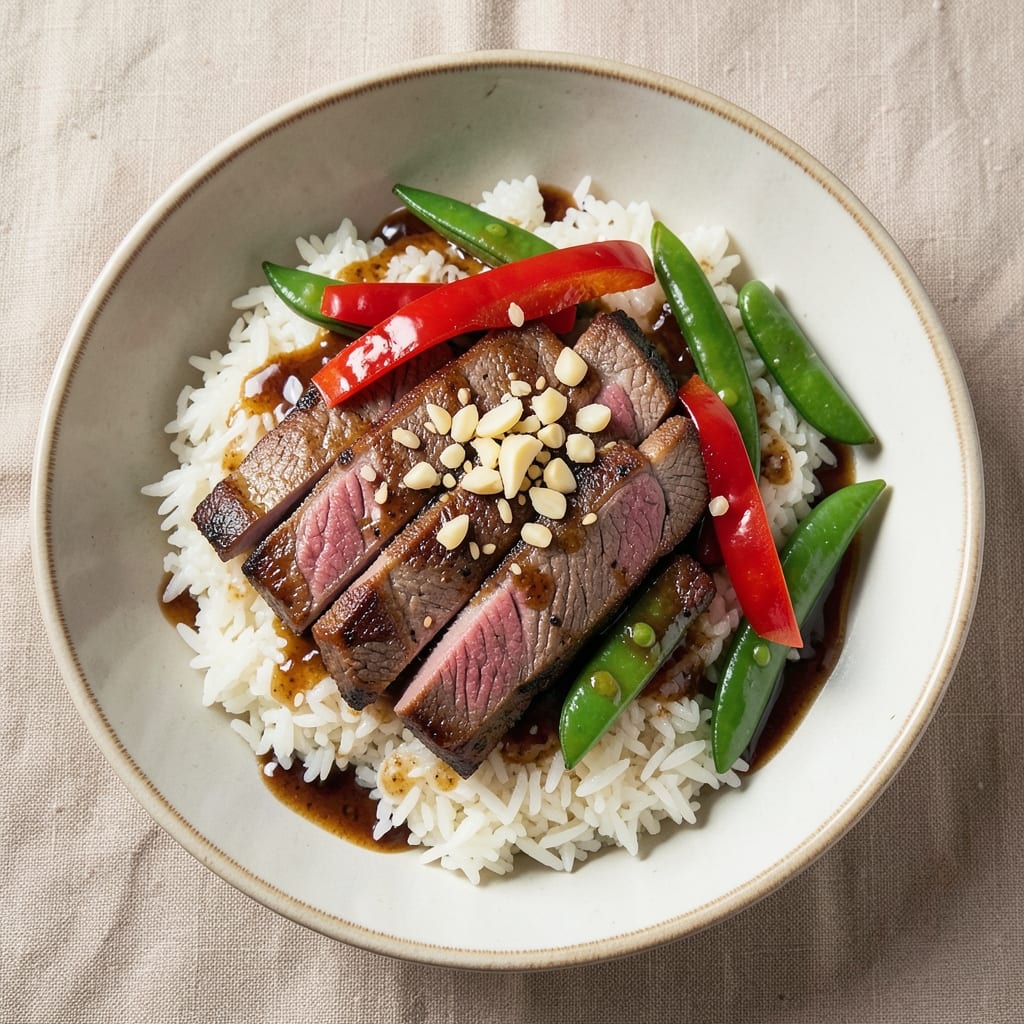
This Asian beef and rice bowl recipe delivers restaurant-quality wok-hei flavor in just 20 minutes, transforming simple ingredients into a harmonious balance of tender beef, fragrant jasmine rice, and vibrant vegetables. The secret lies in marinating the beef with a bold soy-ginger sauce, then stir-frying it over high heat to achieve that signature smoky aroma and caramelized crust. I developed this recipe after years of testing different techniques, and the result is a dish that's both quick and deeply satisfying.
The foundation of this bowl is perfectly cooked jasmine rice, which absorbs the rich flavors of the beef and sauce without becoming mushy. While the rice steams, the beef gets marinated in a blend of soy sauce, ginger, garlic, and a touch of brown sugar—this creates a complex flavor profile that's both savory and slightly sweet. The vegetables, typically bell peppers and snap peas, add a satisfying crunch and freshness that cuts through the richness of the beef.
What you'll end up with is a bowl that's packed with layers of flavor and texture—tender, caramelized beef, fragrant rice, crisp vegetables, and a glossy sauce that ties everything together. The high-heat stir-fry technique ensures the beef stays juicy while developing a delicious crust, and the sauce is perfectly balanced to complement rather than overpower the other components. This is the kind of meal that feels indulgent yet remains light enough for a weeknight dinner.
The best part? This recipe scales effortlessly, making it perfect for meal prep or feeding a crowd. Serve it with a side of pickled vegetables or a sprinkle of sesame seeds for extra depth. Let's get cooking—your taste buds will thank you.
Ingredients for asian beef and rice bowl
Jasmine rice, tender beef, and vibrant vegetables combine for a restaurant-worthy bowl in minutes.
| Ingredient | Amount | Notes |
|---|---|---|
| Flank Steak 🥩 | 1 lb | Thinly sliced against grain |
| Jasmine Rice 🍚 | 1 ½ cups | Uncooked, long-grain preferred |
| Red Bell Pepper 🧅 | 1 whole | Thinly sliced, seeds removed |
| Snap Peas 🌱 | 1 cup | Fresh or frozen, thawed |
| Fresh Garlic Cloves 🧄 | 4 cloves | Minced, vibrant aroma |
| Fresh Ginger 🌿 | 1 tbsp | Finely grated, peeled |
| Soy Sauce 🍶 | ½ cup | High-quality, dark soy preferred |
| Brown Sugar 🍯 | 2 tbsp | Packed, light brown preferred |
| Sesame Oil 🫒 | 1 tbsp | Toasted, for aroma |
| Vegetable Oil 🫒 | 2 tbsp | High smoke point |
| Green Onions 🧅 | 3 whole | Thinly sliced, white and green |
| Sesame Seeds 🌰 | 1 tbsp | Toasted, for garnish |
| Diamond Crystal Kosher Salt 🧂 | 1 tsp | For seasoning |
| Ground Black Pepper 🌶️ | ½ tsp | Freshly cracked |
The beef selection matters here—flank steak delivers the best texture when sliced thin against the grain. Look for cuts with good marbling at Whole Foods or your local butcher shop; the Costco Kirkland Signature brand is consistently reliable. Fresh ginger and garlic should be vibrant and firm, not shriveled or discolored. For the jasmine rice, Lotus Foods brand is widely available and delivers consistent texture. The bell pepper can be any color, but red offers the sweetest flavor profile. If using frozen snap peas, thaw and pat dry to avoid excess moisture in your stir-fry.
No flank steak? Sirloin or ribeye work well, but slice them thinner. Substitute dark soy sauce with regular soy sauce plus 1 tsp molasses for depth. Fresh ginger unavailable? Ground ginger at half the amount works in a pinch, though texture differs. For a quicker prep, pre-sliced stir-fry vegetables from the frozen aisle save time—just check for no added sauces. The sesame oil is purely for aroma; use sparingly or omit if avoiding strong flavors. Toast your sesame seeds in a dry pan for 30 seconds to enhance their nutty flavor before garnishing.
Jasmine rice keeps for 6 months in a cool, dark pantry. Store cooked rice in an airtight container in the fridge for 4-5 days or freeze for 3 months. The beef marinade can be prepped a day ahead and stored in the fridge. For meal prep, assemble bowls without the sesame seeds—sprinkle them fresh before serving to maintain crispness. This dish reheats beautifully; just add a splash of water or soy sauce to revive the sauce if it thickens.
Why You'll Love This Recipe
- One-Pan Magic: I swear by this trick—sear the flank steak and veggies in the same pan, then dump everything over the rice. Minimal chopping, zero extra dishes, and that caramelized garlic smell? Instant mood booster.
- Umami Bomb: The moment the steak hits the pan with garlic and a splash of soy, my kitchen smells like a street cart in Bangkok. The red bell pepper adds just enough sweetness to balance the savory, while snap peas keep it fresh without overpowering.
- Lunchbox Hero: Between us, this is my go-to for meal prep. Cook a big batch of rice, slice the steak thin, and toss everything in containers. Cold or reheated, it’s a protein-packed lunch that even my picky-eating coworker won’t complain about.
- Budget Steakhouse: Flank steak is affordable, and a pound stretches across two bowls with leftovers for days. Honestly, I’ve stretched it into three meals without anyone noticing—and the rice stretches even further. Fancy dinner or weeknight fix? Both.
Step-by-step instructions for Asian beef and rice bowl
Here's the method for a perfectly balanced bowl with tender beef, fragrant rice, and vibrant stir-fried vegetables.
Prepare the Flank Steak and Rice
Slice the 1 lb flank steak thinly against the grain into ¼-inch thick strips. This ensures tender bites that cook quickly in the wok. Place the sliced steak in a bowl and season generously with 1 tsp Diamond Crystal Kosher Salt and 0.5 tsp Ground Black Pepper. Let it marinate for 10 minutes while you prepare the other ingredients.
Rinse the 1.5 cups jasmine rice under cold water until the water runs clear, then combine with 2 cups water in a pot. Bring to a boil, then reduce heat to low and cover. Simmer for 15 minutes until the rice absorbs all the liquid and becomes tender. Remove from heat and let it steam covered for another 5 minutes. Fluff with a fork before serving.
Stir-Fry the Vegetables
Heat 2 tbsp vegetable oil in a large wok or skillet over high heat until shimmering. Add the sliced 1 whole red bell pepper and 1 cup snap peas, stirring constantly for 3-4 minutes until they soften slightly but retain their bright color. Remove the vegetables and set aside in a bowl.
In the same wok, add 4 cloves minced fresh garlic cloves and 1 tbsp finely grated fresh ginger. Stir-fry for 30 seconds until fragrant but not browned. Be careful not to burn the aromatics—they should add depth without bitterness. This quick cooking preserves their vibrant flavors for the finished dish.
Cook the Beef and Combine Ingredients
Return the wok to high heat and add the marinated flank steak strips. Cook for 2-3 minutes until they develop a light brown crust on the outside but remain tender inside. Remove the beef and set aside with the vegetables.
In the same wok, add 0.5 cup soy sauce and 2 tbsp brown sugar. Stir to deglaze the pan, scraping up any browned bits that contain concentrated flavor. Let it simmer for 1 minute until slightly reduced. Return the beef and vegetables to the wok, tossing everything together for 1 minute to coat evenly in the sauce.
Assemble and Garnish the Bowls
Divide the cooked 1.5 cups jasmine rice evenly among four bowls. Top each serving with the beef and vegetable mixture. Drizzle lightly with 1 tbsp sesame oil for added aroma and richness. Sprinkle with 3 whole green onions sliced thinly and 1 tbsp toasted sesame seeds for texture and visual appeal.
Serve immediately while the rice is warm and the vegetables retain their crunch. The combination of tender beef, fragrant rice, and vibrant stir-fried vegetables creates a harmonious balance of textures and flavors in every bite. The soy-ginger sauce adds depth, while the sesame oil and seeds provide a satisfying crunch.
Pro Tips For Making Asian Beef And Rice Bowl
- Slice Against the Grain: Flank steak’s tough fibers run diagonally, so cutting perpendicular to those lines turns chewy bites into tender ones. I used to overlook this and ended up with a bowl full of rubbery strips—now I slice at a 45-degree angle before cooking, and every bite melts.
- Salt the Steak First: Pat the flank steak dry, then hit it with a generous sprinkle of kosher salt 30 minutes before cooking. This breaks down the surface proteins, ensuring the marinade (or sauce) sticks like glue instead of sliding off. I learned this the hard way after a bowl where the beef tasted bland no matter how much soy sauce I dumped on it.
- Blister the Garlic: When tossing garlic cloves in the pan with the beef, leave the skin on and let them sizzle until deeply golden—about 2 minutes. The caramelized skins add a nutty depth that raw garlic can’t match. I was skeptical until I tried it, and now I double the garlic because it disappears into the dish.
- Cook the Rice Al Dente: Jasmine rice should have a slight bite when you press it between your fingers—undercooked rice turns mushy, and overcooked rice loses its aroma. Use a 1:1.25 rice-to-water ratio, cover, and remove from heat exactly when the water’s absorbed (about 12 minutes). The residual steam finishes the cooking without turning it into glue.
Make-ahead tips for this dish
Marinade Prep Ahead
Combine the soy sauce, brown sugar, minced garlic, grated ginger, and sesame oil in a bowl up to 24 hours in advance. Store in an airtight container in the fridge—this gives the beef maximum flavor infusion. I like to add 1 tsp cornstarch to thicken the marinade slightly if prepping ahead. 🌿
Rice Pre-Cooking
Cook the jasmine rice a day ahead and store it in a sealed container at room temperature. Reheat by microwaving with 2 tbsp water for 2 minutes, then fluff with a fork. For extra flavor, add 1 tsp toasted sesame oil while reheating. This keeps the grains separate and prevents mushiness.
Beef Prep Shortcut
Slice the flank steak and season it with salt and pepper, then store in a ziplock bag with the marinade for up to 12 hours. When ready to cook, simply remove the beef and discard the marinade (it's been fully absorbed). This eliminates last-minute slicing stress while keeping the meat tender. 🥩
Veggie Prep Efficiency
Chop the red bell pepper and snap peas ahead of time and store in separate airtight containers. Keep them dry to prevent sogginess—pat them with a paper towel if thawed from frozen. The green onions can be sliced and stored separately for garnishing. This cuts stir-fry time down to just 5 minutes when cooking.
Sauce Assembly
Make the sauce base (soy sauce + brown sugar) 1 day ahead and store it in the fridge. When ready to cook, simply heat it in the wok for 30 seconds before combining with the beef. I add ½ tsp grated ginger fresh to the sauce for an extra flavor boost. This ensures the sauce stays vibrant and doesn't lose its brightness.
Full Bowl Assembly
Prep all components separately and store in individual containers for up to 3 days. When ready to serve, assemble bowls by layering rice, beef, and veggies. Keep the sesame seeds and sesame oil separate until serving to maintain crispness. This method keeps everything fresh and ready to eat in minutes. ✨
Nutrition facts
Frequently asked questions
Can I substitute flank steak with another cut?
Yes! Sirloin or ribeye work well, but slice them thinner (⅛-inch strips) since they're more tender. For leaner cuts like top round, marinate for 30 minutes to prevent dryness. Avoid tough cuts like chuck—they won't tenderize properly in this quick cook time.
How do I keep the rice from getting mushy?
Rinse the jasmine rice thoroughly to remove excess starch, then cook it with 1:1.5 rice-to-water ratio. After simmering, let it steam 5 minutes off heat before fluffing. For extra insurance, spread cooked rice on a tray to cool—this prevents clumping. Reheat with 1 tsp sesame oil to restore texture.
Can I make this gluten-free?
Replace soy sauce with tamari or coconut aminos (use ½ cup for best flavor). Check your brown sugar for gluten—most brands are safe, but verify labels. For extra depth, add 1 tsp gluten-free fish sauce to the marinade. The dish will still be rich and flavorful.
Why is my beef tough instead of tender?
This usually happens from two issues: slicing against the grain wasn't done properly, or the beef cooked too long. Always slice ¼-inch thick strips perpendicular to the muscle fibers. Cook beef for only 2-3 minutes—it should be slightly pink inside. Let it rest 5 minutes before serving to redistribute juices.
What's the best way to reheat leftovers?
Reheat rice and beef separately in a skillet with 1 tsp vegetable oil over medium heat for 2-3 minutes. Add 1 tsp soy sauce to revive the sauce. For veggies, microwave for 30 seconds with a damp paper towel. Assemble fresh to maintain crispness—never reheat the whole bowl together.