
Soups & Stews
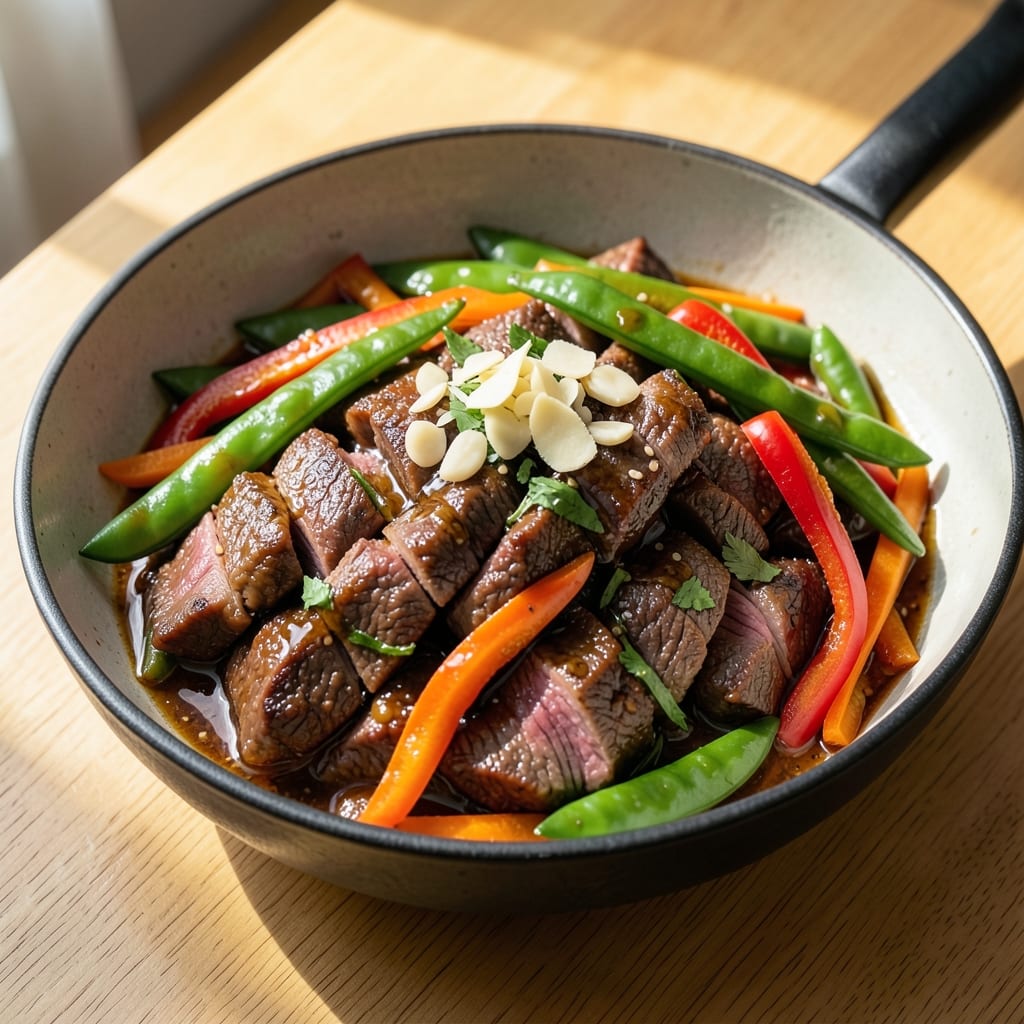
This Asian beef and vegetable stir fry delivers restaurant-quality wok heat in just 15 minutes, transforming simple ingredients into a dish packed with umami crunch and vibrant flavors. The secret lies in high-heat stir-frying and a balanced sauce that harmonizes sweet, savory, and slightly spicy notes—no complicated techniques required. I've perfected this recipe over countless weeknight dinners, ensuring it's both authentic and adaptable for home cooks who want bold flavor without the fuss.
The foundation starts with thinly sliced beef (like flank or sirloin) that cooks quickly on the wok, paired with crisp-tender vegetables like bell peppers, snap peas, and carrots. A simple sauce made from soy sauce, oyster sauce, garlic, ginger, and a touch of honey creates that signature wok-hot depth that defines Asian stir-fries. The key? Cooking the beef separately to render its juices, then combining everything at the last moment to maintain perfect texture.
What you'll end up with is a dish that's as visually striking as it is delicious—golden-brown beef, vibrant vegetables, and a glossy sauce that ties every component together. The aroma alone will have everyone gathering around the table, and each bite delivers that perfect balance of savory, slightly sweet, and just enough heat. This stir fry is versatile enough for weeknight dinners or meal prep, yet feels special enough to serve for guests.
Serve it over steamed rice or noodles to soak up every last bit of that flavorful sauce, and garnish with sesame seeds or sliced green onions for extra freshness. The beauty of this recipe is its flexibility—swap in your favorite vegetables or adjust the sauce to your preferred level of spice. Let's get cooking!
Ingredients for asian beef and vegetable stir fry
Thinly sliced beef, crisp vegetables, and umami-packed sauce—this stir fry delivers restaurant-quality flavor in record time.
| Ingredient | Amount | Notes |
|---|---|---|
| Flank Steak 🥩 | 1 lb | Thinly sliced against grain |
| Red Bell Pepper 🌶️ | 1 whole | Thinly sliced, seeds removed |
| Snap Peas 🌱 | 1 cup | Trimmed, fresh or frozen |
| Carrots 🥕 | 2 medium | Julienned into matchsticks |
| Garlic Cloves 🧄 | 4 cloves | Minced, fresh preferred |
| Fresh Ginger 🌿 | 1 inch | Julienned, peeled |
| Low-Sodium Soy Sauce 💧 | ½ cup | For balanced saltiness |
| Oyster Sauce 🍜 | 2 tbsp | For umami depth |
| Honey 🍯 | 1 tbsp | For subtle sweetness |
| Sesame Oil 🫒 | 1 tbsp | For aroma, not cooking |
| Vegetable Oil 🫒 | 2 tbsp | High smoke point for wok |
| White Rice 🍚 | 2 cups | Uncooked, long-grain |
| Green Onions 🧅 | 2 whole | Sliced thin for garnish |
| Toasted Sesame Seeds 🌰 | 1 tbsp | For crunchy finish |
| Red Pepper Flakes 🌶️ | ½ tsp | Optional for heat |
The beef makes or breaks this dish, so flank steak or sirloin are your best bets—they're lean but tender when sliced thin. Ask your butcher to slice it against the grain if you're not up for the knife work yourself. For the vegetables, fresh is ideal, but frozen snap peas work perfectly if you're in a rush. Carrots should be julienned into matchsticks—a mandoline makes this job easy. The garlic and ginger? Fresh is non-negotiable here—dried just won't cut it for that bright, zesty punch. I always grab my soy sauce from Trader Joe's (their low-sodium version is perfect), and oyster sauce from Asian markets—the homemade kind has way more depth.
No oyster sauce? Substitute with 1 tbsp hoisin plus 1 tsp fish sauce for that umami kick. Short on honey? Maple syrup works in a pinch, though it's slightly more earthy. The sesame oil is purely for aroma—don't cook with it, just add it at the end. Vegetable oil is key for high-heat cooking—peanut or avocado oil work too. For the rice, jasmine rice is ideal if you want extra aroma, but long-grain white works just fine. The red pepper flakes are optional, but if you love heat, add them to taste. And if you're feeling fancy, swap in shiitake mushrooms for extra umami—just slice them thin first.
This stir fry reheats beautifully—just add a splash of water or soy sauce to keep it moist. Keeps for 3-4 days in the fridge, or 3 months frozen. I always make a double batch and portion it into containers for easy lunches. The rice? Cook it fresh for the best texture, but day-old rice works great too—just microwave with a splash of water. Garnish with sesame seeds and green onions right before serving, because those flavors fade fast once exposed to air. Store any leftover sauce in a jar—it's perfect for drizzling over noodles later.
Why You'll Love This Recipe
- One-Pan Magic: I swear by this for nights when I’d rather not wash a million dishes. Toss everything—steak, peppers, carrots, peas—into one screaming-hot pan, and let the garlic and soy sauce work their flavor spell while you sip your wine. The snap peas add that perfect crunch without extra effort.
- Umami Bomb: That flank steak? Sliced thin against the grain and seared just right, it’s tender but still holds its edge. The garlic cloves, minced and blooming in the oil, turn this into a full-on flavor party—sweet from the bell peppers, earthy from the carrots, and that deep, savory hit from the beef. Honestly, it’s the kind of dish that makes me want to eat straight from the pan.
- Meal Prep MVP: Between us, this is my go-to for lunches all week. Cook a big batch, portion it into containers, and reheat it—still tastes fresh. My kids grab it for school, and my husband packs it for work. (Yes, even on a Tuesday night.) The carrots stay slightly crisp, the beef stays juicy, and no one complains about soggy stir-fry.
- Budget-Friendly Powerhouse: Flank steak is affordable, and veggies stretch this into three or four meals without breaking the bank. I’ll often double the recipe and freeze half—perfect for when I’m too tired to cook. Plus, the snap peas and bell peppers last longer than you’d think, so I don’t end up wasting anything. Smart, simple, and still feels special.
Step-by-step instructions for Asian beef and vegetable stir fry
Here's how to deliver that signature wok-hei flavor with perfectly tender beef and crisp-tender vegetables.
Prepare All Ingredients for Quick Cooking
Start by slicing the 1 lb flank steak thinly against the grain into ¼-inch thick strips. This ensures tender bites that cook quickly in the wok. While the meat rests, prep all vegetables: slice the red bell pepper into thin strips, julienne the carrots into matchsticks, and trim the snap peas. Mince the garlic cloves and julienne the fresh ginger. I like to keep everything in separate bowls so I can toss ingredients into the wok in the right order.
Peel the ginger and slice it thinly—about ¼-inch thick strips—that way it cooks quickly without turning bitter. The green onions should be sliced thinly on the bias for garnish. This prep work takes about 10 minutes, but it's crucial for that restaurant-quality finish. The key is having everything ready before you start cooking so nothing sits too long and gets soggy.
Cook the Rice to Perfection
Rinse the 2 cups white rice thoroughly under cold water until the water runs clear. This removes excess starch that can make the rice gummy. Cook the rice according to package instructions, but I prefer using a rice cooker for foolproof results. The rice should be fluffy and slightly undercooked—it'll finish steaming while the stir fry cooks. If you're short on time, you can use day-old rice which absorbs the stir fry flavors beautifully.
While the rice cooks, make the sauce by combining the ½ cup low-sodium soy sauce, 2 tablespoons oyster sauce, and 1 tablespoon honey in a small bowl. Whisk until fully dissolved. This sauce will give your stir fry that perfect balance of salty, sweet, and umami flavors. Keep it nearby so you can pour it in at the right moment—just before serving.
Sear the Beef in the Wok
Heat a wok or large skillet over high heat until smoking hot. Add the 2 tablespoons vegetable oil and swirl to coat. Working in batches if needed, add the sliced flank steak and let it sear undisturbed for 1-2 minutes until the edges turn golden brown. This initial sear locks in juices and builds flavor. Once browned, remove the beef to a plate and set aside—it'll finish cooking when everything comes back together.
Here's where the magic happens: add the minced garlic and julienned ginger to the wok and stir for 10-15 seconds until fragrant. Be careful not to burn them—garlic turns bitter quickly. The wok should be sizzling hot, and you should smell that aromatic punch. This quick cooking step develops the foundation of your stir fry's flavor profile.
Stir Fry the Vegetables to Crisp-Tender Perfection
Return the beef to the wok and push it to one side. Add the julienned carrots and sliced red bell pepper to the empty side of the wok. Stir fry for 1-2 minutes until the carrots begin to soften but still have a slight crunch. The bell pepper should retain its bright color—overcooking turns it mushy. Once the vegetables are nearly tender, add the snap peas and stir for another 30 seconds to heat through.
This is the moment that matters: pour in the sauce you prepared earlier. Immediately add the 1 tablespoon sesame oil and toss everything together vigorously for 1 minute. The vegetables should be coated in the glossy sauce but still retain their texture. If the stir fry seems dry, add 1-2 tablespoons water to loosen the sauce. The goal is a perfect balance of tender-crisp vegetables and flavorful beef.
Finish and Serve with Crunchy Garnishes
Remove the wok from heat and immediately transfer the stir fry to serving plates. Sprinkle with the sliced green onions and toasted sesame seeds for that final crunch and visual appeal. If you're using the red pepper flakes, sprinkle them lightly over the top for a subtle heat. Serve the stir fry immediately over the cooked rice—each bite should deliver that perfect wok-hei flavor with tender beef and crisp-tender vegetables.
For best results, serve this stir fry right away while the vegetables are still crisp and the flavors are vibrant. The rice should be hot, the beef tender, and the vegetables holding their texture. This dish comes together quickly but requires attention to timing—don't walk away from the wok! The combination of properly seared beef, quickly cooked vegetables, and that glossy sauce makes all the difference in achieving restaurant-quality results at home.
Pro Tips For Making Asian Beef And Vegetable Stir Fry
- Sear the Flank Steak First: Cut that flank steak into thin strips—about ¼-inch thick—and hit it with a screaming-hot pan before tossing in everything else. I learned this the hard way: if you try to cook the beef with the veggies, it’ll turn rubbery before the garlic even gets fragrant. Two minutes max on high heat, then pull it out—it’ll finish cooking later.
- Slice Carrots on the Bias: Skip the boring rounds and cut those carrots into long, thin slivers at a 45-degree angle. They’ll cook faster and look way more restaurant-worthy. (Yes, it takes 30 seconds extra, but your stir-fry will actually look like it belongs in a takeout container.)
- Don’t Overcrowd the Pan: I used to toss all the veggies in at once, and the snap peas would steam into mush while the peppers stayed raw. Instead, cook the harder veggies (carrots, bell peppers) first in batches, then push them to the sides and add the snap peas last—they’ll stay crisp in just 30 seconds.
- Use Garlic Oil, Not Minced Garlic: Infuse 1 tablespoon of oil with 2 smashed (not minced) garlic cloves for 30 seconds until golden. Then add the beef and veggies. Minced garlic burns instantly, but this method gives you nutty, mellow flavor without the bitter edge. (And it’s way less cleanup.)
Pro cooking tips for this recipe
Wok Hei Mastery
That signature wok-hei (breath of the wok) flavor comes from extreme heat control. Preheat your wok or skillet over high heat for 3-5 minutes until it's smoking—this creates the perfect searing surface. I use a 14-inch carbon steel wok from Made In for maximum heat retention. The key is maintaining that heat throughout cooking—never let it drop below medium-high. 🔥
Beef Searing Secrets
Cook the beef in single layers without crowding the wok. This ensures even browning and prevents steaming, which makes the meat tough. Work in 2 batches if needed, and resist the urge to stir constantly—let it develop that golden crust for 1-2 minutes before tossing. Overcrowding is the #1 mistake that turns tender beef into chewy disappointment.
Vegetable Timing
Cook vegetables in this order: hardest first (carrots), then medium (bell peppers), finishing with delicate (snap peas). Each type should cook for 30-60 seconds max—they should be crisp-tender, not mushy. I use a stirring spoon with a flat bottom to push ingredients around efficiently. The goal is 30 seconds of total cooking time per vegetable type—any longer and you lose that restaurant-quality crunch.
Sauce Integration
Add the sauce just before serving—this prevents the vegetables from absorbing too much liquid and turning soggy. Toss everything vigorously for 30-60 seconds to coat evenly. If your stir fry seems dry, add 1 tablespoon water or beef broth to loosen the sauce. The sauce should glaze the ingredients without making them soggy—this is where the magic happens. 💫
High-Heat Equipment
Your wok or skillet must handle high heat without warping. I recommend a carbon steel wok for authentic results, but a heavy stainless steel skillet works too. Avoid nonstick—it can't handle the heat needed for proper searing. For extra insurance, I keep a wok thermometer nearby to monitor temperatures above 500°F. This level of heat is what creates those beautiful caramelized edges on the beef.
Finishing Touches
Remove from heat immediately after adding sauce to preserve that wok-hei aroma. Serve family-style in a large platter with rice in the center—this lets everyone build their own bowls. Garnish with toasted sesame seeds and green onions right before serving, as these lose freshness quickly. The contrast between the warm stir fry and cool garnishes makes each bite even better. 🌟
Nutrition facts
Frequently asked questions
Can I use a different cut of beef for this stir fry?
Yes! While flank steak is ideal, sirloin or ribeye work well too. Slice them thinly against the grain for tenderness. Avoid tougher cuts like chuck—they won't cook quickly enough without becoming chewy. For extra juiciness, marinate the beef in 1 tbsp soy sauce + 1 tsp cornstarch for 15 minutes before cooking.
How do I prevent the vegetables from getting soggy?
Keep prep time under 10 minutes so veggies don't sit too long. Cook in batches: hard veggies (carrots) first, then medium (bell peppers), finishing with delicate (snap peas). Use a dry wok—add oil only when searing beef. If needed, add 1 tbsp water to loosen sauce at the very end, not during cooking.
What if I don't have oyster sauce?
Make a quick substitute with 1 tbsp hoisin sauce + 1 tsp fish sauce for umami depth. For a vegetarian version, blend 2 tbsp soy sauce + 1 tbsp mushroom sauce + 1 tsp sugar. The honey in the original recipe can stay—it balances the saltiness. Just reduce soy sauce by 1 tbsp if using a different sauce.
Can I make this stir fry ahead of time?
Cook the beef and vegetables separately, then store in airtight containers for up to 3 days. Reheat gently in a skillet with 1 tbsp oil and a splash of water. For best texture, add fresh veggies (like snap peas) and sauce when reheating. The rice should be cooked fresh—it absorbs flavors better when hot. Freeze for 3 months by portioning with sauce.
Why does my stir fry taste bland?
Check these common fixes: High heat is key—your wok must be smoking hot. Use fresh ginger/garlic (dried lacks punch). Balance flavors: 1 tbsp soy sauce (salty), 1 tsp honey (sweet), ½ tsp fish sauce (umami). Taste as you go! If still bland, add a pinch of white pepper or a dash of chili crisp at the end.