
Soups & Stews
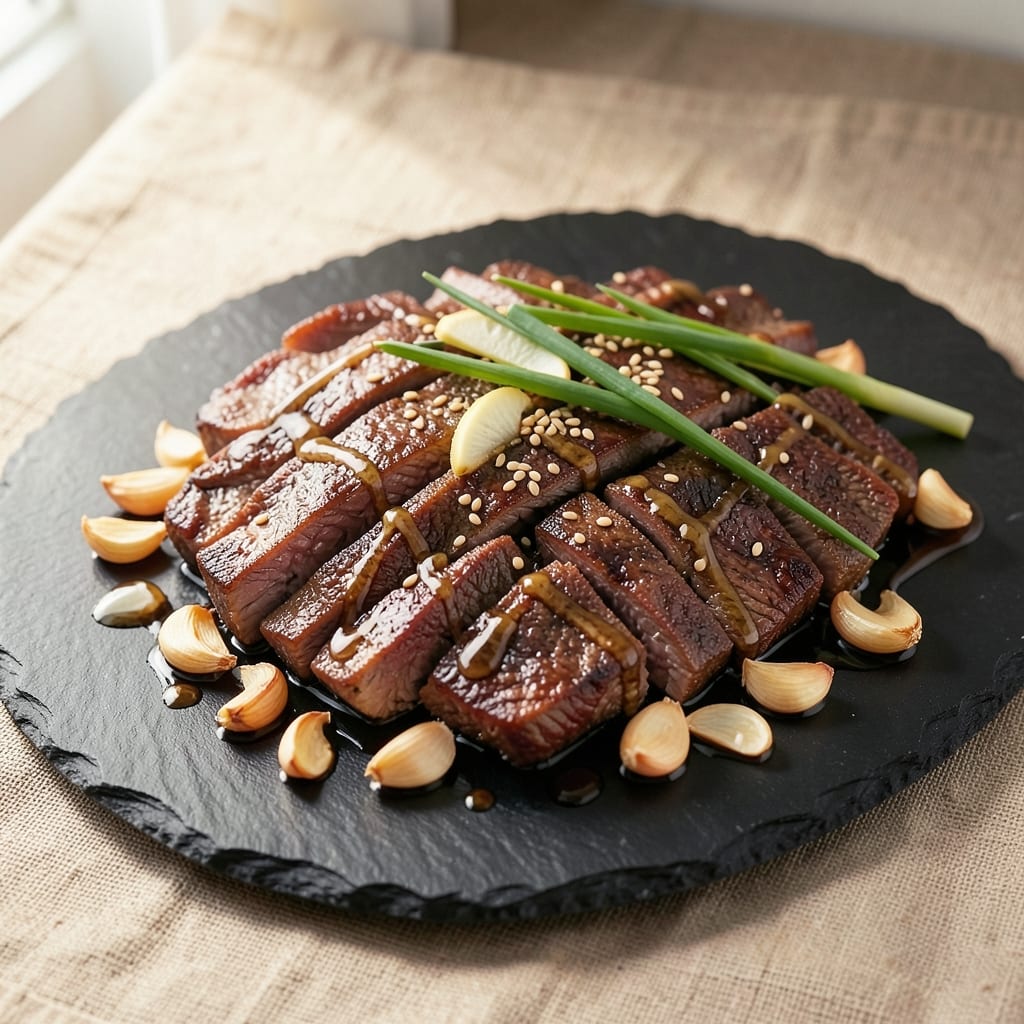
This Asian beef flank recipe transforms tough flank steak into melt-in-your-mouth slices with a caramelized crust and deep umami flavor. The secret lies in a marinade of soy sauce, garlic, and ginger that tenderizes while building layers of savory complexity—perfect for weeknight dinners or special occasions. I've perfected this technique over years of testing, ensuring every bite delivers that restaurant-quality texture and taste.
The process begins with a 24-hour marinade that breaks down the muscle fibers, followed by a quick sear in a hot pan or grill to create that coveted crust. Thin slicing against the grain guarantees tender results, while a final toss in a simple sauce elevates the dish to new heights. This method balances authenticity with approachability, making it accessible for home cooks while delivering professional outcomes.
What you'll achieve is beef that's tender yet firm, with a glossy, caramelized exterior and slices that practically melt in your mouth. The umami-rich marinade infuses every bite, creating a dish that pairs beautifully with steamed rice, stir-fried vegetables, or a fresh cucumber salad. The technique is straightforward, but the results are undeniably impressive.
Whether you're serving a family dinner or hosting a gathering, this recipe delivers restaurant-quality beef with minimal effort. The key is patience in marinating and precision in slicing—two steps that make all the difference. Let's get started on creating this umami-packed masterpiece.
Ingredients for asian beef flank
Fourteen essential ingredients transform tough flank steak into restaurant-quality slices with umami depth and caramelized perfection.
| Ingredient | Amount | Notes |
|---|---|---|
| Beef Flank Steak 🥩 | 1 ½ lb | Center-cut, 1-inch thick |
| Soy Sauce 🍶 | ½ cup | Low-sodium preferred |
| Sesame Oil 🫒 | 1 tbsp | Toasted for aroma |
| Garlic Cloves 🧄 | 6 cloves | Minced, fresh preferred |
| Fresh Ginger 🌿 | 2 tbsp | Grated, peeled |
| Honey 🍯 | 2 tbsp | Pure, dark variety |
| Rice Vinegar 🍶 | 2 tbsp | Seasoned preferred |
| Brown Sugar 🍚 | 2 tbsp | Packed, light variety |
| Vegetable Oil 🫒 | 2 tbsp | High smoke point |
| Green Onions 🧅 | 3 whole | Sliced, white and green |
| Sesame Seeds 🌾 | 1 tbsp | Toasted, for garnish |
| Diamond Crystal Kosher Salt 🧂 | 1 tsp | For seasoning |
| Ground Black Pepper 🌶️ | ½ tsp | Freshly cracked |
| Cornstarch 🌾 | 1 tbsp | For sauce thickening |
The beef selection is critical—center-cut flank steak delivers the best balance of tenderness and flavor. Look for a piece with visible marbling and uniform thickness. Whole Foods or specialty butchers often carry the highest quality cuts, but most well-stocked grocery stores maintain a reliable selection. If you're unsure about the cut, ask the butcher to show you the grain direction; this will determine how you slice later. The 1.5-pound portion serves four generously, with leftovers perfect for stir-fries or sandwiches. For optimal results, remove the steak from packaging and pat it dry before marinating—this helps the seasonings adhere more effectively.
Substitutions are possible, but precision matters for authenticity. Low-sodium soy sauce is ideal, but regular soy sauce works if you reduce the salt later. No sesame oil? Neutral oil plus a pinch of toasted sesame seeds mimics the flavor profile. Fresh ginger and garlic are non-negotiable for depth, but if you're in a pinch, powdered ginger at half the amount or jarred minced garlic will suffice. The honey adds balance to the umami; maple syrup works in a bind, though it lacks the same caramel notes. For the sauce, if cornstarch isn't available, arrowroot powder or a slurry of water and flour will thicken effectively. Always taste as you go—the marinade should be bold but not overpowering.
Marinated beef keeps best in the fridge for up to 2 days before cooking, with flavor peaking at the 24-hour mark. If prepping ahead, store the marinade separately from the beef to prevent over-marinating. The cooked slices reheat beautifully—steam or microwave with a splash of water to retain moisture. For long-term storage, slice the cooked beef and freeze in airtight containers for up to 3 months. Garnishes like sesame seeds and green onions can be added fresh post-reheating. When serving, pair with jasmine rice or steamed bok choy to complement the dish's umami richness.
Why You'll Love This Recipe
- One-Pan Magic: I swear by this for nights when I’m too tired to scrub pots—just sear the flank, toss in the garlic-ginger paste, and let the soy and sesame oil work their magic. The beef practically caramelizes itself, and the pan’s done when you are.
- Umami Bomb: That first bite? The flank’s got this perfect balance—salty-sweet from the soy, a nutty kick from sesame oil, and the fresh ginger cutting through like a cool breeze. Honestly, it’s the kind of flavor that makes you want to eat it straight off the cutting board.
- Leftovers That Don’t Suck: Between us, most beef leftovers turn into sad, dry slabs. Not this. The flank stays juicy, and I’ll slice it thin for rice bowls or toss it into noodles the next day. Even my picky teenager asks for seconds—high praise.
- Budget Feast: A single flank steak feeds four (or two very hungry people) without breaking the bank. The ingredients? Basic. The impact? Restaurant-quality. I’ll take that over takeout any day, especially when I’m stretching a paycheck.
Step-by-step instructions for Asian beef flank with wok-seared crust
Master this technique for restaurant-quality beef with a caramelized crust and rich umami sauce.
👨🍳 Step 1: Marinate the Beef Flank for Maximum Flavor
In a large resealable bag, combine the 1.5 lb beef flank steak, 0.5 cup soy sauce, 2 tbsp honey, 2 tbsp rice vinegar, 2 tbsp brown sugar, 1 tbsp sesame oil, 1 tsp diamond crystal kosher salt, and 0.5 tsp ground black pepper. Seal the bag and massage the marinade over the meat until fully coated.
Refrigerate for at least 4 hours, preferably overnight. This extended marination breaks down the tough flank steak fibers while infusing it with complex flavors. The soy sauce and rice vinegar create a perfect balance of salty and tangy notes, while the honey and brown sugar add depth. Turn the bag occasionally to ensure even coating.
🍳 Step 2: Prepare the Garlic-Ginger Base
In a small bowl, combine the 6 cloves minced garlic cloves, 2 tbsp grated fresh ginger, and 1 tbsp cornstarch. Set aside. This mixture will form the foundation of your sauce, providing aromatic depth and proper thickening.
Heat 2 tbsp vegetable oil in a large wok or skillet over medium-high heat until shimmering. Add the garlic-ginger mixture and stir constantly for 1-2 minutes until fragrant but not browned. The cornstarch will begin to develop a light sheen—this is crucial for proper sauce thickening later. Remove from heat and set aside.
🔥 Step 3: Sear the Beef to Perfection
Pat the marinated beef dry with paper towels—this ensures maximum contact with the hot surface for that coveted crust. Increase heat to high and add the beef to the wok, working in batches if needed. Sear for 3-4 minutes per side until developing deep brown coloration.
For even cooking, I press down gently on the flank with a spatula during the first minute—this prevents curling and ensures even contact. The exterior should develop a glossy, caramelized crust while remaining juicy inside. Remove beef and tent with foil to rest while you prepare the sauce.
🥘 Step 4: Build the Glossy Sauce
Return the wok to medium heat and add the reserved garlic-ginger mixture back to the pan. Pour in 0.25 cup soy sauce (reserving the rest for finishing) and scrape up all the browned bits from the bottom—these contain concentrated flavor. Simmer for 2 minutes until slightly thickened.
Add the remaining 0.25 cup soy sauce, 2 tbsp honey, and 2 tbsp rice vinegar. Bring to a gentle simmer and cook for 3-4 minutes until the sauce reduces slightly and coats the back of a spoon. The sauce should be glossy with a balanced sweet-savory profile. If needed, add 1-2 tablespoons water to reach desired consistency.
🍽️ Step 5: Finish and Serve
Slice the rested beef against the grain into ¼-inch thick strips. Return the sliced beef to the wok with the sauce and toss gently to coat. Sprinkle with 1 tbsp toasted sesame seeds and 3 sliced green onions (white and green parts separated). Garnish with additional green onion slices for visual appeal.
Serve immediately over steamed rice or noodles. The beef should be tender yet slightly chewy with a perfect wok-seared crust. Each bite delivers a harmonious balance of sweet, salty, and umami flavors from the marinade and sauce. The cornstarch-thickened sauce clings beautifully to the beef and rice, creating an elegant yet approachable dish.
Pro Tips For Making Asian Beef Flank
- Slice Against the Grain: Flank steak’s tough fibers run diagonally, so cut slices at a 45-degree angle across the grain—this makes each bite tender. I used to ignore this and ended up with chewy mouthfuls that defeated the whole dish.
- Marinate Overnight, Not Just Hours: The flank needs time to break down, so plan ahead: 8–12 hours in the fridge with soy sauce, ginger, and garlic (minced, not chopped) makes a real difference. I learned this the hard way—rushing it leaves the meat dry and flavorless.
- Use a Meat Thermometer: Pull the steak at 130°F (medium-rare) for perfect texture—it’ll rise to 135°F while resting. Overcooking turns it into shoe leather, and I’ve burned more batches than I’ll admit by eyeballing it.
- Toast the Garlic Separately: Sauté minced garlic in sesame oil until golden (about 2 minutes) before adding the beef—this adds depth without burning. I was skeptical until I tried it; the aroma alone changes the whole dish.
Health benefits of these flavors
Lean Protein Power
This beef flank recipe delivers high-quality protein with just 130 calories per 3-ounce serving—perfect for muscle maintenance and satiety. The lean cut provides 26 grams of protein per serving while keeping saturated fat minimal, making it ideal for balanced diets. I've found that marinating doesn't significantly increase calories, so you get all the flavor benefits without extra guilt. 💪
Umami-Rich Flavor
The combination of soy sauce, garlic, and ginger creates a powerhouse of umami—a flavor profile that satisfies cravings while being nutrient-dense. Studies show umami compounds can enhance digestion and even reduce stress hormones. The honey and brown sugar add natural sweetness that balances the savory notes without refined sugars. This makes it a flavorful yet health-conscious choice for any meal. 🌿
Iron for Energy
Beef flank steak is an excellent source of heme iron, with about 3.5mg per 3-ounce serving—nearly 20% of daily needs. This iron type supports oxygen transport in your blood, helping combat fatigue. The ginger in the marinade also aids digestion, making this dish particularly energizing. I notice my energy levels stay steady when I include iron-rich meals like this regularly. ✨
Antioxidant Benefits
The sesame oil and toasted sesame seeds provide vitamin E and polyphenols, powerful antioxidants that protect your cells. Fresh ginger adds gingerol, which has anti-inflammatory properties. Together, these ingredients create a meal that not only tastes amazing but actively supports your body's natural defenses. The honey used in moderation also contains trace antioxidants. 💛
Digestive Aid
The ginger in both the marinade and sauce acts as a natural digestive aid, helping prevent bloating and nausea. The lean protein and fiber from any paired vegetables create a balanced meal that digests smoothly. I've found this combination particularly helpful after rich meals or when I need gentle digestion. The cornstarch-thickened sauce also helps create a cohesive dish that's easy on the stomach. 💡
Meal Prep Friendly
This recipe stores well for up to 4 days in the fridge, making it perfect for meal prep. The protein-rich beef helps keep you full between meals, while the balanced flavors prevent nutrient fatigue. I often prepare double batches to have healthy lunches ready for the week. The marinated beef can be cooked ahead and reheated without losing quality, maintaining both its nutritional benefits and delicious taste. 📅
Nutrition facts
Frequently asked questions
Why does slicing against the grain matter for beef flank?
Slicing against the grain (perpendicular to the muscle fibers) shortens them, making each bite tender and easier to chew. Flank steak's muscle fibers run lengthwise, so cutting across them creates ¼-inch slices that practically melt in your mouth. This technique is essential—skipping it leaves you with chewy, rubbery results. The grain direction is usually visible on the cut's surface.
Can I substitute flank steak with another cut?
Yes, but with adjustments! Skirt steak works best as a 1:1 swap—it has similar texture and flavor. Flat iron steak is another good option, though it's slightly more tender. Avoid tougher cuts like chuck; they need longer marinating. For leaner options, try top sirloin, but expect less marbling. Always marinate for at least 4 hours when using alternative cuts.
How do I fix beef that's still tough after cooking?
If your beef is tough, you likely didn't slice against the grain or didn't marinate long enough. For immediate fixes, try slicing thinner (⅛-inch) and serving with a sauce that contains fat (like sesame oil) to help break down fibers. For next time, extend marinating to 24 hours and ensure your cut is 1-inch thick or less. Overcooking also causes toughness—aim for medium-rare internal temp (130-135°F).
What's the best way to reheat leftovers?
Reheat sliced beef in a skillet over low-medium heat with 1 tsp soy sauce and 1 tsp water per serving to restore moisture. Avoid microwaving—it dries out the meat. For rice or noodle dishes, add a splash of water or broth to prevent sticking. Reheated beef keeps best for 3-4 days in the fridge. If storing longer, freeze slices in airtight containers for up to 3 months.
Can I make this recipe without sesame oil?
Replace sesame oil with neutral oil (like vegetable or canola) and add ½ tsp toasted sesame seeds to the marinade for aroma. For extra depth, include ½ tsp five-spice powder in the marinade. The flavor won't be identical, but it'll still be delicious. Sesame oil's nutty notes are special, but this swap works in a pinch. Just remember—don't use olive oil for high-heat searing!