
Sauces & Condiments
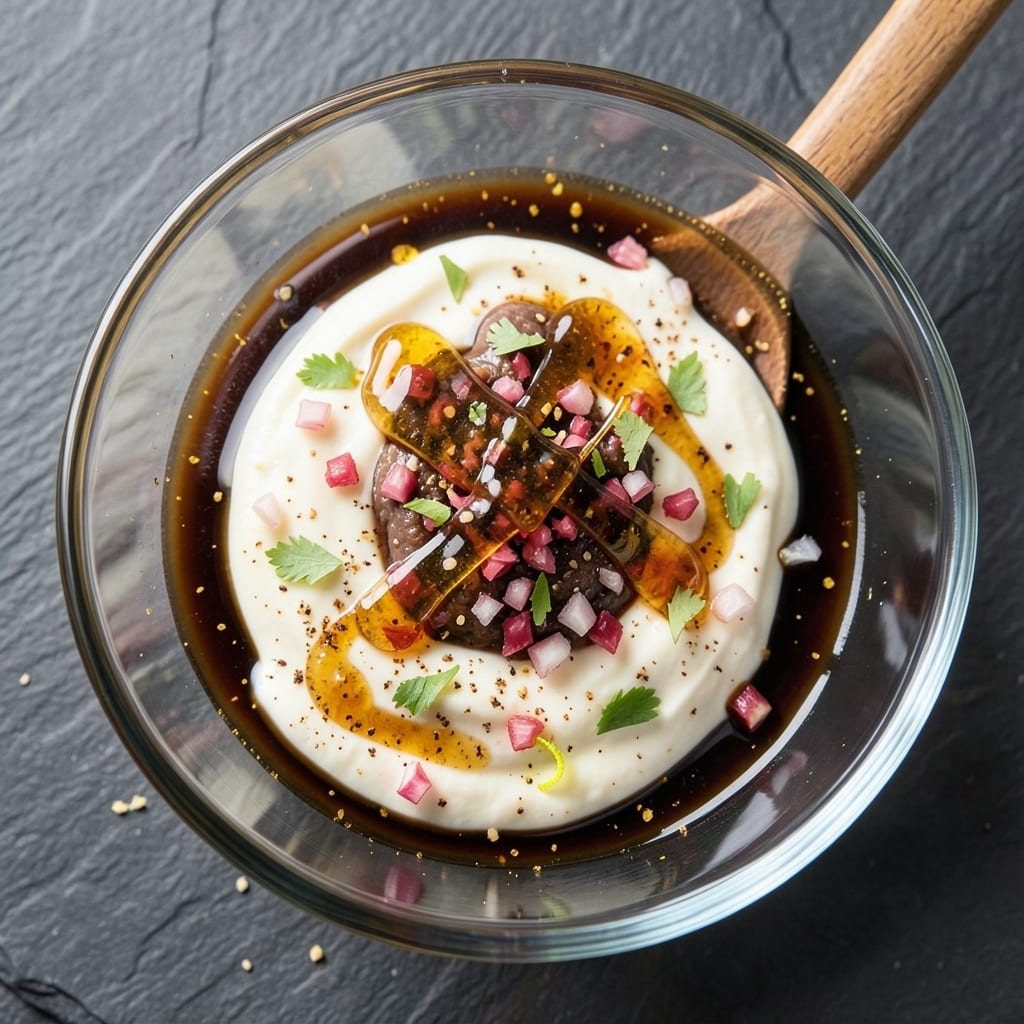
This Asian beef salad dressing recipe transforms ordinary salads into vibrant, restaurant-quality meals with just five ingredients and five minutes of prep. The secret lies in balancing tangy rice vinegar, savory soy sauce, and aromatic sesame oil—creating a dressing that clings beautifully to greens while enhancing the natural flavors of beef. I developed this recipe after realizing store-bought versions lacked the depth and complexity of homemade, and it's become my go-to for everything from quick lunches to elegant dinner salads.
The magic happens when you whisk together the ingredients until emulsified, creating a silky texture that coats every bite. Fresh ginger and garlic add warmth, while a touch of honey or sugar balances the acidity, ensuring the dressing is both tangy and smooth. This recipe uses simple pantry staples, making it perfect for weeknight cooking or meal prep—just store it in the fridge for up to a week, where the flavors deepen over time.
What sets this dressing apart is its versatility. Drizzle it over sliced beef and mixed greens for a classic Asian-inspired salad, or use it as a marinade for grilled meats. The dressing’s bold flavors also elevate noodle bowls, stir-fries, or even as a dipping sauce for spring rolls. The result? A dressing that’s quick to make but feels like a gourmet touch, with every spoonful packed with umami and zing.
For an extra layer of richness, stir in a splash of beef broth or a dash of fish sauce—this optional step adds depth that takes the dressing from good to unforgettable. Whether you're prepping for a week of lunches or dressing up a last-minute meal, this recipe delivers consistent, restaurant-worthy results every time.
Ingredients for asian beef salad dressing
Five simple ingredients transform into a restaurant-quality dressing that elevates Asian beef salads instantly.
| Ingredient | Amount | Notes |
|---|---|---|
| Rice Vinegar 🍶 | ½ cup | White or seasoned variety |
| Soy Sauce 🥢 | ⅓ cup | Low-sodium preferred |
| Sesame Oil 🫒 | 2 tbsp | Toasted for authentic flavor |
| Fresh Ginger 🌿 | 1 tbsp | Finely grated, peeled |
| Garlic Cloves 🧄 | 2 cloves | Minced or pressed finely |
| Honey 🍯 | 2 tbsp | Or maple syrup for vegan option |
| Sesame Seeds 🌰 | 1 tbsp | Toasted, for garnish |
| Beef Broth 🍲 | ½ cup | Low-sodium, optional richness |
| Fish Sauce 🐟 | 1 tsp | Optional umami depth |
| Sesame Paste 🌱 | 1 tbsp | For extra thickness |
The rice vinegar is your base—Kikkoman or Mushkin brands are my go-tos for that clean, bright tang. Soy sauce should be low-sodium to avoid overpowering the delicate flavors; Kikkoman or Lee Kum Kee are reliable choices. Sesame oil is non-negotiable for that nutty aroma, but grab the toasted variety from Trader Joe's or Asian markets—it's worth the splurge. Fresh ginger and garlic should be vibrant; yellow root ginger has more punch than the pale kind. If you're prepping ahead, store them separately until ready to mix—the oil can make the dressing bitter over time.
No sesame oil? Toasted peanut oil at half the amount works in a pinch, though it lacks the authentic flavor. Substitute honey with maple syrup or agave for a vegan version, though the texture may be slightly thinner. For extra depth, beef broth or fish sauce adds umami—skip both if you prefer a lighter dressing. The sesame paste is optional but creates that signature thickness; Trader Joe's sells it pre-made, or blend toasted sesame seeds with a little oil if you're feeling ambitious. If your ginger or garlic smell funky, toss it—old spices ruin the party.
This dressing keeps for up to 1 week in the fridge, though the flavors meld beautifully after 24 hours. Store it in a small glass jar with a tight lid to preserve freshness. Shake well before each use—it separates slightly over time. For meal prep, double the batch and portion into small containers; it's perfect for drizzling over salads, marinating grilled meats, or even tossing with noodles. If it thickens too much, stir in a splash of warm water to loosen it up.
Why You'll Love This Recipe
- I’ll be real: this dressing comes together with what’s already in my pantry. No specialty shopping—just rice vinegar, soy sauce, and a quick minced garlic clove. The sesame oil adds that nutty punch without extra effort.
- Five-Ingredient Magic: I’ll be real: this dressing comes together with what’s already in my pantry. No specialty shopping—just rice vinegar, soy sauce, and a quick minced garlic clove. The sesame oil adds that nutty punch without extra effort.
- Umami Bomb: That combo of fresh ginger and garlic? It’s like a flavor explosion. The ginger’s zing cuts through the richness of the sesame oil, while the garlic adds depth—simple, but ridiculously satisfying.
- Dressing for Everything: Slather it on grilled beef, toss it with cold noodles, or drizzle it over a simple veggie bowl. Honestly, I’ve even used it as a marinade for chicken. It’s the kind of dressing that makes boring meals feel special.
Step-by-step instructions for Asian beef salad dressing
This dressing comes together faster than you can say "umami."
Prepare the Aromatics and Base Liquids
In a small bowl, finely grate the 1 tablespoon of fresh ginger using a microplane or the smallest holes of a box grater. I like to press the ginger against the grater with my thumb to extract every bit of juice—this ensures maximum flavor in the dressing. Set aside.
In the same bowl, add the 2 cloves of garlic cloves and press them with the flat side of your knife until you have a fine paste. This step is crucial—minced garlic can be too chunky and disrupt the smooth texture of the dressing. Add the 0.5 cup of rice vinegar and 0.33 cup of soy sauce to the bowl and whisk vigorously to combine. The vinegar will help dissolve the ginger and garlic completely.
Build the Flavor Foundation
Transfer the vinegar-ginger-garlic mixture to a small saucepan and place it over medium heat. Add the 0.5 cup of beef broth and bring the mixture to a gentle simmer. Let it cook for 3-4 minutes until it reduces by about one-third—you'll notice the liquid will thicken slightly and the aroma will become more intense.
Real talk: don't rush this step. The reduction process concentrates the flavors and removes any raw taste from the ginger and garlic. You're looking for a syrupy consistency that coats the back of a spoon. If you see the mixture starting to bubble too vigorously, reduce the heat slightly to maintain a gentle simmer.
Incorporate the Sweet and Nutty Elements
Remove the saucepan from heat and let the mixture cool for 2-3 minutes. While it cools, add the 2 tablespoons of honey and 1 tablespoon of sesame paste to the saucepan. Stir well to combine—this is where the dressing starts to take on its signature balance of sweet, savory, and nutty flavors.
Next, whisk in the 2 tablespoons of sesame oil one tablespoon at a time. I add it slowly to emulsify the dressing properly. The sesame oil is rich and can separate if added too quickly, so take your time here. The dressing should begin to look glossy and slightly thickened. If it looks too thin, you can whisk in a few drops of water to help bind it.
Finish with Umami and Garnish
Add the 1 teaspoon of fish sauce and stir well. Taste the dressing at this point—you should notice a complex balance of sweet, salty, umami, and a hint of spicy ginger. If it needs more salt, add a pinch more soy sauce. If it needs more sweetness, add a tiny bit more honey. Adjust to your taste preference, but remember that the flavors will mellow slightly once chilled.
Finally, transfer the dressing to a clean jar and let it cool to room temperature. Once cooled, sprinkle the 1 tablespoon of sesame seeds on top for both garnish and added texture. Store in the refrigerator for up to 1 week—the flavors will continue to meld and deepen over time. This dressing is perfect for tossing with Asian-inspired salads, drizzling over grilled meats, or even using as a marinade for beef dishes.
Pro Tips For Making Asian Beef Salad Dressing
- Mince Ginger Fine: Use a microplane or the smallest holes on a grater—no need to chop. I learned this the hard way after tasting clumpy ginger in my dressing. It blends smoother and releases flavor faster than even a sharp knife.
- Warm Sesame Oil: Heat the sesame oil just until it shimmers—about 30 seconds—before mixing it in. Cold oil can taste harsh, but overheating burns the nutty aroma. Think "warm, not fried."
- Balance Vinegar Last: Add rice vinegar after everything else is emulsified, then taste. Too much upfront makes the dressing sour; adding it last lets you adjust without thinning the texture. (Yes, even if you’re impatient like me.)
- Toast Garlic Cloves: Sear the garlic in a dry pan for 30 seconds until golden before mincing—it deepens the flavor without bitterness. Skip this, and your dressing tastes like raw garlic punch. (Your future self will notice.)
Regional styles of this recipe
Japanese-Inspired Yuzu Twist
For a brighter, citrus-forward dressing, swap ½ cup of the rice vinegar for ¼ cup yuzu juice (or sub with equal parts lemon juice and orange juice). Add 1 tsp grated yuzu zest (or substitute with ½ tsp lemon zest) for a zesty kick. This variation works beautifully with warm beef skewers> and mixed greens> like mizuna or baby spinach. 🍋
Thai-Inspired Chili-Lime Zing
Infuse this dressing with Thai flavors by adding 1 tbsp lime juice, 1 tsp fish sauce>, and ½ tsp chili flakes>. Reduce the honey to 1 tbsp> to balance the acidity. This bold version pairs perfectly with grilled beef strips> and Thai basil> in a summer salad. For extra heat, stir in 1 tsp sambal oelek> just before serving.
Korean-Inspired Gochujang Depth
Transform this dressing into a Korean-inspired version by replacing 1 tbsp of the soy sauce> with 1 tbsp gochujang> (Korean chili paste). Add ½ tsp toasted sesame seeds> and a pinch of black pepper> for warmth. This richer, spicier dressing elevates bulgogi beef> salads or kimchi>-beef bowls. Store in the fridge for up to 5 days>—the flavors intensify over time.
Vietnamese-Inspired Nuoc Cham Fusion
Create a Vietnamese-inspired twist by replacing ½ cup of the rice vinegar> with ¼ cup fish sauce> and adding 2 tbsp lime juice>. Stir in 1 tsp sugar> (or more honey) and ½ tsp black pepper>. This tangy, umami-packed dressing works wonders with grilled beef slices> and rice noodles>, mimicking the flavors of nuoc cham>. Garnish with fresh cilantro> and crushed peanuts> for texture.
Chinese-Inspired Five-Spice Glaze
For a Chinese-inspired variation, replace the sesame oil> with 1 tbsp peanut oil> and add ½ tsp Chinese five-spice powder>. Use 1 tbsp hoisin sauce> instead of honey for a deeper, slightly sweet-savory flavor. This dressing shines with char siu beef> (Chinese BBQ pork) or stir-fried greens>. The five-spice adds a warm, aromatic complexity that complements hearty beef dishes beautifully.
Modern Fusion: Miso-Ginger Dressing
Elevate the dressing with a modern fusion by replacing 1 tbsp of the soy sauce> with 1 tbsp white miso paste>. Add 1 tsp grated daikon> and a splash of mirin> for sweetness. This creamy, umami-rich dressing pairs exceptionally well with seared beef strips> and shredded cabbage>. The miso adds a subtle depth that bridges Japanese and Chinese culinary traditions. Store in an airtight container for up to 1 week**>—the miso flavor deepens as it rests. 🌟
Nutrition Facts
Frequently Asked Questions
Can I make this dressing without sesame oil?
For a similar nutty depth, substitute with 1 tablespoon toasted peanut oil or even avocado oil—though the flavor won't be identical. If you're avoiding sesame entirely, try 1 teaspoon tahini mixed with 1 teaspoon water for a creamy alternative. The dressing will still taste delicious but lose some of its signature aroma.
How do I prevent the dressing from separating?
Separation happens when oil and liquid don't emulsify properly. To avoid this, whisk the sesame oil in slowly, drop by drop, while the mixture is still warm. For extra insurance, add 1 teaspoon cornstarch or arrowroot powder to the base before cooking. If it does separate, simply whisk vigorously or shake the jar before using.
What's the best way to store leftovers?
Transfer the dressing to a clean, airtight glass jar and refrigerate for up to 1 week. The flavors actually improve as they meld! Before using, give it a good shake—it may thicken slightly. For longer storage, freeze in ice cube trays and transfer cubes to a bag; thaw overnight in the fridge before using.
Can I use this dressing as a marinade for beef?
Yes! This dressing makes an excellent marinade for beef. Use ½ cup per pound of beef and marinate for 30 minutes to 2 hours in the fridge. The ginger and garlic will tenderize the meat while adding incredible flavor. For extra tenderness, add 1 tablespoon cornstarch to the marinade before applying.
What vegetables pair best with this dressing?
This dressing shines with crisp, fresh greens like baby spinach, shredded cabbage, or mixed Asian greens. For extra texture, add shredded carrots, sliced cucumbers, or mandarin orange segments. The dressing also works beautifully with edamame or water chestnuts for a heartier salad.