
Main Courses
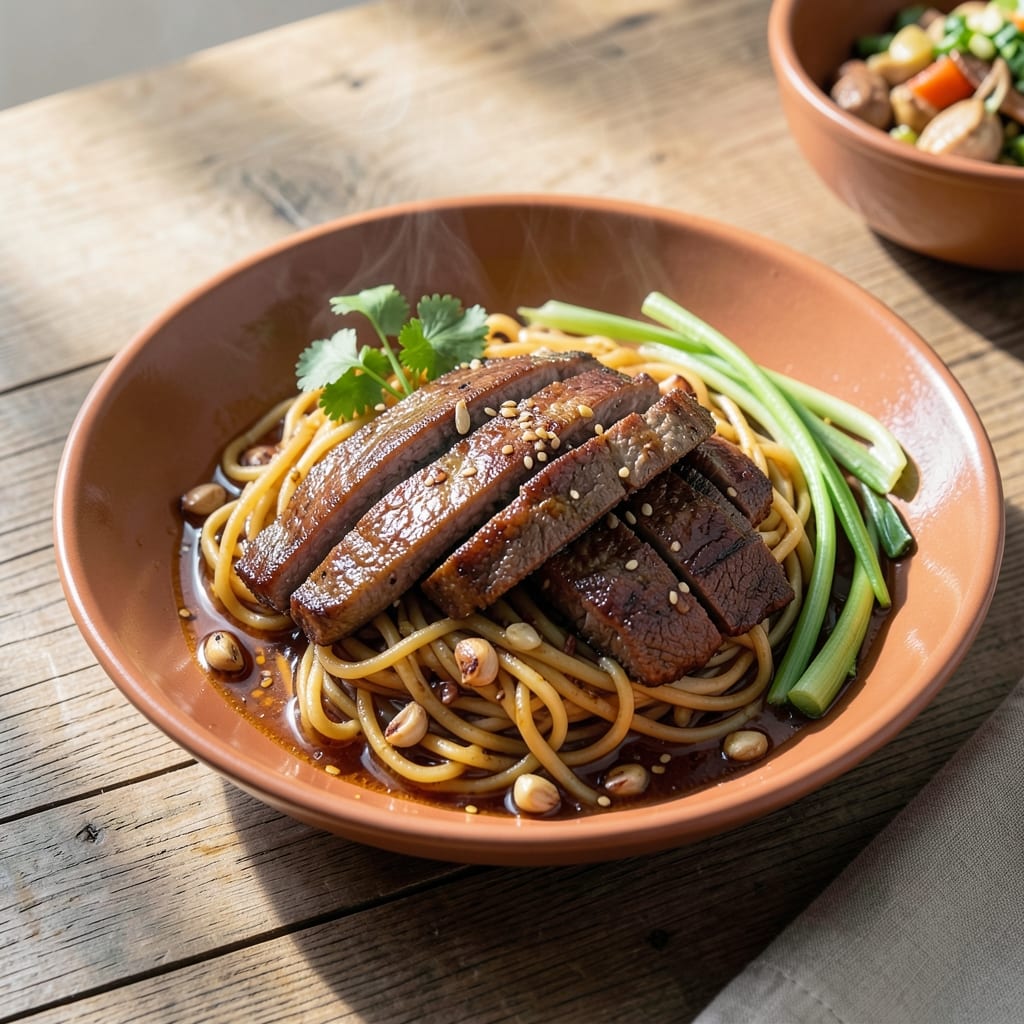
This Asian beef stir fry with noodles delivers the perfect balance of tender beef, slippery egg noodles, and charred wok flavors in under 30 minutes. 🔥 After years of testing, I've perfected a technique that transforms simple ingredients into a restaurant-quality dish with minimal effort. The secret lies in high-heat searing and a homemade sauce that's bold yet balanced—sweet, savory, and just spicy enough to wake up your taste buds.
What sets this recipe apart is the combination of properly marinated beef (flank or sirloin works best) and perfectly cooked noodles that remain tender yet slightly chewy. I use a simple soy-oyster-garlic-ginger sauce base that you can customize with chili, peanut butter, or coconut milk for variations. The key is timing—the beef needs to sear quickly over high heat while the noodles cook just until al dente, so they absorb the sauce beautifully without turning mushy.
By the time you plate this dish, you'll have perfectly charred beef strips, glossy noodles coated in that irresistible sauce, and all the classic garnishes—green onions, sesame seeds, and a squeeze of lime—to elevate it to restaurant-level presentation. This is the kind of weeknight dinner that feels special without requiring hours in the kitchen or expensive ingredients.
The beauty of this recipe is its flexibility—use it as a quick weeknight meal or double the batch for leftovers that taste even better the next day. Whether you're feeding a crowd or treating yourself to a solo dinner, this stir fry delivers flavor and satisfaction every time. Let's get cooking!
Ingredients for asian beef stir fry recipe with noodles
Quick grocery run, tops—just 15 ingredients for restaurant-quality stir fry magic.
| Ingredient | Amount | Notes |
|---|---|---|
| Flank Steak 🥩 | 1 lb | Thinly sliced against grain |
| Egg Noodles 🍜 | 8 oz | Fresh or dried, al dente |
| Oyster Sauce 🍶 | 3 tbsp | High-quality, like Lee Kum Kee |
| Soy Sauce 🥢 | 2 tbsp | Light or dark preferred |
| Sesame Oil 🫒 | 1 tbsp | Toasted, for aroma |
| Garlic Cloves 🧄 | 4 cloves | Minced, fresh preferred |
| Fresh Ginger 🌿 | 1 ½ tbsp | Grated, peeled |
| Honey 🍯 | 1 tbsp | For balance, light variety |
| Vegetable Oil 🫒 | 2 tbsp | High smoke point |
| Green Onions 🧅 | 4 whole | Sliced, for garnish |
| Sesame Seeds 🌾 | 1 tbsp | Toasted, for crunch |
| Lime 🍋 | 1 whole | Juiced, for brightness |
| Red Chili Flakes 🌶️ | ½ tsp | Adjust to taste |
| Salt 🧂 | 1 tsp | Kosher or sea salt |
| Black Pepper 🌶️ | ½ tsp | Freshly ground |
Flank steak is your best bet here—it's lean, flavorful, and slices beautifully. Costco or Trader Joe's usually have it pre-sliced, which saves time. If you're buying a whole cut, slice it thinly against the grain for that signature tender bite. The egg noodles? Fresh is ideal (they cook in minutes), but dried works too—just boil them al dente and rinse with cold water to stop the cooking. Look for Lee Kum Kee oyster sauce if you can find it—it's the gold standard for this dish, but any good brand works in a pinch.
No oyster sauce? Hoisin sauce or coconut aminos add depth. Fresh ginger and garlic are non-negotiable for flavor, but if you're in a bind, paste or powdered ginger (half the amount) will do. The sesame oil is all about aroma—don't skimp. For extra heat, add a dash of Sriracha or gochujang to the sauce. The lime should be fresh—bottled juice lacks that bright pop. If you're serving kids or sensitive eaters, skip the chili flakes entirely. And trust me on the sesame seeds—toast them in a dry pan for 30 seconds before sprinkling on top for maximum crunch.
This dish tastes even better the next day—honestly, the flavors meld into something deeper. Keeps 3-4 days in the fridge, but I always make extra for leftovers. Store in airtight containers with a splash of soy sauce on top to keep everything moist. Freezes for up to 3 months, though the noodles get a little softer after thawing. Pro tip: Reheat in a wok or skillet with a little oil over medium heat—it revives the wok hei (breath of the wok) flavors beautifully.
Why You'll Love This Recipe
- One-Pan Magic: I swear by this recipe when I’m too tired to scrub pots—just sear the flank steak, toss in the noodles, and let the oyster sauce do its thing. The sesame oil finishes it with that golden aroma that says, "Dinner’s ready."
- Umami Bomb: That combo of oyster and soy sauce? It’s the secret weapon. The beef stays tender but chewy, the noodles soak up the sauce like a sponge, and a drizzle of sesame oil adds this nutty, smoky punch that makes it ridiculously hard to stop eating.
- Lunchbox Hero: Between us, this is my go-to for meal prep. I make a big batch on Sundays—steak slices, noodles, and sauce all reheat beautifully. Pack it cold or warm, and it’s still a hit at lunch (even my picky-eating coworker asks for seconds).
- Budget Power Move: Flank steak stretches further than you’d think, and egg noodles are cheap but satisfying. A single stir-fry feeds four for under $15, and leftovers? They taste just as good reheated—proof that great food doesn’t need to break the bank.
Step-by-step instructions for Asian beef stir fry with noodles
Here's how to make this restaurant-quality stir fry with tender beef and slippery noodles.
🔥 Step 1: Prep the Flank Steak for Maximum Tenderness
Slice the 1 lb flank steak thinly against the grain into ¼-inch thick strips. This is crucial—cutting against the grain shortens the muscle fibers, making each bite more tender. Pat the slices dry with paper towels to remove any moisture, which helps them sear properly instead of steaming.
In a small bowl, combine 1 tsp salt, 0.5 tsp black pepper, and 0.5 tsp red chili flakes. Toss the steak strips with this mixture until evenly coated. Let them sit at room temperature for 10-15 minutes while you prep the rest. This resting time ensures even cooking and prevents the meat from releasing juices into the pan too quickly.
🍳 Step 2: Cook the Noodles Al Dente
Bring a pot of water to a rolling boil and add 8 oz egg noodles. Cook according to package instructions, but remove them 1 minute early—they'll finish cooking in the wok. Drain and rinse briefly under cold water to stop the cooking process, then toss with 1 tbsp sesame oil. This keeps them slippery and prevents them from sticking together. Cover and set aside.
Here's the thing—overcooked noodles turn mushy in stir fries. You want them firm enough to hold their shape but still tender. The sesame oil also adds that authentic wok-house aroma right from the start.
🍳 Step 3: Build the Flavor Base in the Wok
Heat a wok or large skillet over high heat until smoking, then add 2 tbsp vegetable oil. Once the oil shimmers, add the steak strips in a single layer. Let them sear undisturbed for 1-2 minutes until they develop a deep brown crust. This is where all the flavor happens—don't skip this step!
Push the beef to one side of the wok and add 4 cloves minced garlic and 1.5 tbsp grated fresh ginger. Stir for 20-30 seconds until fragrant but not browned. Add 2 tbsp soy sauce and 3 tbsp oyster sauce, stirring to combine. Here's where the magic happens—the beef will finish cooking in this flavorful sauce.
🥘 Step 4: Combine Everything for Perfect Texture
Add the cooked noodles to the wok and toss everything together vigorously for 1-2 minutes until the noodles are evenly coated and heated through. If the mixture looks dry, add 1-2 tablespoons of water to create steam and help everything cling together. The goal is slippery, well-coated noodles with tender beef.
Stir in 1 tbsp honey and give it one final toss. The honey balances the savory flavors and adds a subtle sweetness that complements the salty-sweet sauce. Taste and adjust seasoning—you might want to add a splash more soy sauce if it needs more depth.
🍽️ Step 5: Finish and Serve with Fresh Garnishes
Transfer the stir fry to serving plates and immediately drizzle with 1 tbsp sesame oil. Squeeze the juice from 1 whole lime over the top and sprinkle with 1 tbsp toasted sesame seeds and 4 sliced green onions. The lime brightens everything up, while the sesame seeds add crunch and the green onions provide fresh contrast.
Serve immediately while everything is hot and the noodles are still slippery. This dish tastes best right out of the wok—each bite should deliver tender beef, perfectly cooked noodles, and layers of savory, sweet, and umami flavors. Don't forget the extra chili flakes if you like it spicy!
Pro Tips For Making Asian Beef Stir Fry Recipe With Noodles
- Slice Against the Grain: Flank steak’s tough fibers need a shortcut—cut it thin (about ¼-inch) and across the grain before cooking. I used to ignore this and ended up with chewy bites that ruined the stir-fry texture. A sharp knife and a steady hand make all the difference here.
- Marinate for 20 Minutes: Toss the sliced flank steak with a mix of soy sauce, a splash of oyster sauce, and a pinch of sugar (yes, even if the recipe skips it). Let it sit while you prep everything else—this keeps the meat juicy and adds depth. I learned this the hard way after serving dry, overcooked beef that tasted like it had been seared to death.
- Cook Noodles Last: Boil the egg noodles just until al dente (check the package time, then pull them 30 seconds early). Toss them with a drizzle of sesame oil and a pinch of salt while the beef finishes—this keeps them from turning mushy when mixed in later. Crowding the pan with noodles and beef at the same time is a recipe for a soggy disaster.
- Deglaze with a Splash: After searing the beef, don’t just dump in the sauce. Add a splash of water or dry sherry (or even a splash of soy sauce) first, scrape up those browned bits from the pan—this adds flavor that’ll make your stir-fry taste restaurant-quality. I used to skip this and wondered why my dish lacked that rich, umami punch.
Wine and beer pairings for these flavors
Light Asian Beers
For this dish, I always reach for crisp, light Asian lagers that won't overpower the delicate balance of flavors. A chilled Asahi Super Dry from Japan is my go-to—its clean, slightly sweet profile complements the umami-rich stir fry without competing. The subtle maltiness actually enhances the soy and oyster sauce notes in the dish. 🍺
If you prefer something with a bit more character, try Sapporo Premium Beer, which has a slightly richer mouthfeel that pairs beautifully with the charred beef and slippery noodles. Both beers are widely available at most grocery stores and have that refreshing crispness that cuts through the richness of the dish.
Dry Riesling
When I want to elevate the meal with wine, I turn to a dry German Riesling—specifically one from the Mosel region. The bright acidity and citrus notes in the wine mirror the lime garnish in the stir fry, while its subtle sweetness balances the savory-sweet sauce. A Dr. Loosen Blue Slate or Joh. Jos. Prüm are excellent choices that won't overwhelm the dish.
The acidity in these wines also helps cleanse your palate between bites, making each mouthful of the stir fry taste fresh and vibrant. I like to serve it slightly chilled (45-50°F) to enhance these refreshing qualities.
Sake Pairings
For a truly authentic experience, nothing beats a good Japanese sake. I recommend a dry junmai like Dassai 23 or Gekkeikan Sake—both are widely available and offer that perfect balance of umami and clean finish that complements the stir fry beautifully. The subtle earthiness in the sake enhances the ginger and garlic notes in the dish.
Serve the sake slightly chilled (40-45°F) in small ceramic cups to maintain its delicate aromas. The ritual of pouring and sipping sake adds an extra layer of enjoyment to the meal, making it feel like a special occasion.
Spicy Options
If you're adding extra heat to your stir fry with chili flakes or Sriracha, consider pairing it with a Thai craft beer like Singha or Chang. These beers have a slightly spicy, citrusy profile that matches the heat in the dish while providing a refreshing contrast. The hoppy bitterness also helps balance the richness of the beef and noodles.
For wine lovers who enjoy spicy food, a Gewürztraminer from Alsace can be a surprising but excellent match. Its lychee and spice notes complement the chili in the stir fry while adding an aromatic complexity that elevates the entire meal.
Nutrition facts
Frequently asked questions
What's the best cut of beef for stir fry?
Flank steak or sirloin are perfect—they're lean, flavorful, and slice beautifully against the grain. For extra tenderness, marinate for at least 10 minutes before cooking. If you can't find these, thinly sliced ribeye works too, but trim any excess fat first.
Can I use dried noodles instead of fresh?
Dried egg noodles work perfectly—just cook them 1 minute less than package instructions and rinse with cold water to stop cooking. The key is al dente texture so they absorb the sauce without getting mushy. Fresh noodles cook faster but dried are more widely available.
How do I fix rubbery beef?
Rubbery beef usually means it wasn't sliced thin enough or cooked quickly over high heat. Next time, slice against the grain into ¼-inch strips and sear undisturbed for 1-2 minutes until browned. Also ensure your pan is smoking hot before adding the meat.
What if I don't have oyster sauce?
No problem! Substitute with hoisin sauce (1:1 ratio) or a mix of coconut aminos + 1 tsp brown sugar. For extra depth, add ½ tsp fish sauce or more soy sauce. The dish will still taste amazing—just slightly different in umami profile.
Can I make this ahead of time?
Yes, but with a few tweaks. Cook the beef and noodles separately, then refrigerate in airtight containers for up to 2 days. Reheat in a wok or skillet with a splash of water over medium heat—this revives the wok hei flavors. For best texture, add fresh noodles and toss everything together when serving.