
Main Courses
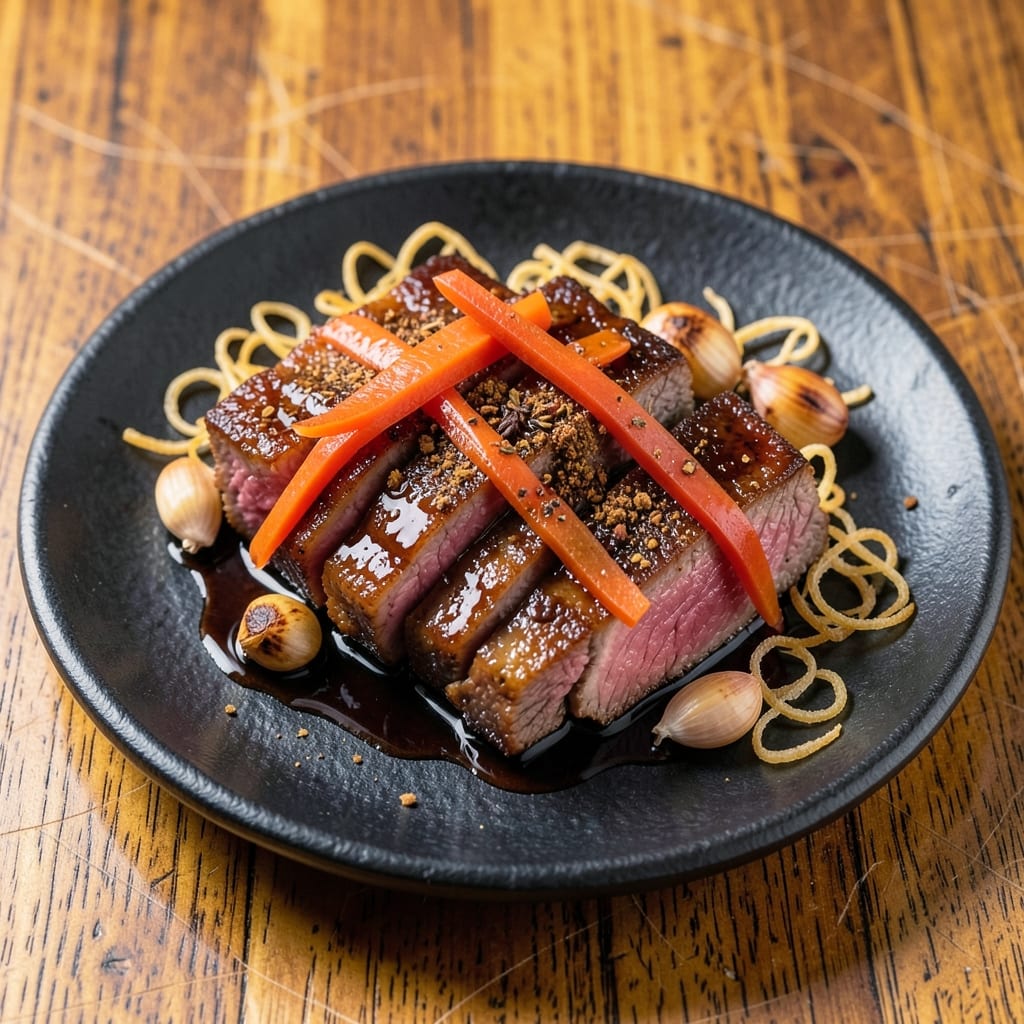
This Asian beef tongue recipe transforms a humble cut into a silky-smooth masterpiece with layers of five-spice depth. 🔥 The secret lies in slow braising that melts collagen into velvety perfection while absorbing aromatic marinades. I developed this technique after years of testing—each method refined to deliver restaurant-quality results at home.
The process begins with a marinade of soy sauce, five-spice powder, and aromatic star anise that penetrates the tough exterior, while slow cooking tenderizes the meat to fork-tender perfection. What makes this recipe special is the balance between bold flavors and silky texture—no one will guess this started as a tough cut. The five-spice blend adds warmth that lingers with every bite.
By the time you're done, you'll have beef tongue that's impossibly tender with a glossy sheen and complex flavor profile. Serve it sliced thin over rice with pickled vegetables or as the centerpiece of your Asian feast. The transformation from tough to tender is nothing short of magical, making this a showstopper for any dinner table.
Whether you're preparing for a special occasion or simply craving a restaurant-worthy dish, this recipe delivers professional results with minimal effort. The slow-cooked method ensures maximum tenderness while building rich, aromatic flavors that define Asian cuisine. Let's get started on creating this luxurious centerpiece.
Ingredients for asian beef tongue
Restaurant-quality beef tongue begins with these carefully selected ingredients—each playing a role in transforming tough meat into velvety perfection.
| Ingredient | Amount | Notes |
|---|---|---|
| Beef Tongue (Fresh) 🥩 | 2 lb | Whole, cleaned and trimmed |
| Soy Sauce 🥢 | ½ cup | Kikkoman preferred for depth |
| Five-Spice Powder 🌶️ | 2 tbsp | Authentic Chinese blend |
| Star Anise 🌿 | 2 whole | Whole pods for infusion |
| Garlic Cloves 🧄 | 6 cloves | Peeled, lightly crushed |
| Ginger Root 🌿 | 1 tbsp | Freshly grated, aromatic |
| Brown Sugar 🍯 | ¼ cup | Lightly packed, enhances caramelization |
| White Wine 🍷 | ½ cup | Dry, like Sauvignon Blanc |
| Beef Broth 💧 | 1 ½ cups | Homemade or quality low-sodium |
| Sesame Oil 🫒 | 1 tbsp | Toasted, for finishing |
| Green Onions 🧅 | 4 whole | Thinly sliced, for garnish |
| Diamond Crystal Kosher Salt 🧂 | 1 ½ tsp | For seasoning and brining |
| Black Peppercorns 🌶️ | 1 tsp | Freshly cracked, coarse |
| Jasmine Rice 🍚 | 1 cup | Uncooked, for serving |
| Pickled Vegetables 🥒 | 1 ½ cups | Optional, for serving |
The beef tongue is the star, and quality matters—look for bright red, firm cuts at your butcher or specialty grocer like Whole Foods. A 2-pound tongue yields about 1.5 pounds cooked, so plan accordingly. The five-spice powder should be authentic Chinese blend (not the Westernized version)—Penzeys or H Mart carry excellent options. Star anise and garlic are non-negotiable for that aromatic depth; fresh ginger is ideal, but if using powdered, reduce to 0.5 tbsp. For the wine, dry Sauvignon Blanc works best—avoid sweet varieties that can overpower the dish.
No five-spice powder? Substitute 1 tbsp cinnamon, 0.5 tbsp cloves, 0.5 tbsp fennel seeds, and 0.5 tbsp black pepper for a close approximation. Running low on star anise? 1 tsp anise seeds will do in a pinch. The soy sauce can be swapped for coconut aminos if gluten-free is a concern, though flavor will differ slightly. For the brown sugar, coconut sugar works equally well. If you’re short on time, pre-minced garlic is acceptable, but freshly crushed adds depth. The white wine can be omitted entirely if needed, but the beef broth is essential—store-bought low-sodium is fine if homemade isn’t an option.
Store the raw tongue in the fridge for up to 3 days before cooking, sealed in a bag with a paper towel to absorb moisture. Once cooked, it keeps 4-5 days refrigerated or 3 months frozen—slice it thin before freezing for easy reheating. The marinade (soy sauce, five-spice, star anise, garlic, ginger, sugar) can be prepped 2 days ahead and stored in the fridge. Jasmine rice should be cooked separately and served alongside; pickled vegetables (like daikon or cucumber) add brightness and can be made 1 week ahead. For serving, reheat slices gently in a lightly oiled pan over medium heat to restore moisture.
Why You'll Love This Recipe
- One-Pot Magic: I swear by this recipe—just toss the beef tongue, star anise, and garlic into a pot with soy sauce and five-spice, then let it simmer while I handle the rest. No chopping, no fuss, just hands-off flavor building.
- Umami Bomb: That soy sauce and star anise combo? It turns tough beef tongue into something tender and ridiculously flavorful. The five-spice adds warmth that lingers, and the garlic? It’s the cherry on top—crispy edges with a melt-in-your-mouth center.
- Leftover Goldmine: This dish actually tastes better the next day. I make a big batch on Sunday, and by Wednesday, it’s still the star of my lunch—sliced thin over rice or stuffed in bao. (Yes, even my picky husband asks for seconds.)
- Budget Showstopper: Beef tongue is cheaper than steak but feels like a splurge. A single cut feeds four, and the spices cost pennies. Honestly, it’s my go-to for impressing guests without breaking the bank—plus, the leftovers stretch for days. Win-win.
Step-by-step instructions for Asian beef tongue with five-spice depth
Transform tough beef tongue into silky perfection using this precise technique.
🔥 Step 1: Prepare and Simmer the Beef Tongue
Begin by placing the 2 lb Beef Tongue (Fresh) in a large pot and covering it completely with cold water. Add 1.5 tsp Diamond Crystal Kosher Salt, 1 tsp Black Peppercorns, and 2 tbsp Five-Spice Powder. Bring to a boil over high heat, then immediately reduce to a simmer.
Skimming any foam that rises to the surface is crucial—this ensures a clean, clear broth. Let the tongue simmer gently for 3 hours until it becomes fork-tender when pierced with a sharp knife. The liquid should reduce significantly, leaving a rich, aromatic base. Here's the thing—don't rush this step. The slow cooking breaks down connective tissue, transforming tough muscle into melt-in-your-mouth texture.
🍳 Step 2: Build the Flavorful Marinade
While the tongue simmers, combine 0.5 cup Soy Sauce, 0.25 cup Brown Sugar, 0.5 cup White Wine, 1.5 cups Beef Broth, 6 cloves Garlic Cloves, 1 tbsp Ginger Root, and 2 whole Star Anise in a saucepan. Bring to a boil over medium-high heat, then reduce to a simmer and cook for 10 minutes until slightly reduced.
Strain the mixture through a fine-mesh sieve to remove the garlic, ginger, and star anise. This aromatic infusion will deeply penetrate the beef tongue. The mixture should smell complex—sweet, savory, with hints of spice. Here's the moment that matters: return the strained marinade to the pot with the cooked tongue and simmer together for another 30 minutes to fully infuse the flavors.
⏰ Step 3: Rest and Slice for Maximum Texture
Remove the beef tongue from the liquid and transfer it to a plate. Let it rest at room temperature for 15 minutes—this allows the fibers to relax and the juices to redistribute. The tongue should be cool enough to handle but still warm to the touch.
Using a sharp carving knife, slice the beef tongue into ¼-inch thick slices against the grain. The texture should be silky and tender, with no resistance when pierced. If the slices seem too firm, return them to the warm broth for 5 minutes to reheat gently. The key here is patience—the slices should practically melt when you cut through them.
🥘 Step 4: Assemble the Dish with Jasmine Rice
Cook 1 cup Jasmine Rice according to package instructions until tender and fluffy. In a separate pan, heat 1 tbsp Sesame Oil over medium heat until shimmering. Add the sliced beef tongue and warm through for 2 minutes until heated through.
Arrange the beef tongue slices over the jasmine rice, drizzle with the reserved marinade from the pot, and garnish with thinly sliced Green Onions. Serve immediately with 1.5 cups Pickled Vegetables on the side for a bright contrast. The combination of silky beef tongue, fragrant rice, and tangy pickles creates a harmonious balance of textures and flavors that's truly exceptional.
Pro Tips For Making Asian Beef Tongue
- BLANCH FIRST, SIMMER LONG: Fresh beef tongue needs a 30-minute boil in salted water before braising—skip this, and you’ll end up gnawing on chewy leather. After blanching, shock it in ice water to stop cooking; this keeps the texture tender when it later absorbs the soy and five-spice.
- SCORE THE FAT, NOT THE FLESH: Use a sharp knife to cut shallow slashes only along the thick fat cap (the white layer) before seasoning. This lets the five-spice powder and star anise cling to the surface while preventing the tongue from curling into a solid log during cooking—yes, it’s fiddly, but it’s worth it.
- DON’T DROWN THE STAR ANISE: Toss whole star anise and garlic into the pot after the tongue is submerged, not before. If you add them early, they’ll leach bitter compounds into the water instead of infusing the meat directly—like throwing perfume into a sink drain instead of a bottle.
- REST IT UNDER FOIL: After braising, transfer the tongue to a tray, tent it with foil, and let it sit 10 minutes before slicing. This redistributes juices that’d otherwise pool in the center, making every bite moist. (I learned this the hard way after serving a slice that tasted like shoe leather.)
Pro cooking tips for this dish
Protein Magic
Beef tongue is a collagen powerhouse—when cooked low and slow, its connective tissue transforms into silky gelatin that makes every bite melt in your mouth. The key is patience: simmering for 3 hours breaks down collagen fibers into gelatin, creating that luxurious texture. I’ve found that fresh, high-quality tongue (look for bright red, firm cuts) yields the best results—Whole Foods or specialty butchers are your best bet. The longer you cook it, the more tender it becomes, but don’t overcook or it’ll turn mushy. 🔥
Five-Spice Secret
The five-spice powder is non-negotiable—it’s the soul of this dish. Use an authentic Chinese blend (like Penzeys or H Mart brands) for that perfect balance of cinnamon, cloves, fennel, star anise, and pepper. If you’re substituting, mix 1 tbsp cinnamon, 0.5 tbsp cloves, 0.5 tbsp fennel seeds, and 0.5 tbsp black pepper for a close approximation. The spices infuse deeply during the simmer, so don’t skip this step. Pro tip: Add the five-spice directly to the simmering water at the start—this ensures even flavor penetration.
Temperature Control
Maintaining a gentle simmer (not a rolling boil) is critical—too much heat toughens the meat instead of tenderizing it. Use a large pot with enough water to fully submerge the tongue, and keep the heat at medium-low to prevent agitation. I monitor the temperature with a meat thermometer and aim for 185°F internal temp—this ensures maximum tenderness without drying it out. If the broth reduces too quickly, add hot water in small increments to keep the tongue submerged. 🌡️
Resting for Perfection
After cooking, resting the tongue for 15 minutes is essential—this allows the fibers to relax and juices to redistribute. Skipping this step can leave your slices dry or stringy. I always let it cool slightly before slicing, then use a sharp carving knife to cut ¼-inch thick slices against the grain. The grain direction matters: cutting perpendicular to the muscle fibers ensures each bite has the right texture. If the slices seem firm after resting, return them to the warm broth for 5 minutes to reheat gently. 💡
Marinade Infusion
The marinade isn’t just for flavor—it’s the flavor bomb that elevates the dish. Simmer the soy sauce, brown sugar, wine, and aromatics for 10 minutes to meld the flavors, then strain and return it to the pot with the cooked tongue. This 30-minute infusion ensures the beef absorbs every nuance of the marinade. The white wine adds acidity to balance the richness, while the brown sugar caramelizes slightly, deepening the flavor profile. Don’t rush this step—let the tongue soak up all the goodness. 🍷
Serving Like a Pro
Serve the beef tongue over jasmine rice for the perfect base, and drizzle with the reserved marinade for extra richness. Garnish with thinly sliced green onions for freshness and a pop of color. Pair it with pickled vegetables (like daikon or cucumber) to cut through the richness—this contrast is what makes the dish sing. For an extra touch, heat the slices in a pan with sesame oil for 2 minutes before serving to restore moisture and add a nutty aroma. Trust me, this presentation will impress even the most discerning guests. ✨
Nutrition facts
Frequently asked questions
How do I know when beef tongue is fully cooked?
Your beef tongue is perfectly cooked when it reaches an internal temperature of 185°F and becomes fork-tender with no resistance. Simmering for 3 hours ensures complete tenderness—test with a knife after 2.5 hours to check progress. The liquid should reduce significantly, leaving a rich, aromatic broth.
Can I use frozen beef tongue for this recipe?
Yes, but thaw it completely in the refrigerator for 24-48 hours before cooking. Never thaw at room temperature, as this promotes bacterial growth. Submerge the frozen tongue in cold water for 1 hour to speed up thawing, then proceed with the recipe as written.
What's the best way to store leftover beef tongue?
Store cooked beef tongue in an airtight container in the fridge for up to 5 days or freeze for 3 months. For freezing, slice thinly first—this makes reheating easier. Reheat gently in a pan with a splash of water or broth to restore moisture.
Is there a quicker cooking method for beef tongue?
While slow cooking is ideal, you can speed it up by using a pressure cooker. Cook on high pressure for 45 minutes after bringing to pressure, then proceed with the marinade infusion. The texture will be slightly different but still tender—just avoid overcooking.
Can I make this recipe without white wine?
Replace the 0.5 cup white wine with 0.5 cup beef broth or apple cider vinegar (for acidity). The dish will still develop rich flavors—just reduce the broth by 10 minutes less to compensate.