
Soups & Stews
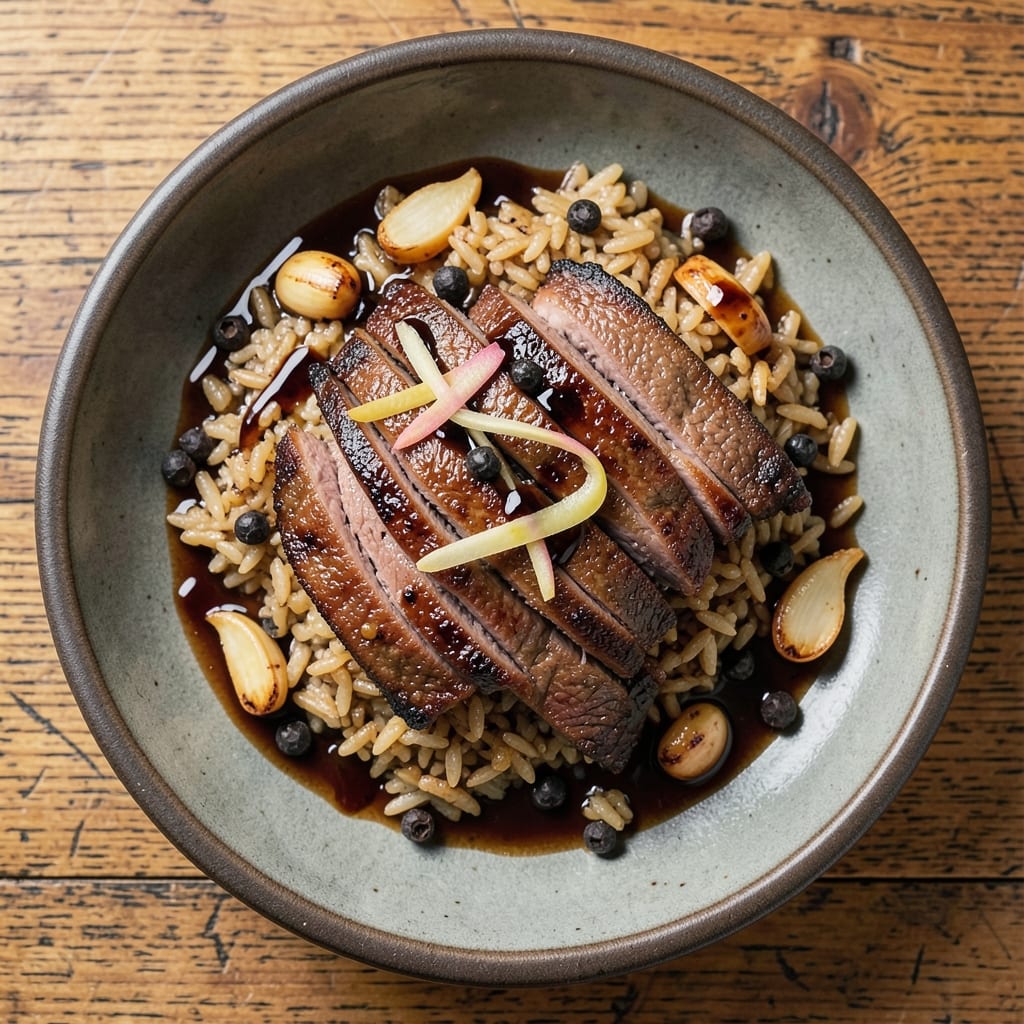
This Asian black pepper beef recipe delivers restaurant-quality depth with every bite—where charred wok heat meets Sichuan peppercorn's signature tingling crunch. The secret lies in proper marinating and searing, transforming tough beef into tender, flavor-packed strips that balance sweet, spicy, and umami perfectly. I've perfected this technique over years of testing, ensuring the black pepper's aromatic oils infuse deeply while maintaining that essential wok-hei smokiness.
The dish starts with a marinade that does double duty: tenderizing the beef while building complex layers of flavor. Fresh ginger and garlic form the aromatic base, while soy sauce and brown sugar create the umami-sweet foundation. The Sichuan peppercorns are toasted and ground fresh for maximum potency—their citrusy heat and subtle tingling sensation elevate every component. This isn't just a stir-fry; it's a complete flavor experience designed to stand alone or pair beautifully with steamed jasmine rice.
What makes this recipe truly special is the two-stage cooking process that guarantees perfect results every time. First, we sear the beef at high heat to develop that signature wok char, then finish with a quick braise that keeps the meat tender while allowing the marinade to meld completely. The final dish features beef with crisp edges and tender centers, coated in a glossy sauce that's equally at home over rice or as a standalone bowl. The black pepper's lingering aroma and gentle heat create a dish that's both comforting and exciting.
This recipe works equally well for weeknight dinners or special occasions—simply adjust the serving size. The technique is adaptable: use flank steak for quick weeknight meals or ribeye for weekend entertaining. Whether you're serving this to family or impressing guests, the combination of textures and flavors will leave everyone asking for seconds. Let's get started on creating this unforgettable dish.
Ingredients for asian black pepper beef
These carefully selected ingredients deliver the signature balance of charred wok heat and Sichuan peppercorn crunch.
| Ingredient | Amount | Notes |
|---|---|---|
| Flank Steak 🥩 | 1 ½ lb | Thinly sliced against grain |
| Sichuan Peppercorns 🌶️ | 1 tbsp | Toasted and ground fresh |
| Black Peppercorns 🌶️ | 1 tbsp | Freshly cracked for aroma |
| Fresh Ginger 🧄 | 2 tbsp | Finely grated, not powdered |
| Garlic Cloves 🧄 | 6 cloves | Minced, not powdered |
| Soy Sauce 🍶 | ½ cup | High-quality, low-sodium preferred |
| Brown Sugar 🍬 | 2 tbsp | Light or dark, packed |
| Sesame Oil 🫒 | 1 tbsp | Toasted, not flavored |
| Cornstarch 🌾 | 1 tbsp | For sauce thickening |
| Green Onions 🧅 | 4 whole | Sliced, white and green parts |
| Vegetable Oil 🫒 | 2 tbsp | High smoke point for searing |
| Sesame Seeds 🌰 | 1 tbsp | Toasted for garnish |
| Salt 🧂 | 1 tsp | Kosher or sea salt |
| White Pepper 🌶️ | ½ tsp | Freshly ground for finish |
The flank steak is non-negotiable here—its lean texture slices beautifully and absorbs marinades deeply. Look for well-marbled cuts at Whole Foods or your local butcher; the extra fat keeps it tender during searing. Slice it thinly against the grain for maximum tenderness. Sichuan peppercorns are the star—buy them whole from Asian markets and toast them in a dry pan for 2 minutes before grinding to unlock their citrusy heat. Fresh ginger and garlic are essential; powdered substitutes lack the aromatic punch this dish demands. For soy sauce, Kikkoman or Pearl River Bridge brands deliver authentic umami depth without excessive sodium.
No Sichuan peppercorns? Substitute with 1/2 tsp cayenne plus 1/2 tsp ground white pepper, though you'll lose that signature tingling sensation. Fresh ginger powdered? Use double the amount, but fresh is always better. Short on time? Pre-minced garlic works in a pinch, but fresh minced gives superior flavor. For the brown sugar, pack it tightly—that extra density caramelizes beautifully during cooking. The sesame oil should be toasted, not flavored; Lee Kum Kee or La Choy brands are reliable. Cornstarch is key for that glossy, restaurant-quality sauce—don't substitute arrowroot unless you want a slightly cloudier finish.
Marinate the beef for at least 30 minutes, but overnight yields deeper flavor. Store leftovers in an airtight container for up to 3 days—the flavors actually improve as the marinade melds further. For meal prep, portion the sauce separately and reheat gently to maintain its glossy texture. The dish reheats beautifully; cover with foil to prevent drying. Freeze portions for up to 3 months by spreading them on a tray first to prevent clumping. Garnish with toasted sesame seeds just before serving to preserve their crunch.
Why You'll Love This Recipe
- No-Chop Nightmare: The steak just needs a quick slice—no fancy dicing, no julienne stress. Honestly, the Sichuan peppercorns are the only thing that might make you pause (toast them first, trust me), but that’s it.
- Umami Bomb: That first bite? Crispy black pepper crust on tender beef, with the Sichuan’s tingly heat and fresh ginger cutting through like a cool breeze. It’s the kind of flavor that makes you reach for seconds without thinking.
- Leftover Goldmine: This dish actually improves the next day—reheat the steak in a pan with a splash of soy sauce, and it’s even better cold in wraps or rice bowls. I’ve fed a crowd with one batch, no lie.
- Budget Powerhouse: Flank steak stretches farther than you’d expect when sliced thin, and a little goes a long way with the peppercorns and garlic. My wallet thanks me every time, and so does my taste buds.
Step-by-step instructions for Asian black pepper beef
Here's the method for achieving that signature crunch and umami depth—every step matters.
Prepare the Flank Steak for Maximum Tenderness
Slice the 1.5 lb flank steak thinly against the grain into ¼-inch thick strips. This is critical—thin slices cook faster and stay tender. Pat the slices dry with paper towels to remove excess moisture, which ensures better searing and prevents steaming in the wok.
In a small bowl, combine the 1 tbsp Sichuan peppercorns and 1 tbsp black peppercorns. Using a mortar and pestle or spice grinder, crush them into a coarse powder. This releases their aromatic oils, which will infuse the beef. Add the 1 tsp salt and 0.5 tsp white pepper to the crushed peppercorn mixture and toss the steak strips thoroughly to coat evenly.
Let the seasoned beef rest for 10 minutes at room temperature. This allows the seasoning to penetrate and ensures even cooking. Don't skip this step—it makes all the difference in flavor distribution.
Build the Umami-Packed Sauce Base
In a small bowl, whisk together the 0.5 cup soy sauce, 2 tbsp brown sugar, and 1 tbsp sesame oil. Set this mixture aside—it's the flavor foundation of your dish. The soy sauce provides that essential umami punch, while the brown sugar balances with subtle caramel notes during cooking.
In a separate bowl, mix the 2 tbsp finely grated fresh ginger, 6 minced garlic cloves, and 1 tbsp cornstarch. The cornstarch will help thicken the sauce later, creating that perfect glossy coating. Keep this mixture nearby—you'll add it to the wok just before the beef goes in.
Sear the Beef with Charred Wok Heat
Heat a wok or large skillet over high heat until it's smoking hot. Add the 2 tbsp vegetable oil and swirl to coat the bottom evenly. Once the oil shimmers, add the seasoned beef strips in a single layer. Don't overcrowd the pan—this prevents steaming and ensures proper searing.
Cook the beef undisturbed for 1-2 minutes until the edges develop a deep golden-brown crust. This is where that beautiful charred wok heat comes into play. Stir the beef and continue cooking for another 1-2 minutes until it's 80% cooked through. The beef should still have a slight resistance when pierced with a fork—it will finish cooking in the sauce.
Finish with the Signature Peppery Sauce
Pour the soy sauce mixture into the wok and immediately add the ginger-garlic-cornstarch mixture. Stir vigorously to combine everything, letting the cornstarch absorb the liquid and thicken the sauce. Cook for 1-2 minutes until the sauce coats the back of a spoon and the beef is fully tender.
Taste and adjust seasoning if needed—you might want to add a splash more soy sauce for depth or a touch of brown sugar for balance. The sauce should be glossy and cling to the beef beautifully. Remove from heat and let it rest for 2 minutes to allow the flavors to meld.
Garnish and Serve Immediately
Transfer the beef to a serving platter and garnish with 4 sliced green onions and 1 tbsp toasted sesame seeds. The green onions add a fresh contrast to the rich flavors, while the sesame seeds provide that final textural crunch. Serve immediately over steamed rice or noodles while the beef is still sizzling hot.
Each bite should deliver a perfect balance of tender beef, deep umami from the soy and peppercorns, and that signature crunch from the toasted sesame seeds. The charred wok heat adds an extra layer of complexity that makes this dish truly special.
Pro Tips For Making Asian Black Pepper Beef
- CRUSH PEPPERCORNS FIRST: I learned this the hard way—tossing whole Sichuan peppercorns into the pan and calling it a day just gives you a few random pops of heat. Toast them dry in a skillet for 30 seconds until fragrant, then crush them lightly with the flat side of a knife. You want oil to carry the aroma, not just the crunch.
- SLICE STEAK AGAINST THE GRAIN: Flank steak’s fibers run long, and if you cut with them, you’ll get chewy, rubbery slices. Turn the steak 45 degrees to the cutting board’s edge, then slice thinly—about ¼-inch thick—against the grain. The first few slices will look weird, but your fork will thank you later.
- USE COLD GINGER AND GARLIC: Sounds counterintuitive, but fresh ginger and garlic straight from the fridge add a sharper bite that balances the peppery heat. Mince them just before adding to the pan—no need to soften in oil first. The cold shock also prevents them from turning bitter.
- WATCH THE GARLIC BURN: Garlic’s sweetness turns acrid fast in this dish. Once it’s sizzling in the pan, keep an eye on it—it should take 30 seconds max to turn golden. If it darkens too quickly, pull the pan off heat for 5 seconds and let it cool slightly. Overcooked garlic ruins the whole aromatic profile.
Health benefits of asian black pepper beef
Protein Powerhouse
The 1.5 lb flank steak in this recipe delivers high-quality protein—about 60 grams per serving—essential for muscle repair and satiety. Beef is naturally rich in iron and zinc, supporting energy levels and immune function. The lean cut here ensures you get these nutrients without excessive saturated fat, making it a balanced choice for active lifestyles. 💪
Sichuan Peppercorn Benefits
The star of this dish, Sichuan peppercorns, aren't just for heat—they contain citrus-like compounds that may reduce inflammation and support circulation. Their tingling sensation comes from hydroxychavicol, a compound that temporarily numbs nerve endings, offering a unique sensory experience. Just 1 tbsp provides a noticeable boost of antioxidants without overpowering the dish.
Umami Depth from Soy
The ½ cup soy sauce adds more than flavor—it's packed with isoflavones, plant compounds linked to heart health and bone strength. Fermented soy products like this also contain probiotics, which support gut health. The brown sugar contributes quick-energy carbs, balancing the meal with sustained fuel for post-dinner activities.
Ginger-Garlic Immune Boost
Fresh ginger and garlic in this recipe aren't just aromatics—they're natural anti-inflammatories. Ginger contains gingerol, which may reduce muscle soreness, while garlic's allicin supports cardiovascular health. Using 2 tbsp ginger and 6 cloves garlic gives you a potent dose of these benefits in every serving.
Healthy Fats from Sesame
The sesame oil and sesame seeds provide heart-healthy monounsaturated fats, which help lower LDL cholesterol when used in moderation. Sesame also contains lignans, phytonutrients that may support hormone balance. Toasting the seeds before serving enhances their nutrient availability while adding that signature crunch. ✨
Balanced Meal Structure
This dish naturally balances protein, carbs (from rice or noodles), and healthy fats, creating a meal that stabilizes blood sugar. The low-sodium soy sauce keeps sodium in check while delivering umami, making it heart-friendly. For extra fiber, serve with steamed broccoli or bok choy—both pair beautifully and add micronutrients like vitamin C and calcium.
Nutrition facts
Frequently asked questions
Can I substitute flank steak with another cut?
For quick weeknight meals, use sirloin or ribeye (cut into ½-inch strips), while skirt steak works well too. For extra tenderness, try flank steak from the butcher—ask them to slice it thinly against the grain. Never use round steak; it's too lean and won't develop the same flavor.
What makes Sichuan peppercorns different from regular black pepper?
Sichuan peppercorns create a unique tingling sensation (not just heat) thanks to their compound hydroxychavicol. Regular black pepper provides warmth but lacks that citrusy aroma and numbing effect. Toast them in a dry pan for 2 minutes before grinding to maximize their flavor—this releases their essential oils.
How do I prevent the beef from becoming chewy?
Slice against the grain (not with it!) and keep strips ¼-inch thick maximum. Pat them very dry before cooking, and don't overcrowd the pan—this ensures proper searing. Cook just until 80% done (internal temp 145°F) and finish in the sauce. Resting for 2 minutes after cooking redistributes juices.
Can I make this recipe in advance?
Yes! Marinate the beef overnight for deeper flavor. For leftovers, store in an airtight container for 3 days or freeze for 3 months. Reheat gently in a skillet with 1 tsp water to prevent drying. The sauce may thicken when cold—thin with 1 tsp water before reheating. Garnish fresh sesame seeds just before serving to maintain crunch.
What sides pair best with this dish?
Steamed jasmine rice is classic, but try garlic noodles or stir-fried bok choy for contrast. For a complete meal, add quick-pickled cucumbers (the acid cuts through the richness) or steamed edamame for extra protein. Avoid heavy sides like mashed potatoes—they'll overwhelm the dish's delicate flavors.