
Soups & Stews
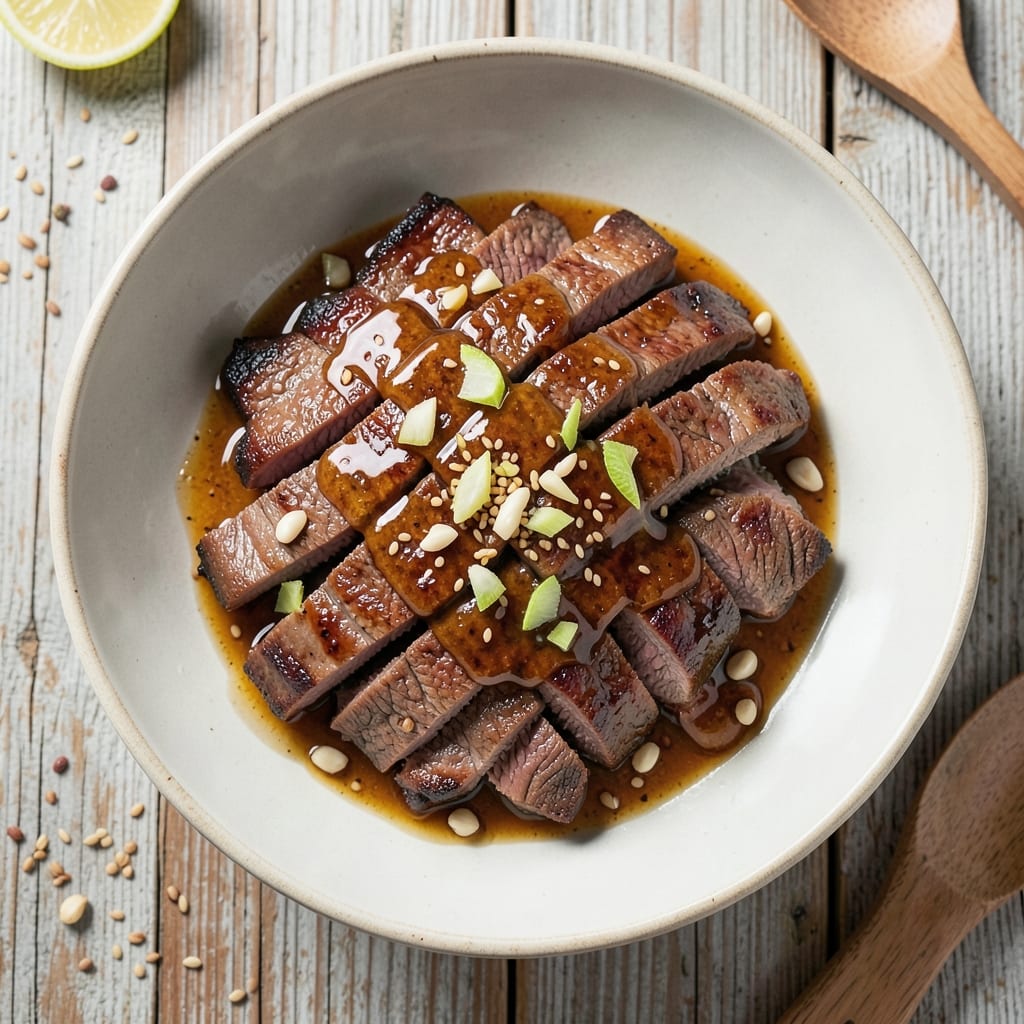
This Asian ginger beef recipe delivers a perfect balance of bold, zesty flavors that transform simple ingredients into a restaurant-worthy stir-fry. The secret lies in marinating the beef with fresh ginger and aromatic spices, creating tender, flavor-packed bites with a glossy soy glaze that ties everything together. I’ve refined this recipe over years of testing—no shortcuts, just layers of depth that make every bite unforgettable.
The magic begins with the marinade, where ginger’s sharp, bright notes mingle with soy sauce, garlic, and a touch of honey for natural sweetness. The beef cooks quickly over high heat, sealing in juices while developing a caramelized crust. This isn’t just a stir-fry; it’s a dish that builds flavor with every step, from the initial sizzle to the final glossy glaze that clings to the meat.
What you’ll end up with is a vibrant, aromatic dish where the ginger’s warmth contrasts beautifully with the umami-rich glaze. Serve it over steamed jasmine rice or paired with stir-fried bok choy for a complete meal that’s both comforting and exciting. The balance of textures—tender beef, crisp vegetables, and silky sauce—makes this a go-to recipe for weeknight dinners or special occasions.
Ready to master this technique? The instructions walk you through every step, from marinating to plating, so you can achieve professional results at home. Let’s get started—your taste buds will thank you.
Ingredients for asian ginger beef
Bold flavors start with fresh ginger and tender beef—simple ingredients for an unforgettable stir-fry.
| Ingredient | Amount | Notes |
|---|---|---|
| Flank Steak 🥩 | 1 ½ lb | Thinly sliced against grain |
| Fresh Ginger Root 🌿 | 3 tbsp | Finely grated, aromatic |
| Garlic Cloves 🧄 | 6 cloves | Minced, fresh preferred |
| Soy Sauce 🥄 | ½ cup | High-quality, low-sodium |
| Honey 🍯 | 2 tbsp | Pure, for natural sweetness |
| Sesame Oil 🫒 | 1 tbsp | Toasted, for aroma |
| Vegetable Oil 🫒 | 2 tbsp | High smoke point |
| Green Onions 🧅 | 4 whole | Sliced, white and green parts |
| Bell Peppers 🍆 | 1 whole | Red or green, sliced |
| Jasmine Rice 🍚 | 1 ½ cups | Uncooked, for serving |
| Cornstarch 🌾 | 1 tbsp | For thickening glaze |
| Sesame Seeds 🌰 | 1 tbsp | Toasted, for garnish |
| Red Pepper Flakes 🌶️ | ½ tsp | Optional, for heat |
| Salt 🧂 | 1 tsp | Kosher, for seasoning |
| Black Pepper 🌶️ | ½ tsp | Freshly ground |
The flank steak is your canvas here—thinly sliced against the grain for tenderness. Butcher shops often slice it for you, but if you're doing it yourself, freeze it 30 minutes first for easier slicing. Look for marbled cuts with good fat distribution. Fresh ginger is non-negotiable—the bright, zesty flavor disappears with powdered versions. Grab a chunk at Whole Foods or your local Asian market; the root should be firm and smell vibrant. If you can't find fresh, double the powdered amount, but it won't be the same.
No honey? Maple syrup or agave work in a pinch, though honey's floral notes balance the ginger perfectly. Sesame oil is all about aroma here—toast it in a dry pan for 30 seconds before using to deepen its flavor. The soy sauce should be low-sodium (like Kikkoman) so you control the saltiness. Bell peppers can be any color, but red ones have the most natural sweetness. For extra umami, add 1 tbsp fish sauce to the marinade, but skip it if you're avoiding seafood. The cornstarch is key for that glossy glaze—don't sub flour, or it'll get gummy.
Marinate the beef for at least 30 minutes, but overnight is ideal—flavors meld beautifully. Store leftovers in airtight containers for 3-4 days in the fridge, or freeze for 3 months. Reheat gently in a skillet with a splash of water to keep it moist. This dish reheats like a dream, so double the batch—it's perfect for meal prep. The rice? Cook it the night before for a shortcut; just reheat with a splash of water.
Why You'll Love This Recipe
- One-Pan Magic: I swear by this recipe—just sear the steak, toss in the ginger-garlic paste, and let the honey and soy sauce do the work. No chopping mountains of veggies, no extra pans, just pure, sticky, satisfying flavor with minimal cleanup.
- Umami Bomb: That first bite? The ginger’s sharp kick mellows into warmth while the honey cuts through the soy’s saltiness—like a perfect balance of fire and sweetness. The garlic? Oh, it’s there, but it doesn’t overpower; it just enhances, making every forkful feel like a little celebration.
- Lunchbox Hero: Between us, this is my go-to for meal prep. Slice the cooled steak thin, pack it with rice, and boom—you’ve got a lunch that tastes like you actually cooked. (Yes, even on a Tuesday night.) The flavors only get better the next day, honestly.
- Budget Steakhouse: Flank steak is affordable, and this recipe stretches it further than you’d think. A single cut feeds four, and leftovers reheat like a dream—no dryness, no sad texture. I’ll be real: it’s the kind of dish that makes me feel fancy without breaking the bank.
Step-by-step instructions for Asian ginger beef stir-fry
Here's how to make this restaurant-quality stir-fry with tender beef and a glossy, aromatic glaze.
Prepare the Flank Steak for Maximum Tenderization
Slice the 1.5 lb flank steak thinly against the grain into ¼-inch thick strips. This is crucial—cutting against the grain shortens the muscle fibers, making the beef more tender. Place the sliced steak in a bowl and add 1 tsp salt, 0.5 tsp black pepper, and 3 tbsp finely grated fresh ginger root. Massage the marinade into the beef with your hands for 2-3 minutes until fully coated. Let it sit at room temperature for 15-20 minutes while you prep the rest. This resting period ensures even cooking later.
I like to use a sharp knife for this step—it gives you cleaner cuts and prevents the meat from tearing. If you're worried about over-marinating, don't be. The ginger's bright flavor pairs perfectly with the beef, and the salt helps break down the muscle fibers further. Real talk: this marinating time makes a world of difference in the final texture.
Cook the Jasmine Rice to Perfect Al Dente
Rinse the 1.5 cups jasmine rice under cold water until the water runs clear. This removes excess starch and prevents the rice from becoming gummy. Combine the rice with 2.5 cups water (or follow package instructions) in a pot and bring to a boil over medium-high heat. Once boiling, reduce heat to low, cover with a tight-fitting lid, and simmer for 15 minutes. Let it sit off heat for 10 minutes before fluffing with a fork.
The rice should be tender but still have a slight bite—this is what we call "al dente." If you're short on time, you can use a rice cooker, but stovetop gives you more control. Don't skip the resting time; it allows the steam to redistribute and gives you perfectly fluffy grains every time. I promise, this step is worth the wait.
Create the Glossy Soy Glaze
In a small bowl, whisk together 0.5 cup soy sauce, 2 tbsp honey, 1 tbsp cornstarch, and 1 tbsp sesame oil. The cornstarch is key here—it'll thicken the sauce beautifully when heated. Set this mixture aside while you prep the vegetables. This glaze is what ties the entire dish together, giving it that signature glossy finish and perfect balance of sweet, salty, and umami flavors.
I like to taste the glaze before using it—just a small spoonful to check the balance. If it needs more depth, add a pinch of red pepper flakes for a subtle kick. The honey adds natural sweetness that cuts through the soy's saltiness, while the sesame oil brings that authentic Asian aroma. Don't rush this step; let the flavors meld for a minute or two before using.
Stir-Fry the Beef and Vegetables to Perfection
Heat 2 tbsp vegetable oil in a large skillet or wok over high heat until shimmering. Add the marinated beef in a single layer and let it sear undisturbed for 1-2 minutes until the edges turn deep golden brown. This initial sear locks in the juices and builds deep flavor. Stir the beef occasionally, working in batches if needed, until it's 80% cooked—it'll finish cooking with the vegetables.
Push the beef to one side of the pan and add 6 minced garlic cloves, 1 sliced bell pepper, and 4 sliced green onions. Stir-fry for 3-4 minutes until the vegetables are bright green and slightly charred at the edges. Here's where it gets fun—add the reserved soy glaze and toss everything together for 1-2 minutes until the sauce thickens and coats the beef and vegetables evenly. The pan should be sizzling the whole time, so keep the heat high.
Finish and Serve with Authentic Garnishes
Transfer the stir-fry to a serving platter and let it rest for 2-3 minutes. This brief resting period allows the juices to redistribute, ensuring every bite is moist and flavorful. Drizzle with an extra ½ teaspoon sesame oil and sprinkle generously with 1 tbsp toasted sesame seeds. The sesame seeds add texture and visual appeal, while the oil enhances the aroma.
Serve the ginger beef immediately over the jasmine rice, garnishing each portion with additional green onions if desired. The contrast of the tender beef with the fluffy rice and glossy sauce is what makes this dish so satisfying. Don't forget to pass the red pepper flakes on the side for those who like a little heat. This stir-fry is best enjoyed fresh while the vegetables are still crisp and the sauce is warm and glossy.
Pro Tips For Making Asian Ginger Beef
- Slice Against the Grain: Flank steak’s fibers run long, and cutting them the wrong way turns your tender beef into chewy rubber. After cooking, slice at a sharp 45-degree angle across the grain—yes, it looks messy, but each bite will melt instead of fight you.
- Peel Ginger Like a Pro: Skip the grating mess: use a spoon to scoop out the flesh in long strips, then chop finely. Raw ginger’s bite is sharper than you think—char it lightly in the pan first to mellow it out, or you’ll regret the peppery punch later.
- Don’t Rush the Soy Reduction: That glossy sauce won’t thicken if you walk away. Simmer the soy-honey-ginger mix on medium-low until it coats the back of a spoon—about 5 minutes. I learned this the hard way when my sauce stayed thin and watery, no matter how long I cooked it.
- Rest the Meat Before Slicing: Flank steak releases juices like a fountain when cut fresh off the heat. Tent it with foil and let it sit for 5 minutes—this keeps your slices juicy, not drippy. (Yes, even if you’re impatient like me.)
Troubleshooting your asian ginger beef
Beef Too Tough?
If your beef turns out chewy instead of tender, you likely didn’t slice against the grain properly. Freeze the steak for 30 minutes before slicing to make it easier to cut thin strips. Use a sharp knife and cut perpendicular to the muscle fibers—this is non-negotiable for tenderness. Also, don’t overcook! Beef should reach 145°F internal temperature max, or it’ll dry out. A meat thermometer is your best friend here. 🌡️
Sauce Too Thin?
The glaze might be watery if you didn’t heat it properly. The cornstarch needs to cook for at least 1-2 minutes over high heat to thicken. If it’s still too thin, mix ½ tsp cornstarch with 1 tsp cold water, stir into the sauce, and simmer for another 30 seconds. For extra richness, add 1 tsp sesame oil or a splash of water to balance the flavors. Taste as you go—adjust with soy sauce or honey as needed.
Ginger Flavor Missing?
Fresh ginger is the secret weapon here—powdered ginger won’t cut it. If your dish lacks zing, try grating extra ginger and adding it directly to the pan during stir-frying. For a deeper flavor, toast the ginger in a dry pan for 30 seconds before grating it. If you’re short on time, ginger paste (found in Asian markets) works too—just use 1 tbsp for the same punch. 🌿
Vegetables Overcooked?
Vegetables like bell peppers and green onions cook faster than beef, so add them after the beef has seared. Stir-fry them for just 2-3 minutes over high heat—they should stay crisp-tender, not mushy. If they’re already soft, try blanching them first (boil for 30 seconds, then shock in ice water) to preserve their texture. Keep the pan sizzling hot—a cold pan = soggy veggies.
Dish Too Salty?
Soy sauce packs a punch, so taste as you go! If it’s too salty, balance it with 1 tsp honey or 1 tbsp water to dilute. For a brighter flavor, add ½ tsp rice vinegar or a squeeze of lime juice. If you’re using low-sodium soy sauce, you might need to add a pinch of kosher salt to the glaze. Always taste before serving—adjustments are easy at this stage. 🧂
Nutrition facts
Frequently asked questions
Can I use flank steak substitutes like sirloin or ribeye?
Flank steak is ideal for its lean texture and flavor, but you can use sirloin or ribeye in a pinch. For ribeye, trim excess fat to avoid greasiness. Thinly slice all cuts against the grain—this is critical for tenderness. Ribeye will be slightly richer, while sirloin offers a milder taste. Never use pre-sliced deli beef; it lacks the marbling needed for this dish.
How do I make this recipe spicier?
Add 1-2 tsp of chili paste (like sambal oelek) to the marinade or glaze for heat. For extra kick, sprinkle ½ tsp red pepper flakes directly into the pan during stir-frying. If you love spice, try 1 tsp gochujang (Korean chili paste) mixed into the glaze. Always taste first—adjust gradually to avoid overwhelming the ginger's bright flavor.
Can I make this dish ahead of time?
Cook the beef and sauce fully, then refrigerate in an airtight container for 3-4 days. Reheat gently in a skillet with 1 tsp water to prevent drying. The rice should be cooked fresh—microwaving leftovers makes it gummy. For best results, store components separately: beef/sauce in one container, rice in another. Reheat beef over medium heat until piping hot.
What if I don't have fresh ginger?
Use 1 tbsp ginger paste (found in Asian markets) as a substitute—it's concentrated and works well. If only powdered ginger is available, double the amount (6 tbsp instead of 3 tbsp) but add it during cooking rather than marinating. For maximum flavor, toast 1 tsp ground ginger in a dry pan for 30 seconds before using. The fresh root's zing is irreplaceable, but these alternatives work in a pinch.
How do I adjust this for a slow cooker?
Marinate the beef as directed, then place it in the slow cooker with ½ cup soy sauce, 1 tbsp honey, 1 tbsp cornstarch, and 1 tsp sesame oil. Cook on low for 4-5 hours or high for 2-3 hours until beef reaches 145°F. Stir in sliced veggies during the last 30 minutes to prevent overcooking. The sauce will thicken naturally—no need for extra cornstarch. Serve over rice as usual.