
Soups & Stews
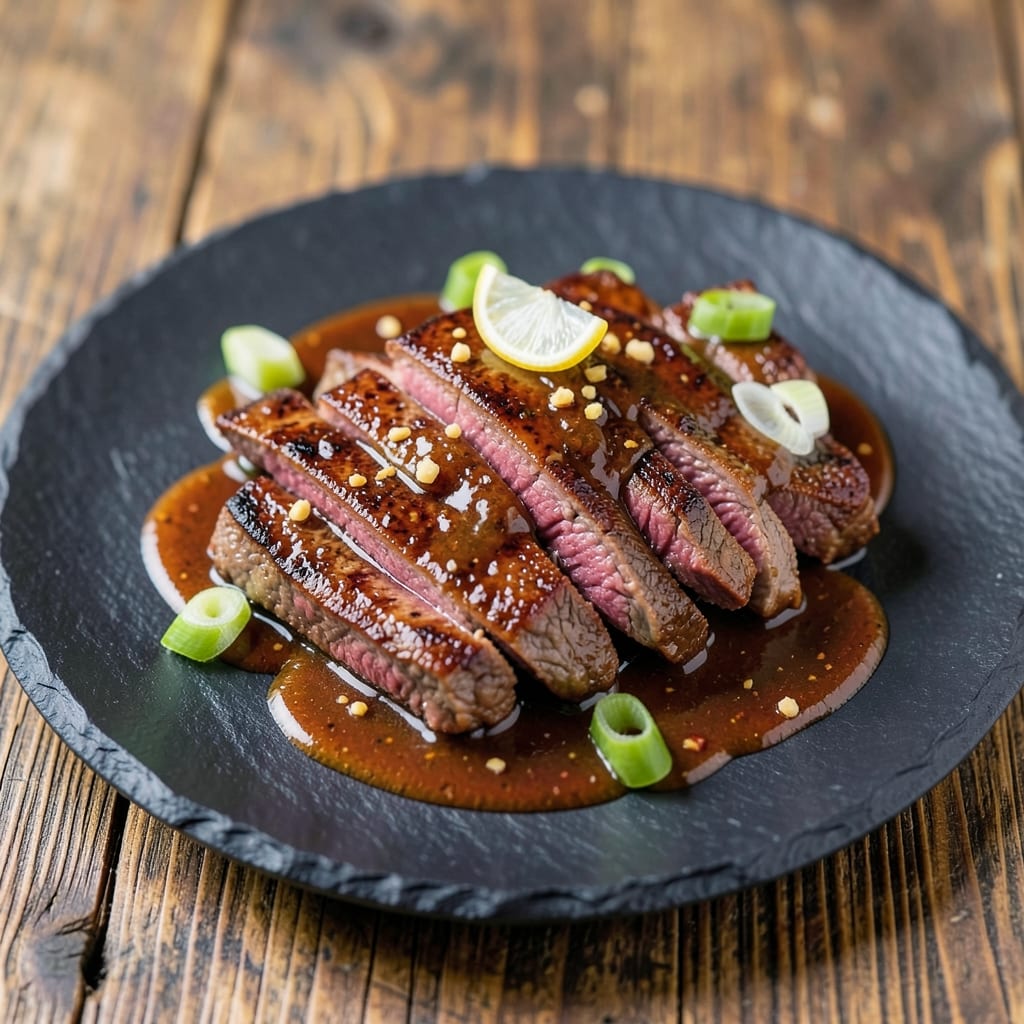
This Asian gravy beef recipe transforms tough cuts into tender, flavor-packed bites with a rich, aromatic sauce that clings to every strand. The secret lies in a two-step process: first searing the beef to lock in juices, then simmering it in a velvety soy-hoisin-ginger gravy that develops deep umami and caramelized sweetness. I perfected this one-pan method after years of testing—it delivers restaurant-quality results without the fuss of multiple dishes.
The magic happens when the beef tenderizes in its own juices while the sauce reduces to a perfect consistency—thick enough to coat but light enough to let the beef shine. You'll need just 30 minutes of active time, with most of the flavor development happening during the 20-minute simmer. The combination of soy sauce, hoisin, and ginger creates a complex flavor profile that's both familiar and exciting, with just enough heat to keep things interesting.
By the end, you'll have perfectly caramelized beef with a glossy, sticky glaze that makes every bite irresistible. The sauce clings to the meat like a second skin, creating that signature wok-tossed texture without requiring a wok. Serve it over steamed jasmine rice or noodles for a complete meal that's hearty enough for a family dinner but simple enough for a weeknight.
This recipe works beautifully with flank steak, skirt steak, or even chuck roast—just adjust the cooking time accordingly. The leftovers reheat perfectly, making it an ideal meal prep option. Garnish with sliced green onions and sesame seeds for freshness and crunch. Let's get cooking!
Ingredients for asian gravy beef
The perfect balance of protein, umami, and aromatic flavors for a restaurant-style dish at home.
| Ingredient | Amount | Notes |
|---|---|---|
| Flank Steak 🥩 | 1 ½ lb | Thinly sliced against grain |
| Extra-Virgin Olive Oil 🫒 | 2 tbsp | For high-heat searing |
| Soy Sauce 💧 | ½ cup | Kikkoman preferred |
| Hoisin Sauce 🍶 | ¼ cup | Store-bought or homemade |
| Fresh Ginger 🌿 | 2 tbsp | Finely grated, aromatic |
| Garlic Cloves 🧄 | 6 cloves | Minced for depth |
| Brown Sugar 🍬 | 2 tbsp | Light or dark preferred |
| Sesame Oil 🫒 | 1 tbsp | Toasted for aroma |
| Green Onions 🧅 | 4 whole | Sliced for garnish |
| Toasted Sesame Seeds 🌾 | 1 tbsp | For crunchy finish |
| Cornstarch 🌾 | 1 tbsp | For sauce thickening |
| Water 💧 | 2 tbsp | For cornstarch slurry |
| Diamond Crystal Kosher Salt 🧂 | 1 tsp | For seasoning |
| Black Pepper 🌶️ | ½ tsp | Freshly ground |
The beef cut matters here—flank steak delivers that signature wok-tossed texture when sliced thinly against the grain. Costco or Whole Foods carry excellent pre-sliced options, but if you're buying whole, ask the butcher to slice it for you. The ginger should be freshly grated (not paste) for that bright, zesty punch. For soy sauce, Kikkoman is a safe bet, but any high-quality brand works. Hoisin sauce varies widely in quality—look for one with minimal additives if you can find it.
No flank steak? Skirt steak or chuck roast (sliced thin) works just as well. Skip the sesame oil? Avocado oil works in a pinch, though it lacks the toasty aroma. The cornstarch slurry is non-negotiable for that perfect sauce consistency—don't skip it. For extra depth, add a dash of fish sauce (if not avoiding it) or an extra tablespoon of soy sauce. The green onions should be sliced on the bias for maximum crunch and visual appeal.
This dish reheats beautifully—just add a splash of water when warming to prevent drying. Store leftovers in an airtight container for up to 4 days in the fridge. For meal prep, portion the beef and sauce separately—reheat the sauce first, then toss with the beef to keep it tender. Garnish with sesame seeds just before serving to preserve that fresh crunch.
Why You'll Love This Recipe
- Pantry-Friendly Powerhouse: I swear by this recipe when I forget to buy fresh herbs. The ginger and hoisin alone carry the flavor—no fancy ingredients needed, just what’s already lurking in your cupboard.
- Umami Bomb: That combo of soy and hoisin? It’s like a flavor explosion in your mouth. The olive oil sear on the flank steak adds this perfect crispy edge, while the ginger keeps it bright and fresh.
- Weeknight to Dinner Party: Same dish, different vibes. Toss it over rice for a quick weeknight meal, or serve it on a platter with steamed greens for when friends drop by. The steak slices thinly—no one will guess it’s a last-minute prep.
- Budget Steakhouse Feel: Flank steak is affordable, and this recipe stretches it into multiple meals. I’ve reheated leftovers twice without losing a bite—just add a splash of water when warming to keep that glossy gravy.
Step-by-step instructions for wok-tossed Asian gravy beef
This method delivers tender, flavorful beef with a glossy, umami-rich sauce in one pan.
Prep the Flank Steak for Perfect Texture
Remove the flank steak from the refrigerator and pat it dry with paper towels. I like to work with room-temperature meat for even cooking. Using a sharp knife, slice the steak thinly against the grain into ¼-inch thick strips. This cut ensures maximum tenderness—thick slices would remain chewy even after cooking.
Transfer the sliced steak to a bowl and season generously with the 1 teaspoon Diamond Crystal kosher salt and ½ teaspoon black pepper. Toss to coat evenly. Let it marinate for 15 minutes while you prepare the remaining ingredients. This brief seasoning time prevents the meat from becoming mushy while still developing flavor.
Build the Flavor Base with Aromatics
Heat a large wok or skillet over medium-high heat until hot. Add the 2 tablespoons extra-virgin olive oil and swirl to coat the pan. Add the sliced 4 whole green onions (cut into 2-inch pieces) and stir-fry for 1 minute until they begin to soften slightly.
Add the 6 minced garlic cloves and 2 tablespoons finely grated fresh ginger, cooking for 30 seconds until fragrant. Here's where the magic happens—the aromatics should sizzle and fill your kitchen with their scent. If they start to brown too quickly, reduce heat slightly to medium to prevent burning.
Sear the Beef and Create Fond
Working in batches if needed, add the marinated beef to the wok in a single layer. Let it sear undisturbed for 2-3 minutes until the edges develop a deep brown crust. This initial sear locks in juices and builds flavor. Once browned on one side, use a spatula to flip the beef and cook for another 1-2 minutes until cooked through.
Remove the beef from the wok and set it aside. The residual heat will keep it warm while you build the sauce. Don't clean the wok yet—those browned bits (fond) are packed with flavor that will form the base of your gravy.
Develop the Glossy Umami Sauce
Return the wok to medium heat and add the ½ cup soy sauce, ¼ cup hoisin sauce, and 2 tablespoons brown sugar. Stir to deglaze the pan, scraping up all those flavorful browned bits. Let the sauce simmer for 2 minutes until slightly reduced and syrupy.
In a small bowl, whisk together the 1 tablespoon cornstarch and 2 tablespoons water to create a slurry. Slowly pour this into the wok while stirring constantly. The sauce will thicken immediately into a glossy, velvety consistency. If it's too thick, add 1 tablespoon water to reach your desired gravy-like texture.
Finish with Sesame Oil and Garnish
Return the seared beef to the wok and toss everything together for 1-2 minutes until the beef is evenly coated with the sauce. Drizzle in the 1 tablespoon sesame oil and toss again to distribute. The sesame oil adds that signature nutty aroma that elevates the dish.
Divide the beef among serving plates, garnishing each portion with 1 tablespoon toasted sesame seeds and the remaining sliced green onions. Serve immediately over steamed rice or noodles. The beef should be tender yet slightly chewy, coated in a glossy sauce that balances sweet, salty, and umami flavors perfectly.
Pro Tips For Making Asian Gravy Beef
- SEAR FIRST, SAUCE LATER: Get that steak screaming hot in the pan with olive oil before pulling it out—you want deep caramelization, not a sad, gray slab. I used to toss in the hoisin too early, and the sauce just turned into a gloppy mess instead of a glossy finish.
- GRATE THAT GINGER FINE: Skip the big chunks—this isn’t a garnish. Use the smallest holes on your grater or pulse it in a food processor until it’s almost paste-like. That way, it dissolves into the sauce instead of sitting as a textural afterthought.
- DON’T OVERCROWD THE PAN: Thin slices of flank steak pile up fast, and that’s how you steam instead of sear. Work in batches if you have to—rusty as it sounds, patience here means the difference between restaurant-quality crust and sad, soggy beef.
- SALT THE STEAK TWICE: Generously salt it 40 minutes before cooking, then hit it again right before searing. The first round tenderizes, the second locks in flavor—no, it won’t make the meat mushy, but it’ll make the sauce cling better to every bite.
Make-ahead tips for this recipe
Prep Ahead Components
Slice the flank steak against the grain and marinate it in soy sauce, sesame oil, and cornstarch slurry up to 24 hours ahead. Store in an airtight container in the fridge—this tenderizes the meat while developing deep flavors. I like to prep the aromatics (ginger, garlic, green onions) separately in a sealed container to keep them fresh. 🌿
Sauce Prep Strategy
Make the sauce base 1 day ahead by combining soy sauce, hoisin, brown sugar, and cornstarch slurry in a jar. Store it in the fridge—this allows the flavors to meld beautifully. When ready to cook, simply heat it in the wok and finish with the beef. The sauce thickens perfectly without clumping, saving you time during the actual cooking process.
Freezer-Friendly Method
For ultimate convenience, freeze the cooked beef and sauce mixture in a single layer on a tray, then transfer to airtight containers. This prevents a solid block of ice that can make reheating uneven. When reheating, add 1 tablespoon water per container and microwave on high for 2-3 minutes, stirring halfway. The sauce will cling beautifully to the beef. ❄️
Portion Control Tips
Divide the beef and sauce into meal prep containers with steamed rice already portioned in the bottom. Store separately to prevent soggy rice—just assemble when ready to eat. I use glass containers with snap-on lids for easy reheating. For extra freshness, keep the sesame seeds and green onions in a small baggie and add them fresh when serving.
Time-Saving Shortcuts
Use pre-sliced flank steak from the grocery store to skip the slicing step—just ask for it to be cut against the grain. Buy hoisin sauce and soy sauce in bulk to save money and always have them on hand. For faster prep, grate the ginger and mince the garlic ahead of time and store in the fridge for up to 5 days. These small steps add up to big time savings during busy weeks. 💡
Reheating Like a Pro
Reheat leftovers in a skillet over medium heat with a splash of water for 3-4 minutes, tossing constantly. This method maintains the beef's texture better than microwaving. For microwave reheating, cover with a damp paper towel and heat in 1-minute intervals, stirring between each. Always check the internal temperature reaches 165°F for food safety. 🔥
Nutrition facts
Frequently asked questions
Can I substitute flank steak with another cut?
Skirt steak works perfectly and has a similar texture. For tougher cuts like chuck roast, slice thinly against the grain and simmer for 30-40 minutes until tender. The sauce will help break down the fibers, but expect a slightly meatier texture. Never use pre-cooked beef—it won't absorb the sauce properly.
Why is my sauce too thin or too thick?
The cornstarch slurry is your secret weapon! For a thinner sauce, add 1 tablespoon water at a time while stirring. Too thick? Thin with ½ teaspoon water or a splash of soy sauce. The sauce should coat the back of a spoon but still drip slowly—like honey. If it separates, whisk in ½ teaspoon cornstarch mixed with 1 teaspoon water.
How do I make this gluten-free?
Replace the soy sauce with tamari or coconut aminos (use ½ cup total). Check hoisin sauce labels—most contain wheat. For a homemade gluten-free version, blend ¼ cup soy-free hoisin with 1 tablespoon rice vinegar and 1 teaspoon maple syrup. The flavor will be slightly different but still delicious. Always verify all ingredients!
Can I make this spicier?
Add ½ teaspoon red pepper flakes or 1 teaspoon sriracha to the sauce base. For heat lovers, stir in 1 tablespoon chili garlic sauce when tossing with the beef. Remember, the sauce reduces—start with less and adjust to taste. Garnish with sliced Thai bird's eye chilies for an extra kick at the table.
What sides pair best with this dish?
Steamed jasmine rice is classic, but try coconut rice for extra richness. For a lighter option, serve with stir-fried bok choy or quick-pickled cucumbers. The umami beef also pairs beautifully with egg noodles or steamed dumplings. For a complete meal, add a simple miso soup or green tea to balance the flavors.