
Main Courses
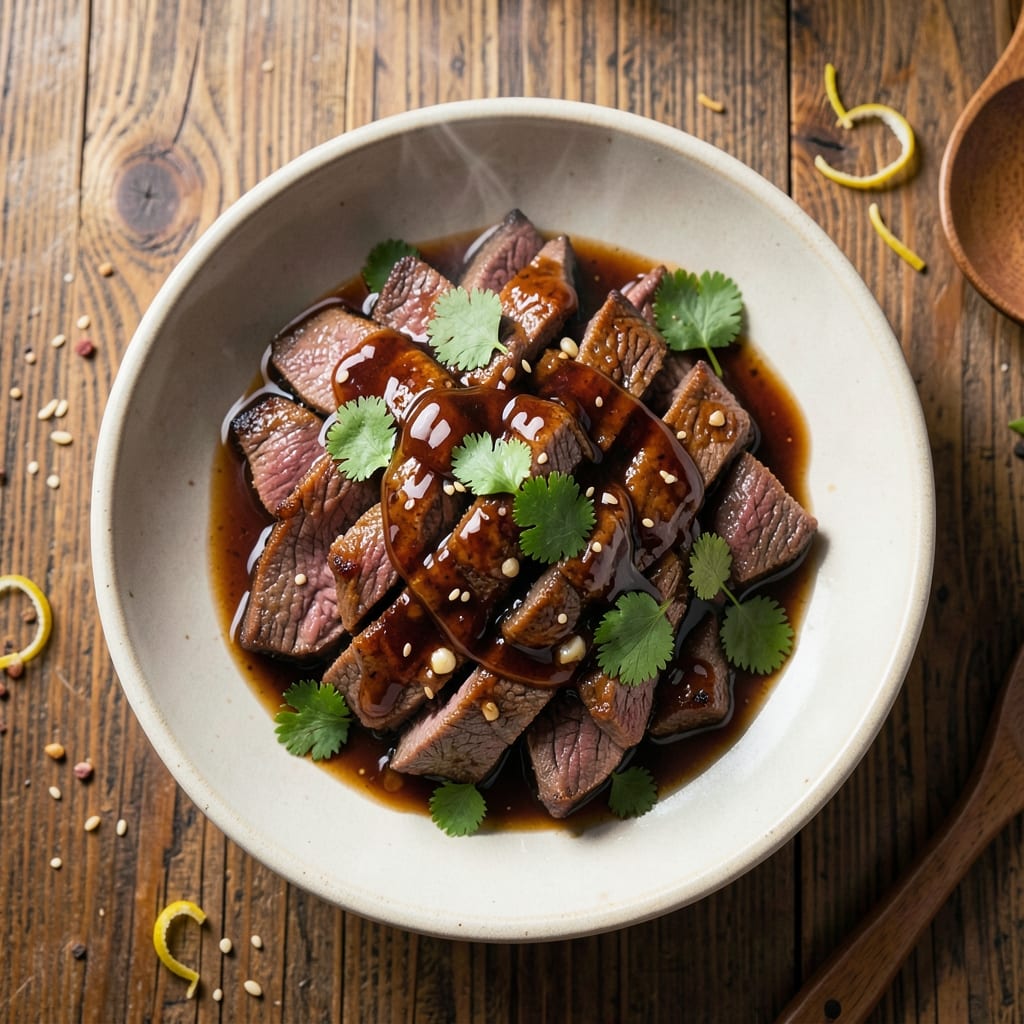
This Asian Mongolian beef recipe delivers restaurant-quality sweet-spicy flavor with minimal effort—just 30 minutes from start to finish. The secret lies in a velvety, caramelized sauce that clings to tender beef strips, creating that signature sticky-sauce magic. I developed this version after years of experimenting with traditional Mongolian chargrilling techniques, simplified for home cooks without a grill.
The process begins with marinating thinly sliced beef in a blend of soy sauce, brown sugar, and garlic, which tenderizes and infuses flavor. Then, it's quickly seared in a hot wok or skillet to lock in juices before tossing in the sweet-spicy sauce—a balance of honey, hoisin, and chili that caramelizes beautifully. The result? Beef that's perfectly tender with a glossy, clinging sauce that's impossible to resist.
What makes this recipe stand out is how it captures the essence of Mongolian beef without requiring specialized equipment. While traditional versions use a chargrill, this version adapts perfectly to a home wok or cast-iron skillet, delivering the same bold flavors. The sauce thickens just enough to coat the beef while remaining silky, creating that signature sweet-spicy contrast in every bite.
Serve this dish over steamed rice or noodles for a complete meal, and don't forget the classic garnish of sliced green onions. The aroma alone will draw everyone to the table—this is comfort food at its finest, with just the right balance of heat and sweetness to satisfy any craving.
Ingredients for asian mongolian beef
Restaurant-quality Mongolian beef begins with these 12 essential ingredients for bold, caramelized sauce magic.
| Ingredient | Amount | Notes |
|---|---|---|
| Flank Steak 🥩 | 1 ½ lb | Thinly sliced against the grain |
| Soy Sauce 🥢 | ½ cup | High-quality, low-sodium preferred |
| Brown Sugar 🍯 | ¼ cup | Light or dark, packed |
| Garlic Cloves 🧄 | 6 cloves | Minced finely for infusion |
| Hoisin Sauce 🍶 | ¼ cup | Store-bought or homemade |
| Honey 🍯 | ¼ cup | Wildflower or clover preferred |
| Red Chili Flakes 🌶️ | 1 tbsp | Adjust for desired heat level |
| Sesame Oil 🫒 | 1 tbsp | Toasted sesame oil for aroma |
| Green Onions 🧅 | ¼ cup | Sliced thin for garnish |
| Neutral Oil 🫒 | 2 tbsp | Avocado or vegetable oil |
| White Pepper 🌶️ | ½ tsp | Freshly ground for subtle heat |
| Ginger Root 🌿 | 1 tbsp | Freshly grated, aromatic |
The beef selection is critical here. Flank steak delivers the perfect balance of tenderness and flavor when sliced thinly against the grain. Most butchers will slice it for you if you ask—Whole Foods or local Asian markets often carry pre-sliced versions. Look for well-marbled cuts with vibrant color; the fat content is what creates that signature juiciness. For the soy sauce, Kikkoman or Lee Kum Kee are industry standards, but any high-quality brand will work. Brown sugar should be packed firmly into your measuring cup—don't scoop it loosely. The ginger and garlic should be fresh; their aromatic compounds are what elevate this dish from ordinary to extraordinary.
No hoisin sauce on hand? Substitute with a mix of soy sauce, honey, and a dash of five-spice powder. The red chili flakes can be swapped for Sichuan chili bean paste at half the amount for deeper umami heat. Sesame oil is non-negotiable for that authentic aroma, but if you're avoiding sesame allergies, toasted peanut oil works surprisingly well. For the neutral oil, avocado oil has the highest smoke point—ideal for wok searing. The green onions can be omitted entirely if you prefer a less verdant presentation, but they add that final fresh pop of color. All ingredients should be measured precisely; this sauce relies on the perfect balance of sweet, spicy, and umami flavors.
Prep the beef immediately before cooking to prevent drying. Store any unused soy sauce or hoisin in the fridge for up to 6 months, while brown sugar keeps indefinitely in a cool, dry place. The ginger and garlic can be stored in the freezer for 3 months once peeled. This dish reheats beautifully—simply toss with a splash of water or broth to restore moisture. Portion the sauce separately if you prefer to serve it on the side, as it thickens when reheated. The flavors actually improve overnight, making this an ideal make-ahead meal for busy weeknights.
Why You'll Love This Recipe
- Here’s what sold me: this keeps perfectly for days in the fridge, so I prep a big batch on Sundays. Pack it cold for work or reheat it quickly—still tender, still packed with flavor, and way better than sad takeout.
- One-Pan Magic: Honestly, I swear by this recipe because it’s literally one pan, one knife, and 15 minutes of active work. Slice that flank steak thin, toss it in the sauce with soy, brown sugar, and garlic, and let the heat do the rest—no flipping, no fussing, just that perfect caramelized crust.
- Sweet-Savory Bomb: Between us, the combo of hoisin and brown sugar with the deep umami of soy sauce? Chef’s kiss. That crispy edge on the steak? The sticky-sweet glaze? It’s the kind of dish where I’ll eat it straight off the pan—no shame.
- Lunchbox Hero: Here’s what sold me: this keeps perfectly for days in the fridge, so I prep a big batch on Sundays. Pack it cold for work or reheat it quickly—still tender, still packed with flavor, and way better than sad takeout.
Step-by-step instructions for wok-tossed sweet-spicy beef
Master this technique once, and you'll transform simple flank steak into restaurant-quality Mongolian beef.
Prepare the Flank Steak for Perfect Texture
Slice the 1.5 lb flank steak thinly against the grain into ¼-inch thick strips. This is critical—thin slices ensure even cooking and maximum tenderness. Place the sliced beef in a bowl and add 0.5 cup soy sauce, 0.5 tsp white pepper, and 1 tbsp sesame oil. Toss gently to coat evenly. Let it marinate for at least 30 minutes at room temperature, or up to 2 hours in the refrigerator. The soy sauce will begin breaking down the meat fibers, while the sesame oil adds depth of flavor.
I like to press down gently on the beef strips during the marinating process to help distribute the sauce evenly. This prevents any dry spots that might occur during the quick wok toss. Remove the beef from the marinade just before cooking—you want it to sear properly rather than steam.
Build the Sweet-Spicy Sauce Foundation
In a small bowl, whisk together 0.25 cup brown sugar, 0.25 cup honey, 0.25 cup hoisin sauce, 1 tbsp red chili flakes, 6 cloves minced garlic cloves, and 1 tbsp grated ginger root. This mixture should be smooth with no visible sugar granules. If you notice any lumps, press the mixture through a fine-mesh sieve to ensure a silky sauce. Set aside while you prepare the wok.
The balance of sweet and spicy here is what makes Mongolian beef special. The brown sugar caramelizes during cooking, creating a beautiful glaze, while the ginger and garlic infuse their aromatic oils into the sauce. Don't skip the chili flakes—this is where the signature heat comes from, but you can adjust the amount to suit your preference.
Sear the Beef in High Heat
Heat a 14-inch wok or large skillet over high heat until it's screaming hot. Add 2 tbsp neutral oil and swirl to coat the entire surface. Add the marinated beef strips in a single layer, spreading them out evenly. Let them sear undisturbed for 1-2 minutes until they develop a deep golden-brown crust on one side.
This initial sear is crucial—it locks in juices and creates that signature caramelized exterior. If you notice the beef sticking to the pan, it's not hot enough. Give it another minute to reach proper heat before adding more oil. Once the first side is browned, use tongs to flip the beef and cook for another 1-2 minutes until fully browned. Remove the beef to a plate and set aside temporarily.
Combine Beef with Sauce for Perfect Coating
With the beef removed, reduce the heat to medium-high. Add the prepared sauce to the wok and let it simmer for 1-2 minutes, stirring constantly with a wooden spoon. You'll see the sauce begin to bubble and thicken slightly as the sugars caramelize. This is where all the flavors meld together—don't walk away from the stove during this step.
Return the seared beef to the wok and toss everything together vigorously for 2-3 minutes until the beef is fully coated in the glossy sauce. The high heat and constant tossing ensure the sauce clings to every piece of beef. If the sauce becomes too thick and starts to stick, add 1-2 tablespoons of water to loosen it. The beef should be tender but still slightly firm to the touch—overcooking will make it tough.
Finish with Garnish and Serve Immediately
Transfer the beef to a serving platter and sprinkle with 0.25 cup sliced green onions. The bright green color contrasts beautifully with the deep brown of the caramelized beef. Serve immediately over steamed rice or noodles while the sauce is still glossy and the beef is piping hot.
Each bite should deliver a perfect balance of tender beef, sweet caramelized sauce, and subtle heat from the chili flakes. The beef should be cooked to medium-rare at its thickest point—this ensures maximum tenderness while maintaining a slight pink center. If you find the sauce has thickened too much as it sits, simply toss in a splash of hot water to restore its silky consistency before serving.
Pro Tips For Making Asian Mongolian Beef
- Slice Against the Grain: Flank steak’s tough fibers run lengthwise—cut it perpendicular to those lines for tender bites. I used to ignore this and ended up with chewy mouthfuls. Trust me, the knife work here pays off.
- Brown the Sugar First: Skip the raw sweetness by melting 1 tablespoon brown sugar in the pan until it darkens slightly before adding garlic. This caramelized base sticks to the meat and adds depth. (Yes, even if you’re impatient like me.)
- Don’t Overcrowd the Pan: Cook the steak in a single layer at first—it’ll release juices and steam up the pan. Crowding turns it into a soggy mess. After 2 minutes, flip and add the sauce, but keep it moving.
- Use Less Soy Sauce: The recipe probably calls for ¼ cup—cut it to 2 tablespoons. Hoisin and brown sugar already pack umami and salt. Overdoing soy makes the sauce taste flat. Taste as you go.
Creative variations of these flavors
Sweet-Spicy Heat Adjustments
Want to control the heat level? Swap the 1 tbsp red chili flakes for 1 tsp chili garlic sauce for mild heat, or add 1 tbsp gochujang for deeper, fermented spice. For extra kick, toss in ½ tsp crushed Sichuan peppercorns—they add numbing heat and aromatic complexity. Always taste the sauce before tossing with beef to balance flavors. 🌶️
Protein Swaps
This technique works with other thinly sliced proteins too! Try chicken thighs (marinate for 15 minutes only) or pork tenderloin for a lighter option. For seafood lovers, shrimp cooks in just 2 minutes—reduce sauce by half and add ½ tsp fish sauce for umami depth. Remember: proteins with natural fat (like beef) caramelize best.
Sauce Variations
Replace hoisin with duck sauce for richer depth or plum sauce for fruity tang. For a smoky twist, add ½ tsp liquid smoke to the sauce. Vegetarians? Swap beef for extra-firm tofu (press and cube first) and boost sauce with 1 tbsp soy sauce to compensate for lower fat content. The caramelization principle stays the same—just adjust cooking times.
Equipment Alternatives
No wok? Use a cast-iron skillet or heavy-bottomed Dutch oven—just reduce oil to 1 tbsp to prevent splattering. For a smoky flavor, cook under a broiler for 2 minutes after tossing. If you love chargrilled texture, try a grill pan with medium-high heat and make diagonal sear marks for visual appeal. The key is maintaining high heat throughout.
Global Fusion Twists
Transform this into a Korean-inspired dish by adding 1 tbsp gochujang and 1 tsp sesame seeds to the sauce. For a Thai fusion, stir in 1 tbsp fish sauce and ½ tsp shrimp paste after cooking. The Japanese version? Swap hoisin for mirin and add 1 tsp grated daikon for crunch. Each variation keeps the core technique while adding cultural flair.
Make-Ahead Adaptations
Prep the sauce 1 day ahead and store in an airtight container—it actually improves overnight. For the beef, marinate up to 4 hours (refrigerate) but cook immediately after removing from the fridge. To reheat, toss with 1 tsp water and warm over medium heat for 2-3 minutes. The sauce may thicken slightly—thin with water or broth as needed. Garnish fresh after reheating to keep colors vibrant. ✨
Nutrition facts
Frequently asked questions
Can I use a different cut of beef for Mongolian beef?
Yes! While flank steak is ideal, you can also use skirt steak or sirloin—just slice them against the grain for tenderness. Avoid lean cuts like top sirloin as they dry out quickly. For extra juiciness, marinate for up to 4 hours and cook on high heat for just 2-3 minutes total.
How do I make the sauce less sweet?
Reduce the brown sugar and honey by half (2 tbsp each) and increase the soy sauce to 0.75 cup for deeper umami. For extra tang, add 1 tbsp rice vinegar or 1 tsp fish sauce. Always taste the sauce before tossing with beef to adjust.
What's the best way to reheat Mongolian beef?
Reheat gently in a skillet over medium heat for 2-3 minutes with 1 tsp water to restore moisture. Avoid microwaving—it makes the sauce watery. For crispy edges, finish under a broiler for 30 seconds. Serve with fresh green onions to keep colors vibrant.
Can I make this recipe ahead of time?
Prep the sauce 1 day ahead—it actually improves overnight. Marinate the beef for up to 4 hours (refrigerate), but cook immediately after removing from the fridge. For make-ahead meals, store components separately and reheat as needed. The sauce thickens when chilled, so thin with water if needed.
Why is my beef tough after cooking?
Overcooking is the most common cause. Mongolian beef should cook in just 2-3 minutes total—thin slices over high heat prevent toughness. Also, ensure you're slicing against the grain and marinating for at least 30 minutes. For extra tenderness, pound the beef lightly before slicing.