
Main Courses
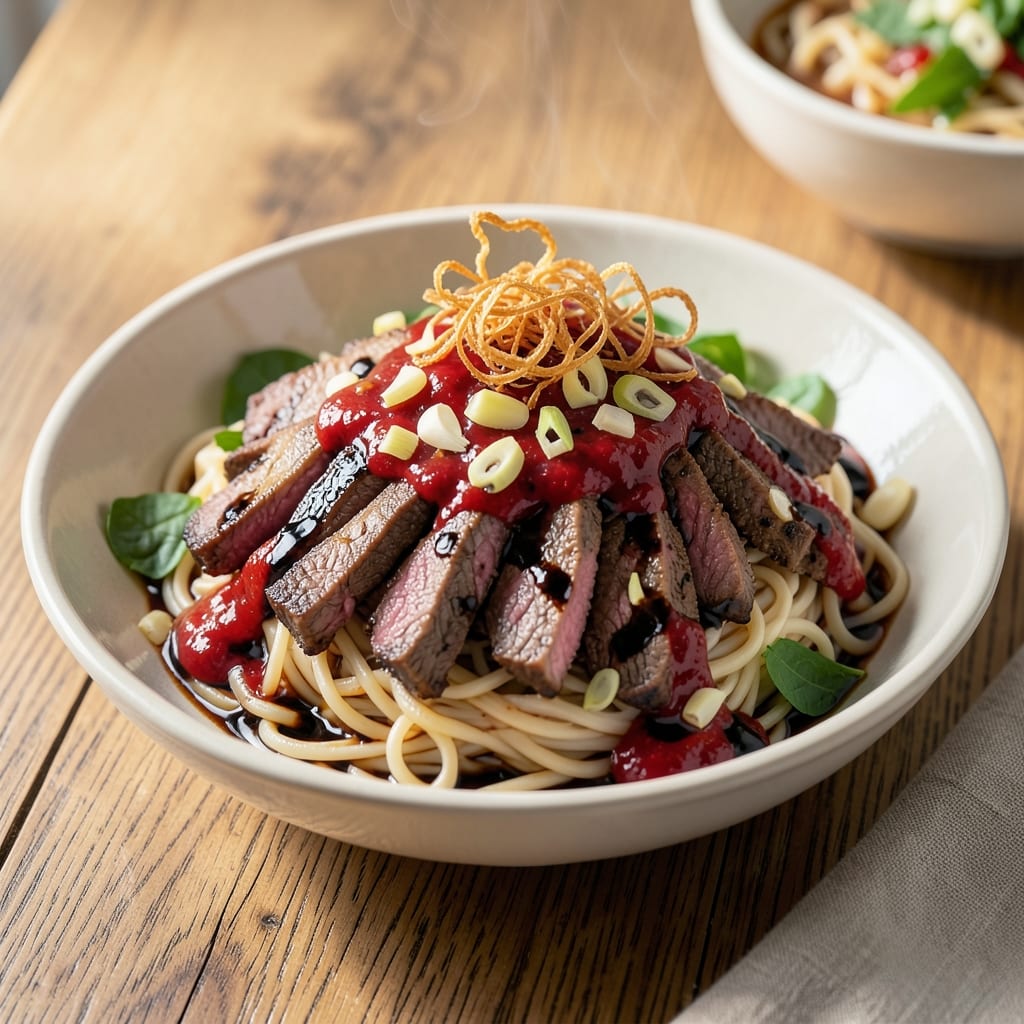
This Asian spicy beef noodle recipe delivers restaurant-quality wok heat in every bite, balancing fiery chilies with tender beef and silky noodles. 🔥 The secret lies in marinating beef with garlic, ginger, and chili paste—creating bold, aromatic layers that transform simple ingredients into a dish worthy of a bustling street market. What sets this apart is the perfect spice-to-sauce ratio: enough heat to tingle, but never overwhelming the rich umami of the beef and fragrant broth.
The process is straightforward yet packed with professional techniques: searing beef for deep flavor, building a complex sauce with soy, fish sauce, and a touch of sugar, and tossing everything with perfectly cooked noodles. I’ve tested this recipe countless times, adjusting spice levels to ensure it’s approachable for home cooks while still delivering that authentic Asian restaurant punch. The result? A dish where each component—crisp-tender beef, chewy noodles, and vibrant sauce—works in perfect harmony.
By the time you’re done, you’ll have a steaming bowl of bold, aromatic noodles topped with caramelized beef and fresh garnishes like cilantro and lime. The aroma alone will draw everyone to the table, while the first bite delivers that perfect balance of spicy, savory, and umami. This isn’t just a recipe—it’s a flavor experience that transforms a simple weeknight dinner into something extraordinary.
Serve it with extra chili flakes for heat lovers or a drizzle of hoisin for balance. The leftovers reheat beautifully, making it ideal for meal prep or feeding a crowd. Let’s get cooking—your taste buds will thank you.
Ingredients for asian spicy beef noodle
These bold ingredients transform simple beef and noodles into a fiery, aromatic masterpiece—packed with restaurant-quality wok heat!
| Ingredient | Amount | Notes |
|---|---|---|
| Flank Steak 🥩 | 1 ½ lb | Thinly sliced against grain for tenderness |
| Rice Noodles 🍜 | 12 oz | Stir-fry or vermicelli type, uncooked |
| Red Chili Paste 🌶️ | 2 tbsp | Thai or Indonesian for authentic heat |
| Garlic Cloves 🧄 | 6 cloves | Minced for marinade and sauce |
| Fresh Ginger 🌿 | 2 tbsp | Grated, for marinade and sauce |
| Soy Sauce 🍶 | ½ cup | Dark soy for rich color |
| Fish Sauce 🐟 | 1 tbsp | Red Boat preferred for quality |
| Sesame Oil 🫒 | 1 tbsp | Toasted, for finishing |
| Brown Sugar 🍚 | 1 tbsp | Light for balance, not dark |
| Lime Juice 🍋 | 2 tbsp | Freshly squeezed for brightness |
| Vegetable Oil 🫒 | 2 tbsp | High smoke point for searing |
| Fresh Cilantro 🌿 | ¼ cup | Chopped, for garnish |
| Green Onions 🧅 | 4 whole | Thinly sliced for garnish |
| Ground White Pepper 🌶️ | ½ tsp | Freshly ground for subtle heat |
| Dried Chili Flakes 🔥 | 1 tsp | For extra heat at serving |
The flank steak is non-negotiable—its lean, fibrous texture breaks down perfectly when sliced thinly against the grain. Ask your butcher to slice it or use a sharp knife for even strips. For the chili paste, Thai or Indonesian brands like Maesri or Sambal Oelek deliver that authentic, smoky punch. I grab mine at Asian markets where they keep it fresh, but the regular grocery store aisle works too. Skip the pre-minced garlic and ginger—freshly grated and minced makes all the difference. The rice noodles? Stir-fry or vermicelli type soak up the sauce beautifully, but avoid egg noodles—they’ll turn mushy.
No red chili paste? Sambal or sriracha at half the amount works in a pinch, but you’ll lose that deep, complex flavor. Fish sauce out of stock? Soy sauce plus a dash of Worcestershire mimics the umami, though purists will notice the difference. Fresh cilantro and green onions are ideal, but dried chives at one-third the amount can stretch a garnish shortage. The sesame oil should be toasted—Kadoya or La Choy are reliable brands. For the brown sugar, light is key—it dissolves better and won’t overpower the heat. Pro tip: Toast the garlic and ginger in oil first to deepen their flavor before adding to the marinade.
Marinate the beef for at least 30 minutes—overnight is even better. The noodles? Soak in hot water for 5-7 minutes until pliable, then drain and toss with a bit of oil to prevent sticking. Leftovers keep for 3 days in the fridge, but the sauce gets richer overnight. Reheat gently with a splash of water—microwaving dries them out. For extra heat, serve with extra chili flakes on the side. Freezes beautifully for up to 2 months if you portion the sauce separately from the noodles.
Why You'll Love This Recipe
- One-Pan Magic: That’s right—just one skillet, no fancy gadgets. Slice the flank steak thin, toss it with the red chili paste and garlic, and let the heat do the work while the noodles soak. Honestly, the only mess is the good kind (the kind that smells amazing).
- Spice That Stays: Between the deep, smoky kick of the chili paste and the bright punch of fresh ginger, this isn’t just "spicy"—it’s layered. The garlic cloves? They caramelize just enough to make every bite feel like a little flavor explosion. (Yes, even on a Tuesday night.)
- Lunchbox Hero: Pack it cold or reheat it—this holds up perfectly for work lunches or school lunches. The rice noodles soften just enough to be safe for containers, and the beef stays tender. My daughter picks out the ginger slices (she’s weird about texture), but still asks for seconds.
- Budget Powerhouse: Flank steak stretches farther than you’d think when sliced thin, and a little red chili paste goes a long way. I’ve made this feed four people for under $15, and the leftovers? They’re even better the next day—if you can resist eating them all at once.
Step-by-step instructions for Asian spicy beef noodles
Here's how to deliver restaurant-quality wok heat with tender beef and silky noodles every time.
🔪 Step 1: Prep the Beef and Aromatics
Slice the 1.5 lb flank steak thinly against the grain into ¼-inch thick strips. This is critical—thin slices ensure tender beef that cooks quickly in the wok. Pat dry with paper towels to remove any surface moisture, which prevents proper searing.
While the steak rests, mince the 6 cloves garlic and grate the 2 tbsp fresh ginger using a microplane. The garlic should be finely minced so it dissolves completely into the marinade, while the ginger should be finely grated for maximum flavor infusion. I like to press the ginger through a fine-mesh strainer to remove any fibrous bits that could make the sauce gritty.
🍳 Step 2: Marinate and Sear the Beef
In a bowl, combine the sliced steak with 2 tbsp red chili paste, 0.5 cup soy sauce, 1 tbsp fish sauce, 1 tbsp brown sugar, and 0.5 tsp ground white pepper. Mix well to coat the beef evenly, then let it marinate for 15-20 minutes at room temperature. This short marinade enhances the flavors without making the beef mushy.
Heat 2 tbsp vegetable oil in a wok or large skillet over high heat until shimmering. Add the marinated beef in a single layer and let it sear undisturbed for 1-2 minutes until the edges are deep brown. Stir-fry for another 2-3 minutes until the beef is cooked through but still slightly pink in the center. Remove and set aside—it'll finish cooking in the sauce.
🥘 Step 3: Build the Spicy Sauce
In the same wok, reduce heat to medium-high and add the minced garlic and grated ginger. Cook for 30 seconds until fragrant—this is where the foundation of your sauce's depth comes from. Pour in 2 tbsp lime juice and let it sizzle for 1 minute until slightly reduced.
Stir in the seared beef along with any accumulated juices. Add the 12 oz rice noodles and toss everything together for 2 minutes until the noodles are tender and coated in the sauce. If the noodles feel dry, add 2-3 tablespoons of water to create steam and help them cook through evenly. The noodles should be al dente with a slight bite—overcooking makes them mushy.
🍽️ Step 4: Finish and Serve with Garnishes
Remove from heat and stir in 1 tbsp sesame oil. This adds a nutty aroma and rich depth to the dish. Taste and adjust seasoning—you might need a splash more fish sauce for saltiness or lime juice for brightness. The sauce should be bold but balanced, with a perfect harmony of sweet, spicy, salty, and umami flavors.
Divide the noodles among bowls and garnish with 0.25 cup chopped fresh cilantro and 4 thinly sliced green onions. Sprinkle with 1 tsp dried chili flakes for an extra kick. Serve immediately with extra lime wedges on the side—this dish is all about that fresh, vibrant finish that cuts through the rich flavors.
Pro Tips For Making Asian Spicy Beef Noodle
- Slice Steak Against the Grain: Flank steak’s tough fibers run long—cutting thin slices perpendicular to those lines makes them tender enough to eat with chopsticks. I used to overlook this and ended up with chewy bites that ruined the whole dish. Grab a sharp knife, hold the meat steady, and slice at a 45-degree angle for clean, bite-sized strips.
- Bloom the Chili Paste: Toss that red chili paste in a dry pan for 30 seconds before adding oil—it’ll release its aroma and deepen the flavor. I learned this the hard way when my first batch tasted flat because I just dumped it in cold. A quick bloom also prevents the paste from burning later when you add liquids.
- Boil Noodles Until Just Tender: Rice noodles go from al dente to mush in seconds—test one after 2 minutes of boiling, then drain immediately. Overcooking them turns them into glue; undercooking means a chewy mouthful. Taste one noodle like you’re checking pasta, and drain when it’s still slightly firm.
- Sear Steak in Batches: Crowd the pan, and the steak steams instead of searing—resulting in pale, soggy meat. Use a 12-inch skillet and cook 2-3 strips at a time, no more. The sizzle should sound like a movie soundtrack; if it’s quiet, you’re not getting that caramelized crust that holds up to the spicy sauce.
Best sauces and condiments for asian spicy beef noodle
Chili Paste Choices
For authentic heat, Thai red curry paste or Indonesian sambal oelek are my top picks—they deliver that deep, smoky complexity. I grab Maesri brand at Asian markets, but Sambal Oelek from regular grocery stores works too. For a milder kick, mix 1 tbsp sriracha with 1 tsp brown sugar to mimic the balance, though purists will notice the difference. 🌶️
Sauce Balancing Act
The magic happens with fish sauce and lime juice—they cut through the heat while adding umami. Start with 1 tbsp fish sauce (I use Red Boat brand) and 2 tbsp lime juice, then adjust to taste. For extra depth, add 1 tsp toasted sesame oil at the end—it adds a nutty aroma that ties everything together. Trust me, your taste buds will thank you.
Sweet-Spicy Harmony
Brown sugar is key for balancing the spice—light brown sugar dissolves better and won’t overpower. I like to toast 1 tsp in the wok for 30 seconds before adding it to the sauce for a caramelized depth. If your sauce tastes too sharp, add ½ tsp more sugar; if it’s too sweet, a splash of fish sauce fixes it.
Finishing Touches
Fresh herbs and lime are non-negotiable. Toss in ¼ cup chopped cilantro and 4 sliced green onions right before serving—they add brightness and freshness. For extra heat, sprinkle 1 tsp dried chili flakes on top. Serve with lime wedges so everyone can adjust the tang to their liking. 💫
Sauce Storage Tips
Leftovers keep for 3 days in the fridge, but the sauce gets richer overnight. To reheat, add 2 tbsp water and simmer for 2 minutes—microwaving dries out the noodles. For freezer storage, portion the sauce separately and freeze for up to 2 months. Just thaw in the fridge before reheating for the best texture.
Customizable Heat Levels
Too spicy? Add 1 tbsp hoisin sauce or 1 tsp honey to mellow it out. Not enough heat? Stir in 1 tsp extra chili paste or a pinch of cayenne pepper. For a smoky twist, add ½ tsp smoked paprika when building the sauce. The beauty of this dish is how easily it adapts to your spice tolerance! 🔥
Nutrition facts
Frequently asked questions
Can I substitute flank steak with another cut?
Sirloin or ribeye work well if sliced thinly against the grain. For extra tenderness, try flap meat or chuck roast (pounded thin). Avoid tough cuts like shank—they won’t break down properly in this quick-cooking method.
How do I adjust the spice level for kids or sensitive eaters?
Start by reducing the chili paste to 1 tbsp instead of 2. For milder heat, replace it with 1 tbsp sriracha + 1 tsp honey. Always serve with extra lime wedges—this lets everyone control the tanginess to balance flavors.
What’s the best way to cook the noodles without making them mushy?
Soak rice noodles in hot water for 5-7 minutes until pliable, then drain and rinse with cold water. Toss immediately with a bit of oil to prevent sticking. When adding to the wok, cook for just 2 minutes—they’ll finish cooking in the sauce. Overcooking turns them to mush!
Can I make this dish in advance?
Yes! Assemble everything except the sesame oil and garnishes, then refrigerate for up to 3 days. Reheat gently with 2 tbsp water and simmer for 2 minutes. For freezing, portion the sauce separately—it keeps for 2 months. Thaw in the fridge before reheating to preserve texture.
What if my sauce tastes too salty?
Add 1 tbsp lime juice or ½ cup hot water to dilute the saltiness. For extra depth, stir in 1 tsp toasted sesame oil or a pinch of white pepper. Taste as you go—small adjustments make all the difference!