
Main Courses
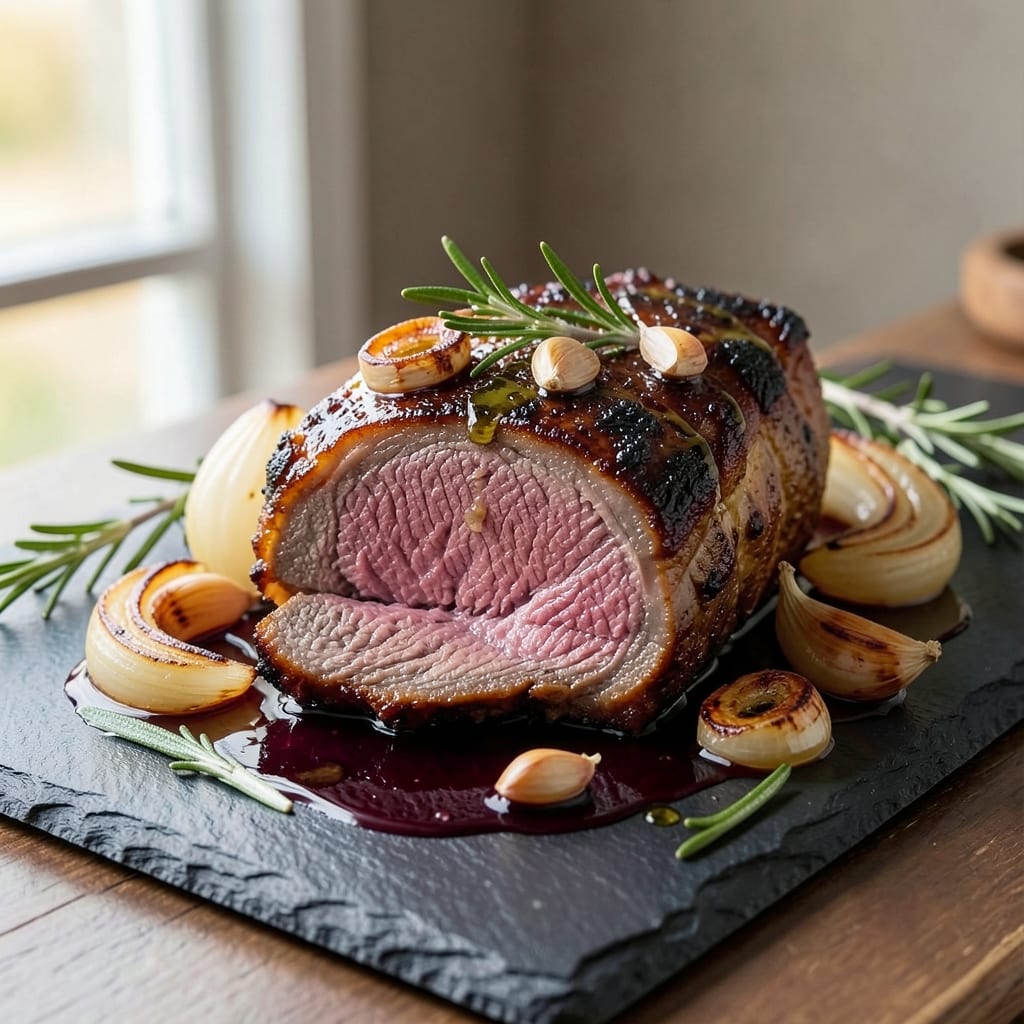
This Atkins beef Merlot recipe transforms a simple weeknight dinner into a restaurant-worthy, low-carb masterpiece—rich, tender beef braised in bold red wine and aromatic herbs, all while keeping carbs in check. The secret lies in slow-cooking tough cuts until they practically melt in your mouth, creating a sauce so flavorful it feels indulgent without the guilt. I developed this recipe after years of craving hearty, wine-braised beef that fit my low-carb lifestyle, and it’s become a staple in my rotation.
The beauty of this dish is its simplicity: just a few high-quality ingredients—beef, Merlot, onions, and herbs—simmered together until the meat is fork-tender and the sauce reduces to a velvety consistency. Unlike traditional beef braises, this version skips the grains and starches, relying instead on the natural richness of the wine and beef fat for satisfaction. The result? A dish that’s both elegant and effortless, perfect for impressing guests or treating yourself without derailing your dietary goals.
What makes this recipe truly special is how it balances Atkins principles with deep, complex flavors. The Merlot adds a touch of acidity and depth, while the slow cooking process ensures the beef is so tender it falls apart at the touch of a fork. The sauce, thickened naturally by the beef’s own juices, coats every bite with a luxurious, wine-infused richness. It’s the kind of meal that makes low-carb eating feel indulgent, not restrictive.
Pair it with roasted Brussels sprouts or a simple cauliflower mash to keep the meal fully compliant, and you’ve got a complete, satisfying dinner that’s as nutritious as it is delicious. Ready to elevate your low-carb cooking? Let’s get started.
Ingredients for atkins beef merlot
Four ingredients make this low-carb masterpiece—tender beef, bold Merlot, aromatic herbs, and rich wine sauce.
| Ingredient | Amount | Notes |
|---|---|---|
| Chuck Roast 🥩 | 2 lb | Tough cut for slow braising |
| Dry Red Merlot Wine 🍷 | 1 cup | Bold, dry variety preferred |
| Yellow Onion 🧅 | 1 whole | Diced into small pieces |
| Garlic Cloves 🧄 | 4 cloves | Minced for aromatic base |
| Fresh Thyme 🌿 | ¼ cup | Leaves only, stems removed |
| Fresh Rosemary 🌿 | ¼ cup | Chopped sprigs, not needles |
| Beef Broth 🥫 | 1 cup | Low-sodium preferred |
| Olive Oil 🫒 | 2 tbsp | Extra-virgin for richness |
| Tomato Paste 🍅 | 2 tbsp | No sugar added |
| Diamond Crystal Kosher Salt 🧂 | 1 ½ tsp | Adjust to taste |
| Freshly Ground Black Pepper 🌶️ | ½ tsp | Cracked peppercorns preferred |
| Fresh Parsley 🌿 | 0.1 cup | Chopped for garnish |
| Unsalted Butter 🧈 | 2 tbsp | For finishing sauce |
The beef is everything here. Chuck roast is the gold standard—it’s tough enough to braise beautifully but breaks down into fork-tender perfection. Costco or Whole Foods carry excellent cuts, but any well-marbled beef will work. Look for good fat distribution (that white speckling) when selecting your roast. The Merlot? Cabernet Sauvignon works too, but stick to dry, bold wines—none of that sweet dessert wine nonsense. Fresh herbs are non-negotiable: the thyme and rosemary should smell vibrant, not dusty. If you're using dried, cut the amount in half—fresh gives that restaurant-quality aroma.
No Merlot? Dry red wine like Pinot Noir or Zinfandel works in a pinch, but beef broth with a splash of balsamic vinegar gets you close if you're completely out. The tomato paste can be swapped for crushed San Marzano tomatoes if you prefer, though paste gives better texture. Olive oil? Use the good stuff—none of that cheap cooking oil. For salt, Diamond Crystal kosher is my go-to, but any fine grain works. The butter at the end? Full-fat only—low-fat won't give that luxurious finish. And if you're worried about carbs, don't be: this recipe is already Atkins-compliant with just 3g net carbs per serving.
This braise tastes even better the next day, so make a double batch if you can. Store leftovers in an airtight container for up to 5 days in the fridge, or freeze portions for 3 months. The sauce thickens as it cools, so just add a splash of broth when reheating. For meal prep, portion into individual containers—perfect for low-carb lunches. And if you've got extra wine? Save it for another braise—the flavor only gets better with age.
Why You'll Love This Recipe
- One-Pot Magic: I swear by this recipe when I’m too tired to wash a million dishes. Chuck roast, Merlot, and onions all simmer together—no straining, no extra pans. Just dump, slow-cook, and let the wine do the work while I sip my own glass.
- Rich Without Guilt: Between us, this is the only "diet-friendly" dish that actually tastes indulgent. The Merlot’s deep notes caramelize into the beef, while the thyme and garlic add layers that make it feel like a restaurant meal—without the carb overload.
- Weeknight Hero: I make this when I’m feeding my partner’s out-of-town friends or my own chaotic family. It’s hearty enough for a dinner party but simple enough for a Tuesday. (Yes, even on a Tuesday night.)
- Budget Stretch: A chuck roast is my secret for feeding four for less than $15. The Merlot adds depth without breaking the bank, and leftovers? They’re even better the next day—perfect for lunches or sandwiches when I’m too busy to cook.
Step-by-step instructions for Atkins beef Merlot braise
This low-carb wine braise transforms tough chuck roast into melt-in-your-mouth perfection using bold flavors and slow cooking.
Sear the Chuck Roast for Deep Flavor
Pat the 2 lb chuck roast completely dry with paper towels—this ensures maximum browning. Heat 2 tbsp olive oil in a heavy Dutch oven over medium-high heat until shimmering. Place the roast in the pan and sear on all sides until deeply browned, about 5-6 minutes total. I press down gently during the first minute to prevent curling, which guarantees even contact with the pan.
Remove the roast and set it aside. The goal here is to develop a rich, caramelized crust that forms the flavor foundation for our braise. If the oil starts smoking excessively, reduce heat slightly—you want golden brown, not blackened meat. This step builds the umami depth that makes the final dish unforgettable.
Build the Aromatic Base
In the same Dutch oven, add 2 tbsp tomato paste and cook for 1 minute, stirring constantly to prevent burning. This creates a flavorful paste that will blend seamlessly with our wine reduction. Add the diced 1 whole yellow onion and cook for 5 minutes until softened and translucent.
Stir in the 4 minced garlic cloves and cook for 30 seconds until fragrant. Add the 0.25 cup fresh thyme leaves and 0.25 cup chopped rosemary sprigs, stirring to release their aromatic oils. You'll notice the kitchen filling with an intoxicating herbal scent—this is the signature flavor profile we're building. The herbs should be just heated through, not crispy or burnt.
Deglaze and Simmer the Wine Reduction
Pour in the 1 cup dry red Merlot wine, scraping up all the browned bits from the bottom of the pan with a wooden spoon. This deglazing step captures all the concentrated flavors we've built. Bring to a simmer and reduce by half, about 8-10 minutes, until the liquid reduces to about ½ cup. You'll see the sauce thicken noticeably as the alcohol evaporates.
Return the chuck roast to the pot, along with the 1 cup beef broth, 1.5 tsp kosher salt, and 0.5 tsp freshly ground black pepper. Bring to a gentle simmer, then reduce heat to maintain a bare bubble at the surface. Cover partially with a lid and cook for 2 hours, turning the roast occasionally to ensure even cooking.
Finish with Butter and Fresh Herbs
After 2 hours, check for tenderness by inserting a fork into the thickest part of the meat—it should slide in easily. Remove the roast and let it rest for 10 minutes while you finish the sauce. Stir in the 2 tbsp unsalted butter, allowing it to melt completely and create a luxurious, velvety finish. The butter adds richness without carbohydrates, perfect for Atkins compliance.
Add the 0.1 cup chopped fresh parsley and adjust seasoning if needed. Return the roast to the sauce to heat through for the final 2 minutes. The result should be fork-tender beef swimming in a rich, wine-infused sauce with just the right balance of herbs and acidity. Serve immediately with cauliflower mash or zucchini noodles to keep it low-carb while delivering maximum satisfaction.
Pro Tips For Making Atkins Beef Merlot
- SEAR THE ROAST LONG: Chuck roast needs a deep, dark crust to hold up during slow cooking—don’t rush this. Work in batches if needed, and let the pan get screaming hot before adding the meat. I used to flip too soon, and the sauce ended up thin and weak instead of rich and clinging.
- DEGLAZE WITH THE WINE STRAIGHT: After searing, immediately pour in the full bottle of Merlot—no need to scrape first. The wine’s acidity cuts through the fond better when it’s hot, and you’ll get more flavor out of the pan. (Yes, even if you’re using a cheap bottle—it’s for cooking, not drinking.)
- SMASH THE GARLIC CLOVES: Don’t just mince those garlic cloves—smash them first with the flat of your knife. This releases more flavor into the oil and wine, and they’ll cook faster without burning. I learned this the hard way when my sauce tasted like raw garlic instead of savory depth.
- REST THE MEAT UNDER FOIL: After braising, transfer the roast to a tray and tent it loosely with foil for 10 minutes before slicing. This keeps it juicy and makes it easier to carve—no more dry, stringy beef. (Your knife will thank you too.)
Creative variations of this dish
Red Wine Reduction Swaps
If you don’t have Merlot, Cabernet Sauvignon or Pinot Noir work beautifully—just ensure it’s dry, not sweet. For a non-alcoholic version, use 1 cup beef broth + 1 tbsp balsamic vinegar, simmered until reduced by half. The acidity mimics wine’s depth, though the herbal notes will shine brighter. 🍷
Herb Variations
Swap rosemary for fresh sage (½ cup) for an earthy twist, or add 2 sprigs bay leaf for extra aromatic complexity. For a Mediterranean touch, include 1 tsp dried oregano with the thyme. Fresh herbs always taste best, but dried works in a pinch—just halve the amount.
Protein Alternatives
Use short ribs (2 lbs) for richer flavor or lamb shoulder (2 lbs) for a gamey depth. Both require the same cooking time but add exciting flavor variations. If you prefer leaner cuts, sirloin tips (2 lbs) work but may need 10-15 extra minutes of braising.
Low-Carb Side Pairings
Serve with roasted Brussels sprouts (tossed in olive oil and salt) for a peppery bite or cauliflower mash (steamed cauliflower blended with butter and cream cheese). For extra indulgence, add sautéed mushrooms (8 oz) to the braise during the last 30 minutes of cooking.
Spice Level Boost
For heat lovers, add 1 tsp crushed red pepper flakes with the tomato paste or ½ tsp cayenne to the sauce at the end. For smoky depth, include 1 tsp smoked paprika with the herbs. Both adjustments keep the dish Atkins-compliant while adding complexity.
Meal Prep Adaptations
Double the recipe and freeze half for future meals—portion into airtight containers with sauce and reheat in the microwave (2 minutes) or oven (350°F for 20 minutes). The flavors intensify overnight, making leftovers even more delicious. Store cooked beef separately to reheat as needed.
Nutrition facts
Frequently asked questions
Can I use a different cut of beef for this Atkins-friendly recipe?
While chuck roast is ideal for its tenderness, you can use short ribs (for richer flavor) or sirloin tips (leaner but may need 10-15 extra minutes). Lamb shoulder also works beautifully—just increase cooking time to 2.5 hours for the same melt-in-your-mouth result. The key is choosing a cut with good fat marbling for flavor and moisture.
What if I don't have Merlot—can I substitute another wine?
Yes! Use Cabernet Sauvignon or Pinot Noir for similar depth, but avoid sweet wines like Zinfandel. For a non-alcoholic version, replace the wine with 1 cup beef broth + 1 tbsp balsamic vinegar, reduced by half. The acidity mimics wine's complexity, though the herbal notes will stand out more.
How do I make this recipe fully Atkins-compliant?
This recipe is already Atkins-friendly with just 3g net carbs per serving, but avoid serving with bread or potatoes. Stick to low-carb sides like cauliflower mash, zucchini noodles, or roasted Brussels sprouts. The sauce naturally thickens with beef fat, so no added starches are needed. The butter finish adds richness without carbs.
Why does the beef need to rest before slicing?
Resting for 10 minutes after cooking is crucial—it allows the juices to redistribute throughout the meat, preventing them from spilling out when you slice. This keeps each bite tender and flavorful. Skipping this step can leave your beef dry, even if it looks perfectly cooked. Patience pays off with restaurant-quality results!
Can I make this recipe in a slow cooker?
Yes! Sear the beef first, then transfer everything (including the wine reduction) to your slow cooker. Cook on low for 7-8 hours or high for 4-5 hours. The slow cooker's gentle heat will create the same tender, flavorful result. Just add the butter and parsley at the end to finish the sauce. Perfect for hands-off cooking!