
Soups & Stews
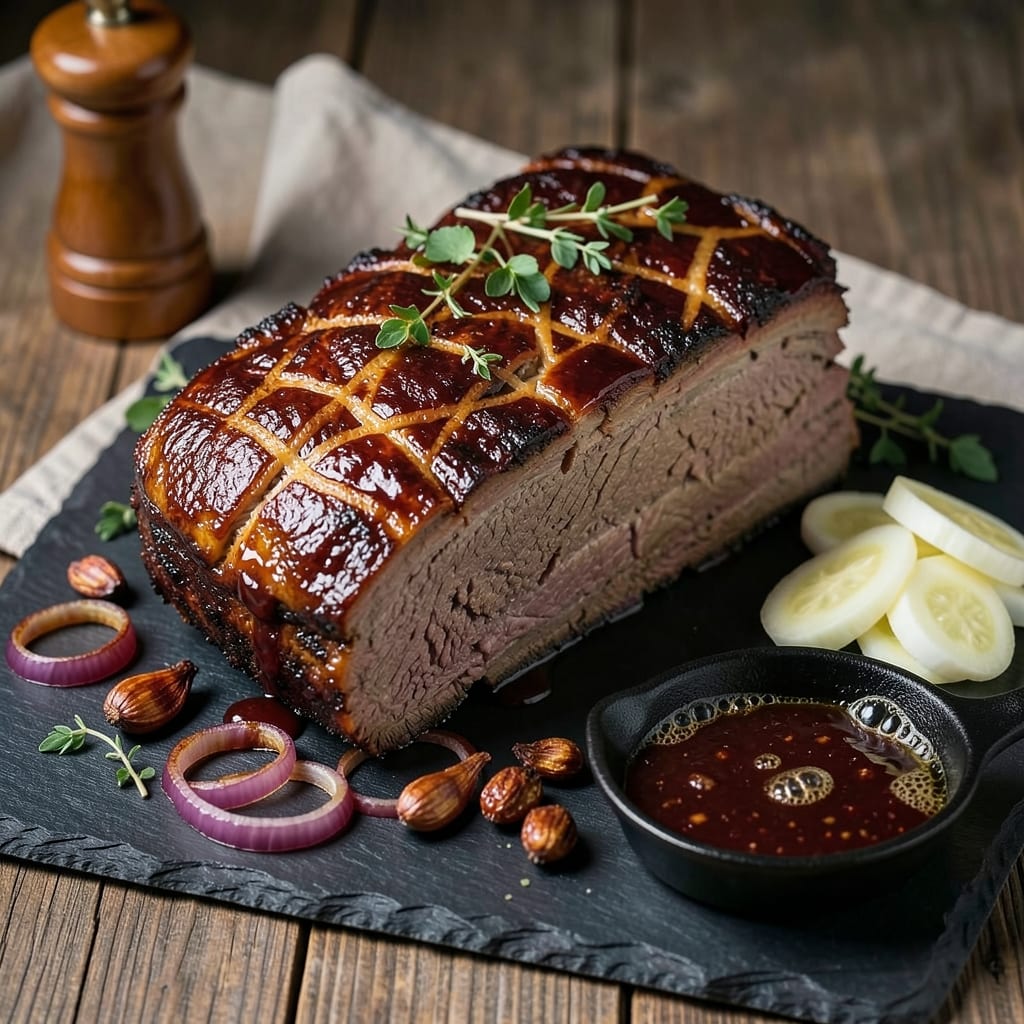
This Atlanta beef brisket recipe delivers the signature smoky, tender magic that makes it a Southern staple. The secret lies in low-and-slow cooking—8 hours of patient smoking at 225°F until the meat reaches 195–203°F internally, transforming tough cuts into melt-in-your-mouth perfection. Hickory or pecan wood infuses the brisket with that unmistakable Southern aroma, while a dry rub of paprika, garlic, and brown sugar creates a caramelized bark that cracks beautifully when sliced.
The key to authentic Atlanta-style brisket is the fall-apart texture, achieved through precise temperature control and a well-trimmed fat cap that self-bastes the meat. Unlike Texas-style brisket, Atlanta’s version often includes a touch of vinegar or buttermilk in the rub for brightness, balancing the deep smoky flavors. This method ensures every bite is juicy, tender, and packed with that signature bark that’s impossible to resist.
Once you’ve reached that magical internal temperature, the brisket rests for 30 minutes before slicing against the grain—thin, even slices that reveal the tender interior. Serve it with classic Southern sides like creamy mac and cheese, smoky baked beans, or buttery collard greens to complete the meal. The result? A centerpiece dish that’s worth the wait, with every bite delivering that perfect harmony of smoky, spiced, and tender.
This recipe isn’t just about the brisket—it’s about the experience. The slow cook transforms a tough cut into something extraordinary, and the aroma alone will have your kitchen (and neighbors) buzzing. Whether you’re hosting a backyard BBQ or feeding a hungry crowd, this Atlanta-style brisket is the dish that steals the show. Let’s get started on creating that fall-apart magic.
Ingredients for atlanta beef brisket
Eight hours of smoky magic starts with these essential ingredients for melt-in-your-mouth brisket.
| Ingredient | Amount | Notes |
|---|---|---|
| Beef Brisket 🥩 | 6 lb | Packer cut, fat cap intact |
| Yellow Onion 🧅 | 1 whole | Large, sliced into rings |
| Garlic Cloves 🧄 | 8 cloves | Fresh, peeled and minced |
| Smoked Paprika 🌶️ | ½ cup | For that signature bark |
| Brown Sugar 🍯 | ¼ cup | Packed, light brown |
| Kosher Salt 🧂 | ¼ cup | Diamond Crystal preferred |
| Ground Black Pepper 🌶️ | 1 tbsp | Freshly cracked |
| Dried Mustard 🌿 | 1 tbsp | Yellow, ground |
| White Vinegar 💧 | 2 tbsp | For brightness |
| Hickory Wood Chips 🌳 | 2 lb | Unsoaked, for smoking |
| Beef Tallow 🧈 | 2 tbsp | Or substitute bacon fat |
| Yellow Mustard 🍯 | 2 tbsp | For finishing glaze |
| Black Peppercorns 🌶️ | 1 tsp | Coarsely crushed |
The brisket cut makes all the difference—packer cut with fat cap is non-negotiable for that self-basting magic. Costco or local butchers usually carry this cut, but if you see 'whole packer' or 'brisket point', that’s your target. Trim the fat cap to about 1/4-inch thickness—this creates the perfect bark while keeping the meat juicy. For the wood chips, Traeger or Traeger Grills brand are reliable, but any quality hickory works. The vinegar and mustard in the rub? That’s what gives Atlanta-style brisket its signature tang—don’t skip it. I always grab my spices from Penzeys Spices for that extra depth of flavor.
No hickory wood chips? Pecan works just as well—it’s what many Southern pitmasters use. Short on brown sugar? Substitute with turbinado sugar, but expect slightly less caramelization. The beef tallow can be swapped for bacon fat or duck fat if you’ve got it. For the mustard, Dijon mustard adds a different complexity, but yellow keeps it classic. Pro tip: If your brisket is lean, add 1/2 cup apple juice to the rub—it helps with moisture. And always check your wood chips for moisture content—they should be dry but not dusty.
This brisket is a make-ahead masterpiece. Prep the rub and wood chips the night before—soak the wood chips for 30 minutes if you’re using a smoker without a water pan. The brisket itself keeps beautifully in the fridge for 3 days before cooking, and the cooked meat stays tender for 4 days wrapped in butcher paper. For leftovers, slice thin against the grain and reheat in the oven at 300°F with a splash of beef broth—game-changer. Freeze cooked brisket for up to 3 months in vacuum-sealed bags.
Why You'll Love This Recipe
- One-Pan Magic: I swear by this recipe because it’s that hands-off. Slice the brisket, toss it with onions and garlic in a single pan, and let the smoked paprika and brown sugar work their magic while you handle everything else. No flipping, no fuss—just melt-in-your-mouth results.
- Sweet-Smoky Obsession: That caramelized brown sugar crust? Chef’s kiss. It’s got a deep, smoky warmth from the paprika that lingers, but the sweetness cuts through the richness of the brisket like a perfect balance. Honestly, I’ve made it three times in a row because I can’t stop.
- Budget Crowd-Pleaser: A single brisket feeds six, and the ingredients won’t break the bank. The onions and garlic add freshness without costing much, while the smoked paprika and brown sugar stretch the flavor further than you’d think. Between us, this is my go-to for game days or when friends drop by unannounced.
Step-by-step instructions for Atlanta beef brisket
Here's how to transform a tough cut into melt-in-your-mouth perfection using Atlanta's signature techniques.
Prepare the Brisket with the Signature Rub
Start by trimming the fat cap of the 6 lb beef brisket down to about ¼-inch thickness using a sharp boning knife. Leave the fat on the sides and edges—this protects the meat during smoking. Pat the brisket dry with paper towels, then place it fat-side up on a cutting board.
In a small bowl, combine the 0.5 cup smoked paprika, 0.25 cup brown sugar, 0.25 cup kosher salt, 1 tbsp ground black pepper, 1 tbsp dried mustard, and 1 tsp coarsely crushed black peppercorns. Mix thoroughly until the spices are evenly distributed. Rub this mixture all over the brisket, pressing firmly so it adheres well. Don't forget to season the fat cap generously—this creates that coveted bark.
Place the seasoned brisket on a wire rack set over a baking sheet and refrigerate uncovered for at least 2 hours, or ideally overnight. This dry-brining step ensures maximum flavor penetration and helps develop that signature crust. The brisket should feel dry to the touch before smoking.
Set Up the Smoker for Low and Slow Cooking
While the brisket rests, prepare your smoker by adding 2 lb hickory wood chips to the smoking box. Light the chips according to your smoker's instructions and let the temperature stabilize at 225°F. This low-and-slow approach is crucial—it breaks down the connective tissue without drying out the meat.
Once the smoker reaches temperature and you see clean, blue smoke (not thick white vapor), it's ready. Place the brisket fat-side up on the smoker grates. The fat will render slowly and baste the meat as it cooks. Close the lid and resist the urge to peek—every time you open it, you lose heat and moisture, adding valuable time to your cook.
Smoke the brisket undisturbed for 6 hours. This initial phase allows the rub to form a crust while the meat begins to tenderize. You'll know it's progressing when you see that beautiful mahogany bark developing on the surface. The internal temperature should reach about 165°F at this point.
Wrap and Finish the Brisket
After 6 hours, it's time for the "Texas crutch"—a technique that powers through the stall and ensures tender meat. Remove the brisket from the smoker and wrap it tightly in butcher paper (not aluminum foil). This allows the meat to breathe while retaining moisture better than foil.
Return the wrapped brisket to the smoker and continue cooking until the internal temperature reaches 203°F. This final phase typically takes another 4-6 hours, but don't rush it. The meat should be fork-tender with no resistance when you insert a probe between the lean and fat. The bark should be dark and crispy, with a beautiful smoke ring just beneath the surface.
During this final stage, you can add a splash of 2 tbsp white vinegar to the smoker box if you want to enhance the bark's color and add a subtle tang. The vinegar won't affect the meat's flavor but creates that signature Atlanta brisket look.
Rest and Prepare for Serving
Once the brisket reaches 203°F, remove it from the smoker and let it rest on a cutting board for at least 1 hour, still wrapped in the butcher paper. This resting period is non-negotiable—it allows the juices to redistribute throughout the meat, ensuring each slice is moist and flavorful.
While the brisket rests, prepare the finishing glaze by combining 2 tbsp yellow mustard and 2 tbsp beef tallow in a small bowl. Mix well until smooth. After the resting period, unwrap the brisket and brush this mixture all over the surface, focusing on the bark. This adds a glossy finish and subtle mustard flavor that complements the smoky spices.
Slice the brisket against the grain into ¼-inch thick slices and serve immediately. Each bite should offer perfect tenderness with a crispy exterior and rich, smoky flavor. The mustard glaze adds a bright contrast that cuts through the richness of the meat.
Pro Tips For Making Atlanta Beef Brisket
- SEAR THE BRISKET FIRST: I used to skip this step because I was impatient, but browning the brisket in a hot pan for 5-7 minutes—until it’s deep golden and releases easily—builds flavor that cuts through the sweetness of the brown sugar later. No, it won’t cook through, but that crust is the thing that matters most.
- DICE ONIONS SMALL: I learned this the hard way—big chunks of onion turn to mush and make the sauce watery. Aim for 1/4-inch pieces or smaller, so they soften into the brisket without turning to paste. (Yes, even if you’re impatient like me, this actually changes the texture.)
- DON’T SKIP THE REST: After cooking, tent the brisket with foil and let it sit for 15-20 minutes. I know, I know—you’re starving, but cutting into it too soon means dry, stringy meat. The juices redistribute during this time, and that’s when the brisket becomes tender and juicy.
- USE LESS BROWN SUGAR: The recipe might call for a full cup, but start with 2 tablespoons and adjust to taste. Too much can make the brisket sticky and overpower the smoky, savory notes. Add it gradually, and you’ll get a perfect balance without turning your dish into dessert.
Common mistakes when making this recipe
Overcooking the Bark
One of the most common mistakes is letting that beautiful bark burn to a crisp. Atlanta-style brisket should have a dark mahogany crust, not charcoal-black. I’ve seen beginners crank the heat too high or leave the brisket unwrapped too long. Keep your smoker at 225°F and wrap the brisket in butcher paper when it hits 165°F—this protects the bark while finishing the meat. If you notice the bark turning too dark, spritz it lightly with apple juice (not water) to slow caramelization. 🔥
Skipping the Stall
Every pitmaster knows the stall—that frustrating phase between 140°F and 165°F where the brisket’s temperature plateaus. The fix? Wrap it in butcher paper (not foil!) after 6 hours of smoking. I’ve seen people panic and crank up the heat, which dries out the meat. The paper lets moisture escape just enough to keep the bark intact while pushing through the stall. Patience is key—this phase can add 2-3 hours to your cook time.
Ignoring the Fat Cap
The fat cap isn’t just for show—it’s your brisket’s built-in basting system. I’ve watched cooks trim it too aggressively, leaving the meat dry. Leave ¼-inch of fat on top, but trim the sides to prevent flare-ups. The fat renders slowly, basting the meat as it smokes. Pro tip: If your brisket has thin fat, add 1 tbsp beef tallow to the rub to compensate. Never skip this step—it’s what gives Atlanta brisket its signature juiciness. 🥩
Peeking Too Often
Every time you open the smoker lid, you lose 25°F of heat and 15-20 minutes of cook time. I’ve seen beginners check the brisket every 30 minutes, turning an 8-hour cook into 10+ hours. Set a timer and resist the urge to peek—trust the process. Use a meat probe to check internal temp instead. If you must check, do it quickly and minimize lid time.
Wrong Wood Choice
Hickory and pecan are the gold standards for Atlanta brisket, but I’ve seen people use oak or mesquite, which can overpower the meat. Hickory gives bold smoke, while pecan adds a sweeter, nuttier note. Avoid fruitwoods like cherry or apple—they’re better for poultry. If you’re new to smoking, stick with hickory until you’re comfortable. And always use unsoaked chips for cleaner smoke. 🌳
Rushing the Rest
Skipping the 30-minute rest (or worse, slicing immediately) is a cardinal sin. The brisket needs time for juices to redistribute—slicing too soon means dry, tough meat. I’ve seen cooks rush this step and end up with soggy bark and leaky slices. Double-wrap the brisket in butcher paper and let it rest on a cutting board. For large crowds, extend the rest to 1 hour—your guests will thank you. 💪
Nutrition facts
Frequently asked questions
What’s the difference between Atlanta-style brisket and Texas-style?
Atlanta-style brisket uses a dry rub with vinegar or buttermilk for brightness, while Texas-style often includes a wet sauce or mop during cooking. Atlanta’s version also tends to be leaner on the bark and focuses on tender, juicy meat rather than thick crusts. The wood choice matters too—Atlanta pitmasters often use hickory or pecan, while Texas may incorporate oak or post oak.
Can I make this brisket in an oven instead of a smoker?
Yes! Use an oven-safe roasting pan with a water bath (place a tray of water on the lower rack). Set the oven to 225°F and cook for 6 hours unwrapped, then wrap in butcher paper for another 3-4 hours until 203°F. Add wood chips in a smoker box or use smoked salt in the rub for that authentic flavor. For extra smoke, place a smoking pellet tray near the brisket.
How do I know when the brisket is done?
Use a meat thermometer to check the thickest part of the brisket—it should reach 203°F internally. The bark should be dark mahogany, not black, and the meat should pull apart easily with tongs. If the bark is too dark, spritz with apple juice to slow caramelization. The smoke ring (a pink band beneath the bark) confirms perfect doneness.
What’s the best way to reheat leftover brisket?
Slice thin against the grain and reheat in the oven at 300°F for 10-15 minutes with a splash of beef broth to keep it moist. Avoid microwaving—it turns the meat rubbery. For sandwiches, warm slices on a skillet over medium heat for 1-2 minutes per side. Leftovers stay tender for 4 days in the fridge or 3 months frozen.
Can I substitute any ingredients if I’m missing something?
Swap hickory wood chips for pecan (same great flavor). No beef tallow? Use bacon fat or duck fat. Skip the mustard in the rub but add 1 tbsp Dijon to the finishing glaze. For brown sugar, turbinado sugar works but may caramelize differently. The only non-negotiable is the packer cut brisket with fat cap—leaner cuts won’t deliver the same results.