
Soups & Stews
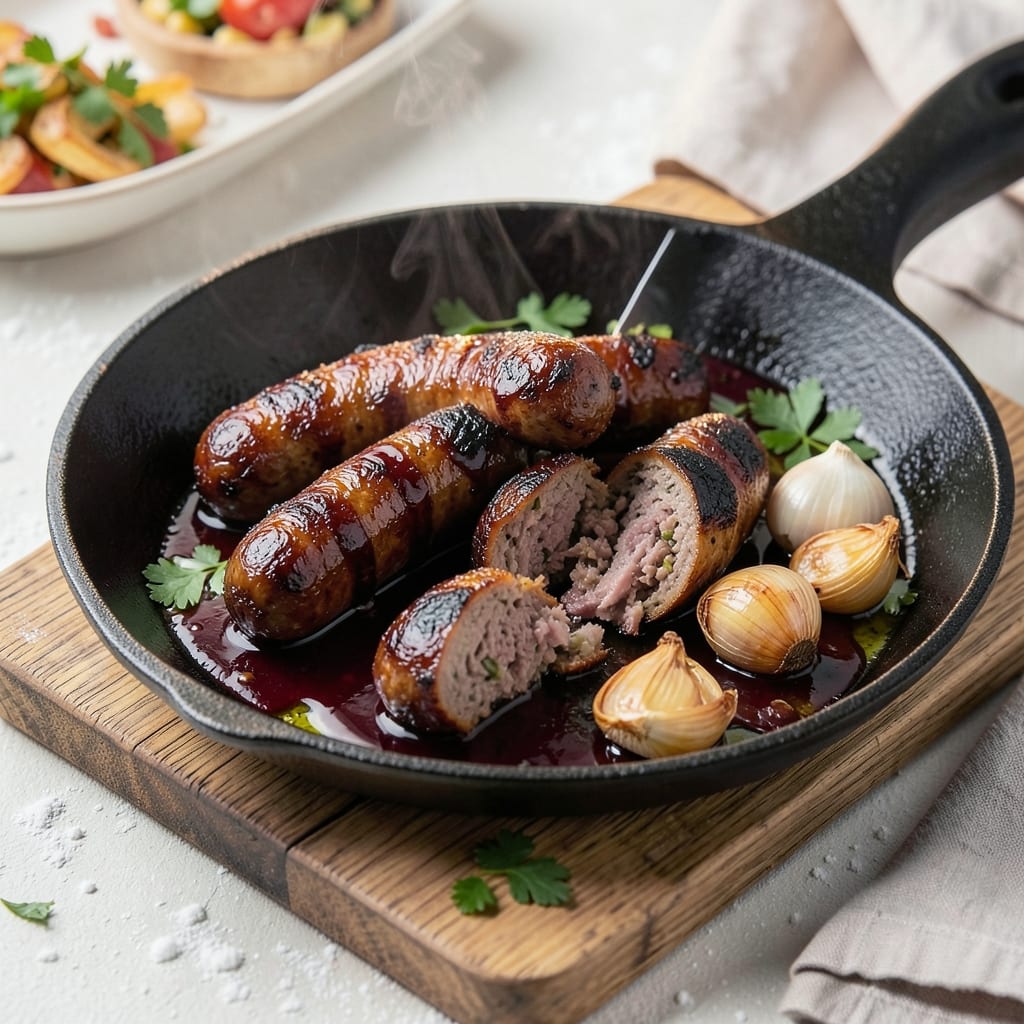
This Australian beef sausage recipe delivers the rich, smoky flavor of classic snags—perfectly braised in one pot with aromatic herbs and spices. The secret lies in slow-cooking the sausages until tender and infused with deep, savory notes, a technique that transforms simple ingredients into a restaurant-worthy dish. Whether you're making traditional Coon sausages or experimenting with gourmet fillings, this method ensures juicy, flavorful bites every time.
The beauty of this recipe is its versatility—you can grill, pan-fry, or braise the sausages, depending on your preference. For an authentic taste, I recommend using high-quality Australian beef sausage meat, though you can also make your own if you're feeling adventurous. The slow braising process allows the flavors to meld together, creating a dish that's hearty enough for a main course but simple enough for a weeknight dinner.
By the end, you'll have smoky herb-braised sausages with a tender, juicy texture and a rich, aromatic sauce that pairs beautifully with sides like damper, roasted vegetables, or a fresh salad. The one-pot method means minimal cleanup, and the result is a dish that feels both rustic and refined—ideal for feeding a crowd or enjoying a cozy meal at home.
This recipe works equally well for classic Coon or Cheddar sausages, or you can get creative with gourmet fillings like garlic and herb or even spiced lamb for a modern twist. The braising technique ensures the sausages stay moist and flavorful, making it a foolproof method for achieving perfect results every time.
Ingredients for australian beef sausage
High-quality sausages and aromatic herbs create restaurant-worthy flavor in one pot.
| Ingredient | Amount | Notes |
|---|---|---|
| Australian Beef Sausages 🥓 | 1 ½ lb | High-quality, Coon or Cheddar variety preferred |
| All-Purpose Flour 🌾 | ¼ cup | For thickening the braising liquid |
| Beef Broth 💧 | 2 cups | Low-sodium preferred for flavor control |
| Red Wine 🍷 | ½ cup | Dry Shiraz or Cabernet Sauvignon recommended |
| Tomato Paste 🍅 | 2 tbsp | High-quality, no sugar added |
| Garlic Cloves 🧄 | 6 cloves | Minced finely for deep flavor infusion |
| Fresh Rosemary 🌿 | ¼ cup | Chopped, stems removed for aromatic quality |
| Fresh Thyme 🌿 | ⅛ cup | Leaves only, finely chopped |
| Bay Leaves 🍃 | 2 whole | Fresh preferred for optimal aroma |
| Olive Oil 🫒 | 2 tbsp | Extra-virgin for searing sausages |
| Kosher Salt 🧂 | 1 ½ tsp | Diamond Crystal preferred for precise measurement |
| Ground Black Pepper 🌶️ | ½ tsp | Freshly cracked for enhanced flavor |
| Brown Sugar 🍯 | 1 tbsp | Lightly packed for balanced sweetness |
The sausages are the foundation of this dish, so quality matters. Australian Coon or Cheddar sausages deliver that signature smoky depth, but you can also use high-quality beef sausages from your local butcher. For an authentic touch, look for brands like Morton's or Glen's, available at specialty stores or online. If you're feeling ambitious, you can even make your own sausage meat—just ensure it's well-seasoned with a mix of coarse black pepper, coriander, and a touch of nutmeg. The key is to avoid pre-cooked sausages, as they won't absorb the braising flavors as effectively.
No red wine on hand? Dry white wine or additional beef broth works in a pinch, though the depth of flavor will differ slightly. Fresh herbs elevate this dish, but dried rosemary and thyme at one-third the amount are acceptable substitutes if needed. For the tomato paste, high-quality brands like Mutti or Barilla make a noticeable difference—avoid the watery, low-quality varieties. The garlic should be freshly minced just before adding to the pot to maximize its aromatic impact. If you're short on time, pre-minced garlic from a jar works, though it lacks the same freshness.
This braised sausage dish reheats beautifully, making it perfect for meal prep. Store leftovers in an airtight container in the refrigerator for up to 4 days, or freeze for 3 months by portioning into individual servings. The flavors deepen overnight, so it's even better the next day. For serving, pair with crusty bread or damper to soak up the rich sauce. The sauce itself can be reduced further for a thicker consistency if you prefer—simply simmer uncovered for an additional 10-15 minutes.
Why You'll Love This Recipe
- One-Pot Magic: I swear by this recipe because it’s basically set and forget—just brown the sausages, toss in the flour, broth, and wine, then let it simmer. No chopping, no fuss, and the tomato paste thickens it into a rich, glossy sauce without extra effort.
- Wine-Infused Richness: That splash of red wine? It’s not just for show—it deepens the sauce into something dangerously flavorful, balancing the savory beef and earthy tomato. Honestly, the first time I tasted it, I nearly spilled my glass of wine in shock.
- Weeknight to BBQ Hero: This recipe works anywhere—weeknight dinners, backyard BBQs, or even a quick lunch. The sausages hold up perfectly whether you’re serving it over mashed potatoes or straight from the pan with crusty bread. (Yes, even on a Tuesday night.)
- Budget-Friendly Leftovers: Australian beef sausages are a steal, and this recipe stretches them into three satisfying meals. The sauce freezes like a dream, so you’re not stuck eating the same thing twice—just reheat and enjoy. My wallet (and my family) thank me every time.
Step-by-step instructions for smoky herb-braised Australian beef sausages
This one-pot method transforms simple sausages into restaurant-quality bites with deep herb-infused flavor.
Sear the Sausages for Maximum Flavor
Heat a large Dutch oven over medium-high heat until hot. Add the 2 tablespoons olive oil and swirl to coat the bottom evenly. Place the 1.5 lb Australian Beef Sausages in a single layer, leaving space between each. Sear undisturbed for 4-5 minutes until they develop a deep golden-brown crust on all sides.
Here's the thing—don't move them during the first few minutes. This allows the Maillard reaction to create those rich, caramelized flavors that form the base of our sauce. Once browned on all sides, transfer the sausages to a plate and set aside. You'll notice the bottom of the pot now has beautiful browned bits—this is pure flavor we'll incorporate later.
Build the Herb-Braised Base
Reduce heat to medium and add the 6 cloves minced garlic cloves, cooking for 30 seconds until fragrant. Immediately add the 2 tablespoons tomato paste and stir vigorously for 1 minute to prevent burning. This creates a rich foundation for our sauce.
Next, sprinkle in the 0.25 cup all-purpose flour and stir constantly for 2 minutes until the mixture turns the color of wet sand. This creates a roux that will thicken our braising liquid beautifully. Be patient—if it darkens too quickly, reduce heat slightly to prevent burning. The flour will absorb the rendered fats from the sausages, creating a velvety texture.
Develop the Braising Liquid
Pour in the 0.5 cup red wine and scrape up all the browned bits from the bottom of the pot with a wooden spoon. This deglazing step captures all the flavor we've built so far. Let the wine simmer for 3 minutes until reduced by half, allowing the alcohol to cook off and intensify the flavors.
Add the 2 cups beef broth, 1.5 teaspoons kosher salt, 0.5 teaspoon ground black pepper, and 1 tablespoon brown sugar. Stir well to combine, then add the 2 whole bay leaves, 0.25 cup chopped fresh rosemary, and 0.125 cup chopped fresh thyme. Bring to a gentle simmer, then return the sausages to the pot, turning them to coat in the liquid.
Braise Until Tender and Infused
Cover the Dutch oven and transfer to a preheated 325°F oven. Braise for 45-50 minutes, turning the sausages occasionally, until they're fork-tender and the sauce has thickened to a glossy consistency. The sausages should be cooked through with an internal temperature of 160°F.
Here's where the magic happens: the low oven temperature allows the sausages to absorb all those aromatic herbs and spices while maintaining their juiciness. The sauce should coat the back of a spoon and have a beautiful, glossy sheen. If it reduces too quickly, add a splash of water or broth to maintain the proper consistency.
Finish and Serve with Herb Garnish
Remove the sausages from the pot and transfer them to a serving platter. Tent loosely with foil to keep warm while you finish the sauce. Increase the heat to medium-high and simmer the braising liquid uncovered for 5-7 minutes until it reaches your desired thickness.
Strain the sauce through a fine-mesh sieve to remove any herb stems or bay leaves, then return it to the pot. Taste and adjust seasoning if needed—you might want to add a pinch more salt or a splash of red wine vinegar for brightness. Serve the sausages smothered in the herb-infused sauce, garnished with additional chopped fresh rosemary and thyme for a pop of color and freshness.
Pro Tips For Making Australian Beef Sausage
- Sear the Sausages First: I used to toss them straight into the sauce, but browning the sausages in a hot pan for 2-3 minutes before adding anything else builds flavor—those caramelized bits stick to the pan and turn into a rich, meaty base for the sauce. (Yes, even if you’re impatient like me.)
- Dust the Sausages with Flour: Skip the pre-made coatings—lightly coat the sausages in all-purpose flour before searing. It creates a crispy crust that soaks up the wine and broth later, giving you that perfect balance of texture and sauce adhesion. (This isn’t the prettiest method, but it’s the tastiest.)
- Deglaze with Wine Early: Don’t wait until the end to add the red wine—pour it in as soon as you remove the sausages from the pan. The alcohol burns off faster when the pan is still hot, leaving behind deeper, fruitier flavors instead of that harsh, boozy aftertaste. (Your future self will thank you.)
- Simmer the Tomato Paste: After adding the tomato paste, let it cook for a full 1-2 minutes before stirring in the beef broth. This prevents clumping and ensures the paste fully incorporates into the sauce, giving it that smooth, velvety consistency instead of a grainy texture. (I skip this when I’m lazy, but the dish is noticeably better when I don’t.)
Pro cooking tips for australian beef sausage
Searing Perfection
For maximum flavor, sear your sausages in a hot Dutch oven with extra-virgin olive oil until they develop a deep golden-brown crust. The key is patience—let them cook undisturbed for 4-5 minutes per side to trigger the Maillard reaction, creating those rich, caramelized flavors that form the sauce's foundation. I always use a heavy-bottomed Dutch oven like Le Creuset to ensure even heat distribution. 🔥
Deglazing Secrets
After searing, never ignore those flavorful browned bits at the bottom of your pot! Pour in ½ cup dry red wine (Shiraz works best) and scrape vigorously with a wooden spoon to lift all those caramelized particles. This deglazing step transforms scraps into sauce—it's where the magic happens. Let the wine reduce by half before adding broth to concentrate the flavors. I've learned the hard way that rushing this step means missing out on deep, complex taste.
Herb Infusion
Fresh herbs make all the difference in this recipe. Add rosemary and thyme only after the braising liquid comes to a simmer—their delicate flavors will mellow beautifully during the long cooking process. For extra aroma, I like to bruise the herbs slightly by lightly crushing them between my fingers before adding. This releases their essential oils and intensifies their flavor in the sauce. 🌿
Temperature Control
Braising at 325°F in the oven is crucial for tender, juicy sausages. This low-and-slow method allows the connective tissues to break down while preventing the sausages from drying out. I use an oven thermometer to verify accuracy—some ovens run hot or cold. The sausages should reach 160°F internal temperature when done. If your oven runs hot, reduce the temperature slightly to 300°F to maintain gentle cooking.
Sauce Thickening
The flour roux is what gives this braised sausage its velvety texture. Whisk in ¼ cup all-purpose flour after cooking the garlic and tomato paste, then stir constantly for 2 minutes until it reaches a wet sand color. This creates a smooth, thick sauce that clings beautifully to the sausages. For extra richness, I sometimes add 1 tablespoon cold butter at the end to finish the sauce—it adds a lovely sheen and depth of flavor.
Resting Technique
After braising, let the sausages rest for 10 minutes before serving. This crucial step allows the juices to redistribute throughout the meat, preventing them from leaking out when you cut in. I always tent them loosely with foil to keep them warm while I finish the sauce. The resting time also lets the flavors meld completely, resulting in that perfect balance of herbaceousness and meaty richness that makes this dish so special. ✨
Nutrition facts
Frequently asked questions
What makes Australian beef sausages different from regular sausages?
Australian beef sausages, like Coon or Cheddar varieties, use coarse-ground beef and are seasoned with fresh herbs, peppercorns, and sometimes nutmeg—no fillers! The texture is chunkier and more rustic than smooth American sausages. They also have a distinctive smoky, herbaceous flavor from traditional seasoning blends.
Can I use frozen sausages in this recipe?
Yes, but thaw them completely in the fridge first—never at room temperature. Frozen sausages work fine, though fresh ones absorb the braising flavors better. For best results, use high-quality frozen sausages labeled "suitable for braising" to avoid dryness.
How do I know when the sausages are fully cooked?
Use a meat thermometer to check for 160°F internal temperature—this ensures they're safe and juicy. The braising process should make them fork-tender, but always verify with heat. Overcooking can make them dry, so aim for 45-50 minutes at 325°F.
What's the best way to store leftovers?
Cool the sausages and sauce completely, then store in an airtight container for up to 4 days in the fridge. For longer storage, freeze for 3 months. Reheat gently in a skillet with a splash of broth to restore moisture. The flavors actually improve overnight!
Can I make these sausages on the grill instead of braising?
Grill them over medium heat for 12-15 minutes, turning occasionally, until browned. For extra flavor, baste with the same herb-infused sauce during the last 5 minutes. Just be careful not to overcook them—they'll continue cooking after removal.