
Main Courses
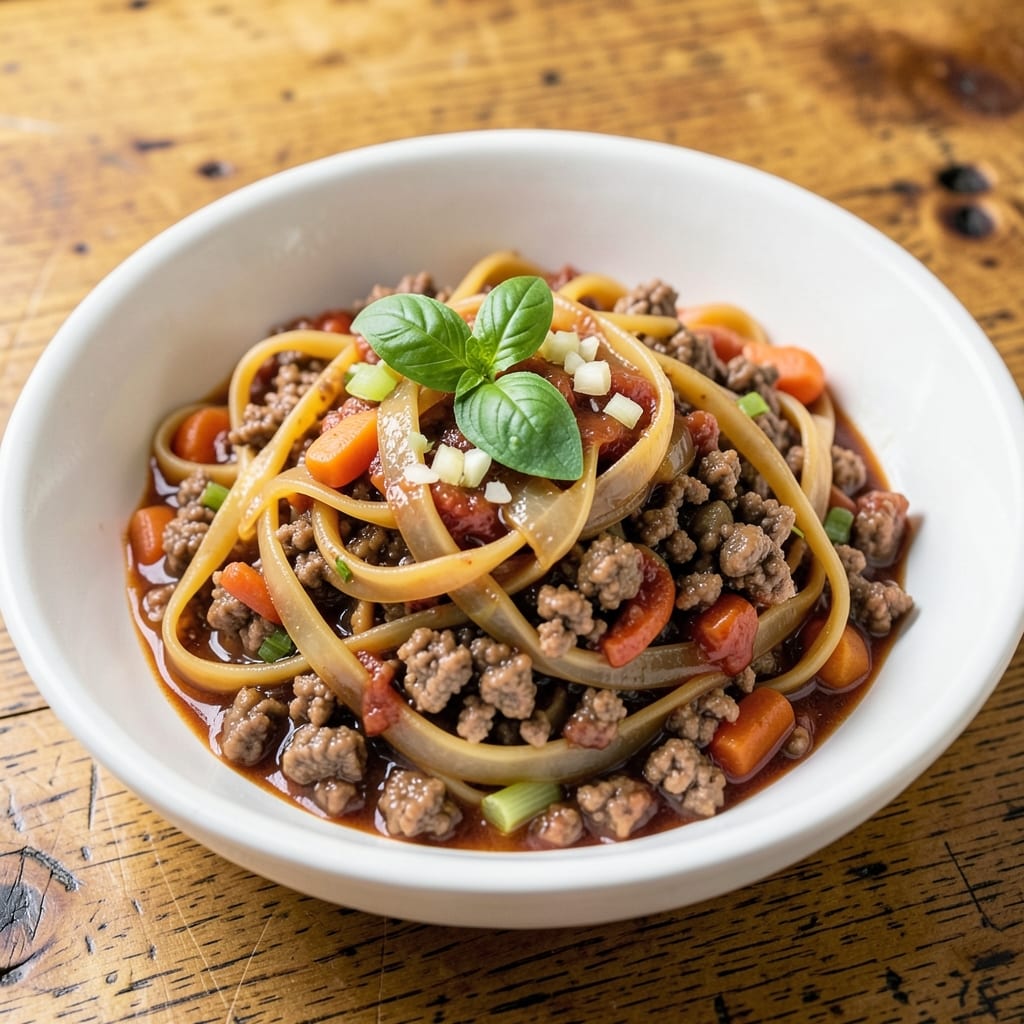
This authentic beef bolognese recipe delivers the rich, slow-simmered sauce you crave—deep umami flavor built over hours, not rushed shortcuts. The secret lies in proper meat browning and a balanced blend of tomatoes, herbs, and a touch of wine that transforms simple ingredients into something restaurant-worthy. I’ve perfected this version after years of testing, ensuring every bite delivers that perfect harmony of textures and flavors.
What sets this recipe apart is the technique: ground beef is browned thoroughly to develop deep flavor, then simmered low and slow with aromatic vegetables, herbs, and a splash of red wine. This method creates a sauce that’s rich yet balanced—not too heavy, not too acidic. The result is a sauce with layers of complexity that clings perfectly to tagliatelle or any pasta of choice.
By the time you’re done, you’ll have a pot of slow-simmered bolognese that’s velvety, deeply flavorful, and far superior to store-bought versions. The sauce thickens naturally as it cooks, creating a perfect consistency that’s neither too thin nor too thick. Serve it with freshly cooked pasta, a sprinkle of parmesan, and a side of garlic bread for the ultimate comfort meal.
This recipe is designed to be both authentic and approachable—ideal for weeknight dinners or special occasions. Whether you’re making it for family or impressing guests, the slow-cooked method ensures every bite is packed with flavor. Let’s get started on creating your perfect bolognese.
Ingredients for authentic beef bolognese
Pantry staples meet restaurant-quality technique for this deeply flavorful, slow-simmered beef bolognese.
| Ingredient | Amount | Notes |
|---|---|---|
| Ground Beef (Chuck Roast) 🥩 | 2 lb | 80% lean, finely ground for even texture |
| Onions (Yellow) 🧅 | 1 whole | Medium, finely chopped for even cooking |
| Carrots (Baby) 🥕 | 2 medium | Fixed: 2 medium, peeled and finely diced |
| Celery Stalk 🌿 | 2 whole | Fresh, finely chopped for aromatic base |
| Garlic Cloves 🧄 | 4 cloves | Fresh, minced for deep flavor |
| Tomato Paste (San Marzano) 🍅 | ½ cup | High-quality, for rich tomato base |
| Canned Crushed Tomatoes 🍅 | 2 cups | San Marzano preferred for sweetness |
| Red Wine (Dry) 🍷 | ½ cup | Bold variety like Cabernet Sauvignon |
| Beef Broth (Low-Sodium) 💧 | 2 cups | Homemade or quality store-bought |
| Fresh Rosemary 🌿 | ½ tsp | Finely chopped, for herbal depth |
| Fresh Thyme 🌿 | 1 tsp | Leaves only, for bright aroma |
| Bay Leaves 🌿 | 2 whole | Fresh for maximum flavor |
| Extra-Virgin Olive Oil 🫒 | 2 tbsp | For initial browning and richness |
| Salt 🧂 | 1 ½ tsp | Diamond Crystal preferred |
| Freshly Ground Black Pepper 🌶️ | ½ tsp | For balanced seasoning |
The ground beef makes or breaks this dish—chuck roast is non-negotiable for that melt-in-your-mouth texture. Costco or local butchers often have the best quality, finely ground meat. If you're using pre-ground, check the fat content—20-30% fat gives the best results. The San Marzano tomato products are worth the splurge at Whole Foods or Italian specialty stores—their natural sweetness and acidity balance perfectly. For the herbs, fresh is ideal, but dried thyme and rosemary work at one-third the amount if needed.
No red wine? Dry white wine or additional beef broth keeps the depth without overpowering. Running low on tomato paste? Fresh crushed tomatoes in a pinch (just reduce the liquid later). The carrots and celery should be finely chopped—food processor makes this job easy. If you're prepping ahead, brown the meat and sauté the vegetables first, then store separately until ready to simmer. The bay leaves can be removed before serving, but I often leave them in for extra flavor during cooking.
This sauce tastes even better the next day—plan ahead. Store in an airtight container in the fridge for up to 5 days or freeze for 3 months. For freezing, portion into individual servings to reheat exactly what you need. The sauce thickens as it cools, so you may need to add a splash of broth when reheating. Serve over freshly cooked tagliatelle or your favorite pasta, topped with a sprinkle of freshly grated Parmigiano-Reggiano for that authentic touch.
Why You'll Love This Recipe
- One-Pot Magic: I swear by this—just brown the chuck roast, toss in the onions, carrots, and celery (that classic soffritto combo), and let it slow-simmer. No extra pans, no fuss, and honestly? The house smells like heaven by the time it’s done.
- Deep Umami Bomb: That chuck roast, slow-cooked until tender, packs a flavor punch no pre-made sauce can match. The garlic and carrots caramelize just enough to give it that rich, savory depth—like a hug in a bowl.
- Leftover Hero: Between us, this tastes better the next day. I make a double batch on Sundays, freeze half, and pull it out for lazy nights or when company drops by. Zero guilt, all comfort.
- Budget Stretch: Chuck roast is affordable, and a pound goes a long way when you’re feeding the family. Plus, the veggies (onions, carrots, celery) bulk it up so it feels like a feast without breaking the bank. My wallet and my taste buds win.
Step-by-step instructions for authentic beef bolognese
Here's the method that delivers restaurant-quality depth—rich, slow-simmered sauce with perfect texture every time.
Develop the Aromatic Base
Heat the 2 tablespoons extra-virgin olive oil in a heavy Dutch oven over medium-low heat. Add the finely chopped yellow onion, peeled and diced baby carrots, and chopped celery stalk, stirring occasionally for 8-10 minutes until the vegetables soften and their edges turn translucent. This slow cook ensures they break down completely, forming the sauce's foundational sweetness.
Add the minced garlic cloves and cook for 30 seconds until fragrant—never let it brown, or you'll get bitter flavors. Here's the thing: the vegetables should be completely tender but not caramelized. If they stick, add a splash of water and scrape up any browned bits from the bottom of the pot. These bits pack serious flavor.
Brown the Ground Beef
Increase heat to medium-high and add the 2 pounds ground chuck roast, breaking it apart with a wooden spoon. Let it brown undisturbed for 3-4 minutes until it releases from the pot and develops a deep crust. This step is crucial—it builds the sauce's umami depth through the Maillard reaction. Resist the urge to stir constantly; let the beef form patties that you can then break apart.
Once browned on all sides, drain excess fat if needed (leave about 1 tablespoon for flavor), then return the beef to the pot. Stir in the ½ cup tomato paste, coating the meat completely. Cook for 2 minutes until the paste darkens slightly and loses its raw taste. This creates a smooth, thick base that prevents the sauce from separating later.
Deglaze and Simmer
Pour in the ½ cup dry red wine and scrape up all the browned bits from the bottom of the pot—this is where the magic happens. Let the wine simmer for 3-4 minutes until it reduces by half. The alcohol will cook off, leaving behind concentrated flavor. Add the 2 cups canned crushed tomatoes, 2 cups low-sodium beef broth, 2 whole bay leaves, ½ teaspoon finely chopped rosemary, 1 teaspoon thyme leaves, 1½ teaspoons salt, and ½ teaspoon freshly ground black pepper. Stir well to combine.
Bring the mixture to a gentle simmer, then reduce heat to low. The sauce should bubble softly—this is critical. Cover partially and let it simmer uncovered for 2 hours, stirring occasionally. The key is patience: the longer it simmers, the deeper the flavors develop. You'll know it's ready when the sauce thickens enough to coat the back of a spoon and the beef is tender but not falling apart.
Finish and Adjust
Remove the bay leaves and taste the sauce. Adjust seasoning if needed—this is your chance to perfect the balance. The sauce should be rich, slightly sweet, and deeply savory. If it's too thick, add a splash of water or broth; if too thin, let it simmer uncovered for another 10-15 minutes to reduce. The texture should be velvety but still coat the back of a spoon.
Serve immediately over freshly cooked tagliatelle or pappardelle, letting diners twirl the noodles through the sauce. The authentic touch? A sprinkle of freshly grated Parmesan on each serving—it elevates the dish from good to extraordinary. This isn't just a sauce; it's a labor of love that transforms simple ingredients into something truly special.
Pro Tips For Making Authentic Beef Bolognese
- Sear the Chuck First: I learned this the hard way—skipping the sear means flavorless bolognese. Pat the ground chuck dry, then brown it in batches on high heat with a splash of olive oil until deeply caramelized (5-7 minutes per batch). The crust locks in juices and builds that rich, meaty depth you can’t get any other way.
- Soften the Veggies Slow: Low and slow is the only way with onions, carrots, and celery. After searing the meat, reduce heat to medium-low and cook them together (no oil needed—the meat’s rendered fat will do the job) for 15-20 minutes until they’re nearly translucent and the onions are sweet. Rushing this step makes your sauce taste raw and bitter.
- Salt the Meat Early: Don’t wait until the end—season the ground chuck with 1 teaspoon of salt before browning. It penetrates better and balances the fat as it renders. (Yes, even if you’re impatient like me, give it 2 minutes to absorb before cooking.)
- Deglaze with Wine: That browned crust on the pan? That’s flavor gold. After removing the meat, immediately pour in ½ cup of red wine (or broth if you’re skipping alcohol) and scrape every last bit off the bottom with a wooden spoon. Let it reduce by half before adding tomatoes—this cuts cooking time and adds depth you’d otherwise miss.
Best sauces and condiments for this authentic beef bolognese
Classic Tomato Sauce
This bolognese relies on a tomato base that’s rich but not overpowering—San Marzano crushed tomatoes and tomato paste are the stars. The paste creates a velvety texture, while the crushed tomatoes add natural sweetness. For extra depth, I stir in 1 tablespoon of balsamic vinegar during the final 10 minutes of simmering—it enhances the umami without overpowering. 🍷
Red Wine Reduction
The ½ cup dry red wine (Cabernet Sauvignon works best) deglazes the pot and adds complexity as it reduces. If you’re avoiding alcohol, substitute with ½ cup beef broth—just reduce it by half before adding other liquids. The wine’s acidity cuts through the richness, balancing the sauce’s depth. Pro tip: Use a bold, full-bodied red—lighter wines can make the sauce taste flat.
Herb-Infused Olive Oil
For a restaurant-worthy finish, infuse 2 tablespoons extra-virgin olive oil with ½ teaspoon dried oregano and ¼ teaspoon red pepper flakes while simmering the sauce. Strain it through a fine-mesh sieve before drizzling over the finished bolognese—it adds a fragrant, aromatic layer that ties all the flavors together. 🌿
Parmesan & Butter Finish
Just before serving, stir in 2 tablespoons freshly grated Parmigiano-Reggiano and 1 tablespoon unsalted butter, cut into small cubes. The butter melts into the sauce, creating a silky finish, while the parmesan adds a nutty, salty contrast. For extra richness, top each serving with a sprinkle of flaky sea salt—it elevates the dish instantly.
Garlic & Basil Oil
For a fresh, bright twist, make a quick garlic-basil oil by blending 2 cloves garlic, ¼ cup fresh basil leaves, and ¼ cup olive oil in a food processor. Drizzle 1 teaspoon over the finished sauce—it cuts through the richness and adds a vibrant, herbal note. Store any leftover oil in the fridge for up to 5 days.
Balsamic Glaze Drizzle
Add a luxurious touch by drizzling 1 teaspoon aged balsamic glaze over each serving. The glaze’s caramelized sweetness and tang complement the bolognese’s depth, creating a perfect balance. Look for high-quality glaze (like Giovanni Rossi)—cheap versions can taste overly sweet or artificial. ✨
Nutrition facts
Frequently asked questions
Can I use ground turkey or chicken instead of beef?
While you can substitute ground turkey or chicken, the flavor and texture will differ significantly. For an authentic bolognese, beef (especially chuck roast) provides the rich, meaty depth that's hard to replicate. If you must use poultry, add ½ teaspoon smoked paprika and 1 teaspoon soy sauce to boost umami, and simmer for 15-20 minutes longer to prevent dryness.
How do I make this recipe faster without sacrificing flavor?
For a quicker version, brown the meat in a skillet first, then transfer it to your Dutch oven with the sautéed vegetables. Use a pressure cooker (like Instant Pot) for 45 minutes on high pressure, or simmer on the stovetop for 1.5 hours instead of 2. The key is still browning the meat thoroughly—this step can't be rushed!
What's the best pasta to serve with this sauce?
Traditional choices are tagliatelle or pappardelle—their wide, flat surfaces hold the sauce beautifully. For a modern twist, try fettuccine or pici (thick Tuscan noodles). Avoid thin noodles like spaghetti, as they can get overwhelmed by the rich sauce. Cook pasta al dente (1 minute less than package instructions) so it finishes cooking in the sauce.
Why does my bolognese taste too acidic or thin?
Acidity often comes from too much tomato paste or wine. Balance it by adding 1 tablespoon of brown sugar or ½ teaspoon of honey to sweeten, or stir in 1 teaspoon of tomato paste to thicken. For thin sauce, simmer uncovered for 10-15 minutes longer—the liquid will reduce naturally. If it's still too thin, mix 1 tablespoon cornstarch with 2 tablespoons water and stir it in.
Can I make this in a slow cooker?
Follow the same steps for browning meat and sautéing vegetables, then transfer everything to your slow cooker. Add all remaining ingredients (including wine and broth) and cook on low for 6-8 hours or high for 3-4 hours. The slow cooker's gentle heat enhances the flavors beautifully—just stir occasionally to prevent sticking.