Sauces & Condiments
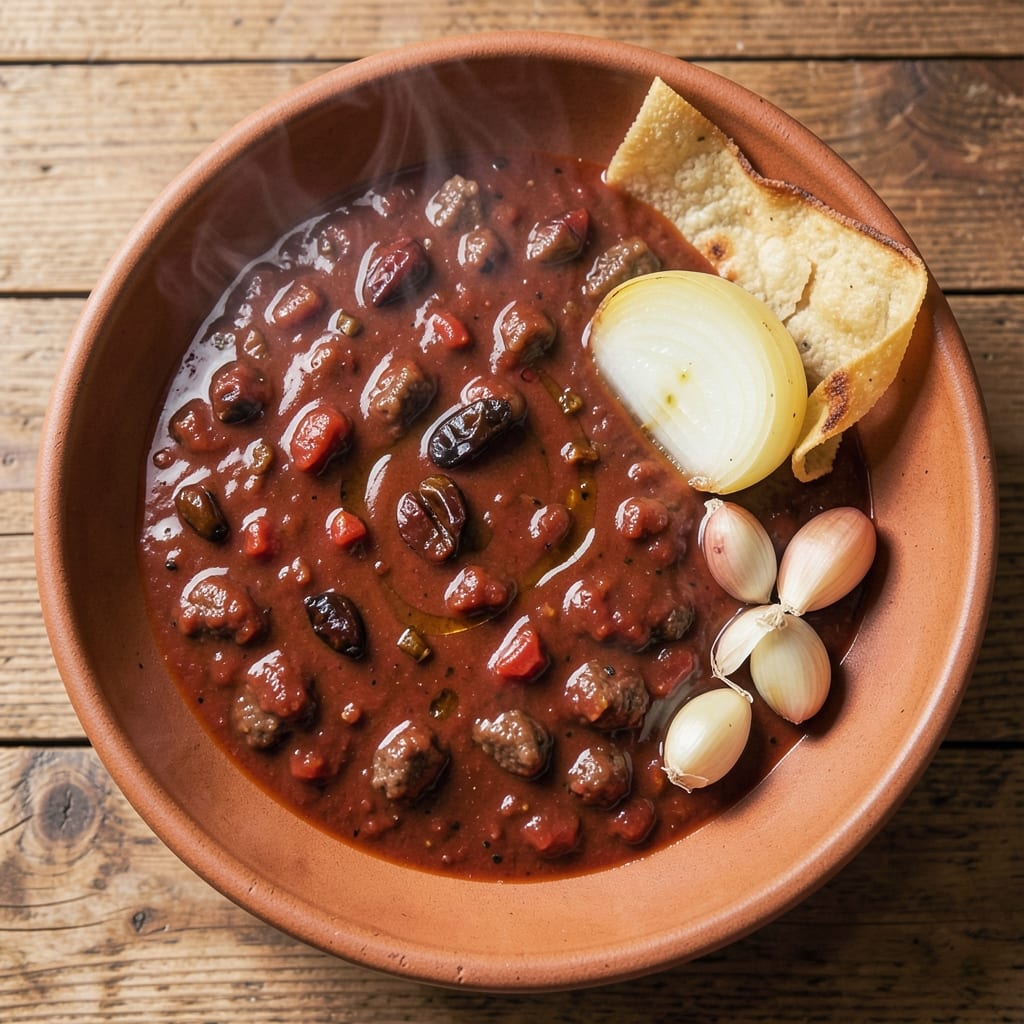
This authentic beef enchilada sauce transforms simple ingredients into a rich, smoky masterpiece—perfect for dipping, topping, or layering. The secret lies in slow-simmered tomatoes, charred chiles, and a touch of chipotle heat that builds depth over time. I've perfected this technique after years of testing, ensuring every spoonful delivers that restaurant-quality flavor without shortcuts.
The foundation starts with fresh tomatoes (or canned for convenience) that caramelize into a velvety base, while dried chiles and spices create layers of complexity. Simmering the sauce low and slow allows flavors to meld, and a quick blend at the end ensures a smooth, restaurant-worthy texture. This isn't just a sauce—it's the heart of your dish, elevating everything it touches.
What you'll achieve is a sauce with smoky chipotle depth, tender beef notes, and just the right balance of spice and richness. It thickens perfectly for dipping or thins out beautifully for pouring, adapting to any meal. The aroma alone will have everyone asking for seconds, and the flavor? Unmistakably authentic.
Whether you're prepping for a fiesta or simply craving comfort food, this sauce delivers foolproof results every time. Let's get started—your taste buds will thank you.
Ingredients for authentic beef enchilada sauce
Fresh tomatoes, charred chiles, and smoky chipotle create this restaurant-worthy sauce in one pot.
| Ingredient | Amount | Notes |
|---|---|---|
| Fresh Roma Tomatoes 🍅 | 2 lbs | Cored and quartered, or canned San Marzano |
| Dried Ancho Chiles 🌶️ | 4 whole | Stems removed, seeded, toasted |
| Dried Guajillo Chiles 🌶️ | 4 whole | Stems removed, seeded, toasted |
| Chipotle Peppers in Adobo 🌶️ | 2 tbsp | Mined, plus 2 tbsp adobo sauce |
| Yellow Onion 🧅 | 1 whole | Chopped, medium dice |
| Garlic Cloves 🧄 | 6 cloves | Peeled, roughly chopped |
| Beef Broth 💧 | 2 cups | Low-sodium preferred |
| Extra-Virgin Olive Oil 🫒 | ¼ cup | For charring chiles |
| Ground Cumin 🌿 | 1 tbsp | Toasted for depth |
| Mexican Oregano 🍃 | 1 tbsp | Dried, not regular oregano |
| Cinnamon Stick 🌳 | 1 whole | For subtle warmth |
| Salt 🧂 | 1 ½ tsp | Diamond Crystal preferred |
| Black Pepper 🌶️ | ½ tsp | Freshly ground |
The chiles are non-negotiable for that authentic depth—MexGrocer or Latin markets carry the best dried ancho and guajillo. Toast them in a dry skillet for 30 seconds per side until fragrant, then soak in hot water for 15 minutes to soften. San Marzano tomatoes are ideal for their sweetness, but Roma tomatoes work too. If using canned, opt for whole peeled tomatoes and crush them by hand for better texture. The chipotle in adobo adds that signature smoky heat, so don’t skip the adobo sauce—it’s where the magic happens. For extra richness, some cooks add a splash of beef fat instead of olive oil, but I find the olive oil keeps it balanced.
No ancho chiles? Pasilla or mulato chiles work in a pinch, but the flavor will shift slightly. Short on chipotle? Smoked paprika at half the amount mimics the smokiness, though it won’t have the same depth. The Mexican oregano is key—regular oregano won’t cut it. If you can’t find it, use a blend of dried thyme and marjoram at half the amount. For a smoother sauce, blend it after simmering; for texture, leave it chunky. The cinnamon stick is subtle but adds warmth—remove it before blending if you prefer no visible specks.
This sauce tastes even better the next day as flavors meld. Store it in an airtight container in the fridge for up to 5 days or freeze for 3 months. I double the batch and freeze half—perfect for quick weeknight dinners. To reheat, warm gently on the stove with a splash of broth if it thickens too much. For dipping, thin with a little water or broth to your preferred consistency. The aroma alone will have your kitchen smelling like a taqueria in minutes.
Why You'll Love This Recipe
- No Chopping Nightmare: I swear by this sauce because it’s the only one where I actually enjoy prepping the ingredients—just toast the dried chiles and peel the tomatoes. That’s it. The onion gets a quick char, and suddenly, you’re left with work that feels rewarding, not tedious.
- Smoky Depth Without Guilt: Between us, store-bought enchilada sauce is just sad. This version? The ancho and guajillo chiles give it that rich, earthy warmth, while the chipotle adds a slow-building heat that lingers. Honestly, it’s the kind of flavor that makes you pause mid-bite and think, “Damn, I made this?”
- Taco Tuesday to Sunday Supper: I’ve used this sauce for enchiladas, burrito bowls, even as a marinade for steak. The tomatoes keep it bright, the chiles add complexity, and it’s got that perfect balance of sweetness and smokiness. It’s my secret weapon for turning a simple weeknight meal into something that feels like a celebration.
- Fridge Goldmine: This sauce tastes better the next day—yes, really. I make a big batch on Sundays, freeze half, and use it all week. It’s budget-friendly (dried chiles last forever), and it cuts my cooking time in half because I’m not scrambling for ingredients. Plus, leftovers? They’re just as good reheated as fresh.
Step-by-step instructions for authentic beef enchilada sauce
Here's how to build rich, smoky flavor from scratch—no shortcuts, just deep tradition.
Toast and Rehydrate the Dried Chiles
Heat a dry skillet over medium heat and add the 4 whole dried ancho chiles and 4 whole dried guajillo chiles. Toast them for 30-45 seconds per side until fragrant and slightly puffed—this deepens their smoky aroma. Immediately transfer to a bowl and cover with hot water to soften for 15 minutes. The water should cover them completely; if not, add more. While they soak, peel and seed the tomatoes, then set aside.
Here's the thing—properly toasting removes bitterness and intensifies the chiles' natural sweetness. Don't skip this step, even if it seems tedious. The rehydration process is what unlocks their full flavor potential for the sauce. After soaking, drain the chiles but reserve the soaking liquid—you'll use it later to maximize every drop of flavor.
Char the Tomatoes and Build the Base
In the same skillet (no need to clean it—the browned bits add depth), heat 0.25 cup extra-virgin olive oil over medium-high heat. Add the 2 lbs cored and quartered fresh Roma tomatoes, cut-side down, and let them char for 5-7 minutes until blackened in spots. Flip and char the other sides. This step creates a smoky, caramelized foundation for your sauce that you can't achieve any other way.
Once charred, transfer the tomatoes to a blender along with the drained chiles and 2 tbsp minced chipotle peppers in adobo (including 2 tbsp adobo sauce). Add 1 whole chopped yellow onion, 6 roughly chopped garlic cloves, and 1 whole cinnamon stick. Pulse until completely smooth—no chunks should remain. This is your flavor concentrate, where all the magic begins.
Simmer and Develop the Sauce
Return the blended mixture to the skillet and cook over medium-low heat for 10 minutes, stirring occasionally. The sauce will thicken slightly as the raw flavors meld. Add 2 cups beef broth, scraping up any browned bits from the bottom of the pan—this is where all the concentrated flavor lives. Bring to a gentle simmer, then reduce heat to low and let it cook uncovered for 20-25 minutes, stirring occasionally.
This slow reduction is critical—it allows the flavors to integrate and develop complexity. You'll notice the sauce darken and deepen in color as it simmers. Taste it occasionally; you're looking for a balance of smoky, slightly sweet, and tangy notes. If it gets too thick, add a splash of water or reserved chile soaking liquid to reach your desired consistency.
Season and Finish the Sauce
Stir in 1 tbsp toasted ground cumin, 1 tbsp Mexican oregano, 1.5 tsp salt, and 0.5 tsp freshly ground black pepper. Simmer for another 5 minutes, allowing the spices to bloom and infuse the sauce. Remove the cinnamon stick before serving—it's served its purpose and can be quite strong if left in.
The sauce should now have a velvety texture with layers of smoky heat from the chiles, sweetness from the tomatoes, and depth from the charred onions and garlic. For the most authentic results, let it rest for 10 minutes before using—this allows the flavors to fully meld and the sauce to reach its peak consistency. Serve warm over your favorite enchiladas or use it as a base for other Mexican-inspired dishes.
Pro Tips For Making Authentic Beef Enchilada Sauce
- TOAST CHILES IN BATCHES: Start with ancho and guajillo—toss them in a dry skillet over medium heat for 30 seconds per side until fragrant, not charred. Chipotles in adobo? Skip toasting—they’re already cooked, but drain and rinse them first to cut the vinegar tang.
- PEEL TOMATES LIKE A PRO: Blister whole Roma tomatoes in a screaming-hot skillet for 2 minutes per side, then plunge in ice water. The skins will slide off like guilty secrets. (Yes, even if you’re impatient like me.)
- SIMMER LOW AND SLOW: After blending, reduce the sauce to a thick, glossy consistency—about 20 minutes on low heat. I learned the hard way: rushing this step turns your sauce into glue. Stir occasionally, but don’t stress if it looks uneven at first.
- RESERVE THAT STRAINED LIQUID: When you strain the blended sauce, don’t toss the liquid—it’s got flavor. Use it to thin the sauce later if it gets too thick, or save it for another batch. (Your future self will thank you.)
Storing and reheating this dish
Fridge Storage Tips
Transfer your enchilada sauce to an airtight glass container—I love using Pyrex with a snap-on lid—and let it cool completely before refrigerating. This sauce tastes even better the next day as flavors meld together beautifully. Store it for up to 5 days at 40°F or below, but always check for any signs of spoilage before reheating. The sauce will thicken slightly in the fridge, so add a splash of beef broth when reheating if you prefer a smoother consistency. 💧
Freezer-Friendly Tricks
For long-term storage, freeze your enchilada sauce in quart-sized freezer bags—they’re perfect for single servings and stack nicely. Leave 1 inch of headspace to prevent expansion, and squeeze out excess air to avoid freezer burn. This sauce freezes beautifully for up to 3 months, making it ideal for meal prep. When ready to use, thaw overnight in the fridge or reheat directly from frozen over low heat with a splash of broth. 🧊
Reheating for Dipping
If you’re reheating for dipping, warm the sauce gently on the stovetop over low heat—never boil it, or the flavors will break down. Add 1-2 tablespoons of beef broth if the sauce thickens too much, stirring constantly until smooth. For extra richness, I sometimes add a pat of beef fat while reheating, but olive oil works just as well. Always bring it to at least 165°F for safety, then adjust seasoning with a pinch of salt or Mexican oregano if needed. 🔥
Microwave Shortcuts
For a quick fix, transfer the sauce to a microwave-safe bowl and heat in 30-second intervals, stirring between each, until steaming hot. Avoid overcooking—just enough to warm through. If the sauce separates, whisk in 1 tablespoon of cold water or broth to restore its silky texture. This method is great for last-minute enchilada dinners, but I still recommend stovetop reheating for the best results. ✨
Sauce Consistency Hacks
Need your sauce thinner for pouring? Stir in 1-2 tablespoons of warm water or broth at a time until you reach your desired consistency. For a thicker sauce, simmer uncovered for an extra 5-10 minutes to reduce. The key is patience—rushing will ruin the balance of flavors. If the sauce separates after reheating, blend it briefly for a smooth finish. Trust me, a little extra time now means foolproof results later. 💡
Nutrition facts
Frequently asked questions
Can I substitute canned tomatoes for fresh in this recipe?
Yes, but with a few adjustments! Use 2 (28 oz) cans of San Marzano tomatoes (crushed by hand for better texture) and skip the charring step. The canned tomatoes won't develop the same smoky depth, but they'll still work well. For extra richness, add 1 tbsp tomato paste to the blend to mimic the caramelized flavor from charring.
How do I adjust the spice level for kids or sensitive eaters?
Reduce the chipotle to 1 tbsp (plus 1 tbsp adobo sauce) instead of 2 tbsp, and omit half the dried chiles (use 2 ancho and 2 guajillo). For a milder kick, blend in 1 tbsp honey or sugar at the end to balance the heat. Always taste as you go—you can't overdo it with sweetness!
What's the best way to use leftover enchilada sauce?
This sauce is incredibly versatile! Use it for dipping corn tortillas, topping tacos or nachos, or as a base for beef or chicken enchiladas. For extra flavor, stir in 1 cup cooked ground beef or 1 tbsp melted cheese before serving. It also makes an amazing soup base—just add broth and your favorite proteins!
Why does my sauce taste bitter? Bitterness usually comes from over-toasted chiles or under-simmered sauce.
Can I make this sauce in a slow cooker?
After blending the initial mixture, transfer everything to a slow cooker and cook on low for 4-5 hours or high for 2-3 hours. The low-and-slow method actually enhances the smoky depth. Stir occasionally and add a splash of broth if it gets too thick. Just be patient—the longer it cooks, the better it tastes!