
Main Courses
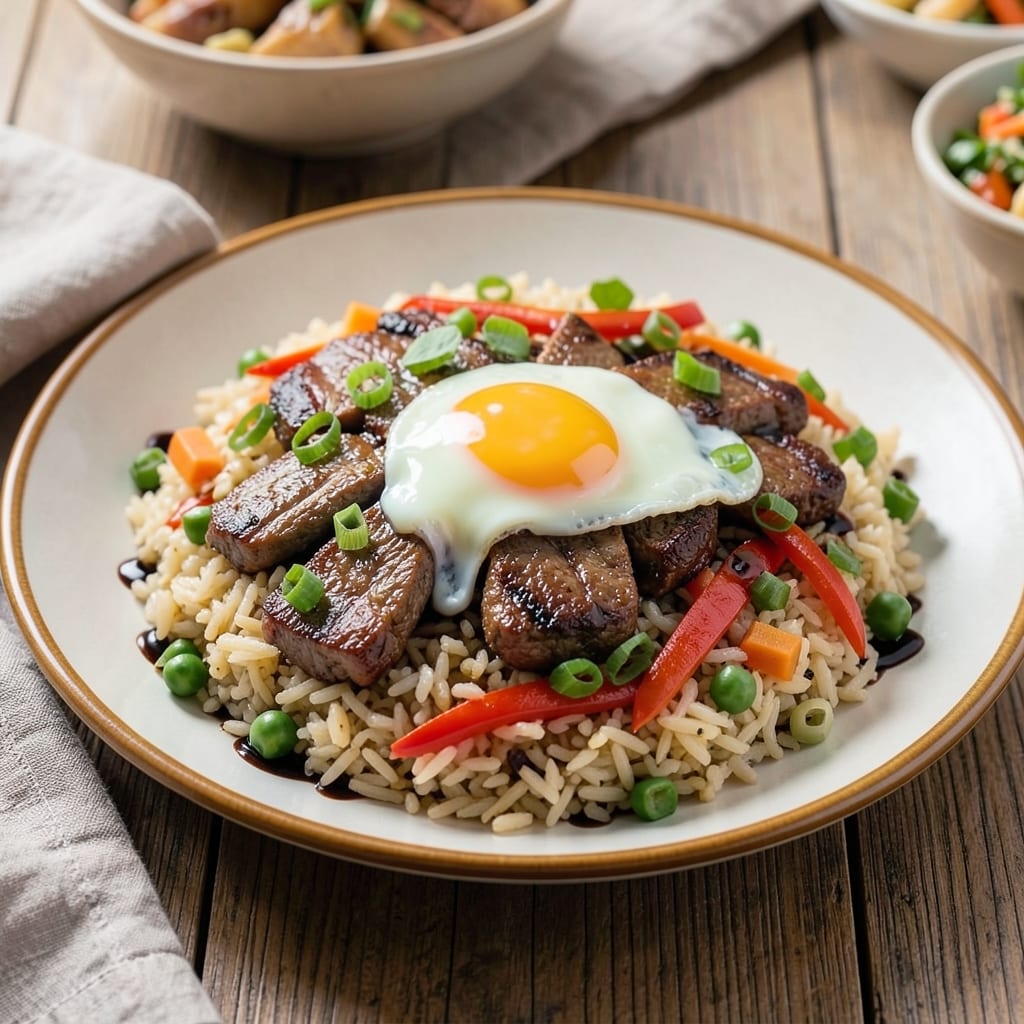
This authentic beef fried rice recipe delivers restaurant-quality flavor with crispy egg-coated beef bites that lock in every savory note. The secret lies in proper rice texture, high-heat stir-frying, and a balance of soy, oyster, and aromatic sauces that transform simple ingredients into a dish worthy of your favorite Chinese takeout. I've perfected this Cantonese-style version through years of testing, ensuring each bite delivers that perfect combination of tender beef, fluffy rice, and umami-packed sauce.
What sets this recipe apart is the egg-crusted beef technique, where raw beef is coated in beaten egg before stir-frying to create a golden, flavor-sealed exterior that stays juicy inside. We'll use day-old jasmine rice for ideal texture, and a wok or large skillet heated to high temperature to achieve that signature smoky wok hei aroma. The sauce combination—soy, oyster, and a touch of sesame oil—builds layers of flavor that penetrate every ingredient.
By following this method, you'll achieve perfectly balanced fried rice with crispy egg-coated beef, tender vegetables, and rice that's neither mushy nor dry. The dish comes together in about 30 minutes, making it ideal for weeknight dinners or meal prep. Garnish with fresh green onions and sesame seeds for added freshness and visual appeal that makes this dish look as impressive as it tastes.
This recipe works equally well as a standalone meal or served with a side of steamed vegetables. The key to success lies in proper rice preparation and high-heat cooking techniques that create that authentic restaurant flavor. Let's get started on creating your own perfect batch of beef fried rice.
Ingredients for authentic beef fried rice
Restaurant-quality beef fried rice starts with these carefully selected ingredients for perfect texture and flavor balance.
| Ingredient | Amount | Notes |
|---|---|---|
| Day-Old Jasmine Rice 🍚 | 4 cups | Cooked and cooled completely |
| Flank Steak 🥩 | 1 lb | Thinly sliced against grain |
| Large Eggs 🥚 | 3 whole | Beaten for coating |
| Green Onions 🧅 | ½ cup | White and green parts, chopped |
| Carrots 🥕 | 1 cup | Diced into small pieces |
| Peas 🌿 | ½ cup | Fresh or frozen, thawed |
| Sesame Oil 🫒 | 1 tbsp | Toasted for aroma |
| Light Soy Sauce 🥄 | ¼ cup | Kikkoman preferred |
| Dark Soy Sauce 🥄 | 1 tbsp | For color depth |
| Oyster Sauce 🍜 | 2 tbsp | Lee Kum Kee brand |
| Garlic Cloves 🧄 | 4 cloves | Minced finely |
| Ginger 🌿 | 1 tbsp | Fresh, grated |
| Vegetable Oil 🫒 | ½ cup | High smoke point |
| White Pepper 🌶️ | ½ tsp | Freshly ground |
| Sesame Seeds 🌾 | 1 tbsp | Toasted for garnish |
The flank steak is non-negotiable for authentic texture—thinly sliced against the grain ensures tender bites. Costco or Whole Foods carry excellent cuts, but any well-marbled beef works. For the rice, day-old jasmine rice is essential—fresh rice turns mushy when stir-fried. Cook a full batch the night before and refrigerate uncovered to dry it out. The green onions should be fresh, not wilted—Trader Joe's has the best quality at a reasonable price. Carrots and peas can be frozen for convenience, but fresh peas add a brighter flavor if you're prepping ahead.
No sesame oil? Toasted peanut oil works in a pinch, though it lacks the nutty aroma. Substitute low-sodium soy sauce if needed, but reduce other salt sources. For the oyster sauce, Lee Kum Kee is the gold standard—avoid the watery imitations. The garlic and ginger must be fresh; pre-minced jars lose potency quickly. Want extra umami? Add a teaspoon of fish sauce (ensure it's gluten-free if needed). The flank steak can be swapped for sirloin, but it won't be as tender. For a vegetarian option, replace beef with extra-firm tofu, pressed and cubed.
Store cooked rice in an airtight container for up to 3 days in the fridge—it reheats beautifully. The sesame seeds and green onions keep fresh for 5 days wrapped in paper towels. For meal prep, divide into portions before adding garnishes to keep them crisp. This dish freezes well for 3 months—just thaw overnight in the fridge before reheating. The beef mixture can be prepped ahead and refrigerated for 2 days, making assembly a breeze on busy weeknights.
Why You'll Love This Recipe
- One-Pan Magic: I swear by this—just one skillet, no extra dishes. Toss in the cold rice, sear the flank steak in strips, scramble those eggs right over the heat, and boom. The green onions sizzle last for that fresh finish. My kitchen counter stays clear, and my family stays happy.
- Umami Bomb: That flank steak, thinly sliced and seared just right, melts into the rice with a deep, savory punch. The eggs add richness, while the carrots—yes, they’re sweet here—balance it all. Honestly, the first bite hits like a little flavor explosion, and I’m hooked every time.
- Lunchbox Hero: Between us, this is my go-to for meal prep. Double the batch, pack it in containers, and you’ve got lunch sorted for days. The rice stays separate from the beef and veggies, so it reheats like a dream—no soggy disappointments. My kids actually ask for leftovers.
- Budget Flex: Flank steak stretches far, and day-old rice? That’s just smart. Add a handful of carrots and onions, and you’ve got a meal that feeds four for under $10. I’ll be real: it’s not fancy, but it’s solid, filling, and never lets me down. Even on a tight week, this dish delivers.
Step-by-step instructions for authentic beef fried rice
Master this classic technique for perfectly balanced textures and deep umami flavor.
Prepare the Flavor Base and Protein
Heat the 0.5 cup vegetable oil in a wok over high heat until shimmering. Add the 1 lb flank steak (sliced thinly against the grain) and sear for 2-3 minutes until deep brown and just cooked through. Remove and set aside. In the same wok, add the 4 cloves garlic cloves and 1 tbsp ginger, cooking for 30 seconds until fragrant but not browned. This aromatic foundation is critical for authentic flavor.
Here's the thing—don't overcrowd the wok. Cook the steak in batches if needed to maintain high heat. The goal is to develop a crispy crust on each piece while keeping the interior tender. If the oil smokes excessively, reduce heat slightly but maintain vigorous movement of the wok to prevent burning.
Create the Egg Crust for Maximum Flavor Lock
Return the seared steak to the wok and push it to one side. Add the 3 whole large eggs (beaten) to the empty space. Let them sit undisturbed for 10 seconds to form a thin crust, then scramble quickly with a spatula, folding the eggs over the steak. This technique, called "wok hei," creates a flavorful crust that locks in moisture and enhances texture.
I always use room-temperature eggs for this step—they scramble more evenly. If the eggs stick slightly, add a splash of hot water from the rice cooking process to help release them. The eggs should be just set but still slightly runny in the center when you're done.
Combine All Ingredients with Precision Timing
Add the 4 cups day-old jasmine rice, breaking up any clumps with your spatula. Stir-fry for 1 minute to distribute the egg mixture evenly. Then add the 1 cup carrots, 0.5 cup peas, 0.5 cup green onions, 0.25 cup light soy sauce, 1 tbsp dark soy sauce, 2 tbsp oyster sauce, and 0.5 tsp white pepper. Cook for 2-3 minutes until the vegetables are tender-crisp and the rice is heated through.
This is where the magic happens—each ingredient must be added in sequence for proper flavor development. The dark soy sauce adds color, while the oyster sauce provides that signature umami depth. Taste as you go and adjust seasoning if needed, remembering that the rice will absorb some of the liquid.
Finish with Aromatic Touches
Turn off the heat and stir in the 1 tbsp sesame oil and 1 tbsp sesame seeds. The sesame oil should sizzle slightly from the residual heat, releasing its nutty aroma. This final step elevates the dish from good to exceptional, adding complexity that can't be achieved through cooking alone.
Real talk: Don't skip this step. The sesame oil and seeds provide both visual appeal and that authentic Asian restaurant flavor profile. For best results, use freshly toasted sesame seeds—they'll add a subtle crunch that contrasts beautifully with the tender rice.
Rest and Serve for Perfect Texture
Transfer the fried rice to a serving platter and let it rest for 2-3 minutes. This brief resting period allows the flavors to meld and the rice to absorb any remaining moisture. Serve immediately while still hot, garnished with additional green onions if desired.
Each bite should deliver a perfect balance of textures—crispy steak, tender rice, slight crunch from the vegetables, and that irresistible egg crust. The dish should be seasoned perfectly, with no single flavor overpowering the others. If the rice seems dry after resting, a quick toss with a splash of hot water will restore moisture without diluting the flavors.
Pro Tips For Making Authentic Beef Fried Rice
- STIR-FRY THE RICE FAST: High heat is your friend here—get that wok or pan screaming hot before tossing in the day-old rice. Cold rice sticks to hot surfaces, and you’ll end up with a greasy mess instead of crispy grains. I used to rush this, and my rice would turn into a gluey blob. Two minutes of waiting pays off.
- SLICE STEAK AGAINST THE GRAIN: Cut the flank steak thinly, but don’t just hack at it—slice perpendicular to the grain for tender bites. Thick, chewy strips ruin the texture of fried rice. I learned this the hard way after serving my family rubbery beef. A sharp knife and patience make all the difference.
- SCRAMBLE EGGS SEPARATELY: Push those eggs to the side of the pan and let them cook low and slow until just set. Dumping them in raw will turn your fried rice into an eggy soup. My grandmother swore by this, and she was right: crispy edges on the eggs add texture without overwhelming the dish.
- SAVE TIME WITH FROZEN CARROTS: Fresh carrots are great, but frozen diced carrots (thawed) cut prep time in half and keep the rice from drying out. They’re already uniform in size, so they cook evenly without turning mushy. I skip peeling them—just rinse and chop, and no one will notice the difference.
Essential equipment for this dish
Wok Essentials
A carbon steel wok with a 14-inch diameter is my go-to for authentic fried rice—it heats up quickly and retains heat perfectly. I recommend the De Buyer wok for its durable construction and even heat distribution. If you don't have a wok, a large, heavy-bottomed cast iron skillet (like a Lodge 12-inch) works in a pinch, though it won't give you the same wok hei aroma. 🔥
High-Heat Tools
For stir-frying, use a heat-resistant wooden spatula or silicon spatula—metal utensils can scratch your wok over time. I prefer bamboo spatulas for their natural heat resistance and ease of handling. A tongs set (like OXO Good Grips) is also essential for tossing ingredients without overcrowding the pan. Never use plastic utensils—they melt under high heat!
Rice Prep Tools
To properly prepare your day-old rice, a fine-mesh strainer helps drain excess water after cooking. For cooling rice quickly, I use a large baking sheet lined with parchment paper. A rice cooker (like the Zojirushi NS-L10) is a game-changer for cooking perfect rice every time—it ensures consistent texture and temperature. For chopping vegetables, a sharp chef's knife (like the Mercer Culinary Genesis) and a cutting board (preferably bamboo or plastic) are must-haves. ✨
Sauce Control
Precision measuring is key for balanced flavors. A small measuring spoon set (like OXO Good Grips) ensures accurate sauce ratios. For mixing sauces, a small mixing bowl (preferably glass or ceramic) keeps ingredients at the right temperature. I also keep a small whisk handy for quickly combining soy, oyster, and sesame oil before adding to the wok. A fine-mesh strainer helps remove any lumps from oyster sauce if needed.
Optional Upgrades
For professional results, consider a wok burner (like the Kamado Joe Wok Burner) if you don't have a gas stove—it provides the high, even heat needed for authentic wok cooking. A digital kitchen scale (like OXO Good Grips) helps measure ingredients precisely, especially when working with small quantities of spices. For garnishing, a small bowl for sesame seeds and a pair of kitchen tweezers makes placing them perfectly on top of each serving effortless. 💡
Nutrition facts
Frequently asked questions
Why does the recipe call for day-old rice instead of fresh?
Day-old rice is crucial because fresh rice contains too much moisture, which turns fried rice mushy when stir-fried. The rice absorbs flavors better when slightly dry, and using leftover rice gives you that perfect individual grain texture. If you don't have day-old rice, spread freshly cooked rice on a tray and refrigerate for 1 hour to dry it out.
Can I substitute flank steak with another type of beef?
Yes, but choose thinly sliced cuts like sirloin or ribeye for best results. Flank steak is ideal because it's tender when sliced against the grain. Avoid tougher cuts like chuck—they won't become tender enough during the quick stir-fry. For extra tenderness, marinate the beef in a little soy sauce and cornstarch for 15 minutes before cooking.
What's the secret to getting that crispy egg coating on the beef?
The secret lies in the 10-second rest after adding eggs to the wok. This lets the eggs set slightly before scrambling, creating a flavorful crust. Use room-temperature eggs and maintain high heat—if the wok isn't hot enough, the eggs will steam instead of crisp. The egg mixture should be just set but still slightly runny when you fold it into the beef.
How do I adjust the recipe for spicier fried rice?
Add ½ to 1 teaspoon of chili flakes or 1-2 teaspoons of sriracha when combining the sauces, or stir in 1 tablespoon of chili garlic sauce at the end. For authentic heat, use Sichuan peppercorns (½ teaspoon, toasted and crushed) in the oil before cooking. Remember that the rice will absorb some of the heat, so start conservative and adjust to taste.
Can I make this recipe without a wok?
A large cast iron skillet (12-inch or larger) works perfectly, though you won't get the same wok hei aroma. Use high heat and keep the pan moving constantly to prevent burning. For even better results, preheat your skillet for 5 minutes before cooking. The key is maintaining high heat and working quickly—don't overcrowd the pan or the ingredients will steam instead of sear.