
Main Courses
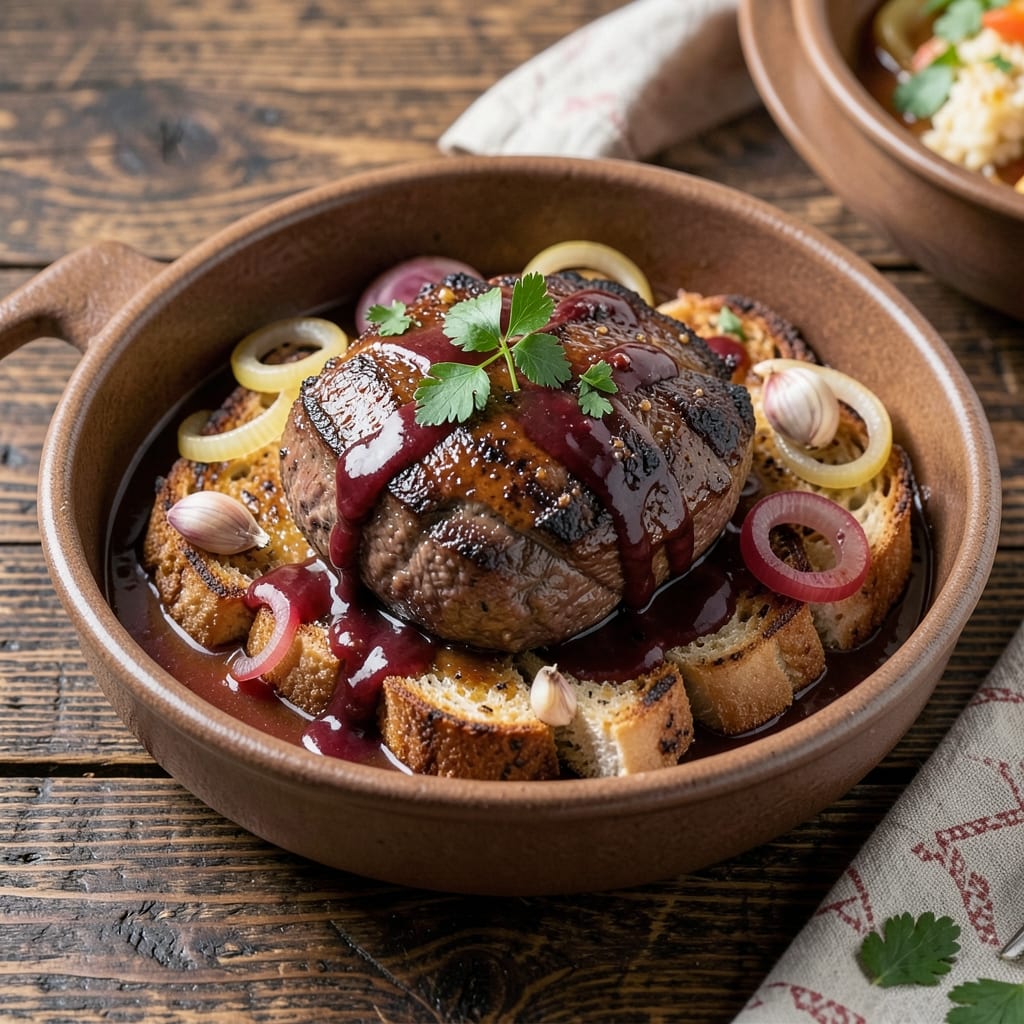
This authentic beef on weck recipe brings the heart of German-American tradition to your kitchen with its perfect marriage of crispy rye bread and slow-cooked beef. The secret lies in the marbled rye loaf—its dense, slightly sweet crumb absorbs rich gravy while forming a golden crust that shatters with every bite. I've perfected this version after years of testing regional variations, ensuring the beef stays juicy and tender despite hours of simmering.
The process begins with selecting the right cut—traditionally brisket or chuck roast—and searing it deeply to lock in flavors before slow-cooking until fork-tender. Meanwhile, the rye bread gets sliced thickly and toasted just enough to crisp without burning, creating the signature crunch. This isn't just a sandwich; it's a foolproof method that delivers restaurant-quality results at home, complete with homemade gravy that ties everything together.
What makes this recipe truly special is the balance of textures and flavors: the crispy bread crust contrasts with the melt-in-your-mouth beef, while the gravy adds depth that keeps every bite satisfying. Serve it with classic sides like sauerkraut or mashed potatoes to complete the experience. The aroma alone will transport you to a Pennsylvania Dutch kitchen, where this dish has been a staple for generations.
Whether you're preparing for a family gathering or simply craving comfort food, this authentic version delivers on all fronts—rich flavors, satisfying textures, and that unmistakable taste of tradition. Let's get started on creating a dish that's as much about heritage as it is about taste.
Ingredients for authentic beef on weck
The heart of German-American tradition starts with these carefully chosen ingredients for your beef on weck.
| Ingredient | Amount | Notes |
|---|---|---|
| Chuck Roast 🥩 | 2 lb | Well-marbled for juiciness |
| Marbled Rye Bread Loaf 🍞 | 1 whole | Traditional German rye, crust intact |
| Yellow Onion 🧅 | 1 whole | Thinly sliced for caramelization |
| Garlic Cloves 🧄 | 4 cloves | Minced for aromatic depth |
| Beef Broth 💧 | 2 cups | Homemade or high-quality store-bought |
| Tomato Paste 🍅 | 2 tbsp | For rich umami base |
| Worcestershire Sauce 🍶 | 1 tbsp | Traditional umami kick |
| Dijon Mustard 🥬 | 1 tsp | For subtle tang |
| Black Peppercorns 🌶️ | 1 tsp | Freshly cracked for heat |
| Bay Leaves 🍃 | 2 whole | For aromatic complexity |
| All-Purpose Flour 🌾 | 2 tbsp | For gravy thickening |
| Unsalted Butter 🧈 | 2 tbsp | For rich gravy finish |
| Salt 🧂 | 1 ½ tsp | Diamond Crystal preferred |
| Olive Oil 🫒 | 2 tbsp | For initial searing |
The marbled rye bread is non-negotiable—look for Martin's or Pepperidge Farm for that authentic German rye flavor. If you can't find it, Pumpernickel works in a pinch, but the molasses notes won't be as pronounced. The chuck roast should have visible fat marbling—Costco or Whole Foods carry excellent cuts. For the beef broth, Homemade is best, but Annie's or Swanson organic versions work if you're short on time. The tomato paste should be San Marzano if you want that sweet, rich flavor—Trader Joe's carries it at a great price.
No Worcestershire sauce? A splash of soy sauce plus a pinch of sugar mimics that umami depth. Running out of Dijon mustard? Yellow mustard at half the amount works just fine. The bay leaves can be skipped if you're in a hurry, but they add that subtle aromatic complexity that makes this dish sing. For the gravy, cornstarch can replace flour if you're gluten-free—just mix it with cold water first. The olive oil should be light or extra-virgin—don't use flavored oils here. And trust me on the butter—full-fat makes the gravy luxurious.
The rye bread keeps best in a paper bag at room temperature for up to 3 days, but it's best used within 24 hours for maximum crispiness. The cooked beef and gravy reheat beautifully—just warm gently on the stove with a splash of broth. This dish tastes even better the next day as the flavors meld. For leftovers, store in an airtight container in the fridge for up to 4 days, or freeze portions for 3 months. The gravy can be made ahead too—just reheat it separately and stir it into the beef at the end.
Why You'll Love This Recipe
- I’ll be real: chuck roast is affordable, and a whole loaf of marbled rye stretches this into days of leftovers. Freeze half the bread for next week’s sandwiches, and the remaining beef? Toss it in wraps, salads, or reheat it straight from the fridge. It’s the kind of meal that makes grocery day feel like a win.
- One-Pot Magic: I swear by this—just toss the chuck roast, sliced onions, and garlic into the same pot with the bread loaf, cover it with broth, and walk away. No chopping boards, no extra pans, no stress. That rye soaks up all the rich beefy goodness while you’re doing laundry or scrolling through your phone.
- Umami Bomb: Between us, the way the chuck roast melts into tender shreds while the rye bread turns into a spongy, savory vessel? It’s like a flavor explosion in your mouth. The beef broth deepens the richness, and the garlic? Oh, it’s there—warm, aromatic, and making every bite taste like a hug from your favorite chef.
- Game-Day Ready: Here’s what sold me—this dish is serious crowd-pleaser without trying too hard. Bring it to a potluck, a tailgate, or just a lazy Sunday, and no one will question why you didn’t make a casserole. The rye bread holds up perfectly, and the beef stays juicy even when sliced thin for sandwiches.
Step-by-step instructions for authentic beef on weck
Here's how to craft this German-American classic with perfect balance between crispy rye crust and tender beef.
Prepare the Rye Bread Base
Begin by slicing the whole marbled rye bread loaf horizontally into four equal pieces, about 1-inch thick. Remove the crusts carefully, leaving the bread's dense interior intact. You want to maintain the bread's structure while creating a sturdy foundation for the beef. Place the bread slices on a baking sheet and set aside.
In a small bowl, combine the 2 tablespoons all-purpose flour, 1.5 teaspoons salt, and 1 teaspoon freshly cracked black peppercorns. This dry rub will enhance the bread's flavor and help create a crispy crust. Brush each bread slice generously with the olive oil using a pastry brush, then sprinkle the flour mixture evenly over both sides. Press the seasoning gently into the bread to ensure it adheres well.
Sear the Chuck Roast and Build the Flavor Base
Heat the 2 tablespoons olive oil in a large, heavy-bottomed skillet over medium-high heat until shimmering. Add the 2 lb chuck roast and sear on all sides until deeply browned, about 5-7 minutes total. This step is crucial for developing the rich, caramelized crust that will carry through your dish. Remove the beef and set it aside on a plate.
In the same skillet, reduce the heat to medium and add the 1 whole yellow onion, sliced thinly. Cook until the onions soften and begin to caramelize, about 8-10 minutes. Add the 4 cloves garlic, minced, and cook for an additional 30 seconds until fragrant. Stir in the 2 tablespoons tomato paste, 1 tablespoon Worcestershire sauce, and 1 teaspoon Dijon mustard, cooking for 1 minute to combine all the flavors into a rich paste.
Layer and Braise the Beef On Weck
Return the seared chuck roast to the skillet and pour in the 2 cups beef broth, ensuring the meat is fully submerged. Add the 2 whole bay leaves to the broth for aromatic depth. Bring the mixture to a gentle simmer, then carefully place one of the seasoned rye bread slices on top of the beef. Repeat with the remaining bread slices until all four are layered over the beef.
Cover the skillet with a tight-fitting lid and transfer it to a preheated 325°F oven. Braise for 2 to 2.5 hours, or until the beef is fork-tender and the bread has absorbed the flavors and become tender. The bread should be golden brown and crispy on the edges, while the beef should pull apart easily with minimal resistance.
Finish with Butter and Gravy
Once the beef is tender, remove the skillet from the oven and carefully transfer the beef and bread to a serving platter. Increase the heat on the stovetop to medium-high and skim off any excess fat that has risen to the surface of the broth. Add the 2 tablespoons unsalted butter to the skillet and stir to melt, then whisk in the remaining 1 tablespoon Worcestershire sauce and 1 teaspoon Dijon mustard.
Simmer the broth for 5-7 minutes until it thickens slightly into a rich gravy. Taste and adjust the seasoning with additional salt or pepper if needed. Pour the gravy over the beef and bread, ensuring each slice is generously coated. Serve immediately, allowing the crispy bread to soak up the flavorful juices and gravy.
Pro Tips For Making Authentic Beef On Weck
- SEAR THE ROAST FIRST: Hit that chuck roast with a screaming-hot cast-iron or heavy skillet—no rushing—until it’s deep brown in spots. I used to skip this, thinking the slow braise would handle it, but that crust is what makes the broth sing when you slice into it later. Two minutes per side, no crowding the pan. ---
- TOAST THE RYE LOAF: Slice the marbled rye before adding it to the pot, then toast the slices in butter until golden and crisp. Sounds extra, but it keeps the bread from turning to mush in the broth—trust me, I’ve served soggy weck to guests, and it’s a crime. Five minutes in the oven at 350°F does the trick. ---
- DEGLAZE WITH BROTH: After searing the onions and garlic, don’t just toss in the beef broth—let those browned bits hit the pan first. Splash in a little cold broth to lift them up, then add the rest. This adds depth without needing extra salt, and it’s the difference between "good" and "restaurant-quality." ---
- SKIP THE OVERFILLING: The pot should be snug, but not packed like a sardine can. Fill it no more than ¾ full with broth—liquid expands when it heats, and you’ll end up with a sad, watery mess if you don’t. I learned this after a pot overflowed all over my stove. (Yes, I cleaned it.)
Best sauces and condiments for authentic beef on weck
Classic Gravy Essentials
Start with the beef broth you used for braising—it's already infused with the rich flavors of the beef and onions. For thickening, use 2 tablespoons all-purpose flour mixed with 2 tablespoons cold water to create a smooth slurry. Whisk it into the hot broth over medium heat until it reaches a lightly thickened consistency—about 3-5 minutes. Finish with 2 tablespoons unsalted butter for a velvety texture and a 1 tablespoon Worcestershire sauce to deepen the umami. 🥄
Sauerkraut Twist
For an authentic Pennsylvania Dutch touch, serve your beef on weck with homemade sauerkraut—the tangy crunch cuts through the richness beautifully. I like to warm 2 cups sauerkraut in a skillet with 1 tablespoon butter and 1 teaspoon caraway seeds for 5 minutes until lightly browned. The caraway adds a subtle earthy note that complements the beef. For extra flavor, stir in 1 teaspoon apple cider vinegar at the end.
Sweet Mustard Glaze
Elevate your dish with a honey-Dijon glaze that adds a touch of sweetness. Mix 2 tablespoons honey with 1 tablespoon Dijon mustard and 1 teaspoon apple cider vinegar, then simmer for 2 minutes until smooth. Drizzle 1 tablespoon over each beef slice before serving—it caramelizes slightly under the heat of the gravy, creating a beautiful contrast. This glaze is especially popular in Philadelphia-style beef on weck variations. 🍯
Pickled Vegetable Pairing
Add brightness with quick-pickled red cabbage—a staple in German-American cuisine. Thinly slice 1 cup red cabbage, then simmer with ½ cup apple cider vinegar, 1 tablespoon sugar, ½ teaspoon black peppercorns, and 1 teaspoon salt for 10 minutes. Let cool before serving alongside the beef. The crisp, tangy cabbage balances the richness of the beef and gravy perfectly.
Crispy Onion Topping
For a restaurant-worthy finish, top each slice with crispy fried onions. Slice 1 large yellow onion into thin rings, then fry in 2 tablespoons butter over medium heat for 3-4 minutes until golden and crisp. Sprinkle them over the beef just before serving—they add a delightful crunch that contrasts with the tender bread and beef. This is a must in Amish-style beef on weck preparations. 🧅
Nutrition facts
Frequently asked questions
What type of rye bread works best for authentic beef on weck?
For the most authentic experience, use marbled rye bread like Martin's or Pepperidge Farm—it has the perfect balance of dense texture and slightly sweet flavor. If you can't find it, Pumpernickel works in a pinch, though the molasses notes will be different. The key is the bread's ability to crisp beautifully while absorbing the rich gravy.
Can I make beef on weck in a slow cooker instead of an oven?
Transfer the seared beef and bread to your slow cooker after building the flavor base, then add the broth and bay leaves. Cook on low for 6-8 hours until the beef is fork-tender. The bread may not get as crispy, but the flavors will still meld beautifully. Just finish with a quick broil for 2-3 minutes to crisp the bread before serving.
Why does my beef on weck turn out dry?
Overcooking is the most common culprit—chuck roast should be fork-tender, not falling apart. Use a meat thermometer and remove the beef when it reaches 195°F (it'll carryover to 203°F). Also, avoid overcrowding the pan during searing, and always use enough broth to keep the beef submerged while braising.
What's the best way to reheat leftovers?
Reheat gently in a skillet over low heat with a splash of beef broth to maintain moisture. Cover for 5-7 minutes to prevent drying. The bread will soften slightly, but the beef stays juicy. For extra crispiness, broil for 1-2 minutes at the end. Leftovers actually taste better the next day as flavors deepen!
Can I substitute chuck roast with another cut?
Brisket works beautifully—it's the traditional cut in many regional variations. For quicker cooking, use top round roast (cook 1.5-2 hours less), but it may be slightly leaner. Avoid tender cuts like sirloin—they'll turn tough during braising. Always choose well-marbled meat for maximum juiciness.