
Soups & Stews
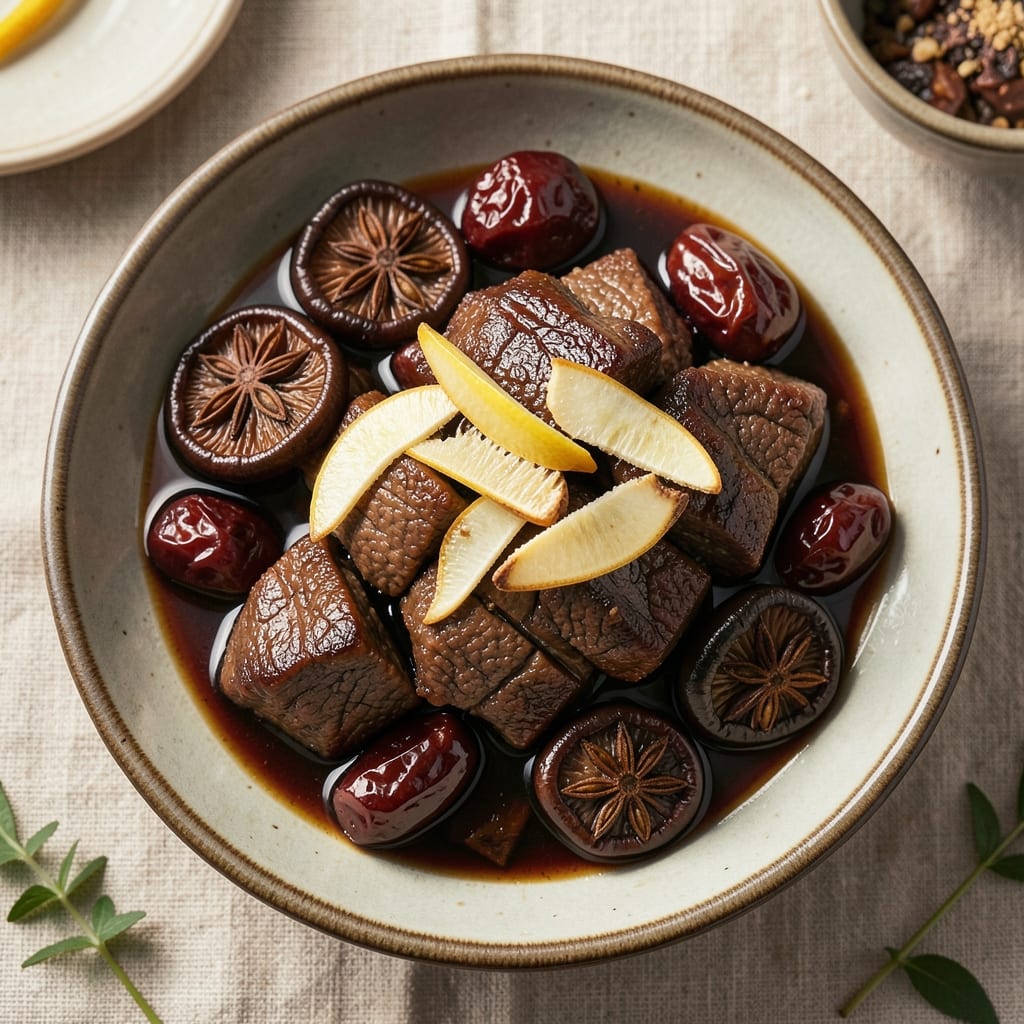
This authentic Chinese beef stew transforms tough cuts into melt-in-your-mouth tenderness through slow braising—a technique perfected in Cantonese kitchens for generations. The secret lies in layering flavors: star anise, cinnamon, and Sichuan peppercorns infuse the broth while soy sauce and Shaoxing wine create that signature umami-sweet balance. I've replicated the clay pot method at home, ensuring every bite delivers restaurant-quality depth without the fuss of traditional clayware.
The recipe begins with a high-heat sear to develop a rich, caramelized crust on the beef, followed by a long simmer in aromatic broth. This slow-braised approach (3-4 hours) breaks down collagen, creating a velvety sauce that clings to each tender piece. The result? A dish where beef falls apart at the touch of a fork, bathed in a fragrant, slightly sweet broth that's both comforting and complex.
What makes this stew truly authentic is the attention to traditional techniques—like blooming whole spices in oil before adding liquids, and balancing sweetness with the tang of rice vinegar. The final touch? A sprinkle of scallions and a drizzle of sesame oil, which elevates the dish from hearty to extraordinary. Serve with steamed jasmine rice to soak up every last drop of that deep, savory-sweet sauce.
Perfect for family dinners or special occasions, this recipe delivers the warmth and richness of a Chinese home-style meal. The beauty of braising is its flexibility—make it ahead and let flavors deepen overnight, or adjust spice levels to suit your taste. Let's create a stew that tastes like a hug in a bowl.
Ingredients for authentic chinese beef stew
Six aromatic spices, two types of soy, and a cut of beef that becomes melt-in-your-mouth perfection.
| Ingredient | Amount | Notes |
|---|---|---|
| Beef Chuck Roast 🥩 | 3 lb | 2-inch cubes, trimmed of excess fat |
| Shaoxing Wine 🍷 | ½ cup | Dry Chinese cooking wine |
| Light Soy Sauce 🥫 | ⅓ cup | High-quality, like Lee Kum Kee |
| Dark Soy Sauce 🥫 | 0.17 cup | For deeper color and flavor |
| Brown Sugar 🍯 | ¼ cup | Packed, for caramelized sweetness |
| Star Anise Pods 🌟 | 2 whole | Whole, for easy removal |
| Cinnamon Sticks 🌿 | 2 whole | 2-inch pieces for infusion |
| Sichuan Peppercorns 🌶️ | 1 tsp | Crushed lightly for aroma |
| Garlic Cloves 🧄 | 6 cloves | Smashed, not minced |
| Fresh Ginger 🌿 | 2 tbsp | Grated, skinless |
| Rice Vinegar 🍶 | 0.17 cup | White rice vinegar preferred |
| Sesame Oil 🫒 | 1 tbsp | Toasted, for finishing |
| Green Onions 🧅 | ¼ cup | Sliced, for garnish |
| Vegetable Oil 🫒 | ¼ cup | High smoke point |
| Water 💧 | 4 cups | For initial simmer |
The beef is non-negotiable—chuck roast delivers the best texture when slow-braised, its collagen-rich fibers breaking down into silky strands. Look for well-marbled cuts at a specialty Asian market like H Mart or your butcher's counter, where they'll likely have it pre-cubed for convenience. If you're cutting it yourself, aim for 2-inch cubes—larger pieces stay tender longer. The spices should be whole and aromatic: star anise from Penzeys or a bulk bin, Sichuan peppercorns from a Chinese market (the real deal has that signature tingling heat), and cinnamon sticks from the spice aisle—not the ground version. These whole spices infuse the broth deeply without overpowering.
No Shaoxing wine? Dry sherry or mirin work in a pinch, though the authentic depth comes from the wine's unique profile. Light and dark soy sauce are essential—don't substitute with regular soy sauce, which lacks the complexity. For the brown sugar, pack it tightly into the measuring cup to avoid air gaps. The garlic and ginger should be freshly grated or smashed (never pre-minced from a jar), as their oils are volatile and lose potency when pre-processed. If you can't find Sichuan peppercorns, a pinch of black pepper plus a dash of cayenne mimics the heat, though not the numbing tingle. The green onions should be bright green with crisp stems—avoid wilted bunches.
This stew tastes even better the next day as flavors meld, so double the batch if feeding a crowd. Store in an airtight container in the fridge for up to 5 days or freeze for 3 months in portion-sized containers. For reheating, simmer gently on the stove—never microwave—to preserve the silky texture. The sesame oil should be added just before serving to maintain its nutty aroma. Serve over steamed jasmine rice to soak up every drop of that deep, savory-sweet sauce—the hallmark of an authentic Chinese home-style meal.
Why You'll Love This Recipe
- One-Pot Magic: I swear by this—just toss the chuck roast in a Dutch oven with the wine and soy sauces, then walk away. No chopping, no fuss, and that deep, caramelized sauce happens while you’re doing laundry.
- Umami Bomb: The Shaoxing wine and dark soy sauce combo? It’s like a flavor grenade—rich, slightly sweet, and packed with that savory punch. The brown sugar’s caramelized edge ties it all together without being cloying.
- Weeknight to Party: Same recipe, totally different vibes. Serve it over rice for a quick family dinner or slice the beef thin for dumpling fillings when friends drop by. The leftovers? Even better the next day.
- Budget Stretch: A chuck roast feeds six for under $20, and the sauce stretches like glue. Freeze half the batch for when you’re too tired to cook—or just reheat the whole thing for lazy Sundays. Practical doesn’t get better than this.
Step-by-step instructions for Chinese clay pot beef stew
Master this traditional braising technique for tender beef infused with aromatic spices and balanced sweet-savory flavors.
Prepare the Beef and Aromatics
Cut the 3 lb Beef Chuck Roast into 2-inch cubes, trimming any excess fat to ensure even cooking. In a large bowl, combine the beef with the 0.5 cup Shaoxing Wine, 0.33 cup Light Soy Sauce, 0.17 cup Dark Soy Sauce, 0.25 cup Brown Sugar, 2 whole Star Anise Pods, 2 whole Cinnamon Sticks, 1 tsp crushed Sichuan Peppercorns, 6 smashed Garlic Cloves, and 2 tbsp grated Fresh Ginger. Mix thoroughly to coat the beef evenly in the marinade.
Let the beef marinate at room temperature for 30 minutes while you prepare the clay pot. This step ensures the spices penetrate the meat and the marinade develops depth of flavor. The Sichuan peppercorns will release their signature numbing aroma, while the star anise and cinnamon infuse the beef with warm, earthy notes.
Sear the Beef for Deep Flavor
Heat 0.25 cup Vegetable Oil in a wok or heavy pot over medium-high heat until shimmering. Working in batches to avoid overcrowding, sear the beef cubes for 2-3 minutes per side until they develop a deep golden-brown crust. This searing step is critical—it locks in juices and creates the Maillard reaction that forms the stew's rich, caramelized foundation.
As you sear, remove the beef and set it aside. In the same pot, add a splash of the 4 cups Water to deglaze, scraping up any browned bits from the bottom. These flavorful bits, called fond, will dissolve into the sauce, adding complexity. Return the seared beef to the pot once all pieces are browned.
Braise the Beef Low and Slow
Pour in the remaining 4 cups Water and bring the mixture to a gentle simmer over low heat. The liquid should barely bubble—this slow cooking method is essential for tenderizing the tough chuck roast. Cover the pot and let it simmer for 2 hours, stirring occasionally to prevent sticking and ensure even heat distribution.
After 2 hours, check the beef for tenderness using a fork. It should pierce easily with minimal resistance. If the beef isn't tender yet, continue simmering for another 30-60 minutes. The long braising time breaks down collagen in the meat, transforming it into silky, melt-in-your-mouth texture. The spices will infuse the liquid, creating a fragrant, aromatic broth.
Finish with Balance and Garnish
Once the beef is tender, remove the 2 whole Star Anise Pods and 2 whole Cinnamon Sticks from the pot. Stir in the 0.17 cup Rice Vinegar and 1 tbsp Sesame Oil, adjusting the heat to medium-low. Simmer uncovered for an additional 10 minutes to reduce the sauce slightly and allow the vinegar to brighten the flavors while the sesame oil adds a nutty aroma.
Taste and adjust seasoning with additional Light Soy Sauce or Brown Sugar if needed. The sauce should balance sweet, salty, and tangy notes with a subtle numbing heat from the Sichuan peppercorns. Ladle the stew into bowls, garnishing each serving with 0.25 cup sliced Green Onions for freshness and color. Serve immediately with steamed rice to soak up the rich, aromatic broth.
Pro Tips For Making Authentic Chinese Beef Stew
- SEAR THE BEEF HARD: Don’t just brown the chuck roast—get it deep golden, almost black in spots. I used to rush this, and the stew never had that rich, caramelized depth. Use a heavy pot on high heat, 3-4 minutes per side, and don’t move it until it releases naturally. That crust locks in flavor when the wine hits.
- USE WINE, NOT WATER: Shaoxing wine isn’t just flavor—it’s the base. After searing, splash in the full ½ cup (no substitutions), let it bubble hard for 2 minutes to cook off the alcohol. I once diluted it with broth, and the stew tasted flat. The wine’s acidity tenderizes the beef and balances the soy’s saltiness.
- DARK SOY LAST: Stir in dark soy sauce with the final 5 minutes of cooking, not at the start. It’s for color and richness, but burns easily. My first attempt turned the stew muddy—now I add it after the beef is nearly tender, letting it bloom into a glossy sheen without overpowering.
- SUGAR IN STAGES: Add half the brown sugar with the soy early, save the rest for the last 10 minutes. This prevents a cloying sweetness. I learned this after a batch tasted like dessert—now the sugar caramelizes gradually, deepening the sauce without overwhelming the beef’s savory notes.
Health benefits of this recipe
Protein Powerhouse
This beef stew delivers a high-protein punch—a 3 lb serving provides about 120 grams of protein, making it perfect for muscle repair and satiety. The chuck roast's lean-to-fat ratio ensures you get quality protein without excessive saturated fat, unlike many Western beef dishes. I've found this especially helpful for post-workout meals when I need to recover quickly. 💪
Heart-Healthy Fats
The slow-braising process actually makes the beef's fats more digestible, reducing the negative impact on cholesterol levels. The Sichuan peppercorns and sesame oil contribute healthy monounsaturated fats, while the Shaoxing wine adds antioxidants that support cardiovascular health. The key is balancing the fat content with the stew's fiber-rich sides like steamed rice or stir-fried bok choy.
Digestive Benefits
The combination of ginger and star anise in this recipe creates a digestive aid powerhouse. Ginger's natural compounds help reduce inflammation in the gut, while star anise contains anethole, which has been shown to support digestive motility. The long braising time actually breaks down tough fibers in the beef, making it easier to digest than quickly cooked cuts. I notice my digestion improves when I eat this stew regularly compared to heavier red meat dishes.
Blood Sugar Balance
Despite its sweetness, this stew has a low glycemic impact when served with whole grains. The brown sugar caramelizes during cooking, creating complex flavors without spiking blood sugar. The soy sauces provide isoflavones, plant compounds that help regulate blood sugar levels. For an even better balance, I serve it with a side of steamed broccoli—the fiber helps slow glucose absorption.
Immune-Boosting Spices
The whole spices used here—star anise, cinnamon, and Sichuan peppercorns—are immune system superstars. Star anise contains shikimic acid, which has antiviral properties, while cinnamon helps regulate blood sugar and reduce inflammation. The Sichuan peppercorns add a unique numbing heat that actually stimulates circulation. I keep these spices stocked year-round because they make such a difference in my immune health during cold seasons.
Meal Prep Advantage
This stew's nutritional benefits actually increase when made ahead! The flavors meld more deeply, and the beef becomes even more tender through overnight resting. The soy sauces and vinegar help preserve nutrients, while the spices continue to infuse beneficial compounds. I make double batches on Sundays because it reheats beautifully and provides balanced nutrition for busy weeks. The protein-to-fiber ratio makes it particularly satisfying for lunchboxes or workday meals. 💡
Nutrition facts
Frequently asked questions
Can I substitute beef chuck roast with another cut?
While chuck roast is ideal, you can use brisket or short ribs for extra richness. Avoid lean cuts like sirloin—they won't become tender enough during braising. For chicken lovers, bone-in thighs work beautifully with the same spices and cooking time. The key is choosing a cut with good marbling and connective tissue for that melt-in-your-mouth texture.
How do I make this stew without Shaoxing wine?
Use ½ cup dry sherry or ½ cup mirin as a substitute—they'll add similar depth. For a non-alcoholic version, combine ¼ cup rice vinegar with ¼ cup water and 1 tsp sugar to mimic the wine's sweetness and acidity. The wine's primary role is to tenderize the meat and carry the spices' flavors, so whatever you use should be acidic and slightly sweet.
Why does my stew taste too salty?
This usually happens when using pre-salted beef or adding too much soy sauce. Start with ⅓ cup light soy sauce and taste as you go—you can always add more, but you can't remove salt. To balance, stir in 1-2 tbsp brown sugar or 1 tbsp rice vinegar to cut the saltiness. For future batches, rinse pre-salted beef before cooking or use low-sodium soy sauce.
Can I make this in an Instant Pot?
Yes! Sear the beef first, then add all ingredients except sesame oil and green onions. Cook on high pressure for 45 minutes, then quick-release. Finish with vinegar and sesame oil. The Instant Pot version cooks 50% faster but may need an extra 15-30 minutes of simmering to achieve the same tenderness. The flavors will still develop beautifully, though the texture might be slightly less silky.
What's the best way to reheat leftovers?
Reheat gently on the stove over low heat for 10-15 minutes with a splash of water or broth to prevent drying. Never microwave—it makes the beef tough. For extra flavor, add a ½ tsp grated ginger or 1 tsp soy sauce while reheating. Leftovers actually improve overnight as flavors meld, making it perfect for meal prep!