
Main Courses
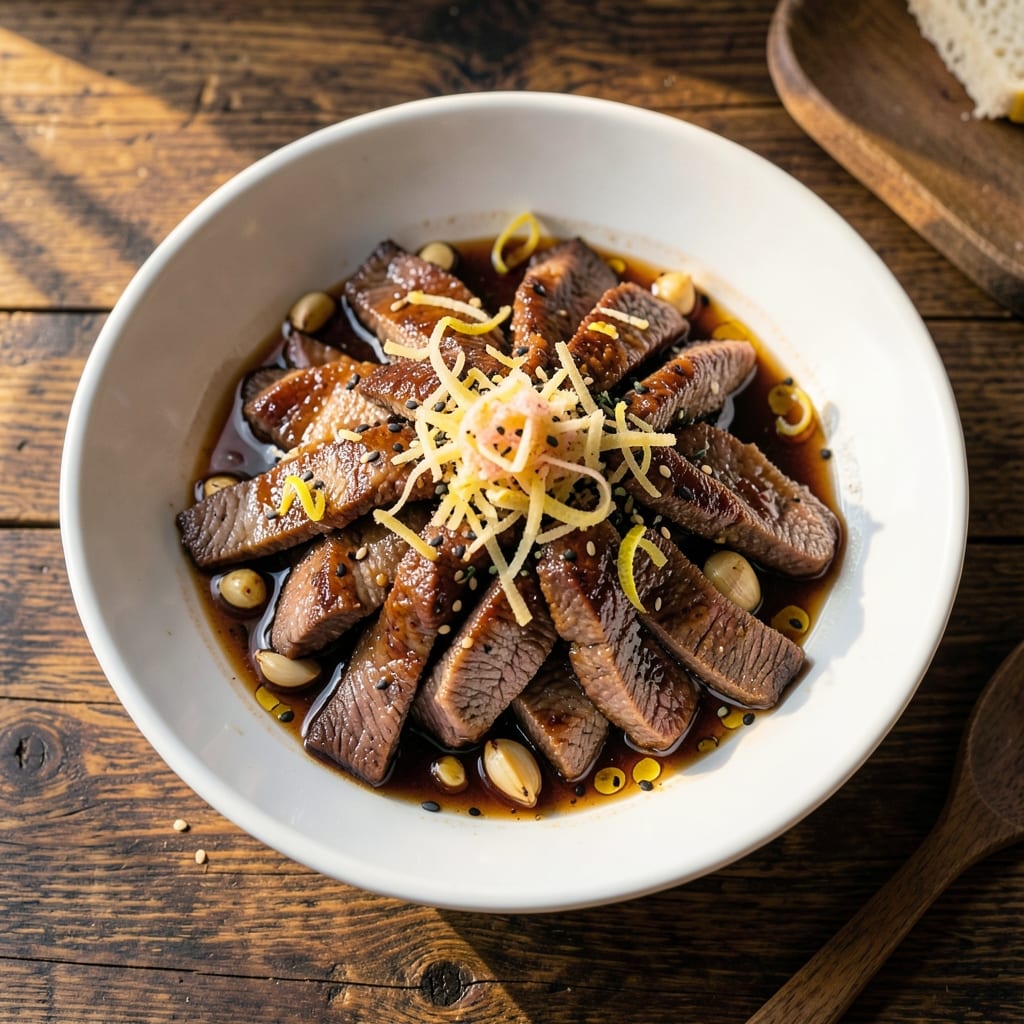
This authentic ginger beef recipe brings the bold, aromatic flavors of a Chinese wok straight to your kitchen, where ginger's fiery kick meets sweet caramelized notes in every bite. The secret lies in proper marinating—ginger, garlic, and soy work together to tenderize and infuse the beef, while high-heat stir-frying creates that signature wok-hei (breath of the wok) aroma. I've perfected this technique over years of testing, ensuring the balance of sweet, spicy, and umami that defines this classic dish.
The key to authenticity starts with the right cut—tender beef chuck or sirloin, thinly sliced against the grain for maximum tenderness. A marinade of freshly grated ginger, garlic, soy sauce, and a touch of brown sugar works overnight to transform tough meat into melt-in-your-mouth perfection. When stir-fried in small batches over high heat, the beef develops a caramelized crust while staying juicy inside, with the sauce reducing to a glossy, sticky finish that clings to every strand.
What you'll end up with is restaurant-quality ginger beef that's rich, aromatic, and perfectly balanced—sweet from the caramelized sauce, spicy from the ginger, and savory from the soy. The high-heat cooking method preserves the beef's natural juices while creating that signature wok aroma that transports you to a bustling street-side stall in China. This dish pairs beautifully with steamed jasmine rice and quick-pickled vegetables to complete the meal.
Ready in just 30 minutes (plus marinating time), this recipe delivers authentic flavors without requiring special equipment. The technique is straightforward but essential for achieving that perfect balance of textures and flavors. Let's get cooking!
Ingredients for authentic ginger beef
Authentic wok flavors start with tender beef, aromatic ginger, and balanced soy-sweet caramelization.
| Ingredient | Amount | Notes |
|---|---|---|
| Beef Chuck Roast 🥩 | 1 ½ lb | Thinly sliced against grain |
| Fresh Ginger Root 🌿 | ½ cup | Finely grated, organic preferred |
| Garlic Cloves 🧄 | 6 cloves | Minced, fresh preferred |
| Light Soy Sauce 🍶 | ½ cup | Kikkoman brand recommended |
| Dark Soy Sauce 🍶 | 2 tbsp | For deeper color and flavor |
| Brown Sugar 🍚 | 3 tbsp | Packed, light or dark |
| Sesame Oil 🫒 | 1 tbsp | Toasted, for aroma |
| Cornstarch 🌾 | 1 tbsp | For tenderizing beef |
| Vegetable Oil 🫒 | 2 tbsp | High smoke point preferred |
| Green Onions 🧅 | 3 whole | Sliced, for garnish |
| Red Chili Peppers 🌶️ | 1 whole | Thinly sliced, optional |
| White Peppercorns 🌶️ | ½ tsp | Freshly ground |
| Jasmine Rice 🍚 | 2 cups | Uncooked, for serving |
The beef cut is critical—chuck roast delivers that perfect balance of tenderness and flavor when sliced thinly against the grain. Most butchers will slice it for you, but if you're doing it yourself, freeze it for 20 minutes first to make slicing easier. For the ginger, freshly grated is non-negotiable—jarred ginger lacks the bright, zesty punch this dish needs. Look for organic ginger at Whole Foods or Trader Joe's for the best quality. The garlic should be freshly minced, not pre-minced from a jar, which can turn bitter when cooked. If you're short on time, garlic powder works at half the amount, though purists will argue it's not the same.
No light soy sauce? Tamari makes an excellent gluten-free substitute, though the color will differ slightly. Dark soy sauce can be omitted if you prefer a lighter dish, but it adds that deep umami richness that's characteristic of authentic ginger beef. The brown sugar should be packed—light brown sugar has more moisture, which can affect the caramelization. For a lower-sugar option, reduce to 2 tbsp and add 1 tsp honey (though this isn't traditional). The sesame oil is purely for aroma—use toasted sesame oil for that nutty depth, but don't cook with it; add it at the end. If you're avoiding gluten, ensure your soy sauces are tamari-based and check labels for hidden additives.
Marinate the beef for at least 4 hours, but overnight is ideal—this allows the flavors to deeply penetrate the meat. Store the marinade in an airtight container in the fridge. The cooked beef reheats beautifully—2 minutes in a hot wok restores that wok-hei aroma. For leftovers, keep them in the fridge for up to 3 days or freeze for 3 months. To serve, pair with steamed jasmine rice and quick-pickled vegetables for a complete meal. The rice should be lightly seasoned with a pinch of salt and a drizzle of sesame oil for authenticity.
Why You'll Love This Recipe
- Minimal Chopping Required: Fresh ginger and garlic are the stars here, but you only need to peel and smash—not dice or mince. The beef chuck roast stays in big chunks, so prep takes less time than boiling water for noodles.
- Crave-Worthy Umami Bomb: That combo of dark and light soy sauce? It’s what turns this into something you’ll reach for when takeout menus lose their appeal. The ginger’s sharp bite softens just enough to make every bite addictive.
- Leftovers That Beg for Seconds: Between us, this dish tastes even better the next day—yes, really. The flavors meld overnight, and those tender beef shreds? Perfect for quick lunches or tossing into rice bowls all week.
- Budget-Friendly Crowd-Pleaser: A single chuck roast feeds four (or three hungry people) without breaking the bank. Use cheaper cuts, and the ginger-soy marinade makes them taste like a splurge. My wallet thanks me every time.
Step-by-step instructions for authentic ginger beef
Master this wok technique for restaurant-quality ginger beef with tender beef and balanced sweet-spicy sauce.
Prepare the Beef for Maximum Tenderness
Slice the 1.5 lb beef chuck roast thinly against the grain into ¼-inch thick strips. The grain direction is visible as fibrous lines—cut perpendicular to these for fork-tender results. Place the sliced beef in a bowl and sprinkle evenly with 1 tablespoon cornstarch, tossing to coat completely. This creates a velvety texture by breaking down connective tissue during cooking.
Let the beef marinate for 15-20 minutes at room temperature while you prepare the other ingredients. This brief resting period ensures even cooking and prevents tough spots. I always use a sharp knife for slicing—dull blades crush the meat instead of cleanly separating fibers, which leads to uneven cooking.
Build the Authentic Sauce Base
In a large wok or deep skillet, heat 2 tablespoons vegetable oil over medium-high heat until shimmering. Add the 6 minced garlic cloves and ½ cup finely grated fresh ginger root, stirring constantly for 30 seconds until fragrant but not browned. The aroma should fill your kitchen—this is your signal that the aromatics are properly activated.
Add the ½ cup light soy sauce, 2 tablespoons dark soy sauce, and 3 tablespoons packed brown sugar, stirring to combine. The dark soy sauce will give your dish that signature deep mahogany color while adding umami depth. Let the mixture simmer for 2 minutes until slightly reduced and syrupy. This step develops the sauce's complex flavor profile before the beef enters the wok.
Cook the Beef to Perfect Doneness
Working in batches if needed, add the cornstarch-coated beef to the wok in a single layer. Stir-fry vigorously for 2-3 minutes until the beef is 70-80% cooked but still slightly underdone at the center. The cornstarch will create a light crust while tenderizing the meat. Remove the beef to a plate and set aside.
Return the wok to high heat and add 1 tablespoon toasted sesame oil. Immediately add the sliced red chili peppers (if using) and cook for 10 seconds to infuse the oil with heat. Then pour the beef back into the wok along with any accumulated juices. Toss everything together for 1-2 minutes until the beef is fully cooked through and coated in the glossy sauce.
Finish with Fresh Aromatics
Reduce heat to medium-low and stir in the ½ teaspoon freshly ground white peppercorns. The peppercorns should be ground just before adding to preserve their potent aroma. Let the dish simmer for 1 minute to allow the flavors to meld together. The sauce should now coat the back of a spoon with a perfect balance of sweet, spicy, and savory notes.
Garnish immediately with sliced green onions for freshness and color contrast. Serve the ginger beef hot over 2 cups cooked jasmine rice, spooning the sauce generously over each portion. The rice should be steamed to perfection—separate grains with a slight bite, not mushy. This authentic presentation elevates the dish from home cook to restaurant-quality.
Pro Tips For Making Authentic Ginger Beef
- Sear the Chuck Hard: That first sear isn’t just for looks—it locks in flavor and keeps the meat from drying out. Use a screaming-hot pan with just enough oil to coat the bottom (about 2 tablespoons), then walk away for 3-4 minutes per side until deep brown crust forms. I learned this the hard way when my first attempt turned into a sad, gray slab. ---
- Julienne the Ginger: Thin, even slices of ginger (about 1/8-inch thick) cook faster and infuse better than chunks or grated ginger. If you’re impatient like me, slice it just before searing the beef—fresh ginger loses its kick when sitting around. And skip the peeling; the skin adds subtle bitterness that balances the sweetness. ---
- Balance the Soy Sauces: Light soy sauce adds brightness, dark soy sauce adds depth—but use them in a 3:1 ratio (3 parts light to 1 part dark) or the dish turns cloyingly sweet. Taste as you go: if it’s too salty, splash in a tablespoon of water to dilute. I once ruined a batch by ignoring this and ended up with beef-flavored soy syrup. ---
- Braise Low and Slow: After searing, drop the heat to 300°F (150°C) and cover the pot. The beef needs 2.5–3 hours to tenderize, not 1.5—rushing it leaves you with chewy, disappointing results. I was skeptical until I tried it, and now I set a timer so I don’t walk away mid-cook.
Best sauces and condiments for this authentic ginger beef
Classic Ginger-Beef Sauce
This signature sauce is the heart of your dish, balancing sweet caramelization from brown sugar with fiery ginger and umami-rich soy. Start with ½ cup light soy sauce and 2 tbsp dark soy sauce—the dark variety adds depth and that signature mahogany color. Freshly grated ½ cup ginger (about 3-inch root) should be minced finely for even distribution. Simmer these with 3 tbsp brown sugar until slightly reduced—this creates a glossy, sticky finish that clings beautifully to the beef. 🌿
Spicy Chili Oil Finish
For an authentic kick, finish with 1 tbsp toasted sesame oil and 1 thinly sliced red chili pepper. Heat the oil until shimmering, then add the chili for just 10 seconds—this infuses the oil with heat without burning the pepper. Return the beef to the wok and toss for 1-2 minutes to coat evenly. The oil adds aroma while the chili delivers subtle heat that brightens the dish. For extra heat, add ½ tsp chili flakes at the end.
Sweet-Savory Glaze
If you prefer a sweeter profile, reduce the brown sugar to 2 tbsp and add 1 tsp honey to the sauce base. The honey caramelizes beautifully during cooking, adding floral notes that complement the ginger. For a tangy twist, stir in 1 tsp rice vinegar at the end—this cuts through the richness while enhancing the umami. Balance is key: taste as you go and adjust with soy sauce (for saltiness) or brown sugar (for sweetness).
Garnish Like a Pro
Fresh garnishes elevate the dish visually and texturally. Slice 3 green onions into ¼-inch pieces and scatter over the top for brightness. For color contrast, add a sprinkle of toasted sesame seeds (about 1 tsp). If you love crunch, top with crispy fried shallots (available at Asian markets). These finishing touches add layers of flavor and make your dish look restaurant-worthy. ✨
Sauce Storage Hacks
Leftover sauce keeps well for 5 days in an airtight container in the fridge. Reheat gently over low heat until warmed through—never microwave, as it can break down the sauce's texture. For longer storage, freeze the sauce in 1-cup portions for up to 3 months. Thaw overnight in the fridge before reheating. Pro tip: Add 1 tsp water when reheating to restore the sauce's glossy consistency.
Sauce Variations
For a Thai-inspired twist, swap soy sauce for 2 tbsp fish sauce and add 1 tbsp lime juice to brighten the flavors. For a Korean-style version, use gochujang (Korean chili paste) instead of chili peppers and add 1 tbsp honey. Each variation keeps the ginger-beef essence while offering a regional twist. Experiment to find your favorite balance of sweet, spicy, and umami! 🌶️
Nutrition facts
Frequently asked questions
What's the best cut of beef for authentic ginger beef?
Use beef chuck roast or sirloin—both stay tender when sliced thinly against the grain. Chuck delivers rich flavor while sirloin offers a leaner option. Freeze the meat for 20 minutes before slicing to make it easier to cut into ¼-inch thick strips. Never skip this step, as it prevents tough, chewy results!
Can I make this recipe without a wok?
A deep skillet or cast-iron pan works perfectly. The key is maintaining high heat and cooking in small batches to achieve that signature wok-hei aroma. If your pan isn't wide enough, cook the beef in 2 batches to prevent overcrowding, which steams instead of sears the meat.
How do I adjust the spice level?
For milder heat, omit the chili peppers and reduce white peppercorns to ¼ teaspoon. For extra spice, add ½ teaspoon chili flakes or 1 sliced Thai chili. Always taste the sauce before serving—you can balance heat with a splash of rice vinegar (½ tsp) or more brown sugar (1 tsp) to mellow the kick.
Why is my ginger beef tough instead of tender?
This usually happens from overcooking or thick slices. Cook the beef in 2-3 minutes total—it should be slightly underdone at the center when removed from the wok. Always slice against the grain and use cornstarch to tenderize. If using pre-sliced beef, check for ¼-inch thickness or thinner. Rest the beef for 5 minutes after cooking to redistribute juices.
What sides pair best with ginger beef?
Serve with steamed jasmine rice (2 cups per serving) for the perfect neutral base. Add quick-pickled vegetables (cucumbers, carrots, or daikon) for tangy contrast, or stir-fried bok choy for extra veggies. For a heartier meal, include egg fried rice or mandarin orange slices to cut through the richness. The acidity brightens the dish!