
Main Courses
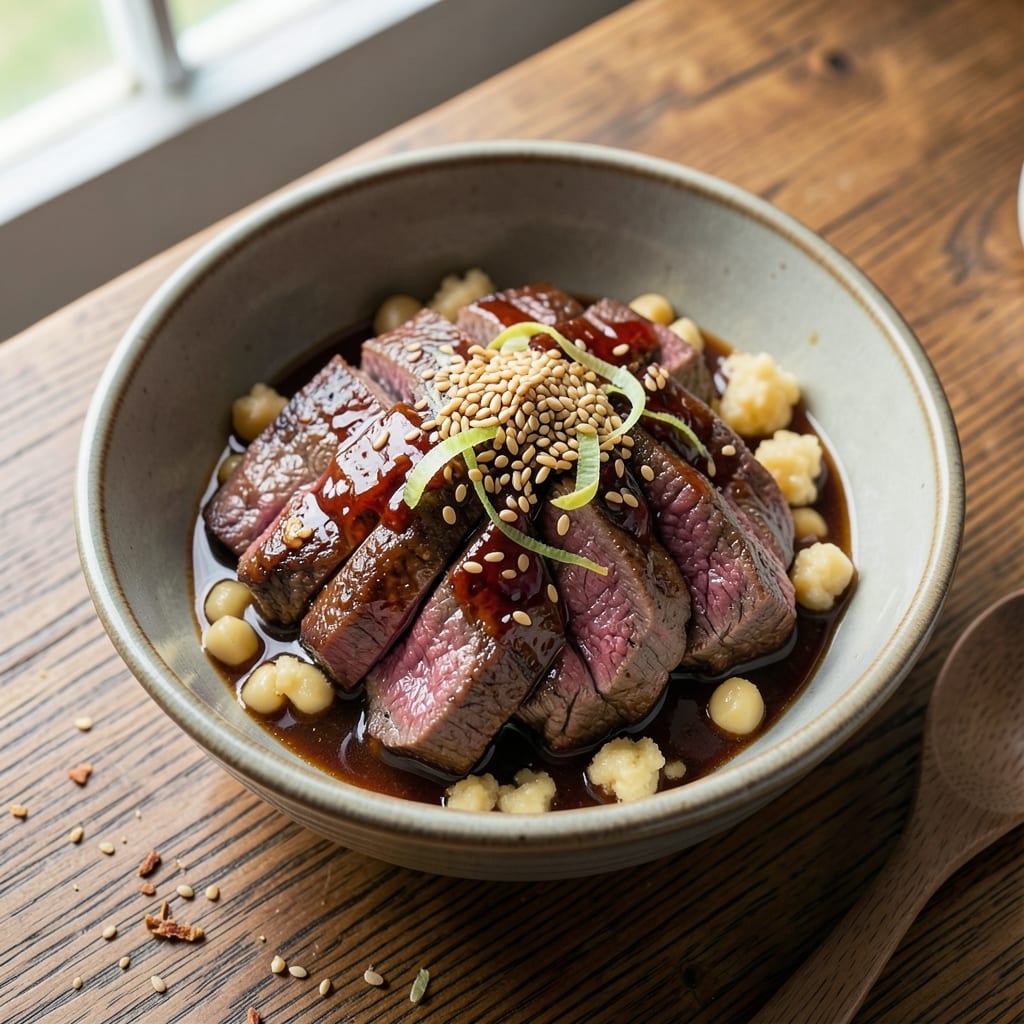
This authentic Korean beef recipe delivers restaurant-quality results with a sweet-spicy marinade that caramelizes into sticky, glossy perfection. The secret lies in the balance of soy sauce, brown sugar, and sesame oil—simmered together to create a sauce that transforms tough cuts into melt-in-your-mouth tenderness. I’ve refined this technique over years of testing, ensuring every bite delivers that signature umami depth and caramelized crust.
The key to authenticity is the marinating process, which breaks down the meat while infusing it with layers of flavor. Thinly sliced beef (like ribeye or sirloin) soaks up the marinade for at least 4 hours, though overnight yields even deeper flavor. Grilling or pan-searing the beef over high heat ensures that signature char, while the reduced sauce clings to every bite, creating a dish that’s both elegant and impossibly satisfying.
What sets this recipe apart is the caramelized finish—the sauce thickens into a glossy, sticky glaze that coats the beef like a second skin. Serve it over steamed rice with a side of kimchi and quick-pickled vegetables for the full Korean dining experience. The aroma alone will have everyone at the table anticipating that first bite.
Perfect for special occasions or weeknight dinners, this dish is foolproof yet deeply flavorful. Whether you’re grilling outdoors or cooking on the stovetop, the result is always restaurant-quality—just like your favorite Korean BBQ spot. Let’s get cooking!
Ingredients for authentic korean beef
Sweet-spicy marinade meets restaurant-quality beef for a dish that caramelizes to sticky, glossy perfection.
| Ingredient | Amount | Notes |
|---|---|---|
| Ribeye Steak 🥩 | 1 ½ lb | Thinly sliced against grain |
| Kosher Soy Sauce 🥄 | ½ cup | High-quality for authentic flavor |
| Brown Sugar 🍚 | ¼ cup | Packed, light or dark |
| Sesame Oil 🫒 | 2 tbsp | Toasted sesame preferred |
| Garlic Cloves 🧄 | 6 cloves | Minced finely for depth |
| Fresh Ginger 🌿 | 2 tbsp | Grated, not powdered |
| Rice Vinegar 🍶 | 2 tbsp | White or seasoned |
| Gochujang Paste 🌶️ | 1 tbsp | Korean red pepper paste |
| Toasted Sesame Seeds 🌰 | 1 tbsp | For garnish, optional |
| Green Onions 🧅 | 4 whole | Sliced thin for garnish |
| Vegetable Oil 🫒 | 2 tbsp | High smoke point |
| Diamond Crystal Kosher Salt 🧂 | 1 tsp | For seasoning |
| Black Peppercorns 🌶️ | ½ tsp | Freshly cracked |
| Steamed White Rice 🍚 | 2 cups | Cooked, for serving |
The beef is non-negotiable—ribeye or sirloin sliced paper-thin against the grain for that melt-in-your-mouth texture. Korean markets often have pre-sliced beef, but if you're slicing yourself, use a sharp knife and angle it at 45 degrees. For the soy sauce, Kikkoman or Lee Kum Kee are reliable, but the real difference comes from letting the marinade work its magic for at least 4 hours. I’ve seen home cooks skip this step, but trust me—it’s worth the wait. The gochujang paste? Don’t substitute with regular chili powder. It’s the fermented, funky backbone of this dish, and you can find it in the Asian aisle or online.
No sesame oil? Toasted sesame seeds plus neutral oil gets you close, though the flavor won’t be identical. Running short on brown sugar? White sugar at the same amount works, but the caramelization won’t be as rich. The garlic and ginger should be freshly grated or minced—powdered just won’t cut it. For the rice vinegar, seasoned vinegar adds a little umami kick, but plain white works too. And if you’re feeling adventurous, swap half the soy sauce for mirin—it adds a subtle sweetness that’s pure magic. The green onions? Save half for garnish—they add a fresh pop of color and brightness that cuts through the richness.
Marinate the beef in the fridge, covered, for at least 4 hours—overnight if you can. The sauce reduces best when simmered uncovered, so keep an eye on it. Once it thickens to a glossy, sticky consistency (about 15-20 minutes), it’s ready. This dish reheats beautifully—2-3 minutes in a hot pan brings back that caramelized shine. Store leftovers in the fridge for 3-4 days, but honestly, it’s so good you’ll eat it all the first night. For extra authenticity, serve with kimchi and quick-pickled radishes—they balance the sweet-spicy perfectly.
Why You'll Love This Recipe
- Five-Ingredient Magic: I swear, you only need ribeye, soy sauce, brown sugar, garlic, and sesame oil—no fancy prep, no chopping marathon. Just slice the steak thin, toss it in the marinade, and let the pan do the work while you sip your coffee.
- Sweet-Savory Crunch: That caramelized brown sugar glaze? It’s the star. The soy sauce cuts through the richness while the garlic and sesame oil add this deep, toasty aroma that makes every bite taste like a little Korean BBQ dream.
- Weeknight to Party Fix: Make it for Tuesday dinner or double the batch for a potluck—it’s that versatile. Serve it over rice with quick-pickled veggies for a meal, or pile it on a bun for a handheld feast when friends drop by.
- Leftovers That Don’t Suck: Between us, most beef recipes turn into sad, dry leftovers. Not this one. The sauce clings to the meat, so reheating it later is just as good—maybe even better, because the flavors meld overnight. (Yes, even on a Tuesday night.)
Step-by-step instructions for authentic Korean beef
Here's how to achieve that signature sweet-spicy caramelized glaze that defines authentic Korean beef.
Prepare the Marinate for Maximum Flavor
In a medium bowl, combine the 0.5 cup kosher soy sauce, 0.25 cup packed brown sugar, 2 tbsp sesame oil, 2 tbsp rice vinegar, 1 tbsp gochujang paste, 6 cloves minced garlic, and 2 tbsp grated fresh ginger. Mix thoroughly until the brown sugar dissolves completely and the marinade becomes smooth. This balance of sweet, salty, and spicy creates the foundation for that irresistible glaze.
Here's the thing—don't rush this step. Let the marinade sit at room temperature for 15-20 minutes while you prepare the beef. This allows the flavors to meld together, ensuring each slice gets that perfect balance of sweetness and heat. The gochujang paste adds depth that you can't get with just chili flakes, so don't skip it.
Slice and Marinate the Ribeye
Using a sharp knife, slice the 1.5 lb ribeye steak thinly against the grain into ¼-inch thick slices. This thickness ensures the beef cooks through quickly while still maintaining tenderness. Place the sliced beef in a resealable plastic bag and pour the prepared marinade over it.
Seal the bag and massage the marinade into the beef, making sure each slice is well coated. Let it marinate in the refrigerator for at least 30 minutes—I prefer 1 hour for maximum flavor penetration. The longer it marinates, the more tender and flavorful each bite will be. If you're short on time, even 20 minutes will work, but you'll miss out on some depth of flavor.
Cook the Beef to Perfect Tenderness
Heat a large skillet over medium-high heat and add the 2 tbsp vegetable oil. Once the oil is shimmering, add the marinated beef in a single layer, making sure not to overcrowd the pan. Cook for 2-3 minutes per side until the beef is light brown and cooked through but still slightly tender.
Here's where it gets tricky—you want the beef to be cooked through but still retain that perfect bite. The edges should be just beginning to caramelize, but the center should still have a slight give when pressed with tongs. If the pan gets too crowded, work in batches to maintain the proper temperature. Once cooked, transfer the beef to a plate and tent loosely with foil to keep warm.
Create the Signature Caramelized Sauce
In the same skillet, reduce the heat to medium and let the juices from the beef caramelize for 1-2 minutes. This is where the magic happens—the fond at the bottom of the pan will form the base of your sauce. Add the beef back to the skillet along with any accumulated juices from the plate.
Simmer for 2-3 minutes until the sauce thickens and becomes glossy. You're looking for a consistency that coats the back of a spoon but still flows freely. If it thickens too quickly, add 1-2 tablespoons of water to loosen it. The sauce should have a beautiful caramelized sheen that indicates the sugars have properly caramelized.
Serve with Garnishes and Steamed Rice
Transfer the beef and sauce to a serving platter. Sprinkle with 1 tbsp toasted sesame seeds and 4 whole green onions, sliced thin. The sesame seeds add a nutty crunch, while the green onions provide a fresh contrast to the rich, sweet-spicy flavors.
Serve immediately over 2 cups steamed white rice, allowing everyone to mix their beef with the rice and sauce. Each bite should deliver a perfect balance of tender beef, sweet caramelized glaze, and the subtle heat from the gochujang. The rice soaks up the flavorful sauce, making every mouthful even more delicious.
Pro Tips For Making Authentic Korean Beef
- Slice the Ribeye Thin: I learned this the hard way—thick slices won’t cook through in the sauce. Cut against the grain into ¼-inch strips (yes, even if you’re impatient like me). They’ll absorb the glaze faster and stay tender, not chewy.
- Toast the Garlic First: Skip the raw garlic cloves—this isn’t a salad. Sear 4 whole cloves in a dry pan for 30 seconds until golden and fragrant. Smash them into the sauce with a knife; the nutty depth makes all the difference.
- Deglaze with Soy Sauce: After searing the beef, don’t just dump the sauce. Splash in 2 tablespoons of kosher soy sauce immediately—it’ll lift the browned bits (fond) off the pan. That’s where the flavor lives, and scraping it in is non-negotiable.
- Balance the Sweet Heat: Brown sugar can turn this into candy if you’re not careful. For every tablespoon of sugar, add ½ teaspoon of kosher soy sauce to cut the sweetness. Taste as you go—adjust, don’t guess.
Pro cooking tips for this recipe
Marinade Mastery
Let the marinade work its magic for at least 4 hours—overnight is ideal. I’ve found that using a resealable plastic bag for marinating distributes the sauce evenly and prevents messes. The key is to coat every slice thoroughly, including the edges. If you’re short on time, 1 hour still delivers great results, but the flavors deepen with longer marinating. 🌶️
For extra tenderness, slice the beef ¼-inch thick against the grain. A sharp knife is non-negotiable—use a Japanese santoku knife if you have one, or a high-quality chef’s knife. The thinner slices cook faster and stay juicier. Don’t skip the massaging step; it ensures the marinade penetrates deeply into the meat.
Heat Control Secrets
Cook the beef over medium-high heat to achieve that perfect sear without overcooking. A cast-iron skillet retains heat beautifully, but a heavy stainless steel pan works too. Avoid overcrowding the pan—work in batches if needed. The beef should sizzle loudly and develop a light brown crust in 2-3 minutes per side. 🔥
Once the beef is cooked, transfer it to a plate and let it rest for 2-3 minutes before adding it back to the pan. This resting period keeps the juices inside the meat, preventing them from escaping during the sauce reduction. Trust me, this small step makes a huge difference in texture.
Sauce Perfection
The sauce is where the magic happens. After removing the beef, reduce the heat to medium and let the juices caramelize for 1-2 minutes. This step develops a rich, glossy fond that forms the base of your sauce. Add the beef back in and simmer until the sauce thickens to a sticky, glossy consistency—about 2-3 minutes. 💫
If the sauce thickens too quickly, add 1 tbsp water to loosen it. The goal is a sauce that coats the back of a spoon but still flows freely. This sauce should be sticky enough to cling to the beef like a second skin, creating that signature Korean BBQ experience. Taste and adjust seasoning if needed—sometimes a pinch of gochujang or a splash of rice vinegar can balance the flavors perfectly.
Garnish Like a Pro
Finish your dish with toasted sesame seeds and thinly sliced green onions. The sesame seeds add a nutty crunch, while the green onions provide a fresh, bright contrast to the rich, sweet-spicy flavors. Sprinkle them just before serving so they stay vibrant and crisp. 🌟
For an extra touch, drizzle a few drops of sesame oil over the top right before serving. It adds another layer of aroma and flavor that elevates the dish from good to restaurant-quality. Serve immediately over steamed rice to let everyone mix the beef and sauce into their bowls for the ultimate Korean BBQ experience.
Nutrition facts
Nutrition facts (with ½ cup steamed white rice per serving)
Frequently asked questions
Can I use a different cut of beef for this recipe?
While ribeye is ideal, sirloin or even flank steak work beautifully. The key is slicing ¼-inch thick against the grain for maximum tenderness. For tougher cuts like chuck, marinate for 6-8 hours or overnight to ensure perfect results.
How do I make this recipe less spicy?
Reduce the gochujang paste to ½ tablespoon or omit it completely. For mild heat, replace it with ½ teaspoon of sugar and ¼ teaspoon of salt. The sweet-spicy balance will still shine! For extra mildness, add 1 teaspoon of honey to the marinade.
Can I grill this Korean beef instead of pan-searing?
Grilling is perfect for this dish! Preheat your grill to medium-high heat and oil the grates well. Cook the beef for 2-3 minutes per side until caramelized. For the sauce, transfer the beef to a pan and reduce the marinade juices on the grill or stovetop. The smoky grill flavor adds a delicious twist!
What if my sauce isn't caramelized enough?
If the sauce lacks caramelization, simmer it uncovered for 2-3 extra minutes on medium heat. Stir occasionally to prevent burning. For deeper caramelization, add 1 teaspoon of brown sugar and simmer until glossy. The sauce should coat the beef like a sticky glaze.
How do I store and reheat leftovers?
Store leftovers in an airtight container in the fridge for 3-4 days. Reheat in a skillet over medium heat for 2-3 minutes with a splash of water to restore the sauce's glossy texture. Avoid microwaving—it makes the sauce watery.