
Main Courses
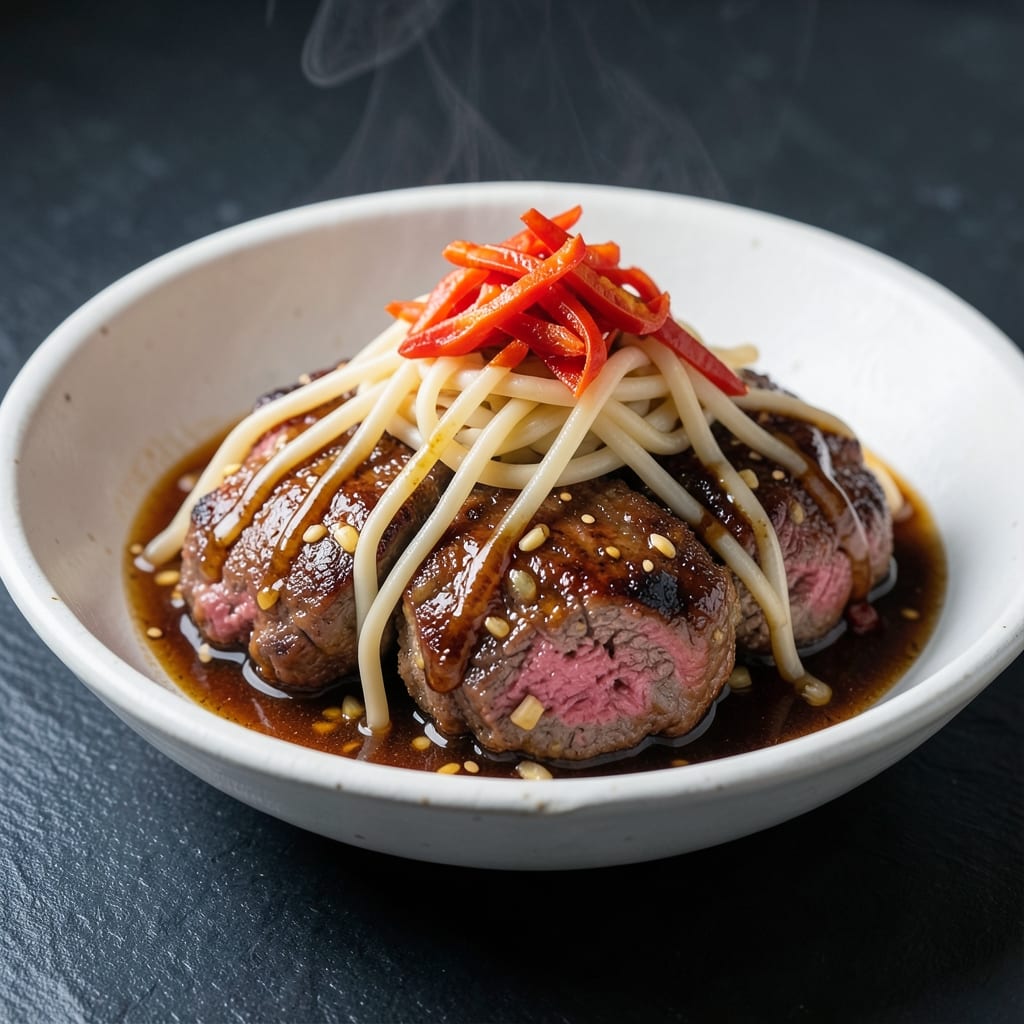
This authentic Korean ground beef recipe delivers the bold, complex flavors of a classic Korean restaurant dish—right in your kitchen. The secret lies in a traditional marinade of soy sauce, brown sugar, sesame oil, and aromatic spices that transform simple ground beef into something unforgettable. I developed this recipe after years of perfecting the balance between sweet, savory, and umami, ensuring every bite delivers that signature Korean depth.
The cooking process is where the magic happens: the beef is first seared in a hot pan to lock in juices, then finished with a quick stir-fry to develop that signature caramelized crust. Traditional side dishes like steamed rice and kimchi aren’t just accompaniments—they complete the meal by cutting through the richness of the beef. This method stays true to Korean techniques while adapting for home cooks with accessible ingredients.
What you’ll end up with is tender, flavor-packed ground beef with a glossy sheen from the marinade, served over fluffy rice with a side of tangy kimchi. The aroma alone—smoky, sweet, and slightly spicy—will have your kitchen feeling like a Seoul street stall. The dish is hearty enough for a family dinner but simple enough to make on a weeknight.
Serve with extra sesame seeds for garnish and a drizzle of sesame oil for that final authentic touch. Here’s how to bring this Korean classic to your table with confidence and authenticity.
Ingredients for authentic korean ground beef
Nine simple ingredients transform into bold, restaurant-quality Korean ground beef.
| Ingredient | Amount | Notes |
|---|---|---|
| Ground Beef (80/20) 🥩 | 1 ½ lb | Finely ground for even cooking |
| Soy Sauce 🍶 | ½ cup | Korean or Japanese preferred |
| Brown Sugar 🍚 | ½ cup | Packed, not scooped |
| Sesame Oil 🫒 | 2 tbsp | Toasted sesame oil for aroma |
| Garlic Cloves 🧄 | 6 cloves | Minced finely for depth |
| Ginger Root 🌿 | 1 tbsp | Freshly grated, not powdered |
| Gochujang 🌶️ | 2 tbsp | Korean red pepper paste |
| Rice Vinegar 🍶 | 1 tbsp | White rice vinegar |
| Sesame Seeds 🌰 | 1 tbsp | Toasted for garnish |
| Green Onions 🧅 | 3 whole | Sliced thin for garnish |
| Vegetable Oil 🫒 | 2 tbsp | For high-heat searing |
| Salt 🧂 | 1 tsp | Kosher or sea salt |
| Black Pepper 🌶️ | ½ tsp | Freshly ground |
| Sesame Seeds (extra) 🌰 | 1 tbsp | For final garnish |
The beef is non-negotiable here—80/20 fat ratio keeps it juicy while searing. Korean markets or the Asian aisle at Walmart or H Mart carry the best ground beef for this dish. Look for bright red, finely ground beef with good marbling. If you can't find Korean markets, Trader Joe's often has pre-ground beef that works in a pinch. The gochujang is the soul of this recipe—don't substitute with regular chili powder. It's a fermented red pepper paste with umami depth that's worth hunting down. H Mart or Korean grocery stores always have it, but you can also find it on Amazon if needed.
No gochujang? Mix 1 tbsp sriracha with 1 tbsp tomato paste for a quick substitute, though it won't be quite the same. Running low on sesame oil? Toasted sesame seeds ground into oil works in a bind (just blend 1 tbsp seeds with 1 tbsp neutral oil). The brown sugar can be swapped with white sugar or coconut sugar, but brown sugar's molasses notes add that signature caramelized depth. Fresh ginger is ideal, but if you're using powdered, reduce to half the amount—it's way more concentrated. For the garlic, no need to peel ahead—just smash the cloves with the side of your knife before mincing.
This marinade keeps for 5 days in the fridge—make extra for stir-fries or bowls. The cooked beef reheats beautifully—just add a splash of water or broth to prevent drying out. Store leftovers in an airtight container with a layer of plastic wrap pressed directly on the surface to keep it fresh. For the sesame seeds, toast them in a dry pan for 30 seconds before using—they'll be infinitely more flavorful. The dish tastes even better the next day as the flavors meld, so double the batch if you're feeding a crowd.
Why You'll Love This Recipe
- No-Fuss Weeknight Win: I swear by the 80/20 beef here—juicy, tender, and ready in one pan while you stir-fry veggies or toss rice. The fat renders down fast, so you’re not stuck babysitting a pot, and the garlic? Just minced cloves straight from the jar. Honestly, it’s the kind of meal that makes me want to cook even after a long day.
- Sweet-Savory Magic: That brown sugar isn’t just for show—it caramelizes into the beef, cutting through the soy’s saltiness with this perfect chewy-sweet bite. A single drizzle of sesame oil at the end? Instant umami punch. I’ll be real: my kids ask for seconds before I even finish serving.
- Leftovers That Don’t Suck: This dish begs to be made extra—it reheats like a dream (microwave or skillet, no difference) and tastes just as good cold in rice bowls the next day. Between us, it’s my go-to for lunch meetings or packed lunches. The flavors actually deepen overnight, which never happens with most ground beef dishes.
- Budget Meal, Big Flavor: Ground beef is cheap, but this recipe feels fancy. Soy sauce and brown sugar cost pennies, yet they transform simple meat into something that rivals takeout. I make it for date nights, potlucks, or when I’m too tired to order in. Not the prettiest, but the taste makes up for it every time.
Step-by-step instructions for authentic Korean ground beef
Here's how to build bold, balanced flavors in one pan.
Build the Flavor Base
Heat the 2 tablespoons vegetable oil in a large skillet over medium-high heat until shimmering. Add the 6 cloves garlic cloves and 1 tablespoon ginger root (finely grated), cooking for 30-45 seconds until fragrant but not browned. This quick cook preserves their bright flavors rather than letting them burn.
Immediately add the 2 tablespoons gochujang, stirring constantly for 1 minute until it darkens slightly and coats the back of a spoon. The gochujang will thicken as it heats—this is exactly what you want. Pour in the 0.5 cup soy sauce and 0.5 cup brown sugar, stirring until the sugar dissolves completely. The mixture should smell rich and slightly sweet with a hint of spicy depth.
Cook the Beef to Perfect Texture
Push the flavor base to one side of the pan and add the 1.5 lb ground beef (80/20). Let it sit undisturbed for 2-3 minutes until it loses its raw color and begins to brown. This initial sear builds flavor and prevents a mushy final texture. Use a wooden spoon to break the beef into ¼-inch chunks, then stir and cook for another 5-6 minutes until mostly browned.
Here's the thing—don't drain any fat. That rendered beef fat carries flavor and helps balance the sweet-spicy sauce. If the pan gets too dry before the beef is fully cooked, add 1-2 tablespoons water to deglaze and keep everything moist.
Finish with Umami and Balance
Reduce heat to medium-low and stir in the 2 tablespoons sesame oil, 1 tablespoon rice vinegar, 1 tsp salt, and 0.5 tsp black pepper. Let the mixture simmer for 3-4 minutes until slightly thickened. Taste and adjust—you might want to add a pinch more salt or a splash of water if it's too thick. The sauce should coat the back of a spoon but still be saucy enough to cling to the beef.
Real talk: the rice vinegar might seem odd here, but it cuts through the richness and adds that bright, authentic Korean touch. If you're sensitive to spice, reduce the gochujang to 1 tablespoon—this keeps the dish balanced while still delivering bold flavors.
Garnish and Serve
Remove from heat and let the beef rest for 2-3 minutes. Thinly slice the 3 whole green onions and sprinkle them over the top along with the 1 tablespoon sesame seeds. The green onions add freshness that cuts through the richness, while the toasted sesame seeds add nutty crunch and visual appeal.
For the final touch, add the 1 tablespoon extra sesame seeds and serve immediately over steamed rice. The beef should be tender but still have a slight bite, coated in a glossy sauce that balances sweet, spicy, umami, and tangy flavors in every bite.
Pro Tips For Making Authentic Korean Ground Beef
- Break the Beef with Hands: I learned this the hard way—skipping the manual breakup means uneven cooking and dry patches. Use your fingers (or a fork) to shred the raw beef into pea-sized pieces before browning, not just chopping it roughly. The smaller the pieces, the faster they cook through and soak up the sauce.
- Minimize Soy Sauce Early: After burning three batches, I finally figured out: add only half the soy sauce during the initial sear. The rest goes in later with the sugar and sesame oil, so you don’t end up with a bitter, overcooked mess. Save the full amount for balancing flavor at the end.
- Sear in Two Batches: Crowding the pan turns your beef into a greasy sludge. Cook half the meat at a time in a hot, oiled pan until deeply browned—about 3-4 minutes per batch. The crust forms faster, and you won’t steam the beef instead of searing it.
- Toast the Garlic Raw: Sounds weird, but it works: smash the garlic cloves with the flat side of your knife before adding them to the pan. This exposes more surface area and prevents them from burning into bitter oblivion. Toss them in just before the final 30 seconds of cooking.
Perfect pairings for this authentic korean ground beef
Classic Side Dishes
Steamed short-grain white rice is non-negotiable—its sticky texture soaks up the beef's sauce perfectly. Cook 1 cup rice with 1.5 cups water for fluffy results. For extra authenticity, use jasmine rice from an Asian market. 🍚
Kimchi adds tangy crunch and balances the dish's sweetness. Store-bought works, but homemade kimchi (napa cabbage + gochugaru) elevates the meal. Serve ½ cup per person alongside the beef.
Fresh Vegetable Pairings
Quick-pickled cucumbers cut through the richness. Toss 1 English cucumber (sliced) with 2 tbsp rice vinegar, 1 tsp sugar, and ½ tsp salt for 10 minutes. The bright acidity refreshes your palate between bites.
Beverage Recommendations
Soju is the traditional choice—its clean, crisp profile complements the dish's bold flavors. Serve chilled in small glasses. For non-alcoholic options, yuja tea (citrusy and floral) mirrors Korean restaurant pairings.
Sauce Enhancements
Drizzle 1 tbsp toasted sesame oil over the beef at the table for extra richness. Add a sprinkle of gochugaru (Korean chili flakes) for heat lovers—just ½ tsp intensifies the spice without overpowering.
Modern Adaptations
For a fusion twist, serve the beef in lettuce wraps with butter lettuce leaves and a side of sriracha mayo (mix 2 tbsp mayo with 1 tsp sriracha). This works perfectly for meal prep or lighter meals.
Nutrition facts
Frequently asked questions
Can I use lean ground beef instead of 80/20?
I don't recommend it for this recipe! The 20% fat content in 80/20 beef keeps the meat juicy and adds rich flavor as it renders. Lean beef will dry out during cooking and won't develop that signature caramelized crust. If you must use lean, add 1 tablespoon extra sesame oil to compensate for lost moisture.
What's the secret to getting that glossy sauce?
The gloss comes from three key elements: toasted sesame oil (add it at the end), simmering until slightly thickened, and a quick 2-minute rest after cooking. For extra shine, whisk in 1 teaspoon cornstarch mixed with 1 tablespoon water during the final 3 minutes of cooking.
How spicy will this be with the gochujang?
The recipe uses 2 tablespoons gochujang, which gives moderate heat (about 2-3/10 on the spice scale). For milder flavor, reduce to 1 tablespoon and add 1 teaspoon honey to balance. If you love spice, increase to 3 tablespoons and add extra rice vinegar (up to 2 tablespoons) to keep it balanced.
Can I make this in a slow cooker?
Brown the beef first in a skillet, then transfer to the slow cooker with all marinade ingredients. Cook on low for 3-4 hours or high for 2 hours. The slow cooking enhances the sweet-savory depth. Finish by stirring in 1 tablespoon toasted sesame oil and 1 tablespoon rice vinegar before serving.
What's the best way to store leftovers?
Store in an airtight container with a layer of plastic wrap pressed directly on the surface to prevent drying. Keeps for 4 days in the fridge. For reheating, add 1 tablespoon water or beef broth and cover tightly. Microwave for 1-2 minutes or reheat in a skillet over medium heat for 3-4 minutes.