Soups & Stews
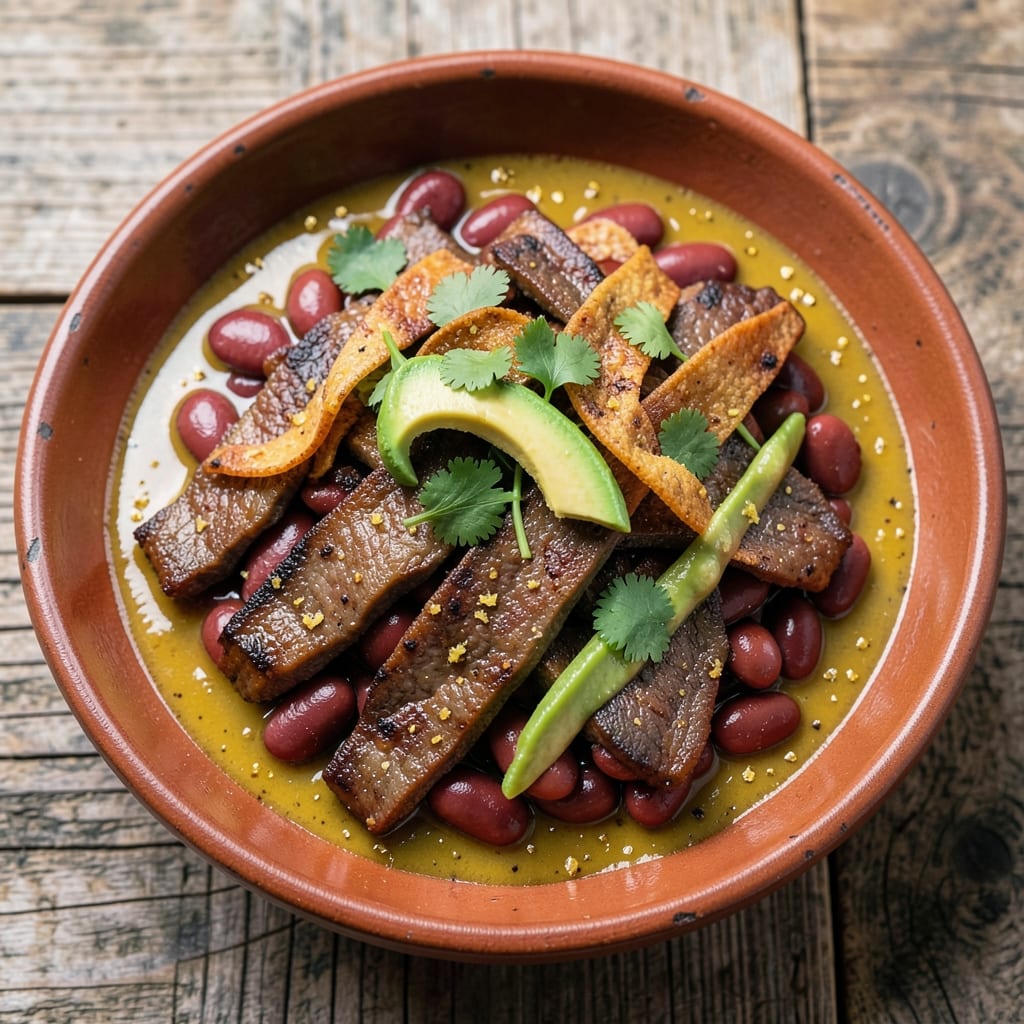
This authentic machaca beef recipe brings the bold flavors of Northern Mexican cuisine to your kitchen with smoky, crisped beef chews that transform simple tacos into a restaurant-worthy meal. Traditionally made by air-drying beef thinly sliced and then rehydrating it, machaca delivers a texture unlike any other—tender yet chewy, with a deep, savory richness that pairs perfectly with eggs, beans, or fresh salsa. What sets this version apart is the dehydrator method, which ensures even drying and a consistent texture that’s foolproof for beginners and seasoned cooks alike.
The process starts with thinly sliced flank steak, seasoned simply with salt and smoked paprika before being dehydrated until it reaches that signature leathery texture. Once rehydrated in warm broth or water, the beef absorbs flavor deeply, making it incredibly versatile—scrambled with eggs for huevos machaca, shredded into tacos, or even served in burritos. The key to authenticity lies in the slow, even drying and the careful rehydration, which transforms tough cuts into melt-in-your-mouth bites that hold up to bold toppings.
By the time you’re done, you’ll have a pantry staple that’s ready to elevate any meal—whether it’s breakfast tacos, a hearty stew, or a quick weeknight dinner. The smoky depth of the beef pairs beautifully with charred corn tortillas, creamy avocado, and a tangy salsa verde, creating a dish that’s as satisfying as it is authentic. This isn’t just a recipe; it’s a taste of tradition, simplified for your home kitchen.
Ready to master the technique? The steps are straightforward, but the result is unmistakably authentic—no shortcuts, just the real deal. Let’s get started on creating machaca that’ll have everyone asking for seconds.
Ingredients for authentic machaca beef
Gather these essential ingredients for smoky, restaurant-quality machaca that transforms simple tacos into something extraordinary.
| Ingredient | Amount | Notes |
|---|---|---|
| Flank Steak 🥩 | 1 ½ lb | Thinly sliced against grain |
| Smoked Paprika 🌶️ | 1 tbsp | High-quality, not pre-mixed |
| Kosher Salt 🧂 | 1 ½ tsp | Diamond Crystal preferred |
| Beef Broth 🍲 | 2 cups | Low-sodium, homemade or store-bought |
| Lime Juice 🍋 | 1 tbsp | Freshly squeezed, for rehydration |
| Garlic Cloves 🧄 | 2 cloves | Minced, for rehydration broth |
| Cumin Seeds 🌿 | ½ tsp | Toasted, for extra depth |
| Corn Tortillas 🌽 | 8 whole | For serving, charred if possible |
| Avocado 🥑 | 1 whole | Mashed, for garnish |
| Fresh Cilantro 🌿 | ¼ cup | Chopped, for garnish |
| Sour Cream 🧀 | ¼ cup | For serving, optional |
| Olive Oil 🫒 | 1 tbsp | For slicing and dehydrating |
| Dried Oregano 🍃 | ½ tsp | Mexican oregano if available |
The flank steak is non-negotiable here—it’s lean, flavorful, and slices beautifully against the grain. Look for USDA Choice or Prime at Whole Foods or your local butcher shop, where they’ll slice it paper-thin for you (or do it yourself with a sharp knife). The smoked paprika should be Penzeys or a trusted brand—avoid the cheap, dusty stuff that’s been sitting on shelves. For the beef broth, homemade is ideal, but Pacific Foods or Annie’s low-sodium options work perfectly. Toast your cumin seeds** in a dry pan for 30 seconds before grinding—they’ll add a nutty depth that store-bought powder can’t match.
No smoked paprika? Substitute 1 tsp chipotle powder for heat and smokiness, but reduce the salt slightly since chipotle can be salty. Running out of lime juice? A splash of apple cider vinegar works in a pinch (though it won’t be as bright). For the corn tortillas, Mission or La Banderita are the gold standard—char them quickly over a gas flame for that authentic smoky crunch. The avocado should be ripe but firm; if it’s too soft, it’ll turn to mush when mashed. And if you’re avoiding dairy, cashew sour cream (blend soaked cashews with lemon juice and salt) is a game-changer.
Store the dehydrated machaca in an airtight container with parchment paper between layers—it’ll keep for up to 2 weeks in the pantry. Once rehydrated, it’s best used within 3 days (or freeze for 3 months). Prep ahead by dehydrating the beef in advance, then rehydrate it quickly when you’re ready to serve. The rehydrated beef reheats beautifully—just warm it in the broth with a splash of water until tender. Leftovers? Toss them into scrambled eggs for huevos machaca—trust me, it’s a breakfast game-changer.
Why You'll Love This Recipe
- Here’s what sold me: that perfect balance of deep, smoky heat from the paprika and bright, tangy punch from the lime juice. The beef broth keeps it moist, but it’s the citrus cut that makes every bite feel fresh—like a flavor upgrade without extra effort.
- One-Pan Magic: Honestly, I swear by this recipe because it’s that easy. Slice the flank steak thin, toss it with smoked paprika and salt, then let the oven do the work while you sip your coffee. No flipping, no fuss—just tender, smoky beef that practically falls apart.
- Smoky-Lime Zing: Here’s what sold me: that perfect balance of deep, smoky heat from the paprika and bright, tangy punch from the lime juice. The beef broth keeps it moist, but it’s the citrus cut that makes every bite feel fresh—like a flavor upgrade without extra effort.
- Weeknight Workhorse: Between us, this is my go-to when I’m scrambling for dinner. Serve it over rice, toss it in eggs, or pile it onto tortillas—it’s equally at home as a quick breakfast scramble or a hearty weeknight supper. (Yes, even on a Tuesday night.)
Step-by-step instructions for authentic machaca beef
Here's how to transform tough flank steak into tender, smoky machaca chews perfect for tacos.
Prepare the Flank Steak for Dehydration
Start by slicing the 1.5 lb flank steak thinly against the grain into ¼-inch thick strips. I like to use a sharp boning knife for clean cuts—this ensures even dehydration. Place the sliced steak in a bowl and rub it with 1 tbsp olive oil, 1 tbsp smoked paprika, 1.5 tsp kosher salt, and 0.5 tsp dried oregano. The oil helps prevent sticking during dehydration, while the spices give that authentic smoky flavor.
Let the seasoned steak marinate for 30 minutes at room temperature. This allows the spices to penetrate the meat and creates a better texture. Arrange the slices in a single layer on dehydrator trays, making sure they don't overlap. If you don't have a dehydrator, you can use an oven set to 175°F with the door slightly open for airflow.
Dehydrate Until Leathery
Dehydrate the steak for 8-12 hours until it becomes leathery but still pliable. You'll know it's ready when it shrinks significantly and pulls away from the tray easily. The exact time depends on your dehydrator's strength—check periodically after 6 hours. If using an oven, it may take 12-16 hours. This slow process transforms tough flank steak into tender, chewy machaca.
Here's the thing—don't rush this step. The longer it dehydrates, the more intense the flavor becomes. If it starts to dry out too much, you can rehydrate it later, but you can't reverse over-dehydration. Once done, let the machaca cool completely before handling.
Rehydrate with Flavorful Broth
In a saucepan, combine 2 cups beef broth, 1 tbsp lime juice, and 2 cloves minced garlic. Bring to a simmer and let it cook for 5 minutes to infuse the flavors. Add the 0.5 tsp toasted cumin seeds and simmer for another 2 minutes. The cumin adds a subtle earthiness that complements the smoky paprika.
Pour the hot broth over the cooled machaca in a bowl and let it soak for 30-45 minutes. You'll see the machaca absorb the liquid and become tender again. If it's not fully rehydrated after 30 minutes, add a splash more broth. The goal is to create a texture that's chewy but not dry—think of it like a cross between jerky and tender beef.
Serve with Classic Taco Toppings
Warm the 8 whole corn tortillas on a dry skillet over medium heat until slightly charred—this adds another layer of flavor. To assemble, place 2-3 pieces of machaca in each tortilla. Top with mashed avocado, chopped fresh cilantro, and a dollop of sour cream. The creamy avocado and cool sour cream balance the smoky, spicy machaca beautifully.
For an extra kick, squeeze a little more lime juice over the top right before serving. The acidity cuts through the richness and brightens all the flavors. Serve immediately while the tortillas are still warm and the machaca is tender. This dish is all about the contrast—crispy tortillas, chewy machaca, and creamy toppings coming together in every bite.
Pro Tips For Making Authentic Machaca Beef
- Slice Against the Grain: Flank steak’s muscle fibers run in one direction—cutting perpendicular to them shortens the strands and makes every bite tender. I used to ignore this and ended up with chewy machaca. Grab a sharp knife and slice thin after cooking, not before. ---
- Char the Paprika: Smoked paprika loses its depth if it just dissolves. Toast it in a dry skillet over medium heat for 30 seconds until it smells like campfire and smoke—this deepens the flavor. Skip this, and your machaca tastes like dusted cardboard. ---
- Deglaze Aggressively: After searing the beef, don’t let those browned bits go to waste. Scrape the pan with a wooden spoon, then immediately pour in the beef broth and lime juice. Those bits are flavor bombs—ignore them, and you’re missing half the taste. ---
- Rest Before Shredding: Let the machaca sit off the heat for 5 minutes under foil before shredding. Hot meat pulls apart like wet paper; rested meat shreds cleanly and absorbs the broth like a sponge. I learned this the hard way when my first batch turned into a sad, stringy mess.
Health benefits of authentic machaca beef
Protein Powerhouse
Machaca delivers a high-protein punch—about 40 grams per serving—making it an excellent choice for muscle repair and satiety. The dehydration process concentrates the beef's protein while reducing fat, giving you lean, flavorful bites without the guilt. I love serving it for breakfast or post-workout meals because it keeps me full for hours. 💪
Iron for Energy
This dish is packed with iron from the beef, essential for oxygen transport in your blood. A 6-ounce serving provides roughly 3.5mg of iron—about 20% of your daily needs. Pair it with vitamin C-rich toppings like lime or avocado to boost iron absorption even further. My energy levels noticeably improve when I include machaca in my meals.
Rich in B Vitamins
The beef used in machaca contains B vitamins, particularly B12 and niacin, which support metabolism and nerve function. These nutrients help convert food into energy, making machaca a great option for busy days. The slow cooking process preserves these vitamins better than quick cooking methods. 💡
Low-Fat, High-Flavor
Unlike traditional beef dishes, machaca is naturally low in fat because the dehydration process removes excess moisture and some fat content. However, it still delivers bold, smoky flavors that satisfy cravings without the heaviness. This makes it perfect for those watching their fat intake but still want flavorful meals.
Versatile for Diets
Machaca works well in low-carb, keto, and gluten-free diets when served with appropriate sides. Skip the tortillas and enjoy it with sautéed spinach or cauliflower rice. The protein and fiber combo makes it a balanced meal option. I've even used it as a taco meat substitute in lettuce wraps for a lighter version.
Antioxidant Boost
The smoked paprika and cumin used in this recipe add antioxidant benefits. These spices help combat oxidative stress and inflammation in the body. The combination of these ingredients creates a flavor profile that's not only delicious but also beneficial for your health. 🌿
Nutrition facts
Frequently asked questions
Can I use a different cut of beef instead of flank steak?
Flank steak is ideal for machaca because of its lean texture and flavor, but you can use skirt steak or sirloin in a pinch. Avoid fatty cuts like ribeye—they won’t dry properly. If substituting, slice the meat even thinner (⅛-inch max) to ensure proper dehydration. The texture will be slightly different but still delicious!
How do I store dehydrated machaca for later use?
Store your dehydrated machaca in an airtight container with parchment paper between layers to prevent sticking. It’ll keep in the pantry for up to 2 weeks or in the freezer for 3 months. When ready to use, simply rehydrate it in warm broth—no need to thaw if frozen!
What’s the difference between red and green machaca?
Traditional red machaca uses tomatoes or tomato sauce in the rehydration broth, giving it a tangy depth. Green machaca replaces tomatoes with tomatillos and cilantro for a fresher, herbaceous flavor. Both versions work with this recipe—just adjust the broth accordingly. The green version pairs especially well with avocado!
Can I make machaca without a dehydrator?
Use an oven set to 175°F with the door slightly open for airflow. Arrange the beef slices on a baking sheet with parchment paper and dehydrate for 12-16 hours. For faster results, try a food dehydrator or even a low-and-slow smoker (160°F for 8-10 hours). Just monitor closely to avoid over-drying!
Why did my machaca turn out too dry after rehydration?
This usually happens if the beef was over-dehydrated or the rehydration broth wasn’t hot enough. Next time, check the texture after 8 hours in the dehydrator—it should be pliable but firm. For rehydration, use simmering broth (not boiling) and let it soak for 45-60 minutes. If needed, add a splash of warm water to restore moisture.