
Main Courses
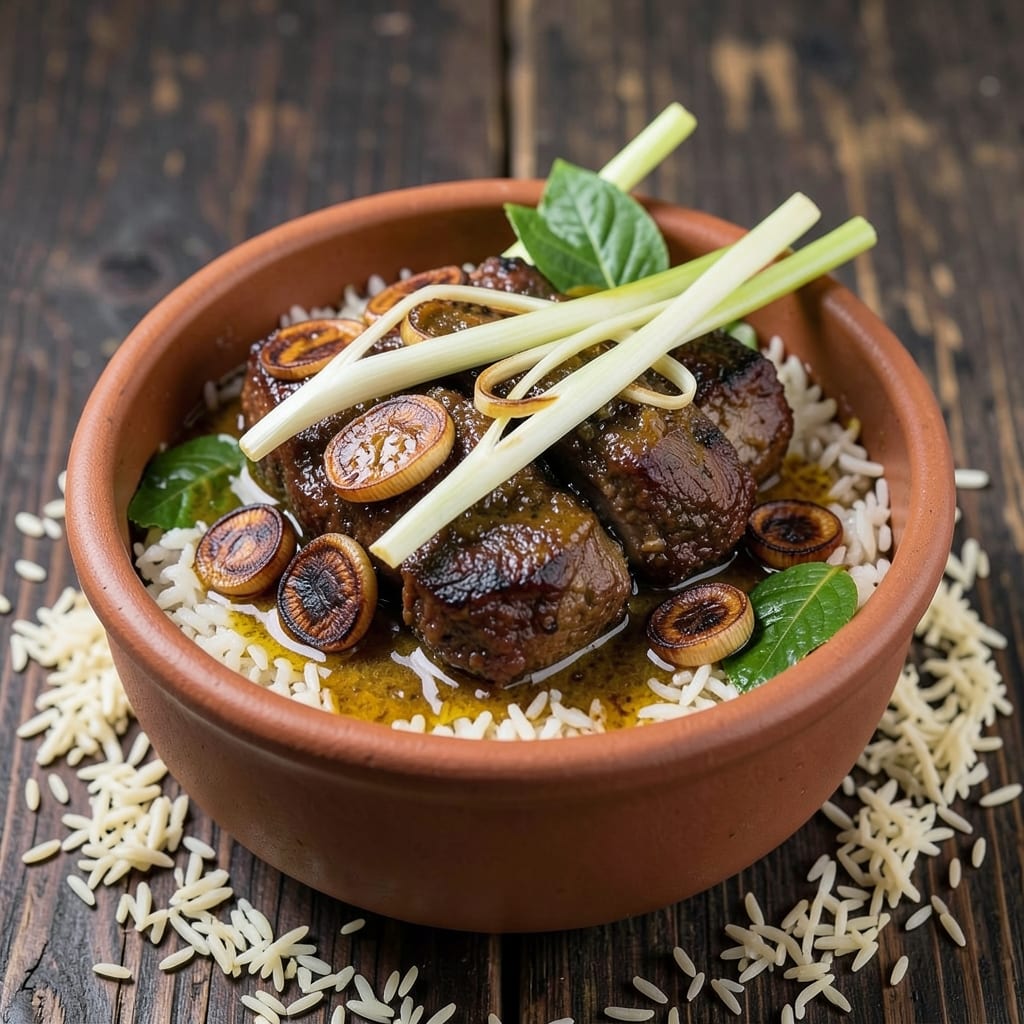
This authentic Malaysian beef rendang recipe transforms tough beef into melt-in-your-mouth tenderness through slow caramelization and complex spice blends. 🌟 The key lies in balancing sweet, spicy, and sour flavors—traditional techniques that create a sauce so rich it becomes the star. What sets this dish apart is the patience required: hours of simmering until the beef and coconut milk reduce into a fragrant, sticky glaze.
The process begins with marinating beef in turmeric, galangal, and lemongrass, then slow-cooking it with layers of coconut milk and aromatic spices like cinnamon, cardamom, and star anise. This isn’t just a dish—it’s a sensory experience where every bite delivers deep umami, subtle heat, and a caramelized sweetness that lingers. The result? A restaurant-quality meal that feels like a celebration on your table.
Perfectly paired with steamed jasmine rice and a cool cucumber salad, this rendang delivers the full Malaysian dining experience. The sauce clings to each piece of beef, offering a balance of textures—tender meat, crispy edges, and a velvety sauce that’s worth every hour spent. This is comfort food at its finest, with flavors that tell a story.
Whether you're serving a family gathering or treating yourself to a taste of Malaysia, this recipe delivers authenticity without compromise. The slow-cooking method ensures the beef becomes fork-tender while developing layers of flavor that can’t be rushed. Trust the process, and you’ll have a dish that tastes like home—even if your home is halfway across the world.
Ingredients for authentic malaysian beef rendang
Sixteen ingredients transform tough beef into restaurant-quality rendang through slow caramelization and aromatic spices.
| Ingredient | Amount | Notes |
|---|---|---|
| Beef Chuck Roast 🥩 | 3 lb | Cut into 2-inch cubes, marbling preferred |
| Coconut Milk 🥥 | 2 cans | Full-fat, thick variety for richness |
| Turmeric Powder 🌿 | 1 tbsp | Freshly ground for vibrant color |
| Galangal 🍃 | 1 piece | Fresh, peeled, sliced thin (substitute ginger) |
| Lemongrass 🌿 | 2 stalks | Bruised, lower halves only |
| Shallots 🧅 | 6 whole | Minced, for aromatic base |
| Garlic Cloves 🧄 | 8 cloves | Peeled, minced for depth |
| Cinnamon Sticks 🌿 | 2 whole | For aromatic complexity |
| Cardamom Pods 🌶️ | 6 whole | Lightly crushed for flavor |
| Star Anise 🌶️ | 4 whole | Whole pods for infusion |
| Kaffir Lime Leaves 🍋 | 4 whole | Torn, for citrusy aroma |
| Shrimp Paste 🍤 | 1 tbsp | Traditional umami base (substitute fish sauce) |
| Brown Sugar 🍚 | ½ cup | For caramelization balance |
| Coconut Oil 🫒 | 2 tbsp | For authentic frying |
| Salt 🧂 | 1 ½ tsp | Diamond Crystal preferred |
| Black Peppercorns 🌶️ | 1 tsp | Freshly cracked for heat |
The beef is non-negotiable—chuck roast delivers the best texture, though brisket or short ribs work too. Look for good marbling at Whole Foods or your local Asian market; the fat renders into flavor. Galangal and kaffir lime leaves are the heart of this dish—Thai markets carry them fresh, or substitute ginger and lime zest. For shrimp paste, Thai Kitchen brand is reliable, but if you can't find it, 1 tbsp fish sauce bridges the gap. The coconut milk should be full-fat and thick—none of that watery stuff. Two cans of Thai Kitchen brand is my go-to for consistency.
No galangal? Double the ginger and add a splash of lime juice. Short on kaffir lime leaves? Lime zest plus a bay leaf mimics the citrusy aroma. The shrimp paste can be skipped if you're avoiding seafood, but 1 tbsp soy sauce adds umami. For a quicker version, pre-minced shallots and garlic save time, though fresh is ideal. The brown sugar helps caramelize the sauce—muscovado or coconut sugar deepens the flavor. If you can't find star anise, 1 tsp anise seeds or even a pinch of fennel seeds works. The spices need to toast lightly in the coconut oil—don't skip this step—it builds the aromatic base.
This rendang tastes even better the next day as the flavors meld. Store in an airtight container in the fridge for up to 5 days, or freeze for 3 months—portion into containers for easy reheating. The sauce thickens as it cools, so add a splash of water or coconut milk when reheating. Serve with jasmine rice and a simple cucumber salad to cut the richness. Leftovers reheat beautifully—low and slow in a skillet with a splash of water preserves the texture.
Why You'll Love This Recipe
- One-Pot Magic: I swear by this—just sear the beef, toss in the spices (turmeric and galangal do all the work), then let the coconut milk and lemongrass simmer. No flipping pans, no mess, and honestly, the slow cooker makes it even easier.
- Deep, Complex Heat: That first bite? Rich, smoky, and layered with warmth from the galangal and lemongrass—it’s not just spicy, it’s balanced. The turmeric gives it that golden glow, but the real star is how the beef gets tender and infused with every spice.
- Leftovers That Beg for More: Between us, this tastes better the next day. I make a big batch on Sundays, and by Wednesday, the fridge is empty because it’s that good. Freezes like a dream too—just reheat and serve.
- Weeknight Crowd-Pleaser: My in-laws think I’m some kind of chef, but this is my secret weapon. It’s hearty enough for a dinner party but unfussy enough for a Tuesday night. (Yes, even on a Tuesday night.)
Step-by-step instructions for authentic Malaysian beef rendang
Here's the traditional method that delivers deep, caramelized flavors and tender beef every time.
🔥 Step 1: Prepare the Spice Paste for Maximum Flavor
In a food processor, combine the 6 whole minced shallots, 8 cloves minced garlic, 1 piece sliced galangal, 1 tbsp shrimp paste, 1 tbsp turmeric powder, 1.5 tsp salt, and 1 tsp cracked black peppercorns. Process until you achieve a smooth, thick paste—this is your flavor foundation. The paste should be vibrant yellow from the turmeric and have a strong aromatic scent.
Transfer the paste to a bowl and set aside. Here's the thing—this paste needs time to develop its flavors. Let it sit at room temperature for 15 minutes while you prepare the beef. This resting period allows the spices to marry together, creating a more complex flavor profile when we cook it.
🍳 Step 2: Sear the Beef in Coconut Oil for Deep Flavor
Heat 2 tbsp coconut oil in a heavy Dutch oven over medium-high heat until shimmering. Working in batches to avoid crowding, sear the 3 lb beef chuck roast cut into 2-inch cubes for 2-3 minutes per side until deeply browned. You're building flavor here—those browned bits (fond) will dissolve into the sauce later.
As you sear, remove the beef and set it aside. Don't drain the Dutch oven—those precious browned bits contain concentrated flavor. Here's where it gets fun: add the spice paste to the same pot and cook over medium heat for 3-4 minutes, stirring constantly until fragrant. This step develops the spices' essential oils and creates the aromatic base for your rendang.
🥘 Step 3: Build the Spiced Coconut Milk Base
Pour in 1 can coconut milk, scraping up all those flavorful browned bits from the bottom of the pot. Add the 2 whole cinnamon sticks, 6 whole cardamom pods, 4 whole star anise, and 4 whole kaffir lime leaves. Bring to a gentle simmer over medium-low heat, then reduce heat to low and let it cook uncovered for 15 minutes—this allows the spices to infuse and the coconut milk to thicken slightly.
Here's the critical part: stir in the seared beef and any accumulated juices. The beef should be mostly submerged in the coconut milk mixture. Add the 0.5 cup brown sugar now—it will caramelize beautifully as we cook, adding that signature sweet-savory balance. This is where the magic begins; the long, slow cooking transforms everything into a harmonious dish.
⏰ Step 4: Slow-Cook Until Caramelized and Tender
Cover the Dutch oven and transfer it to a 300°F oven (or use a stovetop method with very low heat). Cook for 3 hours, then carefully uncover and stir. You'll see the coconut milk has reduced significantly and developed a thick, glossy sauce with caramelized edges. This is your visual cue that the flavors are deepening.
Return to the oven (covered) and cook for another 1.5 hours, stirring every 30 minutes to prevent sticking. The beef should be fork-tender with a rich, dark sauce clinging to it. If the sauce becomes too thick, add 2-3 tablespoons water to maintain moisture. Patience is key here—this slow cooking develops the complex, caramelized flavors that define authentic rendang.
🍽️ Step 5: Finish and Serve with Traditional Accompaniments
Once the beef is tender and the sauce has thickened to your desired consistency, remove from heat. Discard the whole spices and kaffir lime leaves. Taste and adjust seasoning—you might want to add a pinch more salt or a splash of water if needed. The sauce should be rich, slightly sweet, and deeply aromatic with layers of spice.
Serve immediately with steamed jasmine rice and traditional accompaniments like cucumber slices or a simple green salad. The rendang will continue to improve as it sits, with flavors deepening over time. This dish tastes even better the next day, so it's perfect for meal prep or special occasions where you want to impress your guests with authentic Malaysian flavors.
Pro Tips For Making Authentic Malaysian Beef Rendang
- BROWN THE BEEF FIRST: Skip straight to the coconut milk—sear the beef chuck in batches until deep golden, not just pink. That crust locks in flavor and prevents the meat from turning mushy later (yes, even if you’re impatient like me).
- GRATE THE GALANGAL: Buy fresh galangal and grate it—no need for thin slices. The rough texture releases more aroma and blends better into the paste, cutting through the coconut milk’s richness. I used to chop it finely, but this makes a real difference.
- LOW AND SLOW AFTER 2 HOURS: After the paste caramelizes, drop the heat to a simmer and cover loosely. Too much heat now and you’ll end up with a burnt paste and dry beef—trust me, I’ve seen it. Let it cook at 160°F (70°C) for the last 3 hours.
- USE FULL-FAT COCONUT MILK: Light coconut milk will separate and make the sauce watery. Splurge on the can with 60%+ fat—it thickens naturally as it cooks, giving you that signature glossy, clingy sauce without extra thickening. (Your future self will thank you.)
Flavor customization for this recipe
Spice Level Control
Adjust heat by modifying the shrimp paste or chili content. For mild rendang, reduce shrimp paste to ½ tbsp and skip the optional ½ tsp chili flakes in the spice paste. For medium heat, use 1 tbsp shrimp paste plus ½ tsp chili flakes. For fiery rendang, add 1 tbsp sambal oelek (Malaysian chili paste) after cooking and simmer for 5 minutes to meld flavors. 🌶️
Sweetness Balance
Control the caramelized sweetness by adjusting the brown sugar. For less sweet rendang, reduce to ¼ cup and add 1 tbsp tamarind paste for tangy depth. For extra sweetness, increase to ⅔ cup brown sugar and add 1 tsp coconut sugar to enhance the caramelization. Taste the sauce before serving—it should be slightly sweet, not cloying.
Coconut Milk Variations
Experiment with different coconut milk types for texture and flavor. Use light coconut milk (1 can) for a lighter sauce, but add 2 tbsp coconut cream at the end for richness. For extra creaminess, replace ½ can coconut milk with ½ cup coconut cream during the slow-cooking phase. This creates a thicker, more luxurious sauce perfect for special occasions.
Umami Boosters
Enhance the savory depth by adding umami-rich ingredients. Stir in 1 tbsp soy sauce or 1 tsp fish sauce during the final 30 minutes of cooking. For a vegetarian version, replace shrimp paste with 1 tbsp miso paste and add 1 tbsp nutritional yeast for a meaty flavor. These adjustments work especially well if you're substituting traditional ingredients.
Texture Adjustments
Create crispy edges by broiling the beef for 2-3 minutes at the end of cooking. Alternatively, for extra tenderness, add 1 cup beef broth during the slow-cooking phase to keep the beef moist. If the sauce becomes too thick, thin it with 2 tbsp water or coconut milk—just enough to reach a glossy, spoonable consistency.
Regional Twists
For a Sumatran-style rendang, add 1 tbsp candlenut paste (or sub with ½ cup roasted peanuts) for nutty depth. For a Minangkabau variation, include 1 tsp coriander seeds and 1 tsp fennel seeds in the spice paste. These regional adaptations add unique layers of flavor while staying true to the dish’s slow-cooked essence. 🗺️
Nutrition facts
Frequently asked questions
Why does authentic Malaysian beef rendang require such a long cooking time?
The extended cooking time—4.5 hours total—is essential for developing the dish's signature caramelized flavors and tender texture. The slow process allows the beef to break down gradually while the coconut milk reduces into a rich, sticky sauce. This method creates the perfect balance of sweet, spicy, and savory notes that define traditional rendang.
Can I substitute any of the traditional spices like galangal or kaffir lime leaves?
Yes, but with adjustments for authenticity. Replace galangal with ginger (double the amount) and add lime zest. For kaffir lime leaves, use lime zest plus a bay leaf. Shrimp paste can be swapped for fish sauce (1 tbsp) or soy sauce (1 tbsp) for umami depth. While substitutions work, they'll alter the dish's unique aromatic profile slightly.
How do I know when the beef is tender enough?
The beef should be fork-tender with no resistance when pierced. After 3 hours of cooking, test a piece—it should fall apart easily. If not, continue cooking another 30 minutes to 1 hour. The sauce should also thicken noticeably, developing a glossy sheen and caramelized edges. Never rush this step for authentic results.
Can I make beef rendang in a slow cooker or Instant Pot?
For a slow cooker, brown the beef first, then transfer everything to the pot and cook on low for 6-7 hours. For an Instant Pot, use the "Sauté" function to brown the beef, then pressure cook on high for 45 minutes, followed by a 10-minute natural release. Both methods work well, though oven-baking develops deeper caramelization.
What's the best way to store and reheat beef rendang?
Store in an airtight container in the fridge for up to 5 days or freeze for 3 months. To reheat, warm gently in a skillet with a splash of water or coconut milk over low heat for 10-15 minutes. The flavors actually improve overnight as the sauce continues to meld—this is why it tastes even better the next day!