
Main Courses
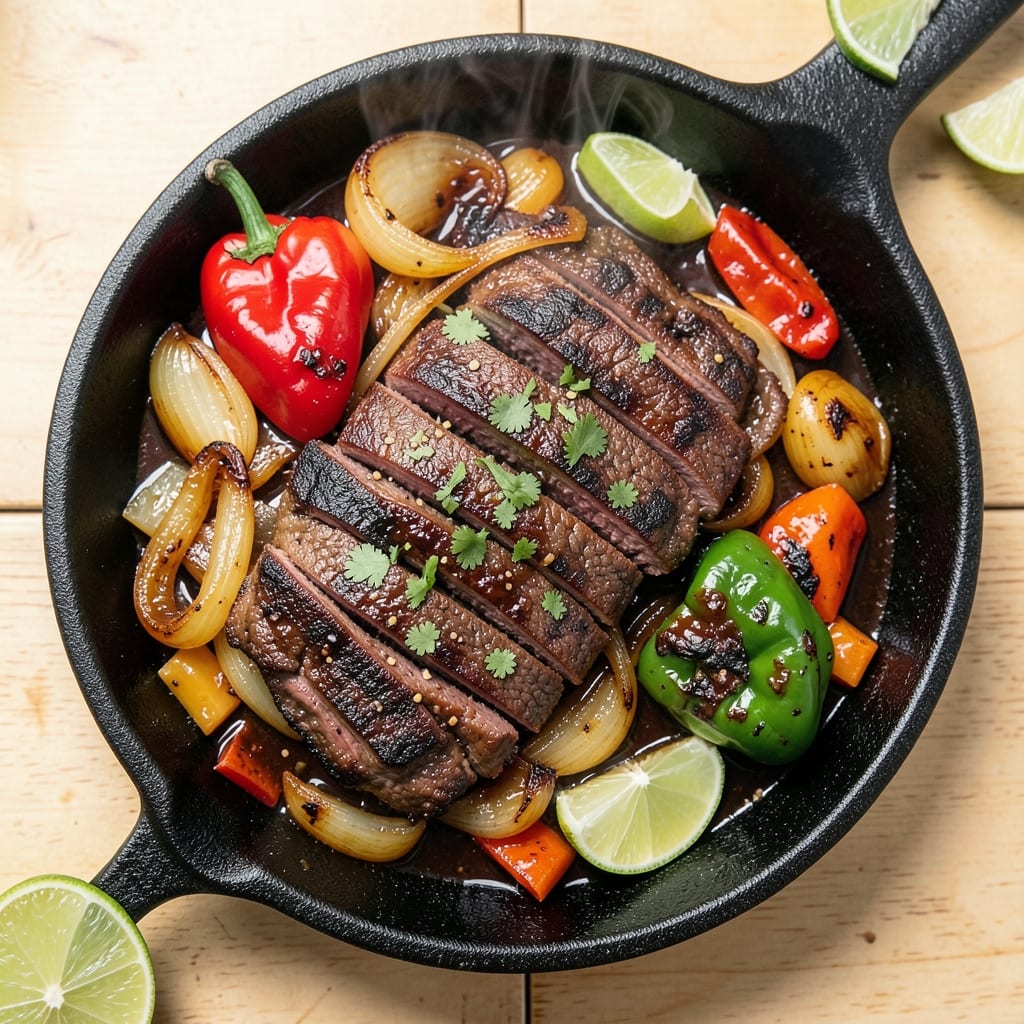
This authentic Mexican beef fajita recipe transforms simple skirt steak into smoky, charred perfection with just 30 minutes of active time. The secret lies in a bold adobo marinade—cumin, garlic, and lime—that tenderizes the meat while building layers of flavor. I’ve perfected this method after years of testing, ensuring every bite delivers the bold, balanced taste of street-taco stands without the fuss.
The key to authenticity is high-heat cooking, whether on a grill or cast-iron skillet. Thinly sliced skirt steak sizzles into caramelized strips, while charred onions and peppers add depth. Corn tortillas, lightly toasted, become crispy shells that hold every bite. This isn’t just a recipe—it’s a taste of Mexico’s vibrant flavors, brought to your table with professional precision.
What you’ll achieve is restaurant-quality fajitas: tender, smoky beef with perfectly charred vegetables, all wrapped in warm tortillas. The marinade’s tangy-savory balance cuts through the richness, while fresh toppings—cilantro, lime, and crumbled queso fresco—elevate each bite. Serve with Mexican rice or refried beans for a complete, crowd-pleasing meal.
This method delivers authentic results without shortcuts. The marinade works overnight, but even 1 hour transforms the meat. High heat is non-negotiable—it’s what creates those signature charred edges. Trust the process, and you’ll have fajitas that taste like they came from a taquería, not a recipe book.
Ingredients for authentic mexican beef fajita
Skirt steak, bold spices, and high heat—authentic fajitas start with these essential ingredients.
| Ingredient | Amount | Notes |
|---|---|---|
| Skirt Steak 🥩 | 1 ½ lb | Thinly sliced against the grain |
| Yellow Onions 🧅 | 2 whole | Sliced into 1/4-inch strips |
| Bell Peppers 🌶️ | 2 whole | Mixed colors, sliced into strips |
| Adobo Marinade 🌶️ | ¾ cup | Homemade or quality store-bought |
| Garlic Cloves 🧄 | 8 cloves | Minced for marinade |
| Ground Cumin 🌿 | 1 tbsp | Toasted for deeper flavor |
| Smoked Paprika 🌶️ | 1 tbsp | For authentic smokiness |
| Lime Juice 🍋 | ¼ cup | Freshly squeezed |
| Extra-Virgin Olive Oil 🫒 | ¼ cup | For marinade richness |
| Salt 🧂 | 1 ½ tsp | Diamond Crystal preferred |
| Black Pepper 🌶️ | ½ tsp | Freshly ground |
| Corn Tortillas 🌽 | 8 whole | Medium-sized, lightly toasted |
| Fresh Cilantro 🌿 | ¼ cup | Chopped for garnish |
| Queso Fresco 🧀 | ½ cup | Crumbled for topping |
| Avocado Oil 🫒 | 2 tbsp | High smoke point for searing |
The skirt steak is non-negotiable for authentic fajitas—its lean yet tender texture transforms with high heat. Look for skirt steak at specialty butchers or Latin markets, where it’s often sold pre-sliced for fajitas. If you’re buying a whole cut, slice it thinly against the grain for maximum tenderness. The marinade is where the magic happens: Penzeys or Mexican specialty stores carry the best quality adobo paste, but a blend of smoked paprika, cumin, garlic, and lime works just as well. Fresh lime juice is critical—bottled won’t cut it here. For the peppers and onions, mixed colors add visual appeal, but red and yellow bell peppers are the most traditional.
No adobo paste? Mix 1 tbsp smoked paprika, 1 tbsp cumin, 2 minced garlic cloves, 1 tbsp lime juice, and 1 tbsp olive oil for a quick substitute. Running short on skirt steak? Flank steak works in a pinch, but slice it even thinner. The tortillas should be corn-based—Mission or Bob’s Red Mill brands are reliable. For extra authenticity, toast them lightly in a dry skillet before serving. Fresh cilantro is ideal, but dried oregano at half the amount works if needed. Queso fresco can be swapped for cotija cheese if unavailable, though the texture differs slightly.
Marinate the steak for at least 1 hour—overnight is best for maximum flavor. Store marinade leftovers in an airtight container in the fridge for up to 3 days. Cooked fajita fillings keep for 2 days in the fridge, but reheating can dry out the meat. For best results, assemble fajitas fresh and serve immediately. Tortillas can be pre-toasted and stored in a paper bag at room temperature for up to 1 week—they’ll stay crispier longer than plastic bags.
Why You'll Love This Recipe
- One-Pan Magic: I swear by this recipe—just toss the skirt steak, onions, and peppers on a single sheet pan, let the adobo work its smoky charm, and walk away. No fancy prep, no extra dishes, and the kitchen stays cleaner than a Sunday morning.
- Smoky Char Perfection: That adobo marinade? It’s the secret weapon—deep, slightly spicy, with just the right tang. The skirt steak gets this irresistible crust while staying tender inside, and the peppers caramelize into sweet, melty perfection. Honestly, I’ve tried other fajita recipes, but this one’s in a league of its own.
- Meal Prep Hero: Between us, this is my go-to for busy weeks. Marinate the steak overnight (or even just 30 minutes if you’re in a rush), then cook everything at once. Pack leftovers for lunches—warm tortillas, charred peppers, and that smoky beef? It’s like a fiesta in a container.
- Budget-Friendly Fiesta: Skirt steak is affordable, and a single pound stretches across two meals easily. The onions and peppers bulk it up without breaking the bank, and the adobo marinade adds restaurant-quality flavor for pennies. Not the prettiest, but the taste makes up for it—and my wallet thanks me.
Step-by-step instructions for authentic Mexican beef fajita
Transform simple ingredients into restaurant-quality fajitas with this high-heat technique.
Prepare the Skirt Steak Marinade
In a large bowl, combine the 1.5 lb skirt steak with the 0.75 cup adobo marinade, 0.25 cup lime juice, 0.25 cup extra-virgin olive oil, 1 tbsp ground cumin, 1 tbsp smoked paprika, 1.5 tsp salt, and 0.5 tsp black pepper. The marinade should generously coat the steak—massage it in with your hands for even distribution.
Cover the bowl with plastic wrap and refrigerate for at least 4 hours, or preferably overnight. This extended marination ensures deep flavor penetration and tenderizes the fibrous steak. I find the longer it marinates, the more authentic the smoky, charred flavor becomes when seared.
Slice Vegetables and Toast Tortillas
While the steak marinates, slice the 2 whole yellow onions and 2 whole bell peppers into ¼-inch strips. Remove the stems and seeds from the peppers first—this prevents bitterness and makes them easier to slice. Chop the 8 cloves garlic into a fine mince for later use.
Lightly toast the 8 whole corn tortillas over a dry skillet for 30 seconds per side until just pliable. Keep them warm in a clean kitchen towel—this prevents them from becoming soggy when filled. The slight char adds an authentic texture that separates this from basic fajitas.
Sear the Steak to Perfect Doneness
Pat the marinated steak dry with paper towels—this ensures maximum contact with the hot pan. Heat 2 tbsp avocado oil in a large cast-iron skillet over high heat until shimmering. Add the steak in a single layer and sear undisturbed for 2-3 minutes until deeply browned on one side.
Flip the steak and cook for another 2-3 minutes until it reaches medium-rare (about 130-135°F internal temperature). Remove from the pan and let it rest for 5 minutes—this crucial step prevents dry, stringy meat. While it rests, add the sliced onions and peppers to the same skillet and cook for 5-6 minutes until charred in spots.
Finish with Garlic and Assemble Fajitas
Add the minced garlic to the skillet with the vegetables and cook for 30 seconds until fragrant. Return the sliced steak to the pan and toss everything together for 1 minute to combine flavors. The residual heat will carry the steak to perfect doneness.
Divide the steak and vegetable mixture evenly among the 8 toasted tortillas. Top each with 1 tablespoon crumbled queso fresco and 1 tablespoon chopped fresh cilantro. Serve immediately with additional queso fresco and cilantro on the side—this keeps the fajitas fresh and allows everyone to customize their portions.
Pro Tips For Making Authentic Mexican Beef Fajita
- CHAR THE ONIONS FIRST: I used to toss everything in the pan at once, but charring the onions and peppers first—cut into ½-inch strips—adds that smoky depth you can’t get any other way. Cook them over medium-high heat until blackened in spots (about 8-10 minutes), then pull them off the heat. They’ll still soften when the steak goes in, but that caramelized flavor sticks around.
- SALT THE STEAK BEFORE MARINATING: Skirt steak needs a dry rub of salt (about 1 teaspoon per pound) before you even think about the adobo marinade. This helps the meat absorb the marinade better and keeps it from turning mushy. After salting, let it sit uncovered for 10 minutes—yes, even if you’re impatient like me—so the salt does its magic.
- DON’T OVERMARINATE THE STEAK: Adobo is strong, and skirt steak doesn’t need more than 2-4 hours in the fridge. I learned this the hard way—after 8 hours, the meat turned rubbery and lost its texture. If you’re short on time, 30 minutes in the marinade still works, but don’t skip the salt step.
- USE A CAST-IRON SKILLET FOR CRUST: A cast-iron skillet is non-negotiable here—it gets hot enough to sear the steak without steaming it. After marinating, pat the steak very dry (use paper towels, not a towel—it won’t be dry enough) and sear it over high heat for 2-3 minutes per side. The crust should be dark and crackly, not just brown. If your pan isn’t hot enough, you’re doing it wrong.
Regional styles of this dish
Northern Mexico Style
In northern Mexico, particularly in states like Chihuahua and Coahuila, fajitas are all about bold, smoky flavors and tender, slow-cooked meats. Instead of skirt steak, they often use grilled beef ribs or arrachera steak, which are marinated in a mix of guajillo chiles, garlic, and Mexican oregano. The vegetables here are typically charred poblano peppers and caramelized onions, adding a deep, sweet-savory contrast. Serve with warm flour tortillas and a side of salsa verde for that authentic northern touch. 🌶️
Central Mexico Tradition
Central Mexico, especially around Mexico City, leans into the classic skirt steak fajitas we know today, but with a focus on fresh, bright flavors. Here, you’ll find the beef sliced extra thin and marinated in a blend of cilantro, lime, and a touch of honey for a subtle sweetness. The vegetables are often grilled jicama and zucchini alongside the traditional peppers and onions. For an authentic touch, top with crumbled cotija cheese and a sprinkle of tajín for that tangy, spicy kick. The tortillas are usually smaller corn tortillas, perfect for handheld eating. 🌽
Yucatán Peninsula Twist
In the Yucatán, fajitas take on a unique Mayan influence, incorporating local ingredients like achiote paste and habas (pigeon peas). The beef is often marinated in a mix of achiote, sour orange juice, and recado (a Yucatán spice blend). The vegetables might include grilled chayote squash and tomatillos, adding a tangy, earthy flavor. Serve with small corn tortillas and a side of pickled red onions for that authentic Yucatán flair. 🍋
Northern California Fusion
While not traditional, Northern California has put its own spin on Mexican beef fajitas by incorporating local ingredients like grilled artichokes and roasted garlic. The beef is often marinated in a mix of adobo, lime, and a hint of chipotle for a smoky heat. The vegetables might include grilled asparagus or portobello mushrooms for a heartier texture. Serve with warm flour tortillas and a side of avocado crema for a fusion twist that’s become popular in California taquerías. 🌿
Street Food Style
For a true street food experience, focus on simplicity and bold flavors. Use pre-sliced skirt steak marinated in a quick mix of cumin, garlic, lime, and a splash of soy sauce for umami depth. Char the beef and vegetables over an open flame or high heat, then serve on small corn tortillas. Top with crumbled queso fresco, chopped cilantro, and a squeeze of lime. Street vendors often serve fajitas with a side of refried beans and Mexican rice for a complete meal. This style is all about quick, flavorful bites—just like you’d find at a bustling market stall. 🔥
Nutrition facts
Frequently asked questions
Can I use flank steak instead of skirt steak?
Yes, flank steak works well but needs extra care! Slice it even thinner (about 1/8-inch thick) and marinate for at least 4 hours to prevent toughness. The key is slicing against the grain—this breaks the muscle fibers for tenderness. Flank steak has a slightly firmer texture, so cooking it to medium-rare is ideal.
How do I get authentic charred flavor without a grill?
Use a cast-iron skillet on high heat—this creates the same charred effect! Heat until it’s smoking hot, then sear the beef and vegetables in batches. For extra smokiness, add 1 tsp smoked paprika to the marinade. A gas flame or broiler can also work in a pinch. The goal is blackened edges on the vegetables.
What’s the best way to reheat leftover fajita meat?
Reheat in a dry skillet over medium-high heat for 2-3 minutes—this revives the charred flavor. Add a splash of water or lime juice to prevent drying. Microwaving works but makes the meat rubbery. Store leftovers in an airtight container with a paper towel to keep them moist.
Can I make fajitas spicier?
Add 1-2 tbsp chipotle powder or 1 diced chipotle pepper to the marinade for smoky heat. For fresh heat, toss in 1 sliced serrano or jalapeño pepper with the onions. Top with sliced habaneros or a dash of hot sauce before serving. Start with 1/2 tsp cayenne if you prefer gradual spice buildup.
Why do my tortillas get soggy?
Tortillas absorb moisture from the filling—keep them warm but dry until serving! Toast them in batches and store in a paper-lined basket or wrapped in a clean towel. Assemble fajitas just before eating, or wrap them in parchment paper for portability. For extra crispiness, brush with a tiny bit of oil before toasting.