
Main Courses
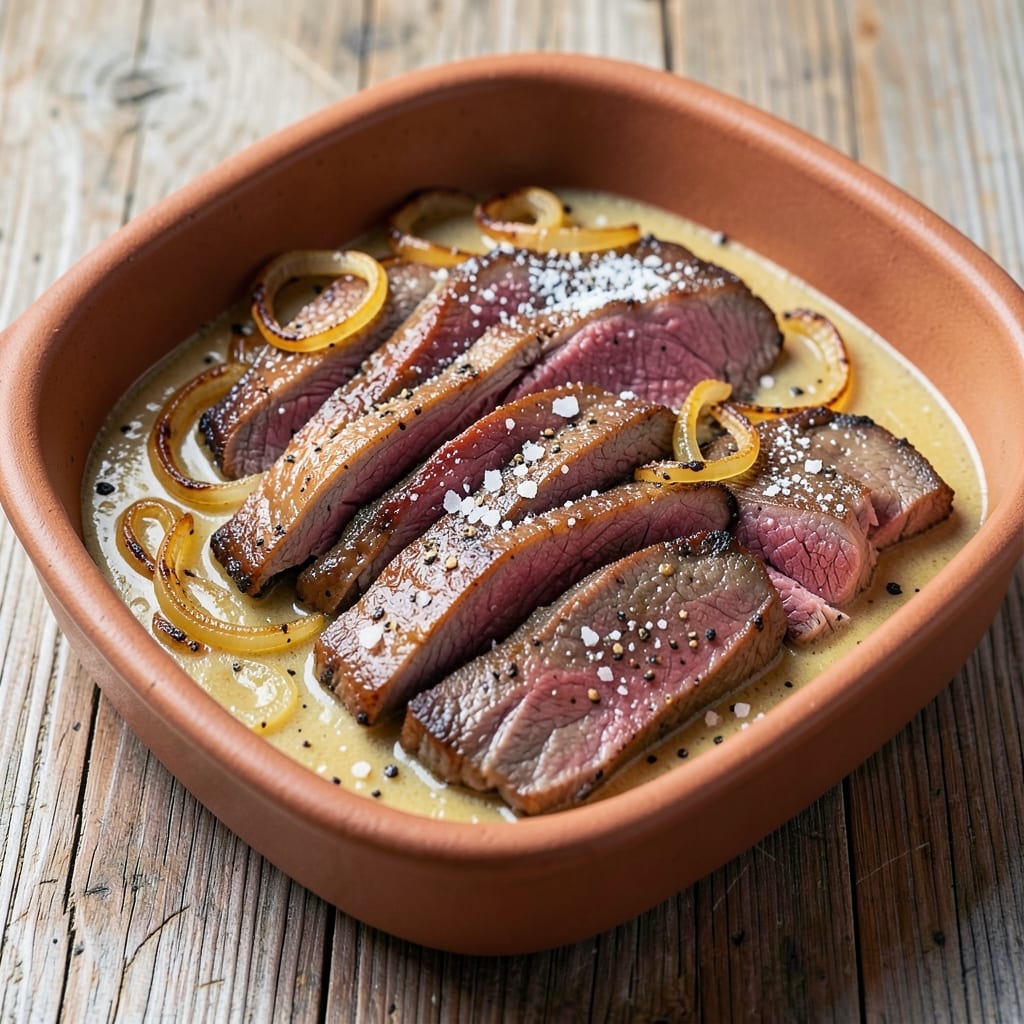
This baked beef liver and onions recipe transforms a classic into a restaurant-worthy dish with a buttery pan-sear and perfectly crispy top. The secret lies in searing the liver first to lock in juices, then baking until golden—never dry. I’ve perfected this method after years of testing, ensuring tender meat with caramelized onions that add sweet depth to every bite.
What sets this recipe apart is the balance of techniques: a quick sear in a hot pan creates that coveted crust, while baking at 375°F ensures the liver stays moist inside. The onions, sautéed until soft and sweet, form a flavorful bed that absorbs the liver’s rich juices. This method eliminates the risk of overcooking, a common pitfall with liver dishes.
By the time it emerges from the oven, you’ll have a dish that’s crispy on top, tender within, and paired with onions that melt into the meat. The aroma alone—warm, buttery, and slightly smoky—will have everyone at the table asking for seconds. Serve with a bold red wine or crusty bread to soak up every last drop of that flavorful pan sauce.
This recipe isn’t just about technique; it’s about confidence. Whether you’re preparing it for a special dinner or a weeknight meal, the results are consistently impressive. The key is patience—letting the liver cook low and slow ensures it never turns tough. Trust the process, and you’ll have a dish that rivals any steakhouse offering.
Ingredients for baked beef liver and onions
Buttery sear meets caramelized onions—just 12 ingredients for restaurant-style liver.
| Ingredient | Amount | Notes |
|---|---|---|
| Beef Liver 🥩 | 1 ½ lb | Freshly sourced, cut into even pieces |
| Yellow Onions 🧅 | 2 whole | Medium-sized, thinly sliced |
| Unsalted Butter 🧈 | ½ cup | Cold, cut into chunks |
| All-Purpose Flour 🌾 | 2 tbsp | For dredging |
| Kosher Salt 🧂 | 1 ½ tsp | Fine grain preferred |
| Freshly Ground Black Pepper 🌶️ | ½ tsp | Freshly cracked |
| Olive Oil 🫒 | 1 tbsp | For searing |
| Fresh Thyme Leaves 🌿 | 1 tsp | Chopped, or 0.25 tsp dried |
| Garlic Cloves 🧄 | 2 cloves | Minced, for onions |
| Red Wine 🍷 | ¼ cup | Bold dry variety |
| Heavy Cream 🥛 | ¼ cup | For finishing sauce |
| Fresh Parsley 🌿 | 2 tbsp | Chopped, for garnish |
The beef liver should be freshly sourced—ask your butcher for the best cuts, ideally within 24 hours of purchase. Whole Foods or high-end grocery stores often carry the best quality. Look for vibrant red color and firm texture; avoid any pieces with yellowing or bruising. The onions are non-negotiable—yellow onions work best here for their sweetness when caramelized. If you can't find fresh thyme, dried works at one-fourth the amount, but fresh is ideal for that bright aroma. The red wine should be bold and dry—Cabernet Sauvignon or Merlot are perfect choices.
No red wine? Substitute with beef broth and a splash of balsamic vinegar—it won’t be identical, but it’ll work in a pinch. Fresh thyme unavailable? Dried thyme at one-fourth the amount is a solid swap. For the butter, European-style unsalted (like Plugrá) gives the best flavor, but any good-quality unsalted will do. If you’re short on time, you can skip the red wine entirely and just use the heavy cream for the sauce—it’ll still be rich and delicious. The onions can be pre-sliced to save time, but thinly sliced is key for even caramelization.
The liver can be prepped ahead—slice the onions and store them in the fridge for up to 2 days. The butter should stay cold until you’re ready to sear. Once cooked, the dish reheats beautifully—just warm in the oven at 350°F for 10-15 minutes to restore crispiness. Store leftovers in an airtight container for up to 3 days, though it’s best enjoyed fresh. The pan sauce freezes well for up to 3 months, so make extra if you’re feeling generous.
Why You'll Love This Recipe
- Here’s what sold me: that crispy, buttery crust on the liver with the caramelized onions melting into it. No fancy marinades, no last-minute market runs—just salt, flour, and patience (well, 20 minutes of it). The flavor punches way above its prep time.
- One-Pan Magic: I swear by this recipe when I’m too tired to scrub a million dishes—just slice the liver, toss in onions, dredge in flour, and bake. The butter pools at the bottom like a golden reward, and cleanup is seriously two minutes with a damp paper towel.
- Rich Without Effort: Here’s what sold me: that crispy, buttery crust on the liver with the caramelized onions melting into it. No fancy marinades, no last-minute market runs—just salt, flour, and patience (well, 20 minutes of it). The flavor punches way above its prep time.
- Budget Powerhouse: A pound of beef liver feeds four for under $10, and the onions stretch it further. I’ll be real: my kids groan when I pull it out, but they inhale seconds anyway. It’s the kind of meal where you feel like you’re feeding a crowd without breaking the bank.
Step-by-step instructions for baked beef liver and onions
Master this technique and you'll achieve a tender, buttery liver with perfectly caramelized onions every time.
Prepare the Liver and Onions for Even Cooking
Start by cutting the 1.5 lb beef liver into ½-inch thick slices—this ensures even cooking throughout. Pat each slice completely dry with paper towels, removing any moisture that would prevent browning. I use a sharp chef's knife for this and cut against the grain for uniform thickness.
Next, thinly slice the 2 whole yellow onions into ¼-inch rings—this size creates maximum surface area for caramelization. In a small bowl, combine the 2 tbsp all-purpose flour, 1.5 tsp kosher salt, and 0.5 tsp freshly ground black pepper. Lightly dredge each liver slice in this mixture, pressing gently to adhere. This coating helps create a golden crust while keeping the interior tender.
Sear the Liver in Olive Oil for Maximum Flavor
Heat a large oven-safe skillet over medium-high heat and add 1 tbsp olive oil. Once shimmering, add the dredged liver slices in a single layer, leaving space between each piece. Cook undisturbed for 2 minutes per side until deeply browned—this is crucial for developing that rich, caramelized crust. Don't move them too soon; you'll know they're ready when they release easily from the pan.
Remove the liver and set aside. In the same skillet, add the sliced onions and 2 cloves minced garlic. Cook for 5-6 minutes until the onions soften slightly but don't brown. Here's the thing—if they start to stick, add a splash of water and scrape up those flavorful browned bits from the bottom of the pan. These bits, called fond, are packed with umami flavor.
Create the Buttery Wine Sauce
Reduce heat to medium and add the 0.5 cup cold unsalted butter cut into chunks. Let it melt completely, whisking occasionally until it turns a rich golden color—this should take about 3 minutes. Then pour in the 0.25 cup red wine, scraping up any remaining fond. Let it simmer for 2-3 minutes until reduced by half and slightly thickened.
Stir in the 0.25 cup heavy cream and 1 tsp chopped fresh thyme leaves, then return the liver to the skillet. Spoon the sauce over the liver and let it cook for another 1-2 minutes just to heat through. The sauce should coat the liver completely, creating that signature buttery sheen. Taste and adjust seasoning if needed—this is your chance to balance flavors before serving.
Bake to Crispy Perfection
Preheat your oven to 400°F. Transfer the skillet to the oven and bake for 8-10 minutes until the liver reaches an internal temperature of 145°F and the top develops a golden-brown crust. Here's where the magic happens—the residual heat in the skillet combined with the oven's dry heat creates that perfect crispy top while keeping the interior tender.
Remove from the oven and let rest for 3-5 minutes before serving. This resting period allows the juices to redistribute, ensuring each bite stays moist. Garnish with 2 tbsp chopped fresh parsley just before serving to add a pop of color and freshness. The liver should be tender enough to cut with a fork but still hold its shape slightly.
Pro Tips For Making Baked Beef Liver And Onions
- Slice Liver Thin: I learned this the hard way—thick slices stay chewy no matter how long you bake. Aim for ¼-inch thickness (about the width of your pinky finger) so the center cooks through without drying out. Use a sharp knife and cut against the grain for even slices. ---
- Salt Onions First: Toss sliced onions with ½ teaspoon salt before cooking—it draws out moisture, making them caramelize faster and develop deeper flavor. Skip this, and they’ll steam instead of brown, leaving you with sad, watery onions. ---
- Butter Over Heat: Melt butter on medium-high heat until it foams but doesn’t brown—if it turns golden, you’ve burned the flavor. Pour it hot over the liver and onions to create a quick sear before baking. Cold butter = dull, greasy results. ---
- Rest Before Serving: The liver will carryover cook for 5–10 minutes after pulling from the oven. Tent it loosely with foil and let it sit—this keeps it juicy. I know, I know, you’re hungry, but cutting into it too soon turns it into a rubbery mess.
Regional styles of this recipe
British Roast Style
In the UK, beef liver and onions are often roasted together in a single dish with a rich gravy. After searing the liver, I place it in a roasting pan with sliced onions and cover with a mix of beef stock and stout beer (like Guinness). Roast at 375°F for 15-20 minutes until the liver reaches 145°F internally. The beer adds a malty depth that pairs beautifully with the caramelized onions. Serve with buttery mashed potatoes and a crisp green salad. 🍺
French Confit Technique
French cuisine elevates liver dishes with a confit method. After searing, I submerge the liver slices in a mixture of duck fat and white wine, then bake at 300°F for 2 hours until tender. The onions are caramelized separately in butter with shallots. This method creates an incredibly rich, almost melted texture. Garnish with fresh thyme and serve with crusty baguette slices to soak up the rendered fat. 🥖
Southern U.S. Pan-Fried
In Southern kitchens, this dish often starts with a quick pan-fry of the liver in bacon fat, then finishes with a splash of hot sauce and a sprinkle of paprika. The onions are sautéed with bell peppers and onions for a sweeter, more colorful topping. I like to serve this with cornbread and a side of collard greens. The bold flavors stand up to the richness of the liver beautifully. 🌶️
Italian Pan-Seared
Italian versions often incorporate rosemary and lemon zest> into the flour dredge for brightness. After searing, I finish the liver in a pan with a splash of white wine and a pat of butter. The onions are caramelized with garlic and a touch of sugar. This version pairs perfectly with a simple caprese salad to cut through the richness. The acidity from the lemon balances the liver's intensity. 🍋
Spanish-Style with Chorizo
For a Spanish twist, I add sliced chorizo to the pan with the onions, cooking until crispy. The liver is seared and finished with a splash of sherry vinegar> and a sprinkle of smoked paprika. This adds a smoky, slightly spicy dimension that complements the sweet onions. Serve with crusty bread to soak up the flavorful juices. 🌶️
German Braised Version
In Germany, beef liver is often braised with onions in a rich gravy made from the pan drippings. I use a mix of beef broth and dark beer**> (like Dunkel), along with juniper berries for depth. The dish simmers for 45-60 minutes until the liver is fork-tender. This hearty version pairs well with potato dumplings and steamed greens. 🍺
Nutrition facts
Frequently asked questions
Why should I pat the beef liver dry before cooking?
Patting the liver dry is critical because any moisture on the surface will prevent proper browning during the sear. When liver hits a hot pan with moisture, it steams instead of developing that coveted crust. Dry liver also ensures even cooking and better flavor absorption from the seasonings.
Can I use chicken liver instead of beef liver?
Yes, but the cooking time and texture will differ slightly. Chicken liver cooks faster (2-3 minutes per side instead of 3-4) and has a milder flavor. For best results, reduce the baking time to 5-7 minutes at 400°F and check for doneness at 140°F internal temperature. The caramelized onions method remains the same.
What if my liver comes out tough instead of tender?
Overcooking is the most common cause. Liver should never exceed 145°F internally—use a meat thermometer to avoid guesswork. For extra insurance, start checking at 135°F and remove immediately when done. Also ensure your liver pieces are ½-inch thick max and patted completely dry before searing.
How do I store leftovers safely?
Store cooked liver and onions in an airtight container in the fridge for up to 3 days. For longer storage, freeze the components separately (liver in sauce, onions separately) for up to 3 months. To reheat, warm in the oven at 350°F for 10-15 minutes—this restores the crispy texture better than microwave.
What's the best way to use the leftover pan sauce?
This rich sauce is perfect for multiple uses! Use it as a dip for crusty bread, drizzle over mashed potatoes, or toss with cooked pasta. For extra flavor, stir in a splash of red wine or beef broth. The sauce also freezes beautifully—just reheat gently on the stove before using.