
Main Courses
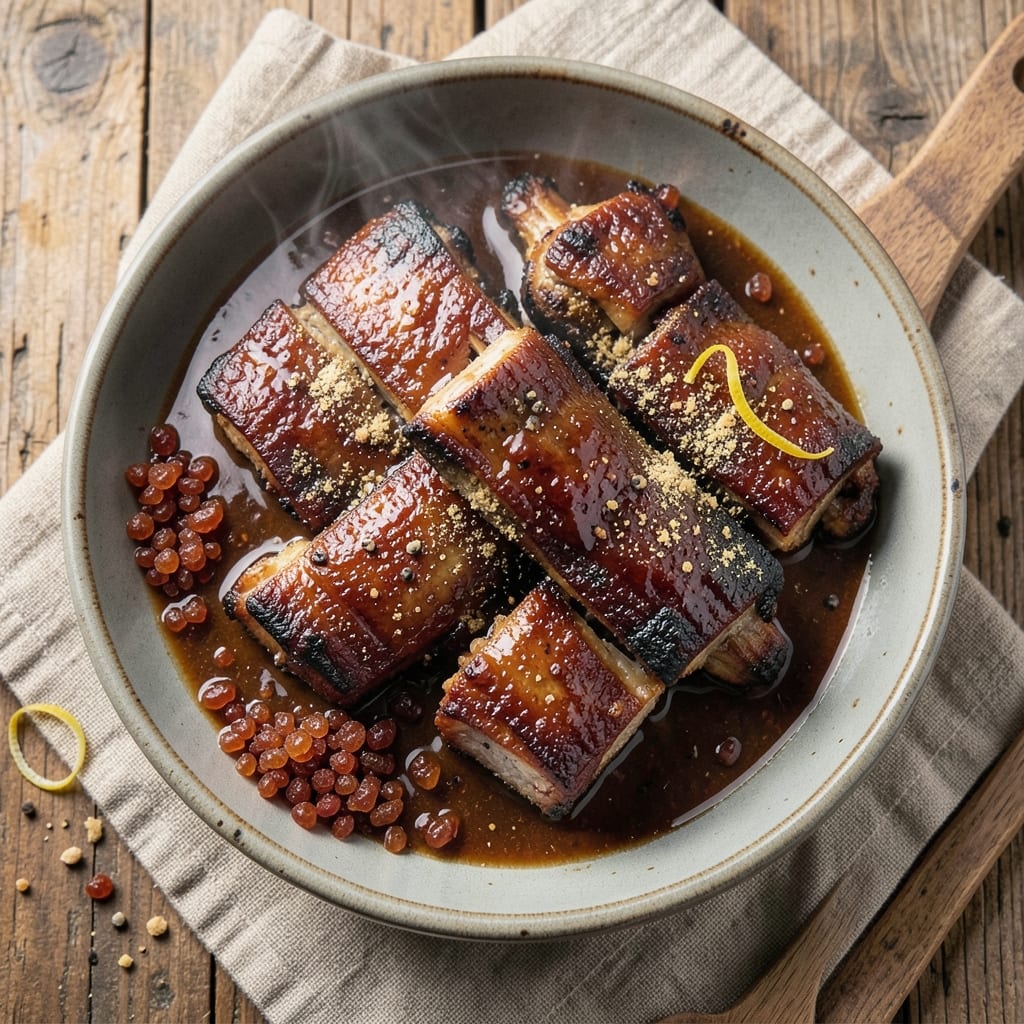
This baked beef spare ribs recipe delivers fall-apart tenderness with a smoky-sweet crust that rivals your favorite BBQ joint. The secret lies in a slow bake that transforms tough cuts into melt-in-your-mouth perfection, all while developing deep, caramelized flavors in the oven. I've perfected this method over years of testing—no smoker required, just your home oven and a little patience.
What sets these ribs apart is the two-stage seasoning that builds flavor layer by layer. First, a dry rub of brown sugar and spices creates that signature bark, while a basting sauce keeps the meat moist. The ribs rest after baking, allowing juices to redistribute for that juicy bite you crave. This isn't just another ribs recipe—it's the one that finally earns you compliments without hours of babysitting.
By the time you're done, you'll have ribs with crispy edges that shatter when you press them, revealing tender meat underneath. The aroma alone will have everyone gathering at your table, and the sauce clings to every bone, making each bite worth the wait. Serve with classic sides like roasted potatoes or a tangy coleslaw to complete the meal.
This recipe works equally well for weeknight dinners or weekend gatherings, scaling effortlessly for a crowd. The beauty of baking is its hands-off nature—just set the temperature and let the oven do the work while you focus on the little things, like setting the table or preparing those sides. Here's how to make ribs that'll have everyone asking for seconds.
Ingredients for baked beef spare ribs
Nine simple ingredients transform tough ribs into melt-in-your-mouth perfection with smoky-sweet flavor.
| Ingredient | Amount | Notes |
|---|---|---|
| Beef Spare Ribs 🥩 | 3 lb | Bone-in, meaty ends preferred |
| Brown Sugar 🍚 | ½ cup | Light or dark variety |
| Smoked Paprika 🌶️ | 2 tbsp | For authentic smoky flavor |
| Garlic Powder 🧄 | 1 tbsp | Freshly ground preferred |
| Onion Powder 🧅 | 1 tbsp | For depth of flavor |
| Ground Black Pepper 🌶️ | 1 tbsp | Freshly cracked for best flavor |
| Kosher Salt 🧂 | 1 tbsp | Diamond Crystal preferred |
| Apple Cider Vinegar 🍎 | ¼ cup | For tangy basting sauce |
| Honey 🍯 | ¼ cup | Wildflower preferred |
| Worcestershire Sauce 💧 | 2 tbsp | For umami depth |
| Yellow Mustard 🍯 | 1 tbsp | For tangy kick |
| Olive Oil 🫒 | 2 tbsp | For moisture and richness |
| Fresh Rosemary 🌿 | ¼ cup | Chopped, for aromatic touch |
| Fresh Thyme 🌿 | ¼ cup | Chopped, for herbal notes |
The ribs are the star—meaty ends mean more flavor, so don't skimp. Costco or your butcher section will have the best cuts. Look for good marbling and avoid ribs with too much fat trim. I usually grab 3 pounds for a crowd, but this recipe works perfectly for four. The brown sugar is non-negotiable here—it creates that signature caramelized bark. Muscovado or dark brown sugar adds even more depth if you want to splurge.
No smoked paprika? Regular paprika plus a pinch of liquid smoke gets you close. Fresh rosemary and thyme are ideal, but dried works at half the amount. The Worcestershire sauce adds that umami punch—Lea & Perrins is the gold standard, but any good brand works. If you're avoiding sugar, swap the honey for maple syrup or agave nectar. The apple cider vinegar cuts through the richness, so don't skip it. For extra crispiness, broil the ribs for 2-3 minutes at the end.
These ribs reheat beautifully—just warm in the oven for 15 minutes at 300°F. The sauce thickens as it cools, so add a splash of water if it gets too stiff. Store leftovers in the fridge for 4-5 days, wrapped tightly in foil to keep them moist. Freeze for up to 3 months—just thaw overnight in the fridge before reheating. I always make a double batch because they disappear fast.
Why You'll Love This Recipe
- No-Fuss Seasoning: I swear by this mix—just brown sugar, smoked paprika, and those two powders. No fancy marinades, no last-minute shopping runs. The ribs soak up the flavor while baking, so you’re basically getting restaurant-quality taste with pantry staples.
- Sweet-Savory Magic: That caramelized brown sugar crust? It’s the star. The smoked paprika adds depth, while the garlic and onion powders sneak in that irresistible umami punch. Every bite has this perfect balance—sweet, smoky, and just a little tangy.
- Weeknight to Party Fix: Honestly, I make these for lazy Tuesdays and Sunday dinners. The same recipe works whether I’m feeding my family or hosting game night. Just adjust the oven time—no stress, no extra effort.
- Leftovers That Don’t Suck: Between us, most rib recipes leave you with sad, dry seconds. Not these. The baked method keeps them tender, so I always end up with at least two more meals. Wrap them in foil, reheat, and boom—next-day lunch solved.
Step-by-step instructions for baked beef spare ribs
Here's how to transform tough ribs into fall-apart tender meat with a perfect caramelized crust.
Prepare the Ribs with Dry Rub
Preheat your oven to 325°F. Pat the 3 lb beef spare ribs dry with paper towels—this helps the rub stick and creates a better crust. In a small bowl, mix together 0.5 cup brown sugar, 2 tbsp smoked paprika, 1 tbsp garlic powder, 1 tbsp onion powder, 1 tbsp ground black pepper, and 1 tbsp kosher salt. This blend gives you that perfect balance of smoky, sweet, and savory flavors.
Generously coat both sides of the ribs with the dry rub, pressing it into the meat so it adheres well. Place the ribs on a wire rack set inside a rimmed baking sheet—this allows air to circulate around them, preventing soggy meat. Let them sit at room temperature for 30 minutes before baking, which helps them cook more evenly.
Bake Until Tender
Transfer the rubbed ribs to the preheated oven and bake for 2 hours. This low-and-slow approach is key—it breaks down the connective tissue, making the meat tender and juicy. After 2 hours, check the internal temperature with a meat thermometer. It should reach 195°F—this is when the ribs are fork-tender and ready for the finishing touch.
If the ribs aren't quite there yet, continue baking for another 30 minutes, checking every 15 minutes to avoid overcooking. The meat should pull away from the bone with just a gentle tug, and the edges should be caramelized but not burnt. Here's the thing—don't rush this step. Patience is what turns tough ribs into melt-in-your-mouth perfection.
Prepare the Glaze
While the ribs bake, make the glaze by combining 0.25 cup apple cider vinegar, 0.25 cup honey, 2 tbsp Worcestershire sauce, 1 tbsp yellow mustard, and 2 tbsp olive oil in a small saucepan. Stir in 0.25 cup chopped fresh rosemary and 0.25 cup chopped fresh thyme for an aromatic boost. Bring the mixture to a gentle simmer over medium heat and let it reduce for 10 minutes, stirring occasionally, until it thickens slightly to a syrupy consistency.
This glaze adds a tangy-sweet contrast to the smoky ribs, balancing the richness of the meat. The rosemary and thyme infuse the sauce with bright, herbal notes that cut through the sweetness. Keep the glaze warm until you're ready to use it—it should coat the back of a spoon easily.
Glaze and Finish
Once the ribs reach 195°F, remove them from the oven and transfer them to a cutting board. Brush the warm glaze generously over the top of the ribs, letting it soak in for 5 minutes. This step is where the magic happens—the glaze caramelizes under the broiler, creating a sticky, glossy crust that locks in moisture and adds depth of flavor.
Return the ribs to the oven under the broiler for 2-3 minutes, watching closely to avoid burning. You're looking for a deep amber color and a glossy sheen—the glaze should bubble and caramelize but not char. The ribs are done when the edges are sticky and the meat is so tender it practically falls off the bone.
Rest and Serve
Let the ribs rest for 10 minutes before slicing. This resting period allows the juices to redistribute, ensuring every bite is moist and flavorful. Serve the ribs with the extra glaze spooned over the top, and garnish with extra chopped rosemary and thyme for a pop of color and freshness.
Slice between the bones for easy serving, and don't forget to save the juices from the baking sheet—they're packed with flavor and can be used to make a quick pan sauce. These ribs deliver on the promise of juicy, fall-apart meat with a perfect balance of smoky, sweet, and tangy flavors. You'll love how easy it is to impress your guests with this showstopper dish!
Pro Tips For Making Baked Beef Spare Ribs
- CRISP THEM FIRST: Pat the ribs dry with paper towels—really dry—and hit them with a light coat of oil before adding the sugar-spice mix. I learned this the hard way: skipping this step means the brown sugar just turns into a sticky glaze instead of a crispy crust. Trust me, the difference is night and day.
- SALT THE SUGAR: Mix your brown sugar with smoked paprika, garlic powder, and onion powder plus a teaspoon of kosher salt per tablespoon of sugar. The sugar alone won’t season the ribs deep enough—this dry rub needs that extra salt to penetrate while baking. (Yes, even if the recipe doesn’t say it.)
- BAKE COVERED THEN UNCOVERED: Start the ribs wrapped tightly in foil for the first 45 minutes at 325°F—this locks in moisture so they don’t dry out. Then unwrap and crank the heat to 425°F for the last 15 minutes. The foil keeps them tender; the high heat finishes the crust. No guessing, just science.
- USE A MEAT THERMometer: Pull the ribs when the internal temp hits 195°F at the thickest part—not when they look done. I used to eyeball it and ended up with chewy ribs every time. A cheap instant-read thermometer solves this. (Pro move: Stick it in the meaty part between the bones, not the fat.)
Regional styles of these flavors
Texas BBQ Style
In Texas, ribs are all about bold flavors and tender meat. For this regional take, swap the apple cider vinegar in the glaze for ¼ cup beef broth and add 1 tbsp hot sauce (like Frank's RedHot) for a spicy kick. Texas pitmasters often use a dry rub with cayenne pepper—add ½ tsp cayenne to the original rub for heat. Serve with classic Texas sides like white bread for dipping and pickled jalapeños on the side. 🌶️
Carolina Vinegar-Based
Carolina-style ribs lean into tangy vinegar for a bright, sharp contrast. Replace the honey in the glaze with ½ cup apple cider vinegar and add 1 tbsp apple cider vinegar to the dry rub for depth. Use yellow mustard instead of Dijon for the glaze, and finish with a sprinkle of coarse sea salt (like Maldon) for texture. Serve with creamy coleslaw and cornbread for a true Carolina spread.
Kansas City Sweet & Sticky
Kansas City ribs are famous for their sweet, sticky glaze. Boost the sweetness by doubling the honey to ½ cup and adding 2 tbsp molasses to the glaze. Use dark brown sugar in the dry rub and add ½ tsp cinnamon for warmth. Kansas City chefs often wrap ribs in foil during the last hour of cooking—try this for extra tenderness. Serve with buttery baked beans and crusty sourdough bread for dipping.
New York Deli Twist
For a New York-style approach, skip the glaze entirely and focus on a garlicky, herby dry rub. Mix 1 tbsp garlic powder and 1 tbsp onion powder into the original rub, then add 1 tsp dried oregano. After baking, slice the ribs into individual chops and serve on a platter with horseradish cream and pickled onions. This style is perfect for a quick weeknight meal with minimal cleanup. 🥗
Smoky Mountain Style
In the Smoky Mountains, ribs are all about wood-fired flavor. While this recipe uses an oven, you can mimic the effect by adding 1 tsp liquid smoke to the glaze and using hickory wood chips in your oven (if your oven supports it). The dry rub should include ½ tsp black pepper and ½ tsp cayenne for a fiery touch. Serve with cornbread muffins and a side of apple butter for a Southern-inspired meal.
Nutrition facts
Frequently asked questions
How do I know when beef spare ribs are fully cooked?
Use a meat thermometer to check the internal temperature—195°F is the magic number for perfectly tender ribs. The meat should pull away from the bone easily with just a gentle tug, and the edges should have a deep caramelized crust. If it's not quite there after 2 hours, bake for another 30 minutes and check again.
Can I use beef spare ribs with the membrane still on?
Yes, but remove the membrane (silver skin) for better tenderness. Slide a butter knife under it and peel it off—this prevents the ribs from curling up and ensures even cooking. If you skip this step, the ribs may not cook as evenly, especially in the oven.
What’s the best way to reheat leftover baked beef spare ribs?
Wrap the ribs tightly in foil and reheat in a 300°F oven for 15 minutes. For extra crispiness, broil for 2-3 minutes at the end. Avoid microwaving—it makes the meat rubbery. Leftovers stay fresh for 4-5 days in the fridge or 3 months in the freezer.
Why do my ribs turn out dry when baking?
Overcooking is the most common cause—ribs should never exceed 210°F internally. The glaze helps retain moisture, so don’t skip it! Also, patting the ribs dry before seasoning creates a better crust. For extra juiciness, baste with the glaze every 30 minutes during baking.
Can I make this recipe with pork spare ribs instead?
but adjust the cooking time—pork ribs cook faster (about 1.5-2 hours) and reach 195°F more quickly. Use the same dry rub and glaze, but check for doneness earlier. Pork ribs also benefit from a 10-minute rest before serving.