Soups & Stews
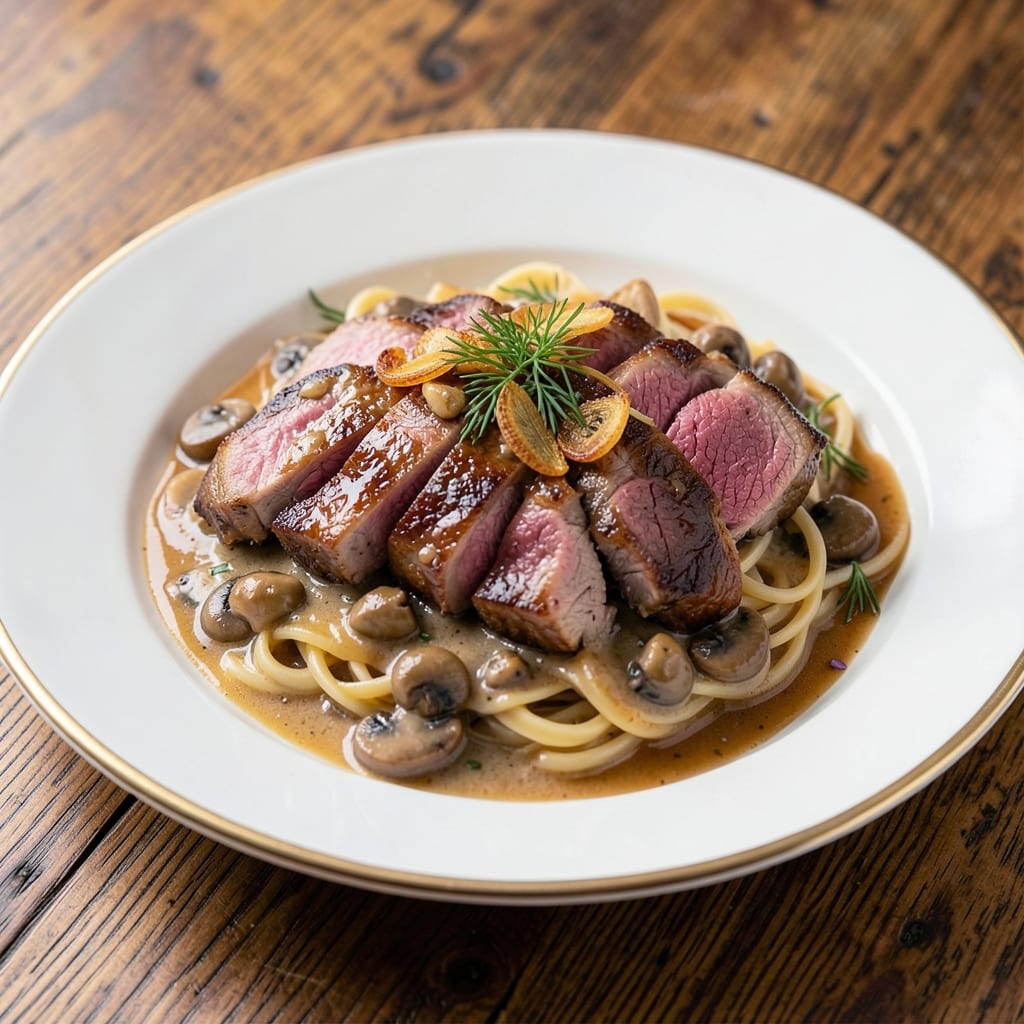
This Balthazar beef stroganoff recipe delivers restaurant-quality comfort in one elegant dish. The secret lies in tender beef seared to perfection, then simmered in a velvety mushroom-wine sauce that's finished with rich sour cream. I first discovered this French-Russian classic during a Parisian bistro visit, and it became an instant favorite for its balance of bold flavors and creamy texture.
The dish begins with properly seared beef strips—never overcooked—that stay tender through the slow simmer. A classic wine reduction forms the sauce's foundation, while sautéed mushrooms add earthy depth. The final touch of sour cream creates that signature silky finish that makes stroganoff irresistible. This recipe stays true to tradition while being simple enough for weeknight cooking.
What you'll end up with is a dish that's rich yet balanced, with perfectly tender beef swimming in a luscious sauce that's neither too heavy nor too light. The aroma alone will have everyone gathering at the table, and each bite delivers that perfect combination of savory, creamy, and slightly tangy flavors. It's the kind of meal that feels special but comes together with straightforward techniques.
Serve over buttery egg noodles for a classic presentation, or pair with crusty bread to soak up every last drop of that luxurious sauce. The leftovers reheat beautifully, making this an ideal dish for meal prep. Let's create this comforting classic together.
Ingredients for balthazar beef stroganoff
The perfect balance of tender beef, rich wine sauce, and velvety sour cream awaits with these restaurant-quality ingredients.
| Ingredient | Amount | Notes |
|---|---|---|
| Beef Tenderloin 🥩 | 1 ½ lb | Center-cut, sliced into 1/4-inch strips |
| All-Purpose Flour 🌾 | ¼ cup | For dredging beef strips |
| Unsalted Butter 🧈 | ½ cup | Divided for searing and sauce |
| White Wine 🍷 | ½ cup | Dry, like Chardonnay or Sauvignon Blanc |
| Beef Broth 💧 | 1 cup | Low-sodium preferred |
| Fresh Mushrooms 🍄 | 1 lb | Cremini or button, sliced |
| Shallots 🧅 | 2 whole | Minced, or 2 tbsp dried onion |
| Garlic Cloves 🧄 | 4 cloves | Minced, or 1 tsp garlic powder |
| Sour Cream 🥛 | ½ cup | Full-fat for best texture |
| Egg Noodles 🍝 | ½ lb | Fresh or dried, cooked al dente |
| Fresh Parsley 🌿 | ¼ cup | Chopped, for garnish |
| Kosher Salt 🧂 | 1 ½ tsp | Divided for seasoning |
| Ground Black Pepper 🌶️ | ½ tsp | Freshly ground preferred |
| Dijon Mustard 🍯 | 1 tsp | For sauce depth |
| Olive Oil 🫒 | 1 tbsp | For initial searing |
The beef is non-negotiable here—center-cut tenderloin stays tender and delivers that melt-in-your-mouth texture. Look for it pre-sliced at Whole Foods or your local butcher shop, or slice it yourself for even strips. Fresh mushrooms are a must for that earthy depth, but cremini or button both work. The shallots add subtle sweetness—fresh is ideal, but dried onion in a pinch won't ruin the dish. For the wine, dry whites like Chardonnay or Sauvignon Blanc work best—avoid anything too sweet, or the sauce will taste flat.
No white wine? Substitute extra beef broth—just reduce it by half first to concentrate the flavor. Fresh mushrooms unavailable? Canned mushrooms work in a bind, but drain them well. The Dijon mustard is key for that classic tang—no substitute here. For the sour cream, full-fat is essential—it creates that signature silky texture. If you're making this ahead, hold off on adding the sour cream until just before serving, or it'll curdle during cooking. The egg noodles should be al dente—they'll finish cooking in the residual heat of the stroganoff.
This dish reheats beautifully—3-4 days in the fridge or 3 months frozen. For freezing, let it cool completely, then store in an airtight container with a layer of plastic wrap pressed directly on the sauce to prevent freezer burn. The sauce thickens as it cools, so you may need to loosen it with a splash of milk or broth when reheating. Garnish with fresh parsley right before serving—it brightens up the dish and makes it look restaurant-worthy. Portion into individual containers for easy meal prep, and the noodles will stay separate until reheated.
Why You'll Love This Recipe
- Tenderloin Luxury: The beef tenderloin stays impossibly juicy—no dry bites here. A quick sear in butter locks in flavor while keeping it melt-in-your-mouth tender, even when reheated.
- Wine Magic: That splash of white wine isn’t just for show—it cuts through the richness and adds a bright, almost citrusy lift. Honestly, it’s the secret that makes this taste like a fancy restaurant dish.
- Weeknight Hero: This feeds four but takes less time than deciding what to order. Flour-dusted beef cooks fast, and the broth thickens while you chop veggies—no babysitting required.
- Leftovers Win: The sauce clings to the beef like glue, so every reheat tastes fresh. I’ve had it cold the next day (yes, really) and it’s still the star of my lunch—no sad, dried-out stroganoff here.
Step-by-step instructions for Balthazar beef stroganoff
Create restaurant-quality stroganoff with velvety sour cream sauce and perfectly tender beef strips.
Sear the Beef Tenderloin Strips
Heat the 1 tablespoon olive oil in a large skillet over medium-high heat until shimmering. Pat the 1.5 lb beef tenderloin strips dry with paper towels - this ensures maximum browning. Season both sides generously with ½ teaspoon kosher salt and ¼ teaspoon ground black pepper. Working in batches, add the strips to the skillet and cook for 2-3 minutes per side until they develop a deep golden brown crust.
Remove the beef from the skillet and set aside on a plate. Don't drain the pan - those flavorful browned bits are essential for building the sauce. If the strips release easily from the pan, they're ready. If they stick, let them cook another 30 seconds before flipping. This searing step creates the foundation for your rich, flavorful stroganoff.
Create the Sautéed Mushroom Base
Reduce heat to medium and add 2 tablespoons unsalted butter to the same skillet. Toss in the 1 lb fresh mushrooms and cook for 5-6 minutes until they release their moisture and begin to brown. Add the 2 minced shallots and 4 minced garlic cloves, cooking for another 2 minutes until the shallots become translucent and the garlic releases its aromatic fragrance.
This step develops the deep umami flavor that defines stroganoff. Don't rush the mushrooms - they should be golden brown with some crispy edges. If they start to stick, add a splash of white wine to deglaze. The wine will also help dissolve those precious browned bits from the beef searing, creating a more complex sauce.
Build the Wine and Broth Sauce
Pour in the ½ cup white wine and scrape up any browned bits from the bottom of the pan. Let it simmer for 3-4 minutes until reduced by half. Add the 1 cup beef broth, 1 teaspoon Dijon mustard, and remaining 1 teaspoon kosher salt and ¼ teaspoon ground black pepper. Bring to a gentle simmer and cook for 5 minutes until the sauce has thickened slightly.
The Dijon mustard adds depth while balancing the acidity of the wine. This sauce should coat the back of a spoon but still be fluid enough to coat the noodles. If it thickens too much, whisk in 1-2 tablespoons water to reach your desired consistency. The sauce should be velvety, not chunky, preparing it for the silky sour cream addition.
Incorporate the Sour Cream and Finish
Remove the skillet from heat and gently stir in the ½ cup sour cream using a wooden spoon. Return to low heat and simmer for just 1-2 minutes - never boil the sour cream or it will curdle. Add the reserved beef strips back to the skillet and let them warm through in the sauce for 2 minutes. Stir in the ½ teaspoon Dijon mustard to enhance the sauce's complexity.
This is where the magic happens - the sour cream creates that signature silky texture while keeping the sauce rich and flavorful. The beef should be fully coated in the sauce, absorbing all those delicious flavors. If the sauce starts to separate, whisk vigorously to re-emulsify it. The final sauce should be thick enough to coat the noodles but still silky smooth.
Assemble and Serve
Cook the ½ lb egg noodles according to package instructions until al dente, reserving ½ cup pasta water. Drain and immediately add to the skillet with the stroganoff sauce. Toss gently to coat, adding reserved pasta water as needed to reach your desired consistency. Garnish with ¼ cup chopped fresh parsley and serve immediately.
The noodles should be perfectly coated in the creamy sauce with tender beef strips peeking through. Each bite should deliver a perfect balance of rich, tangy, and savory flavors. Serve with crusty bread to soak up any remaining sauce - this stroganoff is best enjoyed fresh while the noodles are warm and the sauce is silky.
Pro Tips For Making Balthazar Beef Stroganoff
- SEAR THE TENDERLOIN HOT: Crank your pan to medium-high and wait until it’s ripping hot before adding the beef tenderloin—this isn’t the time to play it safe. I learned this the hard way when my first batch turned out gray instead of golden; the crust is what carries the flavor in stroganoff.
- USE COLD BUTTER FOR ROUX: Chill that unsalted butter before making the flour roux—literally take it out of the fridge 10 minutes before you need it. Cold butter emulsifies better with the flour, giving you a smoother, less lumpy base that won’t break when you add the wine.
- DEGLAZE WITH WINE IMMEDIATELY: As soon as you remove the seared beef, pour in that white wine while the pan is still hot—this lifts all the browned bits (fond) that would otherwise turn your sauce into glue. Skip waiting, and you’re left scraping a sad, flavorless paste off the bottom.
- THIN WITH BROTH GRADUALLY: Don’t dump all the beef broth at once—add it in splashes while stirring constantly. The sauce will thicken as it cooks, and you can always add more later; rushing it now guarantees a watery mess. (Yes, even if you’re impatient like me.)
Wine and beer pairings for balthazar beef stroganoff
French Wine Classics
For this French-inspired dish, I reach for a Burgundy Pinot Noir—specifically a Gevrey-Chambertin or Nuits-Saint-Georges—which complements the beef's richness with its earthy cherry and mushroom notes. The wine's acidity cuts through the creaminess while enhancing the mushroom sauce's depth. 🍷
A Chablis or Meursault white wine also works beautifully if you prefer white, as their crisp minerality balances the dish's richness. Avoid anything too oaky or overly sweet—you want to highlight the beef and mushrooms, not distract from them.
Russian Vodka Pairing
Given stroganoff's Russian origins, a high-quality vodka like Beluga Gold or Russian Standard makes a bold pairing. Serve it chilled in small glasses to cleanse the palate between rich bites. The vodka's neutral profile won't compete with the dish but will enhance its savory notes.
For a more traditional Russian touch, try a vodka-lemon cocktail—just mix 1.5 oz vodka with ½ oz fresh lemon juice and a splash of soda water. The citrus brightens the dish's creaminess while keeping it refreshing.
Beer Options
A Belgian witbier like Hoegaarden or Stella Artois provides a crisp, slightly spicy contrast to the stroganoff's richness. The effervescence also helps cut through the creaminess, making each bite feel lighter. 🍺
For beer lovers, a German Helles Lager or Pilsner offers a clean, malty balance. Avoid heavy stouts or IPAs—they'll overpower the delicate flavors of the dish. A light American lager like Miller Lite works in a pinch if you're keeping it simple.
Non-Alcoholic Choices
For a refreshing non-alcoholic option, try sparkling apple cider—its acidity mirrors the wine's brightness while adding a fruity contrast. Chill it well and serve in a flute glass for an elegant touch.
A ginger beer like Feather's also pairs surprisingly well, as the ginger's spice complements the dish's savory depth without overpowering it. Serve it ice-cold for the best experience.
Nutrition facts
Frequently asked questions
Can I use ground beef instead of tenderloin strips?
While you can technically use ground beef, it won't deliver the same restaurant-quality texture. The tenderloin strips stay tender and melt-in-your-mouth, while ground beef tends to become mushy when simmered in the sauce. If you must substitute, use sirloin or ribeye strips cut into ¼-inch pieces for better results.
Why did my sour cream sauce separate?
This happens when the sauce boils or gets too hot. Always stir gently on low heat and never let it bubble. If it separates, whisk vigorously to re-emulsify or add 1 tablespoon cold water and stir constantly until smooth. The key is patience—1-2 minutes on low heat is all you need.
What's the best way to reheat leftovers?
Reheat gently in a skillet over low heat with a splash of beef broth or water to loosen the sauce. Cover to prevent drying out and stir frequently. Microwave reheating works too, but add 15-30 seconds intervals to avoid overheating the sauce. Never reheat to boiling, or the sour cream may curdle.
Can I make this dish ahead of time?
Prepare everything up to Step 4 (before adding the sour cream), then refrigerate for up to 3 days or freeze for 3 months. When ready to serve, simply reheat the sauce gently, stir in fresh sour cream, and add the noodles. The sauce will thicken slightly after chilling, so adjust with a splash of milk or broth.
What's the secret to the perfect stroganoff sauce?
The magic lies in three things: reducing the wine properly (until it's half its original volume), low-and-slow simmering to develop flavors, and adding sour cream off the heat. The Dijon mustard and proper seasoning balance the acidity, while the mushrooms add umami depth. Never rush the process—patience creates that velvety texture.